Are you wondering if your small breed dog should be eating adult dog food? It’s a common question many pet owners face.
You want to give your furry friend the best nutrition, but with so many options, it can get confusing. What if feeding the wrong food affects your dog’s health or energy? Keep reading to discover what’s best for your small dog’s diet and how to make the right choice that keeps your pet happy and healthy every day.
Nutritional Needs Of Small Breeds
Small breed dogs have unique nutritional needs that differ from larger breeds. Their fast metabolism and active nature require a diet tailored to support their energy levels and overall health. Understanding these needs helps you choose the right food to keep your small companion thriving.
Calorie Requirements
Small breeds burn energy quickly, so they need more calories per pound than larger dogs. Feeding them adult food designed for bigger dogs can leave them undernourished or cause digestive issues. Have you noticed your small dog begging for food more often? That could be a sign they need a higher calorie intake suited to their size.
Protein And Fat Levels
Protein is essential for muscle maintenance and energy, especially in small breeds with high activity. They also benefit from higher fat content to fuel their fast metabolism. Adult foods for large dogs often have lower fat, which might not meet the energy demands of your little buddy. Look for foods with around 25-30% protein and 15-20% fat to support their vitality.
Vitamin And Mineral Needs
Small dogs need balanced vitamins and minerals to keep their bones strong and immune system healthy. Calcium and phosphorus must be in the right ratio to prevent skeletal problems common in tiny breeds. Additionally, antioxidants like vitamin E and C help fight off illnesses. Does your dog’s food label show these nutrients? Ensuring they do can make a big difference in your pet’s quality of life.
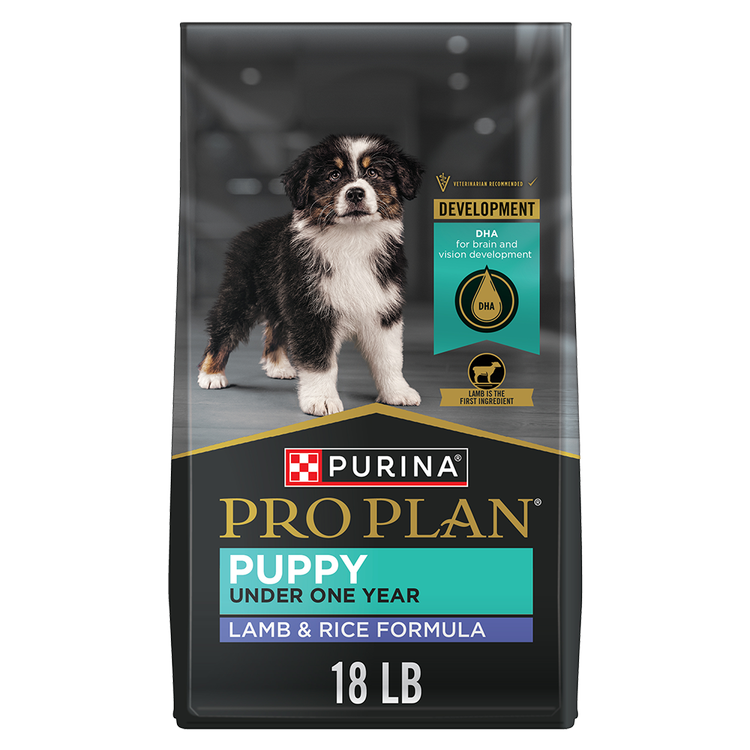
Credit: www.purina.com
Differences Between Puppy And Adult Food
Small breed puppies need food rich in nutrients to support growth, unlike adult dogs who require maintenance diets. Adult food may lack essential nutrients for puppies but suits small breed adults well. Choosing the right food ensures health and energy for your dog’s stage of life.
Understanding the differences between puppy and adult food is key to making informed decisions about your small breed dog’s diet. Many dog owners wonder if it’s okay for their puppies to eat adult food, and the answer often lies in the distinct nutritional needs at different life stages. Puppies, especially small breeds, have specific dietary requirements that differ significantly from those of adult dogs.Nutrient Composition
Puppy food is formulated with higher levels of protein and fat to support rapid growth and development. Essential nutrients like DHA are crucial for brain development, something you won’t find in the same quantities in adult food. Adult dog food, on the other hand, is balanced to maintain health once growth has slowed, often with fewer calories and less fat.Texture And Size
The texture and size of kibble can make a big difference for small breed puppies. Puppy food is generally softer and smaller, making it easier for tiny mouths to chew and digest. Adult food may be tougher and larger, posing a challenge for small puppies who are still developing their chewing skills.Energy Density
Small breed puppies have high energy needs packed into tiny bodies. Puppy food is more energy-dense, providing the calories needed for their active lifestyle in smaller portions. Adult food has lower energy density, which might not meet the demands of a growing puppy and could lead to undernourishment. Have you ever noticed your puppy slowing down or acting less playful? It might be a sign that their food isn’t meeting their energetic needs. Always ensure your small breed puppy receives food tailored to their growth stage, ensuring a happy and healthy life as they grow into adult dogs.Risks Of Feeding Adult Food To Small Breed Puppies
Feeding adult dog food to small breed puppies might seem convenient, but it carries certain risks that can impact their health. Puppies have unique nutritional needs that support their rapid growth and energy levels. Ignoring these needs by giving them adult food can lead to serious problems.
Growth And Development Concerns
Small breed puppies grow quickly and need higher levels of protein and fat than adult dogs. Adult food often lacks these essential nutrients in sufficient amounts. This can slow down their growth and affect muscle and bone development.
Have you noticed your puppy seems less active or smaller than other pups their age? This could be a sign that their diet isn’t meeting their developmental needs.
Digestive Issues
Puppies have sensitive stomachs that require easily digestible food. Adult dog food usually contains ingredients and nutrient ratios that can upset their digestion. This might cause vomiting, diarrhea, or gas, making your puppy uncomfortable.
Switching to adult food too soon can stress their digestive system. You want your puppy to enjoy mealtime, not dread it because of tummy troubles.
Nutritional Deficiencies
Adult dog food is formulated for maintenance, not growth. It often lacks key vitamins and minerals like calcium and DHA that small breed puppies need for brain development and strong bones. Missing out on these can have long-term effects on your puppy’s health.
Think about the last time you checked the label on your puppy’s food. Does it mention nutrients specific to puppies? If not, it might be time to reconsider your choice.
Credit: www.purina.com
When Small Breed Dogs Can Switch To Adult Food
Small breed dogs grow fast and need the right nutrition at every stage. Knowing when to switch from puppy food to adult food helps keep them healthy. This change supports their energy and growth without causing weight issues. Timing the switch correctly ensures they get the right nutrients for their size and activity level.
Age Guidelines
Small breed dogs usually move to adult food between 9 and 12 months old. They mature faster than large breeds, so their dietary needs change sooner. Puppy food is rich in calories for growth, but adult food balances nutrients for maintenance. Sticking to this age range helps avoid feeding too much or too little.
Signs Of Readiness
Watch for signs that your dog is ready for adult food. These include a slower growth rate and less playful energy bursts. Their weight should be steady, not increasing rapidly. Teeth should be fully developed, and their digestive system more stable. These signs mean their body can handle adult food nutrients well.
Veterinarian Recommendations
Your vet’s advice is important for switching diets. They check your dog’s health and growth progress. Vets may suggest tests to confirm your dog’s readiness. Follow their guidance on the best food type and portion size. This helps prevent health problems and supports a smooth diet change.
Choosing The Right Adult Food For Small Breeds
Choosing the right adult food for your small breed dog is more than just picking a bag off the shelf. Small breeds have unique nutritional needs that differ from larger dogs, so the food you select must support their energy levels, dental health, and metabolism. Making thoughtful choices can help your furry friend stay happy and healthy well into their adult years.
Ingredients To Look For
Focus on high-quality protein sources like chicken, turkey, or fish to keep your small dog’s muscles strong. Healthy fats, such as omega-3 and omega-6 fatty acids, promote shiny coats and support brain function.
Also, include easily digestible carbohydrates like sweet potatoes or brown rice to provide steady energy. Look for added vitamins and minerals, especially calcium and phosphorus, to support bone health.
Avoiding Common Allergens
Many small dogs are sensitive to ingredients like corn, wheat, soy, and artificial additives. These can cause itching, digestive upset, or ear infections.
Keep an eye on your dog’s reactions when trying new foods. If your dog shows signs of allergies, choosing limited ingredient diets or grain-free options might be necessary to keep them comfortable.
Portion Control Tips
Small breeds burn calories faster due to their higher metabolism, but overfeeding can quickly lead to weight gain. Measure your dog’s food according to their weight and activity level rather than free-feeding.
Break meals into two or three smaller portions throughout the day to maintain steady energy and avoid digestive issues. Have you ever noticed your little dog begging for more even after a full meal? It’s often out of habit or boredom, not hunger.
Feeding Tips For Small Breed Dogs
Feeding small breed dogs requires special care to meet their unique needs. Their fast metabolism and small stomachs mean they need the right type and amount of food. Proper feeding supports their energy, growth, and overall health. Here are some tips to help you feed your small dog correctly.
Meal Frequency
Small breed dogs benefit from eating more often than larger dogs. Their stomachs hold less food, so frequent meals prevent hunger and energy dips.
- Feed small dogs 3 to 4 times daily.
- Keep portion sizes small to avoid overeating.
- Stick to a regular schedule to maintain routine.
Monitoring Weight And Health
Watch your dog’s weight closely to keep it healthy. Small dogs can gain weight quickly if overfed. Check their body condition regularly.
- Feel for ribs without pressing hard.
- Look for a visible waist when viewed from above.
- Consult a vet if weight changes suddenly.
Adjusting Diet As They Age
Small dogs need different nutrition as they grow older. Their energy needs decrease, but joint support becomes important.
- Switch to senior formulas after 7 years old.
- Choose food with added vitamins and minerals.
- Reduce calories to prevent weight gain.

Credit: www.petscare.com
Frequently Asked Questions
Can Small Breed Dogs Safely Eat Adult Dog Food?
Yes, small breed dogs can eat adult dog food if it meets their nutritional needs. Choose formulas designed for small breeds to ensure proper nutrient balance and energy levels.
What Are The Risks Of Feeding Adult Food To Small Puppies?
Feeding adult food to small puppies can cause nutrient deficiencies and growth issues. Puppies require higher protein and fat for healthy development.
How To Choose The Right Adult Food For Small Dogs?
Select adult dog food labeled for small breeds. Check for balanced protein, fat, and calories suitable for their size and metabolism.
Can Adult Food Support Small Dogs’ Energy Requirements?
Yes, adult foods formulated for small breeds provide sufficient energy. Small dogs have fast metabolisms and need calorie-dense nutrition.
Conclusion
Small breed dogs have unique nutritional needs. Adult dog food may not meet all their requirements. Puppies need extra nutrients for growth and energy. Feeding adult food too early can cause problems. Choose food made for your dog’s size and age.
Always check labels and consult your vet. Healthy food helps your dog stay strong and happy. Tailoring their diet ensures better health and longer life. Keep your small dog’s needs in mind every day. Good nutrition makes a big difference in their well-being.