Are you wondering when to switch your furry friend to adult dog food? Feeding your dog the right food at the right time is crucial for their health and happiness.
If you feed puppy food for too long or switch too soon, it could affect their growth and energy levels. You’ll discover the key signs to look for and the best timing to make that important change. Keep reading to make sure your dog gets exactly what they need to thrive every day.

Credit: jiminys.com
Signs Your Dog Is Ready
Knowing when your dog is ready to switch from puppy food to adult food can feel tricky. The signs your dog is ready often go beyond just their age. Watching for clear physical and behavioral cues helps you make the best choice for their health and energy.
Age Milestones
Most dogs are ready to transition to adult food between 9 and 12 months old. Larger breeds might need to wait a bit longer, around 12 to 18 months, because they mature more slowly. Pay attention to your dog’s breed size to decide the right timing.
Have you noticed your pup’s growth rate slowing down? That’s a key hint it’s time to consider adult food. Puppies grow fast initially, but once that rapid phase ends, their nutritional needs start to change.
Physical Development
Look for changes in your dog’s body shape and coat condition. When their baby teeth fall out and adult teeth fully come in, it signals a physical shift. You might also see their muscle tone improving and their energy becoming more stable throughout the day.
Does your dog seem less clumsy and more coordinated? That maturity in movement suggests their body is ready for the nutrients in adult food. Also, if their coat becomes shinier and thicker, it shows they’re growing into adulthood.
Behavioral Changes
Behavior can tell you a lot about readiness. If your dog starts to show less hyperactivity and more focus, it’s a sign their metabolism and energy needs are evolving. They may also begin to eat less frequently but in larger amounts.
Have you noticed your dog is calmer during playtime or settles down more easily? These behavioral shifts often align with their dietary needs changing. Adjusting their food accordingly supports their mental and physical balance.
Credit: www.webbox.co.uk
Differences Between Puppy And Adult Food
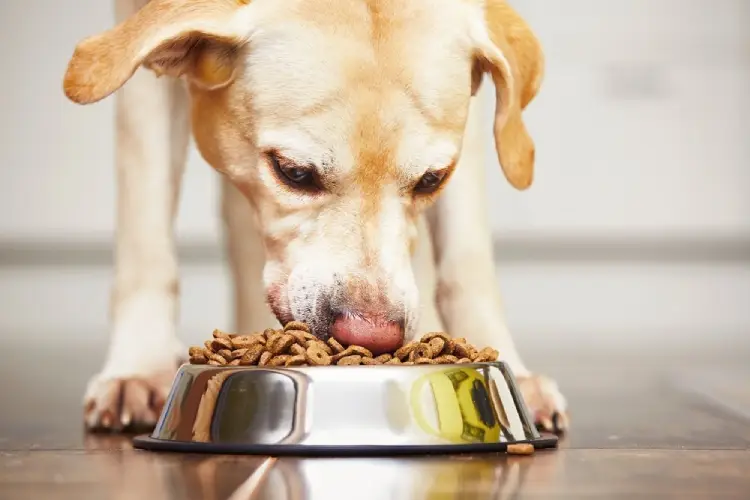
Puppy food contains more nutrients to support growth, while adult food meets maintenance needs. Dogs usually switch to adult food around one year old, depending on their size and breed. Feeding the right diet helps keep your dog healthy at every stage.
Differences Between Puppy and Adult Food Choosing the right food for your dog is crucial to their health and happiness. Puppies and adult dogs have different nutritional needs, which is why their food formulations vary. Understanding these differences can help you make informed choices about your dog’s diet.Nutritional Needs
Puppies are growing rapidly, requiring more protein and certain nutrients like calcium and phosphorus for bone development. Adult dogs, on the other hand, need a balanced diet that maintains their health without promoting weight gain. Tailoring food to these needs ensures your dog gets the right nutrients at each life stage.Calorie Content
Puppy food is typically higher in calories to support their energetic lifestyle and growth spurts. Adult dog food has fewer calories to prevent obesity as their growth slows down. Monitoring these calorie differences helps maintain a healthy weight for your dog.Ingredient Variations
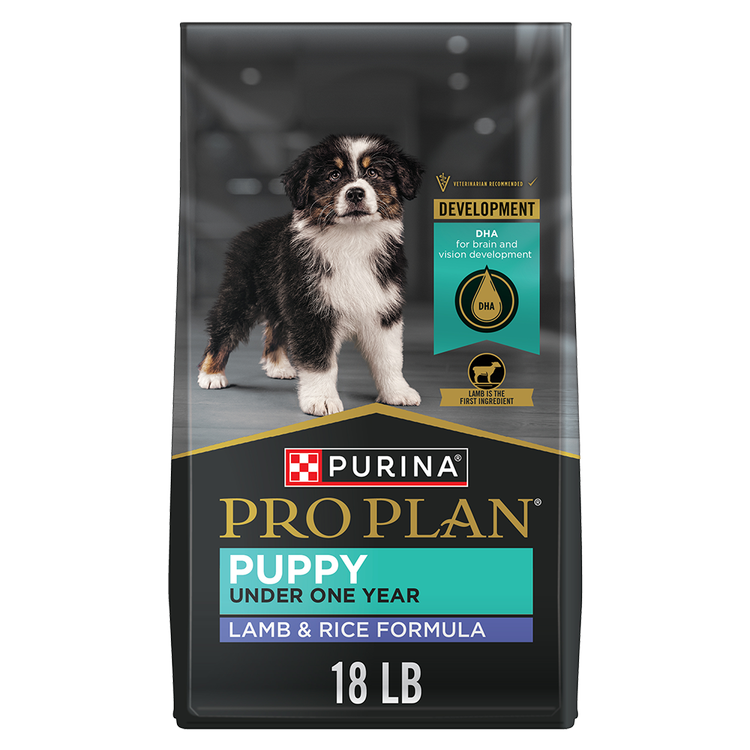
Ingredients in puppy food often focus on ingredients that boost growth, such as DHA for brain development. Adult food might include ingredients that promote joint health and support a strong immune system. Recognizing these ingredient variations can guide you in selecting the best food for your dog’s specific needs.Transitioning To Adult Food
Transitioning your dog from puppy food to adult food is an important step. It supports their growth and health as they mature. The change should be smooth to avoid stomach upset and other issues. A careful approach helps your dog adjust to new nutrients and flavors. This stage requires patience and close attention to your dog’s needs.
Gradual Switching Process
Start by mixing a small amount of adult food with the puppy food. Increase the adult food portion slowly over 7 to 10 days. This helps your dog’s digestive system adjust. Watch for changes in appetite or stool during this time. Avoid sudden switches to prevent digestive problems.
Monitoring Your Dog’s Reaction
Observe your dog’s behavior and energy levels daily. Look for signs like vomiting, diarrhea, or constipation. Check if your dog shows interest in the new food. A drop in energy or appetite can signal a problem. Consult your vet if any severe symptoms appear.
Common Challenges
- Refusal to eat the new food
- Digestive upset such as diarrhea or vomiting
- Allergic reactions or skin issues
- Weight loss or gain unexpectedly
Stay patient and consistent. Try mixing warm water with food for better smell. Experiment with different adult food brands if needed. Always seek veterinary advice if problems continue.
Special Considerations
Feeding your dog adult food is not just about age; several special factors influence the right timing and type of nutrition. You need to consider your dog’s unique traits and lifestyle to make the best choice. These considerations help ensure your dog stays healthy, happy, and energized as they grow.
Breed Size Impact
Small breeds mature faster than large breeds, which means their switch to adult food often happens earlier. For example, a Chihuahua might start adult food around 9 to 12 months, while a Great Dane could need puppy food up to 18-24 months.
Large breeds have different nutritional needs to support their rapid growth and prevent joint problems. You should choose adult food formulas designed specifically for your dog’s breed size to avoid issues like obesity or bone disorders.
Health Conditions
Your dog’s health plays a big role in deciding when and what to feed. Dogs with allergies, digestive problems, or kidney issues might require special diets regardless of their age.
Have you noticed your dog scratching more or having upset stomachs? These signs might mean you need to pick a sensitive or limited-ingredient adult food to keep them comfortable and healthy.
Activity Levels
Active dogs burn more calories and need richer nutrition compared to less active or older dogs. If your dog loves running and playing all day, adult food with higher protein and fat can fuel their energy.
On the other hand, if your dog has slowed down, feeding them the same high-calorie food could lead to weight gain. Adjusting their diet based on activity helps maintain a healthy weight and prevents health problems.
Feeding Schedule Tips
Knowing when and how to feed your dog adult food is more than just switching the bag in the pantry. It’s about establishing a feeding schedule that supports their health and happiness. A well-planned feeding routine helps manage their weight, energy levels, and digestion effectively.
Meal Frequency
Most adult dogs do well with two meals a day—one in the morning and one in the evening. This helps maintain steady energy throughout the day without causing overeating. Some dogs with special needs or health issues might require different schedules, so observe your dog’s behavior and adjust accordingly.
Have you noticed your dog begging between meals or acting sluggish? That could mean you need to rethink how often you feed them.
Portion Control
Measuring the right amount of food is crucial. Overfeeding can lead to obesity, while underfeeding might cause nutrient deficiencies. Use the feeding guidelines on the dog food package as a starting point, then adjust based on your dog’s size, activity level, and metabolism.
Try using a measuring cup or scale to keep portions consistent. Watching your dog’s weight and body condition regularly helps you tweak portions before problems arise.
Consistency Importance
Dogs thrive on routine. Feeding them at the same times each day can reduce anxiety and improve digestion. It also makes it easier to notice any changes in appetite or health.
Consistency doesn’t just apply to timing but also the type of food. Sudden switches can upset their stomach, so transition gradually over a week when changing diets. How consistent is your dog’s feeding routine right now?
Credit: www.purina.com
Frequently Asked Questions
When Should I Switch My Puppy To Adult Dog Food?
You should switch your puppy to adult dog food around 12 months old. Large breeds may need to wait 18-24 months. Transition gradually over 7-10 days to avoid digestive upset. Monitor your dog’s weight and energy to ensure the new diet suits them.
What Signs Show My Dog Is Ready For Adult Food?
Signs include reaching near adult size, reduced growth rate, and stable weight. Puppies become less hyperactive and their nutrient needs change. Consult your vet to confirm readiness based on breed and health. Switching too early or late can affect growth and nutrition.
Can I Feed Adult Dog Food To Puppies?
Feeding adult dog food to puppies is not recommended. Puppies need higher protein and fat for growth. Adult food lacks essential nutrients required for developing bones and organs. Use age-appropriate puppy food until they mature to maintain optimal health.
How To Transition A Dog From Puppy To Adult Food?
Mix increasing amounts of adult food with puppy food over 7-10 days. Start with 25% adult food and 75% puppy food. Gradually change the ratio daily until fully switched. This method prevents stomach upset and helps your dog adjust smoothly.
Conclusion
Feeding your dog adult food at the right time helps keep them healthy. Watch for signs like losing puppy energy or growing slower. Choose food that fits their size and breed. Changing food slowly avoids stomach upset. Regular vet visits help know when to switch.
Healthy dogs live longer and feel better. Feeding adult food on time supports strong bones and good energy. Always give your dog fresh water with meals. Careful feeding shows you love your pet. Simple steps make a big difference in your dog’s life.