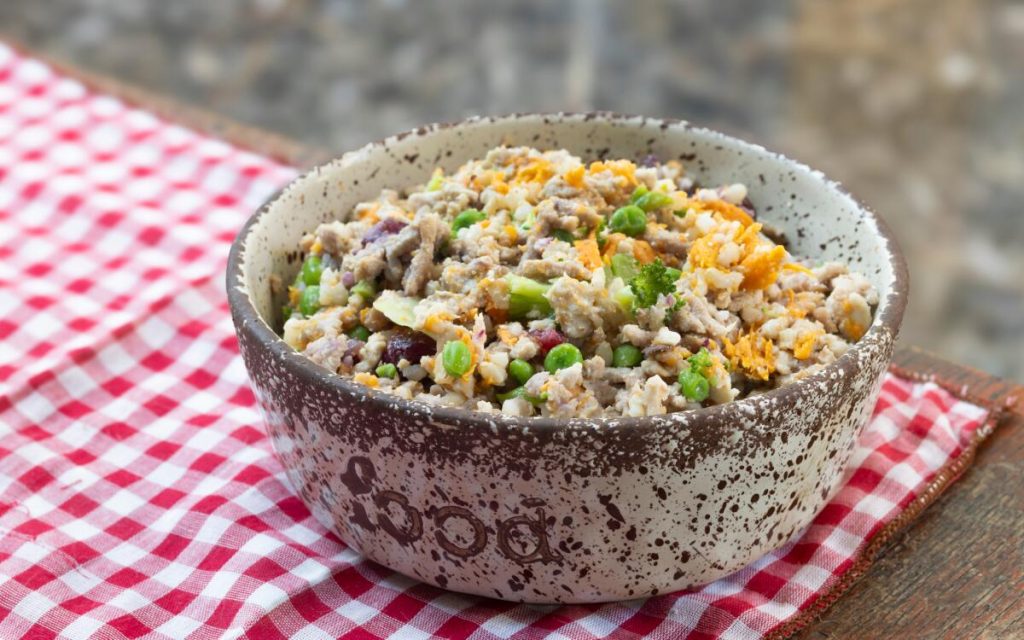

Are you looking for the best recipe for homemade dog food to keep your furry friend healthy and happy? Making your own dog food can feel overwhelming, but it doesn’t have to be.
You want to give your dog the best nutrition without spending hours in the kitchen or worrying about missing important ingredients. This guide will show you a simple, balanced recipe that you can trust. By the end, you’ll have everything you need to make meals your dog will love and that support their health every day.
Keep reading to discover how easy and rewarding homemade dog food can be!
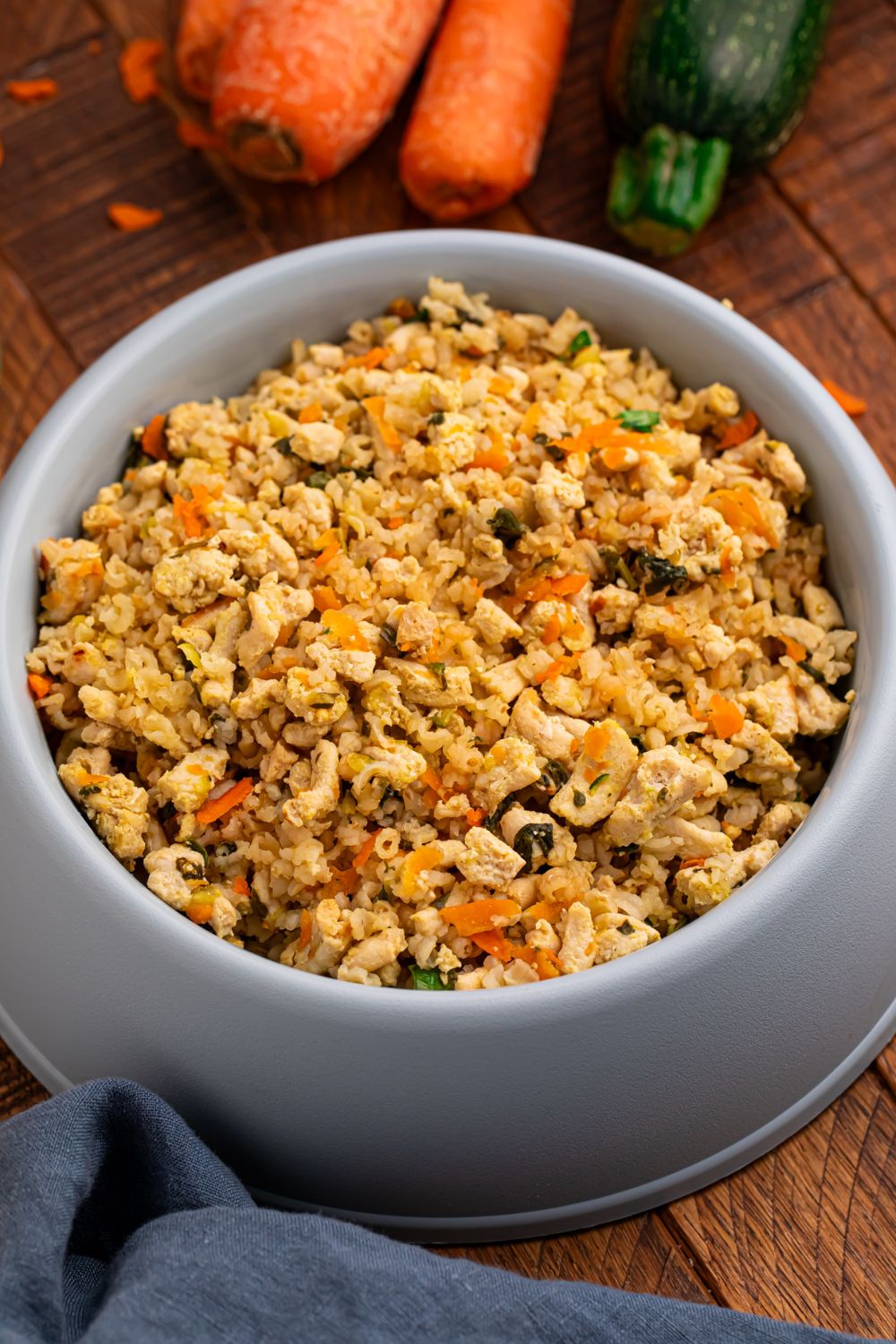
Credit: myincrediblerecipes.com
Benefits Of Homemade Dog Food
Homemade dog food offers many benefits that can improve your pet’s life. Preparing meals at home means you know exactly what your dog eats. This choice supports better health and can save money. Feeding your dog homemade food allows you to give fresh, natural ingredients without additives. It creates a closer bond between you and your furry friend.
Health Advantages
Homemade dog food often contains fresher ingredients than commercial brands. Fresh meat, vegetables, and grains provide essential nutrients. These meals avoid artificial preservatives and fillers. Dogs can have better digestion and shinier coats. Homemade diets can help manage allergies and food sensitivities. You can tailor meals to meet your dog’s specific health needs.
Control Over Ingredients
Making food at home gives full control over what goes inside. You choose high-quality proteins and fresh produce. It’s easier to avoid harmful additives and by-products. You can ensure balanced nutrients for your dog’s breed and age. Homemade food lets you adjust recipes for special diets. This control supports overall wellness and prevents unwanted ingredients.
Cost-effectiveness
Homemade dog food can be more affordable than premium store brands. Buying ingredients in bulk saves money. You can use leftovers and simple recipes. Preparing food yourself reduces packaging waste and costs. Many dog owners find homemade meals fit better in their budgets. This approach provides quality nutrition without spending too much.
Key Nutrients For Dogs
Understanding the key nutrients your dog needs is essential before preparing homemade meals. Each nutrient plays a specific role in keeping your dog healthy, energetic, and happy. Missing out on any of these can lead to health problems, so let’s break down what your dog truly requires.
Proteins And Amino Acids
Proteins are the building blocks of your dog’s body. They help repair tissues, build muscles, and support the immune system.
Include high-quality sources like chicken, beef, fish, or eggs in your recipes. Amino acids, the components of proteins, are crucial because dogs cannot produce all of them on their own.
Have you checked if your recipe provides enough essential amino acids like lysine and methionine? Without them, your dog’s growth and energy levels might suffer.
Carbohydrates And Fiber
Carbohydrates provide your dog with a quick energy boost. They also help with digestion when paired with fiber.
Good sources include brown rice, sweet potatoes, and oats. Fiber aids in healthy bowel movements and prevents constipation.
Are you balancing carbs in your dog’s meal to avoid weight gain but still maintain energy? It’s a fine line but very important for active dogs.
Fats And Fatty Acids
Fats are essential for healthy skin, a shiny coat, and brain function. They also supply concentrated energy that dogs need.
Look for healthy fats from fish oil, flaxseed oil, or chicken fat. Omega-3 and Omega-6 fatty acids are particularly beneficial and should be part of your recipe.
Think about whether your homemade food has enough of these fats. Too little can cause dull fur; too much might lead to obesity.
Vitamins And Minerals
Vitamins and minerals support everything from bone strength to immune defense. They keep your dog’s body running smoothly.
Include a variety of vegetables like carrots, spinach, and pumpkin to add vitamins A, C, and E. Minerals such as calcium and phosphorus are vital for teeth and bones.
Have you considered adding a supplement or using a mix of ingredients that cover all necessary vitamins and minerals? Skipping this can lead to deficiencies that show up over time.
Safe Ingredients To Use
Choosing safe ingredients is crucial for your dog’s homemade meals. It ensures their health and happiness. Using the right ingredients means balanced nutrition. Let’s explore the best options for meats, vegetables, grains, and legumes.
Meats And Proteins
Dogs thrive on animal proteins. Lean meats like chicken, turkey, and beef are great choices. They offer essential amino acids. Consider fish like salmon for healthy fats. Eggs provide a complete protein source. Always cook meats thoroughly to kill bacteria.
Vegetables And Fruits
Vegetables add vitamins and minerals. Carrots and peas are safe and nutritious. Sweet potatoes offer fiber and beta-carotene. Include leafy greens like spinach for iron. Fruits like apples and blueberries make a healthy treat. Avoid grapes and raisins; they’re toxic to dogs.
Grains And Legumes
Grains provide energy and fiber. Brown rice and oats are easy to digest. Quinoa is a protein-rich grain option. Legumes like lentils offer plant-based protein. Cook grains and legumes well for easy digestion. Avoid corn and wheat if your dog has allergies.

Credit: mudpuddlesandmotherhood.com
Ingredients To Avoid
Choosing the right ingredients for homemade dog food is crucial. Some foods can harm your furry friend or cause unpleasant reactions. Knowing what to avoid keeps your dog safe and happy.
Toxic Foods For Dogs
Some everyday foods are poisonous to dogs and should never be added to their meals.
- Chocolate:Contains theobromine, which dogs cannot digest and can lead to serious health issues.
- Grapes and raisins:Even small amounts can cause kidney failure.
- Onions and garlic:Damage red blood cells, leading to anemia.
- Alcohol:Even tiny quantities can be dangerous and affect your dog’s nervous system.
- Avocado:Contains persin, which can cause vomiting and diarrhea.
Have you ever wondered why some human foods make dogs sick? It’s because their bodies process certain chemicals very differently from ours.
Allergens And Sensitivities
Just like people, dogs can be sensitive or allergic to specific ingredients in their food.
Common allergens include:
- Wheat and gluten:May cause itching, digestive upset, or ear infections.
- Dairy products:Many dogs are lactose intolerant and can suffer from diarrhea.
- Eggs:Some dogs develop skin problems or stomach issues.
- Beef and chicken:Frequent allergens that can trigger itching and inflammation.
Pay attention to your dog’s reactions when introducing new ingredients. Do you notice scratching, vomiting, or unusual behavior? These signs might mean an ingredient isn’t a good fit.
By knowing which ingredients to avoid, you protect your dog from harm and keep mealtime enjoyable. Your dog’s health depends on the choices you make in the kitchen.
Easy Homemade Dog Food Recipes
Easy homemade dog food recipes save time and keep pets healthy. These meals use simple ingredients found in most kitchens. They provide balanced nutrition and taste dogs love. Preparing food at home controls what your dog eats. No fillers, no artificial ingredients. Just fresh, wholesome food made with care.
Basic Chicken And Rice Meal
This recipe is gentle on the stomach and great for all dogs. Use cooked chicken breast, white rice, and a small amount of cooked carrots. Mix well for a soft, tasty meal.
- 1 cup cooked chicken, shredded
- 1 cup cooked white rice
- 1/4 cup cooked carrots, chopped
Combine all ingredients and serve at room temperature.
Beef And Vegetable Mix
Beef provides rich protein and iron, perfect for active dogs. Add green beans and sweet corn for fiber and vitamins. Cook beef thoroughly and chop vegetables finely.
- 1 cup cooked ground beef
- 1/2 cup cooked green beans, chopped
- 1/4 cup cooked sweet corn
Mix ingredients and serve in moderate portions.
Fish And Sweet Potato Blend
Fish offers omega-3 fatty acids for shiny coats and healthy skin. Sweet potatoes add fiber and energy. Use cooked white fish and mashed sweet potato.
- 1 cup cooked white fish, flaked
- 1 cup mashed sweet potato
- 1 teaspoon olive oil
Combine and cool before serving to your dog.
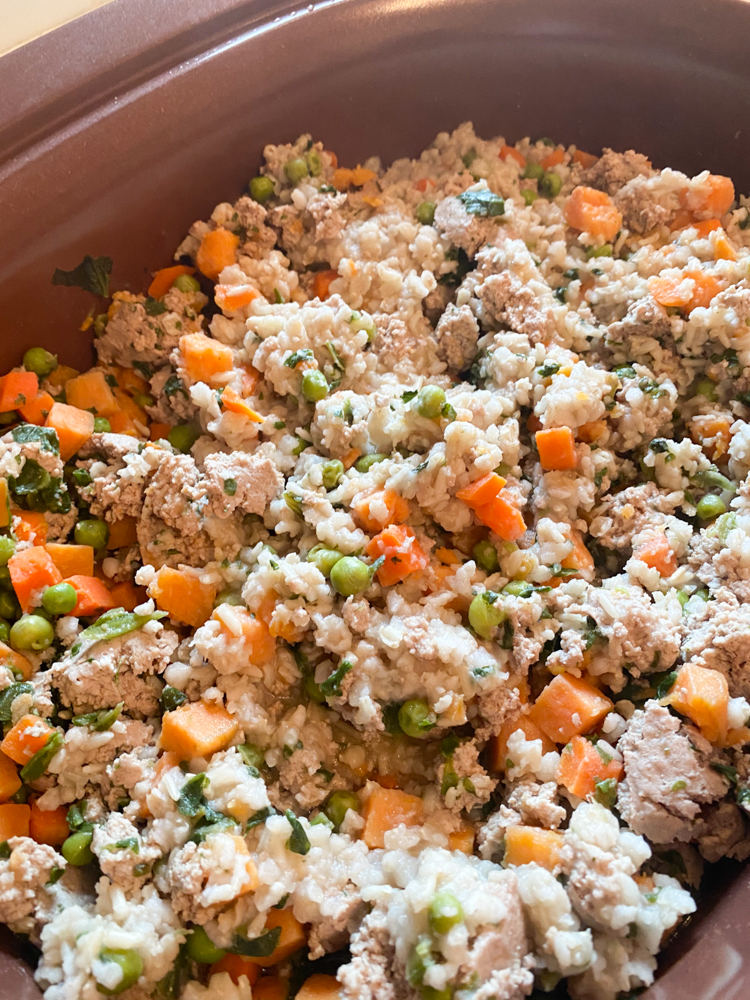
Credit: www.acupfullofsass.com
Preparing And Storing Dog Food
Preparing and storing homemade dog food properly ensures your pet stays healthy and happy. It helps keep the nutrients intact and prevents spoilage. Careful preparation and correct storage also save time and money. Follow simple steps to keep every meal fresh and safe for your dog.
Cooking Tips
- Use fresh, high-quality ingredients for better nutrition.
- Cook meats thoroughly to kill harmful bacteria.
- Steam or boil vegetables to soften them and improve digestion.
- Avoid adding salt, spices, or seasoning to keep food safe.
- Cool food completely before serving or storing.
Portioning And Storage
Divide the cooked food into daily portions for easy feeding. Use airtight containers or freezer bags to keep food fresh. Label each container with the date to track freshness. Store portions in the refrigerator if you plan to use them within a few days.
Freeze extra portions to extend shelf life. Thaw frozen food in the refrigerator overnight before serving. Avoid refreezing thawed food to prevent nutrient loss.
Shelf Life And Freshness
| Storage Type | Recommended Shelf Life |
|---|---|
| Refrigerator | 2-3 days |
| Freezer | 2-3 months |
Check stored food for smell, texture, and color before feeding. Discard any food that looks or smells off. Fresh dog food ensures your pet enjoys every meal and stays healthy.
Customizing Recipes For Your Dog
Customizing homemade dog food recipes helps meet your dog’s unique needs. Each dog differs in age, size, health, and taste. Tailoring meals ensures better nutrition and enjoyment. Careful adjustments can support your dog’s well-being and happiness.
Adjusting For Age And Size
Puppies need more protein and calories for growth. Senior dogs benefit from fewer calories and joint-supporting ingredients. Small dogs eat smaller portions with nutrient-dense foods. Large dogs require more volume and balanced nutrients to maintain energy.
Addressing Health Conditions
Dogs with allergies need limited ingredients to avoid reactions. Dogs with kidney issues require low-protein meals. Weight management calls for controlled calories and fiber-rich foods. Always consult a vet before changing diets for health concerns.
Flavor Enhancements
Adding natural herbs like parsley can freshen breath. A splash of low-sodium broth makes meals more appealing. Mixing in cooked vegetables adds variety and nutrients. Rotate flavors to keep your dog excited about mealtime.
Consulting Your Veterinarian
Consulting your veterinarian is a key step before preparing homemade dog food. Vets understand your dog’s unique health needs and can guide you safely. They help avoid nutritional gaps or harmful ingredients. Their advice ensures your dog gets balanced meals for a healthy life.
Dietary Recommendations
Your veterinarian can suggest the right nutrients for your dog’s breed, age, and health. They may recommend specific protein sources or limit certain foods. Balanced meals include proteins, fats, carbohydrates, vitamins, and minerals. Your vet might suggest supplements to fill any nutritional gaps.
Monitoring Health Changes
Watch your dog’s health closely after changing their diet. Your vet can help track weight, energy levels, and coat condition. Report any signs of allergies, digestive issues, or unusual behavior. Regular check-ups allow timely adjustments to the homemade food plan.
Frequently Asked Questions
What Ingredients Are Best For Homemade Dog Food?
High-quality protein like chicken or beef is essential. Add vegetables such as carrots and peas for vitamins. Include rice or oats for carbohydrates. Avoid harmful foods like onions, garlic, and chocolate.
How Do I Balance Nutrients In Homemade Dog Food?
Combine proteins, carbs, and fats in proper ratios. Include vitamins and minerals through vegetables and supplements. Consult a vet to ensure your recipe meets your dog’s specific nutritional needs.
Can Homemade Dog Food Improve My Dog’s Health?
Yes, homemade food can enhance digestion and coat health. It allows control over ingredients and avoids preservatives. Always ensure balanced nutrition to avoid deficiencies.
How Much Homemade Dog Food Should I Feed Daily?
Feed based on your dog’s weight, age, and activity level. Typically, 2-3% of body weight per day is recommended. Adjust portions gradually and monitor your dog’s weight and energy.
Conclusion
Homemade dog food can be healthy and tasty. Use fresh ingredients your dog likes. Balance protein, vegetables, and grains for good nutrition. Always check with your vet before changing meals. Simple recipes help keep your dog happy and strong. Cooking at home shows love and care.
Try different recipes to find the best fit. Your dog deserves the best food every day.