
Are you wondering if a grain-free diet is the best choice for your dog? With so many options on the market, it’s easy to feel confused about what’s truly healthy for your furry friend.
You want to give your dog the best nutrition, but is cutting out grains really the answer? This article will help you understand the facts, clear up common myths, and guide you to make the right decision for your dog’s health and happiness.
Keep reading to discover what a grain-free diet really means and if it’s the perfect fit for your pet.

Credit: www.vetsupply.com.au
Grain Free Diet Basics
A grain free diet for dogs means feeding food without grains like wheat, corn, or rice. Many dog owners choose this diet to avoid allergies or digestive problems. Some believe grains cause health issues for dogs. Others think dogs do better with more protein and fewer carbohydrates. Understanding the basics helps decide if grain free is right for your dog.
What Is Grain Free Dog Food
Grain free dog food does not contain common grains such as barley, oats, or corn. Instead, it uses other sources of carbohydrates. These diets often focus on meat, vegetables, and fruits. They aim to provide balanced nutrition without grains. Some dogs need grain free food due to allergies. Others may just prefer it as part of a healthier lifestyle.
Common Ingredients In Grain Free Diets
Grain free diets use alternative ingredients to replace grains. These include:
- Potatoes and sweet potatoes
- Pea protein and lentils
- Chickpeas and other legumes
- Vegetables like pumpkin and carrots
- High-quality meats such as chicken, beef, or fish
These ingredients provide energy, protein, and fiber. Grain free foods aim to keep dogs healthy and active.
Reasons Owners Choose Grain Free
Many dog owners are turning to grain-free diets. This choice is often driven by concerns for their pet’s health and well-being. Understanding the reasons behind this trend can help you decide if it’s right for your dog.
Allergies And Sensitivities
Some dogs have allergies or sensitivities to grains. These can lead to itching, skin rashes, or ear infections. Grain-free diets often alleviate these issues. Owners notice improvements in their dogs’ coats and overall comfort.
Digestive Health Claims
Grain-free diets are believed to aid digestion. Many owners report fewer stomach issues in their pets. Dogs with sensitive stomachs might benefit from a grain-free option. These diets often contain alternative carbohydrates like sweet potatoes.
Potential Benefits For Dogs
Choosing a grain-free diet for your dog might bring noticeable improvements in their health. Many dog owners have observed positive changes after switching, but what exactly could your dog gain? Understanding the potential benefits can help you decide if this diet fits your pet’s needs.
Improved Skin And Coat
Your dog’s skin and coat can tell a lot about their diet. Grain-free options often reduce exposure to common allergens found in grains, which may cause itching or redness.
Dogs with sensitive skin might find relief, showing less scratching and fewer flare-ups. Some owners notice their dog’s fur becomes shinier and softer within weeks of changing the diet.
Have you seen your dog scratch more after meals? This could be a sign to try a grain-free food and watch for improvements.
Better Digestion And Energy
Grain-free diets often replace grains with other carbohydrate sources like sweet potatoes or peas. These can be easier for some dogs to digest, leading to less stomach upset.
After switching, you might see your dog have firmer stools and less gas, which means their tummy is happier. Improved digestion also means your dog can better absorb nutrients, boosting their overall energy.
Does your dog seem sluggish after meals? A diet change might help them feel more lively and active throughout the day.
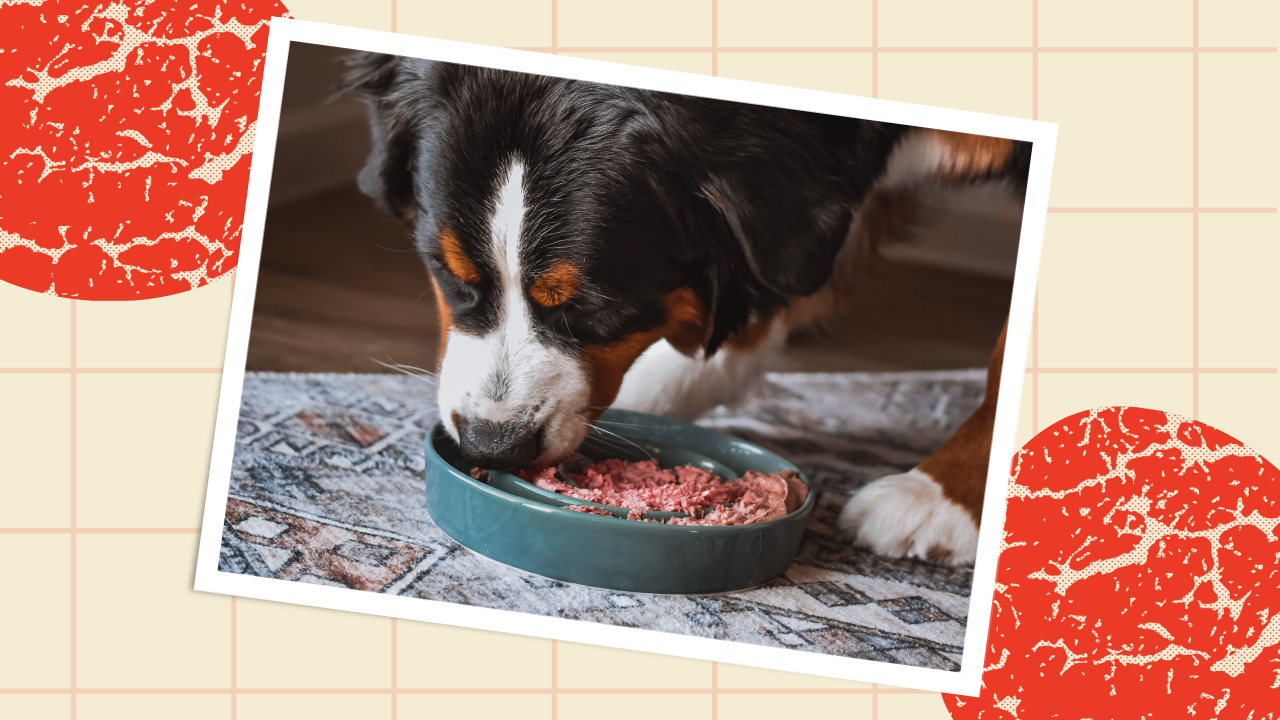
Credit: wefeedraw.com
Concerns And Risks
Choosing a grain free diet for your dog might seem like a healthy choice, but it’s important to understand the concerns and risks involved. Not every grain free food is created equal, and some can lead to serious health problems if not carefully balanced. Before switching your dog’s diet, consider the potential nutritional gaps and health issues that might arise.
Nutritional Imbalances
Grains provide essential nutrients like fiber, vitamins, and minerals that support your dog’s overall health. When you remove grains, you must ensure these nutrients come from other sources. Otherwise, your dog could face deficiencies that affect digestion, energy levels, and immune function.
Many grain free diets rely heavily on ingredients like peas, lentils, or potatoes to replace grains. These can be high in carbohydrates but low in some key nutrients dogs need. Have you checked the ingredient list and nutritional content carefully? Your dog’s diet should be complete and balanced, not just grain free.
Dilated Cardiomyopathy (dcm) Links
There have been reports connecting certain grain free diets to a serious heart condition called Dilated Cardiomyopathy (DCM). This disease weakens the heart muscle and can be life-threatening. The exact cause is still under investigation, but some vets suspect diets high in legumes and potatoes might play a role.
If your dog is on a grain free diet, especially one heavy in peas or lentils, talk to your vet about monitoring heart health. You might need to consider alternative diets or supplements to reduce risk. Could your choice of dog food be putting your pet’s heart at risk? It’s worth a serious look.
Expert Opinions
Experts have varied views on grain free diets for dogs. Understanding their opinions helps pet owners make smart choices. Veterinarians and nutritionists evaluate dog health and diet closely. Their insights focus on safety, nutrition, and long-term effects.
Veterinarians’ Perspectives
Many veterinarians see grain free diets as useful for dogs with allergies. They note that some dogs react poorly to grains. Grain free foods can reduce itching and digestive issues in such cases.
Veterinarians warn that grain free diets are not always necessary. Some dogs thrive on regular diets with grains. They advise pet owners to watch for signs of food intolerance before switching diets.
Concerns exist about links between grain free diets and heart problems. The FDA is investigating possible connections to canine dilated cardiomyopathy. Vets recommend consulting before changing a dog’s food to grain free options.
Nutritionists’ Recommendations
Nutritionists stress the importance of balanced nutrients in dog food. They explain grains provide essential vitamins, fiber, and energy. Removing grains requires careful replacement of these nutrients.
They suggest grain free diets for dogs with diagnosed grain allergies only. Nutritionists advise checking ingredient lists to ensure complete nutrition. Protein, fats, and carbohydrates must remain balanced for dog health.
Experts highlight that not all grain free diets are equal. Some use potatoes or legumes as grain substitutes. Nutritionists recommend variety and quality in ingredients over grain content alone.
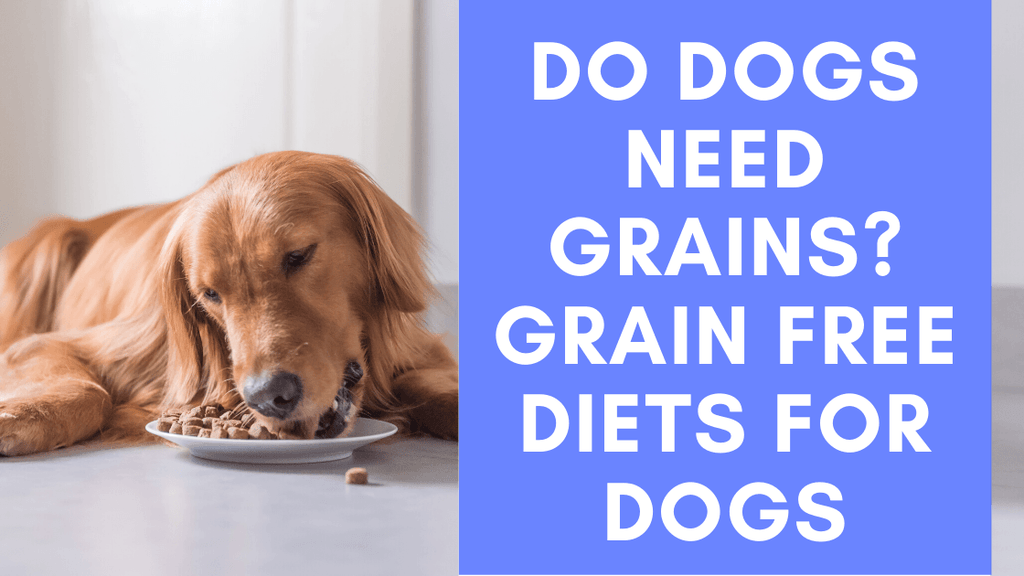
Credit: www.monsterk9.com
When To Consider Grain Free
Deciding whether to switch your dog to a grain free diet isn’t always straightforward. It’s important to know when this change might actually benefit your furry friend. Sometimes, a grain free diet can help manage specific health issues, but it’s not automatically the best choice for every dog.
Diagnosed Food Allergies
If your dog has diagnosed food allergies, a grain free diet might be worth considering. Many dogs react to certain grains like wheat, corn, or soy, which can cause itching, digestive upset, or ear infections. Removing grains can reduce these symptoms and improve your dog’s comfort.
However, not all allergies are related to grains. Your dog might be allergic to other ingredients like beef or dairy. That’s why identifying the exact allergen through testing or an elimination diet is crucial before making changes.
Veterinary Guidance
Your veterinarian’s advice is key when thinking about a grain free diet. They can help determine if grains are causing your dog’s issues or if another problem is at play. A vet can also suggest balanced grain free options to ensure your dog still gets all the necessary nutrients.
Switching diets without professional input can lead to nutritional gaps or worsen health problems. Have you discussed your dog’s symptoms and diet with a vet? Getting that expert opinion can save you time and keep your dog healthy.
Alternatives To Grain Free Diets
Some dogs need diets other than grain free for better health. These alternatives can meet your dog’s needs without removing grains entirely. They often focus on reducing allergens or simplifying ingredients. Choosing the right diet helps avoid nutritional gaps and supports digestion.
Limited Ingredient Diets
Limited ingredient diets use fewer components to reduce allergies. They often contain one protein and one carbohydrate source. This makes it easier to spot food sensitivities. These diets can include grains like rice or oats, which are easier to digest.
Benefits of limited ingredient diets include:
- Lower risk of allergic reactions
- Simple recipes for sensitive stomachs
- Balanced nutrition with essential vitamins
Hypoallergenic Options
Hypoallergenic dog foods are designed to avoid common allergens. They use novel proteins such as duck or venison. These foods often contain hydrolyzed proteins, which are easier to digest.
Hypoallergenic diets help dogs with:
- Severe food allergies
- Chronic skin problems
- Digestive issues linked to certain ingredients
Choosing The Right Dog Food
Choosing the right dog food can feel overwhelming with so many options on the market. You want to make sure your dog gets the right nutrients without unnecessary fillers or ingredients that might upset their stomach. Paying close attention to what goes into the bag can make all the difference for your furry friend’s health and happiness.
Reading Labels Effectively
Labels hold the key to understanding what your dog is really eating. Look beyond marketing claims like “grain-free” or “natural” and focus on the ingredient list. Ingredients are listed by weight, so the first few items tell you the main components.
Check for named proteins like “chicken” or “beef” rather than vague terms like “meat by-products.” Avoid foods with excessive fillers such as corn or wheat, especially if your dog has sensitivities. Keep an eye out for artificial additives and preservatives—they add nothing good to your dog’s diet.
Have you noticed how some brands list multiple grains or starches? That could mean less protein and more carbs. Try to pick a food where protein sources dominate the top of the list. This approach will help you avoid hidden ingredients that might cause allergies or digestive issues.
Balancing Nutritional Needs
Dogs need a balance of protein, fats, carbohydrates, vitamins, and minerals to thrive. Grain-free diets can be great for some dogs, especially those with allergies or intolerances, but they’re not a one-size-fits-all solution.
Think about your dog’s age, activity level, and health conditions. Puppies and active dogs often need higher protein and fat levels, while older or less active dogs might benefit from a different balance. Don’t hesitate to ask your vet which nutrients your dog specifically needs.
Remember, some grain-free foods replace grains with other carbohydrate sources like potatoes or peas. Check if those ingredients suit your dog’s digestion. You want a diet that supports energy, maintains a healthy weight, and keeps your dog’s coat shiny and skin healthy.
Frequently Asked Questions
What Are The Benefits Of A Grain Free Diet For Dogs?
A grain free diet can reduce allergies and improve digestion in some dogs. It often contains more protein and fewer fillers, supporting better energy and coat health. However, benefits vary by individual dog needs and health conditions.
Are Grain Free Diets Safe For All Dogs?
Grain free diets are generally safe but not ideal for every dog. Some dogs digest grains well and get essential nutrients from them. Always consult a vet before switching to grain free to ensure it suits your dog’s health.
Can Grain Free Diets Help Dogs With Allergies?
Yes, grain free diets often help dogs with grain-related allergies. Removing grains can reduce itching, skin issues, and digestive problems. However, allergies can also stem from other ingredients, so proper diagnosis is important.
How To Choose The Best Grain Free Dog Food?
Look for high-quality protein sources, balanced nutrients, and no artificial additives. Check for AAFCO approval and vet recommendations. Read labels carefully to ensure the diet meets your dog’s specific needs and health goals.
Conclusion
Choosing the right diet for your dog depends on their health needs. Grain free diets may help some dogs with allergies. Yet, not all dogs need to avoid grains. Always check with your vet before changing food. Watch your dog’s reaction to new diets closely.
Balanced nutrition matters most for a happy, healthy pet. Remember, each dog is different. Careful choices lead to a strong, energetic dog. Keep your dog’s well-being your top priority.