
Does your dog growl or snap when someone comes near their toys or food? If so, you’re not alone—and it’s something you can change.
A possessive dog can make everyday moments stressful for you and your family. But with the right approach, you can help your dog feel safe and relaxed, even around their favorite things. In this guide, you’ll discover simple, effective steps to train your possessive dog and build a happier, more trusting bond.
Keep reading to transform your dog’s behavior and enjoy peaceful moments together.
Recognizing Possessive Behavior
Recognizing possessive behavior in your dog is the first step toward effective training. Understanding what possessiveness looks like helps you address the issue before it escalates. It also creates a safer and more comfortable environment for both you and your pet.
Common Signs Of Possessiveness
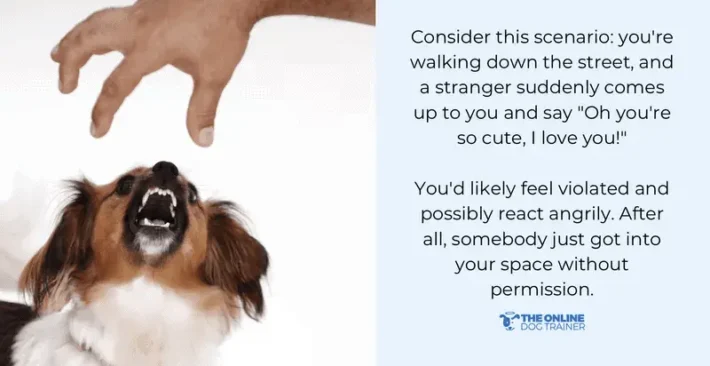
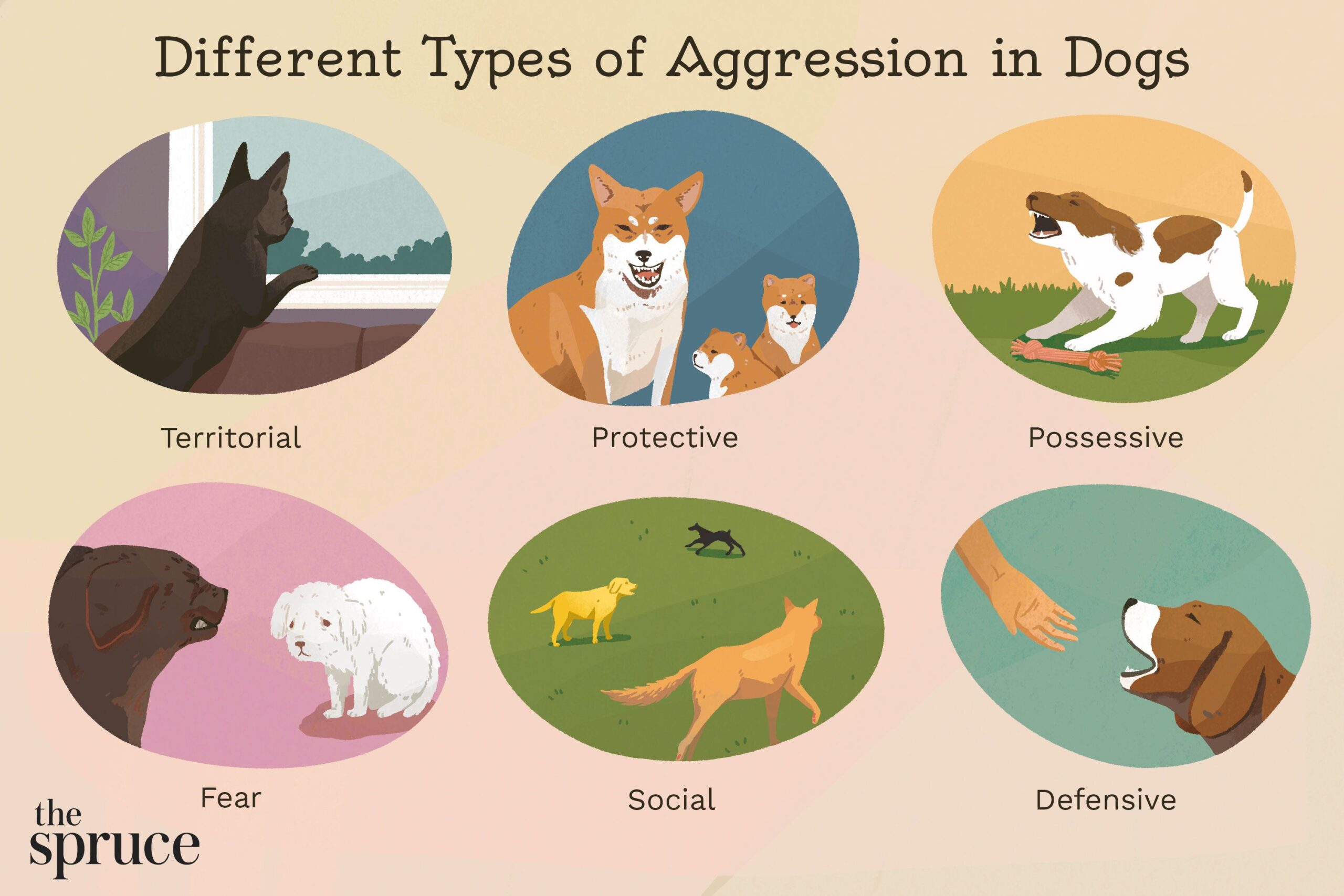
Dogs show possessiveness in various ways, and these signs can be subtle or obvious. You might notice your dog growling or snapping when someone approaches their food bowl or favorite toy. Some dogs even stiffen their body or guard their space with an intense stare.
- Growling or barking when someone gets close to their belongings
- Snapping or lunging to protect toys, food, or resting spots
- Stiff body posture and direct eye contact to warn others away
- Refusing to drop or share items when asked
- Becoming anxious or defensive if you try to take something from them
Noticing these signs early can help you intervene calmly and avoid conflict. Have you ever seen your dog freeze or stiffen when you reach for their bone? That’s a clear indication of possessive behavior that needs gentle correction.
Why Dogs Become Possessive
Possessiveness often comes from a dog’s natural instinct to protect valuable resources. This behavior can develop from fear of losing food, toys, or attention. Dogs that experienced scarcity or competition before can be especially prone to guarding their possessions.
Sometimes, possessiveness is a way for your dog to feel secure in their environment. If you’ve noticed your dog guarding items more after changes in the household, it might be their way of coping. Understanding these reasons gives you clues on how to help your dog feel safe without needing to guard.
Have you thought about what might be triggering your dog’s possessiveness? Pinpointing the cause can guide you in choosing the right training approach that respects your dog’s feelings while setting clear boundaries.
Credit: suburban-k9.com
Setting Clear Boundaries
Setting clear boundaries is essential for training a possessive dog. Dogs need to understand what behavior is acceptable and what is not. Boundaries create a safe space for both the dog and the owner. This helps reduce possessiveness by teaching the dog respect and limits.
Establishing Rules At Home
Start by deciding the rules your dog must follow. These rules should cover areas like furniture access, food, toys, and human interaction. Make sure everyone in the household agrees on the rules. Consistency from all family members is key to avoid confusing the dog.
For example, if the dog is not allowed on the couch, do not let it sit there sometimes. The dog learns through repeated actions. Clear rules help the dog know what to expect. This reduces anxiety and possessive behavior.
Consistent Commands And Signals
Use simple commands that the dog can easily understand. Words like “leave it,” “drop,” or “off” work well. Pair commands with clear hand signals. Dogs respond better to consistent cues.
Practice commands regularly in different situations. Praise the dog when it follows commands correctly. Avoid changing commands or signals often. Mixed signals confuse the dog and slow training progress.
Consistency builds trust. The dog learns to obey and respect the boundaries set by the owner. This decreases possessive actions over toys, food, or attention.
Building Trust And Confidence
Building trust with a possessive dog helps reduce their fear and protectiveness. Confidence grows through calm, consistent training and positive interactions. This creates a safe bond where your dog feels secure and less likely to guard aggressively.
Building trust and confidence in your possessive dog is crucial for a harmonious relationship. Dogs, like humans, need to feel secure and valued. By fostering a supportive environment, you can help your dog overcome possessiveness and thrive.Positive Reinforcement Techniques
Positive reinforcement is a powerful tool in training a possessive dog. Reward your dog with treats, praise, or playtime when they show desired behavior. This encourages them to repeat the behavior in the future. Consider using a clicker, which provides a consistent and clear signal to your dog. The clicker marks the exact moment your dog performs the desired action. This immediate feedback, combined with a reward, enhances learning. Remember, patience is key. Your dog may not change overnight, but consistent reinforcement will yield results. How will you reward your dog today for their good behavior?Creating Safe Spaces For Your Dog
A safe space is essential for a possessive dog. It allows them to retreat and relax when feeling overwhelmed. This space should be comfortable and free from disturbances. Place their favorite bed or blanket in this area. Ensure they have access to water and a few toys. This encourages them to associate the space with positive experiences. Observe how your dog uses this space. Does it help them feel more secure? Providing a safe haven can significantly reduce possessive behaviors, enhancing your dog’s overall well-being.
Credit: www.dwdogtraining.com
Training Exercises To Reduce Possessiveness
Training exercises help your dog feel safe and less protective. These drills teach sharing and calm behavior around valued items. Regular practice builds trust and reduces tension. Start with simple activities and keep sessions short. Patience and consistency improve results over time.
Resource Sharing Drills
Resource sharing drills show your dog that sharing is safe. Begin by offering a treat near the dog’s favorite toy. Reward calm behavior with praise and treats. Gently take the toy for a moment, then return it. Repeat this step to build trust.
Use different items like food bowls or bedding. Encourage your dog to allow others near these objects. Avoid forcing the dog, and stop if signs of stress appear. These drills teach your dog that people will not take things away forever.
Impulse Control Practices
Impulse control exercises help your dog wait calmly. Teach your dog to sit and stay before receiving a treat. Increase the waiting time gradually. This builds patience and reduces possessive reactions.
Play “leave it” games to stop your dog from grabbing things fast. Use clear commands and reward your dog for obeying. These practices improve self-control and lower guarding behavior.
Managing Possessive Episodes
Managing possessive episodes in dogs requires patience and clear techniques. These episodes can cause stress for both the dog and owner. Understanding how to handle these moments calmly helps reduce tension and prevents escalation.
Recognizing signs early can stop a possessive episode from becoming a bigger problem. Calm responses show your dog that you are in control and that aggression is unnecessary. This section covers ways to calm your dog during conflicts and when to get expert help.
Calming Strategies During Conflicts
Stay calm and avoid sudden movements. Speak in a soft, soothing voice to comfort your dog. Avoid direct eye contact as it may seem threatening.
Use distraction techniques like offering a toy or treat to shift your dog’s focus. Slowly remove yourself from the area if your dog remains tense. Give your dog space to relax before trying to interact again.
- Take deep breaths to remain steady
- Keep body language relaxed and non-threatening
- Redirect attention gently with favorite items
- Allow time for your dog to calm down
When To Seek Professional Help
Seek help if possessive behavior worsens or becomes dangerous. Professional trainers or behaviorists can assess your dog’s needs. Early intervention stops problems from growing and keeps everyone safe.
Look for signs like biting, stiff body posture, or growling that lasts longer than usual. A skilled expert can provide tailored advice and training plans. Do not wait until the situation feels out of control.

Credit: www.dwdogtraining.com
Maintaining Long-term Control
Maintaining long-term control over a possessive dog ensures safety for everyone. Consistent effort keeps your dog calm and well-behaved. It builds trust between you and your pet. Avoid letting possessiveness grow unchecked over time.
Regular Training Routines
Set daily training sessions to reinforce good behavior. Short, frequent practices work best for dogs. Use simple commands like “leave it” and “drop.” Reward calm behavior with treats or praise. Keep sessions fun to hold your dog’s interest. Consistency helps your dog remember and obey rules.
Monitoring Behavior Changes
Watch for signs of growing possessiveness or anxiety. Changes in eating, barking, or guarding can signal problems. Note any new triggers or situations that cause guarding. Early detection helps prevent serious issues. Keep a journal of behavior patterns for reference. Adjust training techniques based on your dog’s progress.
Frequently Asked Questions
How Can I Identify Possessive Behavior In Dogs?
Possessive dogs often guard food, toys, or spaces aggressively. Signs include growling, snapping, or stiff body language. Recognizing these early helps prevent escalation and guides proper training techniques to manage this behavior effectively.
What Are Effective Training Methods For Possessive Dogs?
Use positive reinforcement to reward sharing and calm behavior. Teach commands like “leave it” and “drop it. ” Gradually desensitize your dog to triggers by controlled exposure, ensuring consistency and patience throughout the training process.
Can Socialization Reduce Possessiveness In Dogs?
Yes, socialization helps dogs feel secure and less protective. Introducing your dog to new people and pets gradually builds confidence. This reduces anxiety-driven possessiveness and promotes healthier interactions.
When Should I Seek Professional Help For Possessive Dogs?
Seek help if possessive behavior escalates to frequent aggression or biting. Professional trainers or behaviorists can design tailored strategies. Early intervention prevents dangerous situations and improves your dog’s quality of life.
Conclusion
Training a possessive dog takes time and patience. Stay calm and consistent in your approach. Reward good behavior to build trust and respect. Set clear boundaries to help your dog feel safe. Practice daily exercises to reduce possessiveness. Small steps lead to big changes.
Remember, your dog wants to feel secure and loved. Keep learning and adapting your training methods. A well-trained dog makes life happier for both of you. Trust the process and enjoy the journey together.