
Are you wondering when it’s the right time to switch your puppy from puppy food to adult dog food? It’s a question every dog owner faces, and getting it right can make a big difference in your furry friend’s health and happiness.
Feeding your puppy the wrong food at the wrong age can affect their growth, energy, and overall well-being. You’ll discover the exact age to make the switch and why timing matters so much. Keep reading to learn how to give your dog the best nutrition at every stage of life.
Credit: www.houndsy.com
When To Switch Puppy Food
Knowing when to switch your puppy from puppy food to adult dog food is important for their health. Puppies grow fast and need extra nutrients early on. At a certain age, their growth slows, and adult food better suits their needs. Changing food at the right time helps maintain their energy and supports a healthy weight.
Key Growth Stages
Puppies go through rapid growth in their first months. This stage needs food rich in protein and calories. After this fast growth, their body slows down. Usually, by 9 to 12 months, puppies reach adult size. At this point, their nutritional needs change. Adult dog food has fewer calories and different nutrients.
Signs Your Puppy Is Ready
- Your puppy’s growth has slowed or stopped.
- They have reached their adult weight or size.
- Your vet says their bone growth is complete.
- Your puppy’s energy levels are steady, not hyperactive.
- They show no digestive problems with current food.
These signs help decide the right time to switch food safely.
Breed Size Considerations
Small and large breeds grow at different rates. Small breeds often mature faster, around 9 months. Large breeds may need puppy food longer, up to 12-18 months. Large breed puppies need special food to protect joint health. Switching too early or late can cause problems. Always consider your dog’s breed size when planning the switch.
Risks Of Early Transition
Switching your puppy to adult dog food too soon can lead to several health risks. Puppies have very specific nutritional needs that differ from adult dogs. Ignoring these needs can cause issues that affect their growth and overall well-being.
Nutritional Deficiencies
Puppy food contains higher levels of protein, fat, and essential nutrients to support rapid growth. Adult dog food usually lacks these critical elements. If you feed your puppy adult food early, they might miss out on vitamins and minerals needed for healthy development.
Think about your own diet—would you eat the same meals for a growth spurt as you would once fully grown? Puppies are no different; their bodies demand more fuel during early stages.
Digestive Issues
Puppies have sensitive digestive systems that are still developing. Adult dog food can be harder for them to digest, leading to upset stomachs, diarrhea, or constipation. These problems can make your puppy uncomfortable and affect how they absorb nutrients.
One dog owner shared how their puppy suffered frequent tummy troubles after switching too early to adult food. The vet recommended going back to puppy food, which quickly resolved the issues.
Growth Problems
Proper nutrition is key to a puppy’s bone and muscle development. Feeding adult food too early may stunt their growth or cause skeletal problems. This can lead to long-term health complications like joint pain or weak bones.
Ask yourself: Are you willing to risk your puppy’s future mobility for the convenience of switching food earlier? Staying patient with the right diet ensures your dog grows strong and healthy.
Choosing The Right Adult Food
Puppies usually switch to adult dog food around one year old. This change supports their slower growth and energy needs. Choosing the right time helps keep your dog healthy and happy.
Choosing the right adult food for your puppy is crucial. It ensures they get the nutrients needed for healthy growth. Transitioning from puppy food to adult dog food should be gradual. This helps prevent digestive issues and ensures your pet adapts smoothly.Nutrient Requirements
Puppies have different nutrient needs than adult dogs. Adult dog food should have balanced vitamins and minerals. Check the food label for essential nutrients. Calcium and phosphorus are vital for bone health. Antioxidants support a strong immune system.Protein And Fat Levels
Protein is essential for muscle development. Adult dog food should have adequate protein levels. Look for foods with high-quality protein sources. Fat is crucial for energy. Ensure the food has balanced fat levels. This supports an active lifestyle.Special Diets For Health Conditions
Some dogs have specific health needs. Special diets can help manage these conditions. Look for foods designed for allergies or sensitive stomachs. Joint health formulas can aid older dogs. Consult your vet for personalized diet advice.
Credit: forthglade.com
How To Transition Smoothly
Switching your puppy from puppy food to adult dog food is a delicate process that needs care and attention. A smooth transition helps avoid digestive upset and ensures your dog continues to get the right nutrients. Paying close attention to how your dog responds will make this change easier for both of you.
Gradual Mixing Method
Start by mixing a small amount of adult food into your puppy’s current diet. Try a 25% adult food to 75% puppy food ratio for a few days. Then, slowly increase the adult food portion while decreasing the puppy food over 7 to 10 days.
This slow change helps your dog’s stomach adjust without causing discomfort. Have you noticed how sudden food changes can upset your dog’s digestion? This method reduces that risk significantly.
Monitoring Your Dog’s Reaction
Keep an eye on your dog’s stool, energy levels, and appetite during the transition. Loose stools or vomiting are signs that you might be moving too fast. If you notice any of these, slow down the transition pace.
Watch for positive signs too—steady energy and interest in food mean your dog is adapting well. Your dog’s behavior is the best indicator of how well the new food suits them.
Adjusting Portions
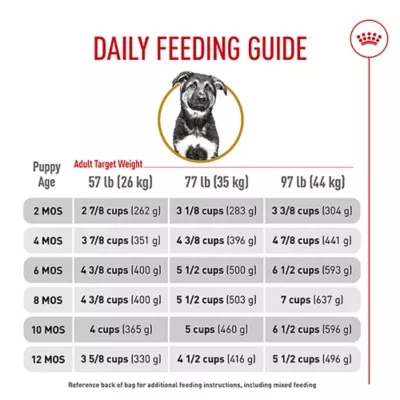
Adult dog food often has different calorie levels compared to puppy food. Make sure to adjust the portions according to your dog’s size, activity level, and metabolism. Overfeeding can lead to weight gain, while underfeeding can cause nutrient gaps.
Use the feeding guidelines on the food package as a starting point, but be ready to tweak amounts based on your dog’s needs. Have you weighed your dog recently to check if their feeding portions match their growth?
Expert Tips For Feeding Schedule
Adjusting your puppy’s feeding schedule as they grow is crucial for their health and happiness. Timing, portion sizes, and hydration all shift when transitioning from puppy to adult dog food. Paying attention to these details helps avoid digestive upset and supports steady growth.
Meal Frequency Changes
Puppies typically eat three to four meals a day, but as they approach adulthood, you should reduce this to two meals daily. This change helps prevent overeating and supports better digestion. Have you noticed how your puppy’s energy peaks and dips? Matching meal times to their activity can keep their energy balanced.
Portion Control
Portion sizes matter more than you might think. Overfeeding can lead to weight gain, while underfeeding may stunt growth. Use your dog food package guidelines as a starting point, but adjust portions based on your dog’s weight, breed, and activity level. Weighing food instead of guessing can save you from common feeding mistakes.
Hydration Importance
Water is often overlooked but is essential, especially during food transitions. Make sure fresh water is always available to your dog, especially when switching to adult food which can be denser and less moist. Have you ever seen your dog hesitate to drink? Try placing multiple water bowls around the house to encourage more sipping throughout the day.
Common Myths About Dog Food Transition
Transitioning a puppy from puppy food to adult dog food often causes confusion. Many myths surround the right age and process for this change. These myths can lead to feeding mistakes that affect your dog’s health. Understanding the facts helps you make better choices for your pet.
Myth Vs. Reality
One common myth is that all puppies should switch to adult food exactly at one year. Reality shows that the right time varies by breed and size. Small breeds may switch around 9 to 12 months. Large breeds often need puppy food longer, sometimes up to 18 months.
Another myth is that adult dog food has fewer nutrients. Adult food has different nutrient levels suited for mature dogs. Puppy food contains extra calories and protein for growth, which adult dogs do not need.
Avoiding Misinformation
Many dog owners trust advice from unreliable sources. Not all information online or from friends is accurate. Always check facts with a vet or trusted pet nutrition expert.
Watch out for dramatic claims about switching food abruptly or delaying it too long. A slow, gradual change over 7 to 10 days helps prevent stomach upset.
- Introduce adult food slowly by mixing it with puppy food.
- Increase adult food amount while decreasing puppy food each day.
- Observe your dog’s health and energy during the transition.
Credit: dogsauce.co
Frequently Asked Questions
When Should I Switch My Puppy To Adult Dog Food?
Switch your puppy to adult dog food at about 12 months old. Large breeds may need more time, around 18-24 months. Consult your vet for breed-specific recommendations.
Why Not Feed Adult Food To Puppies Early?
Adult dog food lacks essential nutrients puppies need for growth. Feeding adult food too soon can cause deficiencies and stunted development. Puppy food supports healthy bones and energy levels.
Can Feeding Adult Food Early Harm My Puppy?
Yes, feeding adult food early may cause nutritional imbalances. It can lead to poor growth and health issues. Always follow age-appropriate feeding guidelines to ensure your puppy’s well-being.
How To Transition From Puppy To Adult Dog Food?
Gradually mix adult food with puppy food over 7-10 days. Increase adult food portion each day to avoid digestive upset. Monitor your dog’s reaction during the transition.
Conclusion
Feeding your puppy adult dog food at the right age is important. Usually, switching happens between 9 and 12 months. Watch your dog’s size and energy to decide the best time. Adult food helps keep your dog healthy and strong.
Always choose good quality dog food for the switch. Give your pet plenty of fresh water and love. Careful feeding helps your dog live a long, happy life. Trust your instincts and enjoy each stage together.