
Are you wondering when your adorable Toy Poodle should switch from puppy food to adult dog food? It’s a question many dog owners face, and getting it right is crucial for your furry friend’s health.
Feeding your Toy Poodle the right food at the right time helps them grow strong, stay active, and avoid health problems later on. You’ll discover clear signs and expert tips to know exactly when it’s time to make that important change.
Keep reading to ensure your little companion gets the best nutrition every step of the way.
Credit: www.petco.com
Signs Your Toy Poodle Is Ready
Recognizing when your Toy Poodle is ready for adult dog food is important for their health. Several signs can help you decide the right time to switch. These signs include age, weight, size, and behavior changes. Watch your dog closely to make a smooth transition.
Age Milestones
Toy Poodles usually switch to adult food between 9 to 12 months old. Small breeds mature faster than large breeds. By this age, their growth slows down. Puppy food is rich in calories and nutrients for growth. After this stage, adult food suits their needs better.
Weight And Size Changes
Check if your Toy Poodle has reached close to full size. Most weigh between 4 to 7 pounds as adults. Growth in height and weight will slow or stop. Too much weight gain on puppy food may signal readiness. Adjust food type to maintain a healthy weight.
Behavioral Indicators
Your Toy Poodle may show less playful energy than before. Appetite may change or become more regular. Chewing habits might increase as teeth mature. They may show interest in new types of food. These behaviors suggest their body needs different nutrition.
Credit: www.petsmart.ca
Differences Between Puppy And Adult Food
Understanding the differences between puppy and adult dog food is key to knowing when your Toy Poodle should switch diets. These two types of food are formulated to meet very different needs. Feeding your pup the right food at the right time supports healthy growth and long-term wellbeing.
Nutritional Needs
Puppies require nutrients that support rapid growth and brain development. Their food contains higher levels of protein and certain fats. Adult dogs, however, need a balanced diet to maintain muscle mass without encouraging excess weight.
When I switched my Toy Poodle from puppy to adult food, I noticed better energy levels and a healthier coat. Have you observed changes in your dog’s behavior or health as it matures?
Calorie Content
Puppy food is calorie-dense to fuel their active and growing bodies. Adult dog food has fewer calories to prevent weight gain as their activity level stabilizes. Overfeeding adult dogs with puppy food can lead to obesity and joint issues.
Keep an eye on your dog’s weight and energy. Adjust their food accordingly to avoid over or underfeeding during this transition.
Ingredient Variations
Puppy formulas often include ingredients like DHA for brain development and extra calcium for strong bones. Adult dog food focuses on ingredients that support joint health, digestion, and immune function. Some adult formulas also include antioxidants and fiber for overall wellness.
Have you checked the ingredient list on your dog’s food recently? Comparing these can help you choose the best option as your Toy Poodle grows.
Best Timeframes For Transition
Transitioning your Toy Poodle from puppy food to adult dog food is a significant milestone. Knowing the right time to make this switch can impact their health and happiness. Let’s delve into the best timeframes for this important transition.
General Age Guidelines
Typically, Toy Poodles are ready to transition to adult food between 9 to 12 months. Puppy food is rich in calories and nutrients to support growth, which is essential in their early months. As they approach their first birthday, their growth rate slows down, making it the ideal time to switch.
Switching too early can lead to nutritional deficiencies, while waiting too long might result in weight gain. Pay attention to their growth and development to ensure the timing is just right.
Breed-specific Considerations
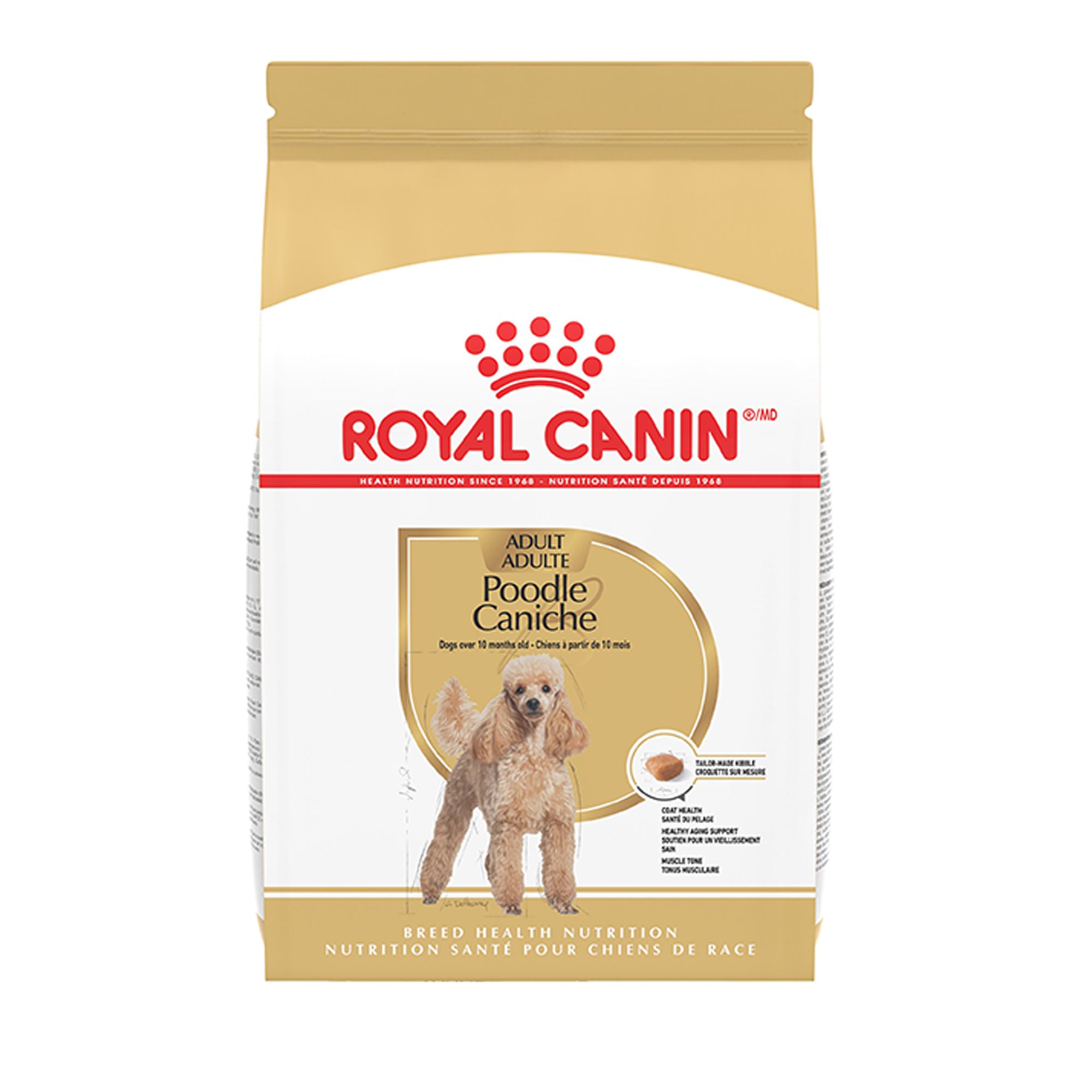
Toy Poodles, with their small size and energetic nature, have unique dietary needs. Their metabolism is faster compared to larger breeds, affecting how and when they should transition to adult food. Smaller kibble sizes in adult food can also accommodate their tiny mouths.
Consider their activity levels as well. A more active Toy Poodle may need a gradual transition to ensure they still receive adequate energy from their diet.
Veterinary Recommendations
Your veterinarian is a valuable resource for guidance on transitioning your Toy Poodle’s diet. They can provide tailored advice based on your dog’s specific health needs and growth patterns. Regular check-ups will help monitor your Poodle’s weight and overall health, ensuring the transition is smooth.
Ask your vet about any concerns you might have regarding allergies or specific dietary requirements. Their expertise can help you make informed decisions about your dog’s nutritional needs.
Credit: www.petsmart.ca
How To Switch Foods Smoothly
Switching your Toy Poodle from puppy to adult dog food requires care. A smooth transition helps avoid stomach upset and ensures your dog enjoys the new food. Take time and watch your pet closely during the change.
Gradual Mixing Process
Start by mixing a small amount of adult food with the puppy food. Slowly increase the adult food over 7 to 10 days. This gentle change helps your poodle’s stomach adjust without stress.
Monitoring For Reactions
Watch for any signs of allergies or digestive issues. Look out for diarrhea, vomiting, or loss of appetite. If problems appear, slow down the transition or consult your vet.
Adjusting Portions
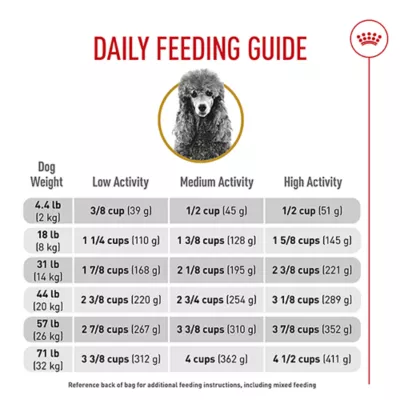
Adult dog food has different nutrients and calories. Adjust portions to match your poodle’s size and activity. Feeding the right amount keeps your dog healthy and energetic.
Common Challenges During Transition
Switching a toy poodle from puppy food to adult dog food can be tricky. Changes in diet may cause some common problems. Knowing these challenges helps you handle them better. Watch your dog closely during this time. Some issues might need a vet’s advice.
Digestive Upsets
Digestive problems often appear during the transition. Your poodle’s stomach might feel upset. Symptoms include diarrhea, vomiting, or gas. The new food may be richer or different in ingredients. Changing food too fast can worsen these issues. Slow changes reduce the risk of upset stomach.
Picky Eating
Tiny toy poodles can be fussy eaters. They might reject the new adult food. This refusal can stress you and your dog. Some dogs prefer certain flavors or textures. Mixing old and new food can help. Patience and consistency encourage better eating habits.
Allergic Responses
Food allergies may show up during the switch. Watch for itching, redness, or swelling. Some dogs react to new proteins or additives. Allergic reactions need quick attention. Stop the new food if these signs appear. Consult your vet for safe alternatives.
Maintaining Optimal Health Post-transition
Switching your Toy Poodle to adult dog food is a big step, but keeping them healthy after the change is just as important. The right care routine supports their growth and helps avoid health issues. Paying close attention to their needs during this phase sets the stage for a long, happy life.
Regular Vet Checkups
Scheduling regular vet visits helps track your Toy Poodle’s health after changing their diet. Your vet can spot early signs of nutritional imbalances or weight changes that you might miss. These checkups also allow you to ask specific questions about any new symptoms or concerns.
Remember when I noticed my poodle was less active? A quick vet visit revealed a minor vitamin deficiency that was easily fixed. Could your dog be showing subtle signs you haven’t recognized yet?
Balanced Diet Tips
Adult dog food is formulated differently from puppy food, so balancing the diet is key. Look for foods rich in protein, healthy fats, and essential vitamins to support your poodle’s energy and coat health. Avoid overfeeding; smaller portions more frequently can prevent weight gain.
- Choose high-quality adult dog food with real meat as the first ingredient.
- Include occasional treats but watch the calorie count.
- Fresh water should always be available.
If you’ve switched foods, keep an eye on digestion and stool quality. Changes here can signal the need for a different formula or gradual transitions.
Exercise And Activity Levels
Adjusting exercise routines is crucial after the dietary shift. Adult Toy Poodles still need daily walks and playtime, but their energy might change as they mature. Monitor their stamina—too much exercise can stress their joints, too little can lead to weight gain.
Think about your dog’s personality and activity preferences. Are they more playful or calm now? Tailoring exercise to their needs keeps them fit and mentally sharp.
When To Seek Professional Advice
Knowing when to ask a vet about switching your Toy Poodle to adult dog food is very important. Sometimes, signs can be subtle but show that your pup needs special care. A professional can give the right advice to keep your dog healthy and happy.
Unusual Weight Changes
Sudden weight gain or loss is a red flag. It may mean your dog is not getting the right nutrients. A vet can check for problems and suggest the best diet.
Persistent Digestive Issues
Ongoing vomiting, diarrhea, or constipation should not be ignored. These symptoms can signal food intolerance or illness. A professional can find the cause and guide you on feeding.
Behavioral Changes
Changes like lethargy, irritability, or loss of appetite matter. They often link to health or diet problems. A vet visit helps identify the issue and plan the right food switch.
Frequently Asked Questions
When Should I Switch My Toy Poodle To Adult Dog Food?
Switch your Toy Poodle to adult dog food at about 12 months old. This age supports their growth completion and maintains health with proper nutrients.
How To Know If My Toy Poodle Is Ready For Adult Food?
Look for signs like steady weight, slowed growth, and adult teeth development. These indicate your Toy Poodle is ready for adult dog food.
What Are The Benefits Of Adult Dog Food For Toy Poodles?
Adult dog food has balanced nutrients for maintenance, supports energy needs, and promotes healthy skin, coat, and digestion in adult Toy Poodles.
Can Feeding Adult Dog Food Too Early Harm My Toy Poodle?
Yes, feeding adult food too early may lead to nutrient deficiencies. Puppies need higher protein and calories for proper growth and development.
Conclusion
Switching your Toy Poodle to adult dog food matters for their health. Typically, this change happens around one year old. Watch for signs like slowed growth or less energy. Choosing the right food supports their digestion and keeps them active.
Always consult your vet to find the best time for your dog. A smooth transition helps avoid stomach upset. Remember, proper nutrition helps your Toy Poodle live a happy, healthy life. Keep their diet balanced and age-appropriate for best results.