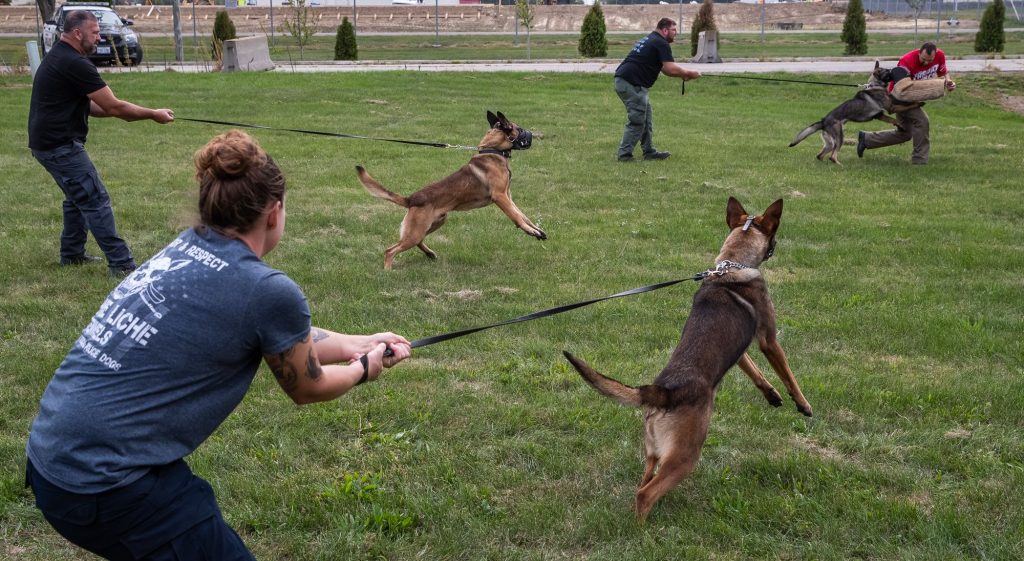

Training a police dog is a serious task that requires patience, skill, and the right approach. If you want to know how to train a police dog effectively, you’re in the right place.
Whether you’re a handler, trainer, or just curious, this guide will show you the key steps to turn an ordinary dog into a reliable partner. By the end, you’ll understand what it takes to build trust, teach commands, and prepare a dog for real-life situations.
Ready to discover the secrets behind successful police dog training? Let’s dive in.

Credit: www.calmshops.co.uk
Selecting The Right Dog
Selecting the right dog is the first step in training a successful police dog. The choice affects the dog’s ability to learn, perform, and stay healthy. Each dog breed has different strengths. The dog’s temperament and health also play key roles. Careful selection ensures a strong and reliable partner for police work.
Breeds Suited For Police Work
Some breeds have traits that make them ideal for police tasks. These dogs are strong, intelligent, and eager to work. Common breeds include:
- German Shepherd
- Belgian Malinois
- Doberman Pinscher
- Rottweiler
- Bloodhound
Each breed has unique skills. German Shepherds and Belgian Malinois excel in obedience and agility. Bloodhounds have an excellent sense of smell for tracking.
Temperament And Traits
The dog’s personality matters a lot. A good police dog must be confident and alert. It should not be overly aggressive or shy. Key traits include:
- Strong focus and concentration
- High energy and endurance
- Trainability and willingness to follow commands
- Calmness under pressure
Temperament tests help find dogs with the right attitude for police work. The dog must stay calm in noisy and busy environments.
Age And Health Considerations
Choosing a dog at the right age improves training success. Puppies between 8 and 12 weeks adapt well to training routines. Avoid dogs with health problems. Common health checks include:
- Hip and elbow evaluations
- Eye exams
- Hearing tests
- General physical health
Healthy dogs learn faster and work longer. Regular vet visits keep police dogs in top shape.
Basic Obedience Training
Basic obedience training forms the foundation for every police dog’s success. It teaches the dog how to listen and follow commands. Without this base, advanced skills become difficult to learn. Training must focus on clear communication and trust between handler and dog. This phase builds good behavior and discipline in the dog.
Essential Commands
Police dogs must learn key commands to respond quickly and safely. These commands include:
- Sit:The dog stays seated until released.
- Stay:The dog remains in place, ignoring distractions.
- Come:The dog returns to the handler immediately.
- Heel:The dog walks closely beside the handler.
- Down:The dog lies down and waits calmly.
Mastering these commands helps control the dog in many situations.
Consistency And Patience
Training requires steady routines and calm repetition. Dogs learn best through regular practice at set times. Short sessions work better than long, tiring ones. Patience is key—dogs may take time to understand commands fully. Avoid rushing or punishment. Gentle correction and steady practice build confidence and focus.
Positive Reinforcement Methods
Rewarding good behavior encourages dogs to repeat it. Use treats, praise, or toys as rewards. Timing is important—give rewards immediately after the correct action. This helps dogs connect the behavior with the reward. Positive reinforcement creates a strong bond between handler and dog. It makes training enjoyable and effective.
Specialized Skill Development
Training a police dog involves teaching obedience, scent detection, and controlled aggression. Consistent practice and positive rewards build strong skills. Patience and clear commands help dogs learn specialized tasks effectively.
Training a police dog is a fascinating journey that goes beyond basic obedience. Specialized skill development is essential for molding a capable and reliable service dog. Each skill taught to these canine officers plays a critical role in their everyday duties, ensuring they can assist law enforcement effectively and safely. Let’s delve into the specific areas of expertise that police dogs master.Scent Detection Training
Scent detection is one of the most critical skills for a police dog. They are trained to identify various odors, from explosives to narcotics. This training involves familiarizing the dog with specific scents and rewarding them for successful identification. Incorporating real-life scenarios enhances their capabilities. For example, using actual substances hidden in different environments helps the dog associate the scent with a reward. This practice ensures that when on duty, the dog can reliably identify these scents in high-pressure situations.Attack And Protection Techniques
Developing attack and protection skills is vital for police dogs. They are trained to apprehend suspects in a controlled manner, ensuring both safety and efficiency. This training focuses on obedience and control, preventing unnecessary aggression. Using protective gear and professional handlers is crucial during this training. It ensures the dog understands the difference between training and real-life situations. Engaging the dogs in controlled exercises builds their confidence and sharpens their instincts.Tracking And Search Exercises
Tracking and search exercises are designed to enhance a dog’s ability to follow a scent trail. This skill is crucial for locating missing persons or apprehending fleeing suspects. Dogs are trained to follow scents over various terrains and in different weather conditions. Practical exercises, such as simulating a search for a hidden person, help reinforce these skills. This real-world practice ensures the dog can track effectively and quickly when it matters most. Have you ever wondered how these dogs manage to stay focused amid distractions? Training a police dog requires dedication, patience, and a deep understanding of canine behavior. Each specialized skill developed forms a cornerstone of their work in law enforcement, making them indispensable partners in maintaining public safety.Socialization And Environment Adaptation
Socialization and environment adaptation are key parts of training a police dog. These help the dog stay calm and focused in many situations. A well-socialized dog can work confidently anywhere. It learns to handle new places, people, and noises without stress.
Early and varied exposure builds a strong foundation. The dog becomes comfortable with changes and distractions. This lowers fear and improves performance on duty.
Exposure To Different Settings
Introduce the dog to many environments. Parks, streets, buildings, and vehicles are good places. Change the settings often to avoid routine. This trains the dog to adapt quickly.
- Walk through busy streets with traffic
- Visit quiet parks and open fields
- Spend time inside stores or offices
- Ride in police cars or other vehicles
These experiences help the dog stay focused. It learns to ignore distractions and follow commands.
Interaction With People And Animals
Police dogs must work with many people and animals. Let the dog meet strangers calmly. Teach polite behavior around children and adults. Also, introduce other animals like cats and dogs.
- Practice greeting new people without jumping
- Allow safe play with friendly dogs
- Show calmness near other animals
- Train to obey commands despite distractions
This builds trust and reduces aggression. The dog learns to work safely with others.
Noise And Distraction Training
Police work is noisy and chaotic. Train the dog to stay calm around sounds. Use sirens, alarms, and loud voices during practice. Start with low volume and increase gradually.
- Play recordings of police sirens
- Practice in busy, noisy places
- Use distractions like people running or shouting
- Reward calm behavior and focus
Noise training strengthens the dog’s control. It helps maintain attention during real emergencies.
Health And Fitness Maintenance
Maintaining the health and fitness of a police dog is crucial for its performance and longevity on duty. A well-maintained dog can handle the physical and mental challenges of police work more effectively. Your role includes ensuring regular exercise, proper nutrition, and timely veterinary care to keep your canine partner in top shape.
Exercise Routines
Regular exercise builds strength, endurance, and agility in police dogs. A mix of running, swimming, and obstacle courses keeps their muscles toned and minds sharp. Challenge your dog with varied activities to prevent boredom and improve their response times during work.
Think about how often your dog runs freely and how you can add structured workouts. Short, intense bursts of activity combined with steady-state exercises can mimic real-life police scenarios. Monitor your dog’s energy levels closely and adjust the routine to avoid overtraining.
Nutrition And Diet
Your dog’s diet fuels their ability to perform demanding tasks. High-quality proteins, balanced fats, and essential vitamins support muscle repair and overall vitality. Avoid fillers and artificial additives that could slow down their performance.
Consider adding supplements like omega-3 fatty acids for joint health and antioxidants to boost immunity. Pay attention to portion sizes and feeding times to maintain an ideal weight. Have you noticed how a small change in diet can dramatically affect your dog’s energy?
Regular Veterinary Care
Routine vet visits catch health issues before they impact your dog’s work. Vaccinations, dental checks, and parasite control protect your dog from common illnesses. Regular health screenings, especially for hips and heart, are essential for police dogs.
Keep a detailed health log to track vaccinations, injuries, and treatments. Emergency preparedness means knowing your dog’s medical history inside out. Would you be ready to spot early signs of fatigue or injury during a critical mission?

Credit: www.calmshops.co.uk
Handler And Dog Bonding
The bond between a police dog and its handler is the backbone of effective training and successful fieldwork. This connection goes beyond commands—it’s built on trust, clear communication, and seamless teamwork. Strengthening this bond can make a significant difference in how well your dog performs under pressure.
Building Trust
Trust is the foundation of your relationship with your police dog. You must show consistency and patience in your interactions. If your dog knows you will provide clear guidance and positive reinforcement, it will feel safe and confident.
Try spending quiet time together outside of training sessions. Simple actions like gentle petting or calm voice tones can reassure your dog that you are a reliable partner. Have you noticed how your dog reacts when you stay calm versus when you’re tense?
Communication Techniques
Clear communication is essential for a police dog to understand and follow commands quickly. Use consistent verbal cues paired with hand signals to avoid confusion. Dogs respond best when commands are short and distinct.
Observe your dog’s body language closely—ears, tail, and eye movements can tell you if it’s stressed or focused. Adjust your approach based on these signals. Have you ever caught a subtle sign that your dog was confused before it made a mistake?
Teamwork In Training
Training isn’t just about obedience; it’s about working together toward a common goal. Reward your dog immediately after it completes a task correctly to reinforce positive behavior. This creates a clear link between effort and reward.
Include varied training scenarios to build your dog’s adaptability and reinforce cooperation. Practice in different environments and with distractions present. How do you keep your dog focused when the environment changes suddenly?
Evaluating Progress And Readiness
Evaluating the progress and readiness of a police dog is crucial for effective training. This phase ensures the dog meets the required skills and behavioral standards. Trainers observe performance closely to confirm the dog is prepared for real duties. Regular assessments keep training focused and efficient.
Performance Assessment
Assess the dog’s skills in controlled environments. Check obedience, scent detection, and agility regularly. Use clear criteria to measure success. Note areas where the dog excels or struggles. Record results to track improvement over time.
Adjusting Training Plans
Modify training based on assessment results. Increase focus on weaker skills. Introduce new challenges gradually. Keep training balanced to avoid stress or fatigue. Adapt methods to suit the dog’s learning pace and style.
Certification And Deployment
Certification confirms the dog meets all standards. Conduct final tests simulating real situations. Include obedience, search, and apprehension tasks. Upon passing, the dog becomes ready for deployment. Proper certification ensures safety and effectiveness in the field.

Credit: www.calmshops.co.uk
Frequently Asked Questions
What Are The Basic Steps To Train A Police Dog?
Training a police dog starts with socialization and obedience. Next, introduce scent detection and protection skills. Consistent rewards and regular practice build reliability. Early training ensures the dog’s effectiveness in law enforcement tasks.
How Long Does It Take To Train A Police Dog?
Training a police dog typically takes 6 to 12 months. The process depends on breed, age, and task complexity. Continuous training after initial learning keeps skills sharp and effective in real scenarios.
Which Dog Breeds Are Best For Police Training?
German Shepherds, Belgian Malinois, and Dutch Shepherds are top choices. These breeds have high intelligence, agility, and strong work drive. They adapt well to protection, tracking, and detection tasks essential for police work.
How Do Trainers Teach Police Dogs Scent Detection?
Trainers use specific scents linked to rewards during training. Dogs learn to identify and alert handlers to these scents. Repetition and positive reinforcement improve the dog’s accuracy and focus in real situations.
Conclusion
Training a police dog takes time, patience, and clear steps. Start with basic commands like sit, stay, and come. Use rewards to encourage good behavior. Consistency helps the dog learn faster and better. Remember, each dog learns at its own speed.
Building trust between handler and dog is very important. Proper training keeps the dog safe and effective on duty. With care and effort, a police dog can become a reliable partner. The bond formed will help both work well together.
Keep training sessions short and positive for best results.