Choosing the right food for your furry friend is one of the most important decisions you’ll make as a pet owner. But have you ever wondered why puppy food and adult dog food are different?
Feeding your dog the wrong type of food can affect their health, energy, and growth. If you want to keep your dog happy and healthy at every stage of life, understanding these differences is key. You’ll discover exactly what sets puppy food apart from adult dog food—and why it matters for your pet’s well-being.
Keep reading to make sure you’re giving your dog the best nutrition possible.
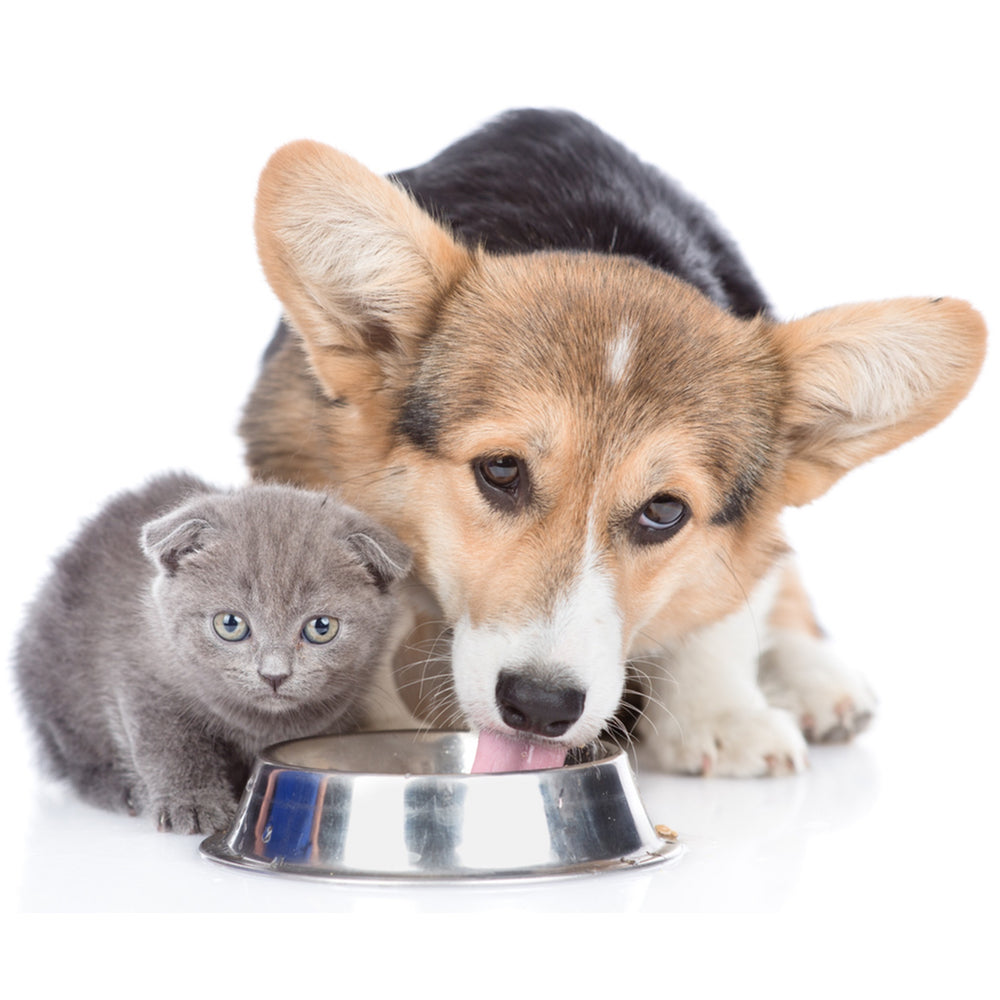
Credit: www.zealandiapets.com
Nutritional Needs
Understanding the nutritional needs of puppies compared to adult dogs is key to keeping your furry friend healthy at every life stage. Puppies are growing rapidly, so their food must support that growth, while adult dogs require maintenance nutrition to sustain their energy and body condition. The differences go beyond just quantity; the quality and type of nutrients vary significantly.
Energy Requirements
Puppies need more energy than adult dogs because they are constantly growing and exploring. Their food is calorie-dense to fuel this high activity and development. Adults, on the other hand, have lower energy needs since their growth has stabilized, and overfeeding can lead to weight gain.
Have you noticed how your puppy seems to have boundless energy? That’s because their diet is packed with enough calories to keep up with it. Your adult dog’s diet should help them maintain their weight without extra calories that can cause problems.
Protein Levels
Protein is crucial for muscle development and overall growth in puppies. Puppy food contains higher protein levels to support this process. Adult dog food has protein, too, but usually at a lower percentage since their muscle growth is complete.
Think about your puppy’s need to build strong muscles for running and jumping. Giving them adult dog food might not supply enough protein to support this. For adult dogs, too much protein can strain their kidneys, so the balance is important.
Vitamin And Mineral Content
Puppies require more vitamins and minerals like calcium and phosphorus to build strong bones and teeth. Their food is carefully balanced to avoid deficiencies or excesses that can harm development. Adult dog food contains vitamins and minerals aimed at maintaining health rather than promoting growth.
Imagine if your puppy didn’t get enough calcium—it could affect their bone strength for life. Your adult dog needs nutrients to support immune function and overall well-being, but not in the same amounts as a growing pup.
Ingredient Composition
The ingredient composition of adult and puppy dog food varies to meet their unique nutritional needs. Puppies require ingredients that support rapid growth and brain development. Adult dogs need components that maintain health and energy. Understanding these differences helps you choose the right food for your dog’s stage in life.
Sources Of Protein
Puppy food often contains higher quality and more protein than adult food. Proteins support muscle growth and tissue repair. Common protein sources include chicken, beef, fish, and lamb. Adult dog food has moderate protein levels to maintain muscle mass without excess.
Fat Content
Puppies need more fat for energy and brain development. Puppy food usually has higher fat percentages than adult food. Adult dog food keeps fat levels balanced to avoid weight gain. Healthy fats come from fish oil, chicken fat, and flaxseed.
Added Supplements
Puppy food includes extra vitamins and minerals for bone growth and immune support. Calcium and phosphorus are added in specific ratios. Adult food focuses on supplements for joint health and digestion, like glucosamine and fiber. Both types may contain antioxidants for overall health.
Health Benefits
Choosing the right food for your dog affects their health deeply. Adult and puppy foods differ in nutrients and benefits. Understanding these helps you support your dog’s well-being at every stage.
Growth And Development Support
Puppy food has extra protein and calories to fuel fast growth. It contains more vitamins and minerals to build strong bones and muscles. Adult food has balanced nutrients to maintain health without promoting excess growth. This keeps adult dogs fit and active.
Weight Management
Puppies need more energy for play and learning, so their food is richer. Adult dog food has controlled calories to prevent weight gain. Proper weight helps avoid joint problems and heart disease. Feeding the right food keeps your dog’s weight stable and healthy.
Digestive Health
Puppy food is gentle on young stomachs, with easy-to-digest ingredients. Adult formulas include fiber to support regular digestion and gut health. Both types help reduce digestive upset and keep your dog comfortable. Healthy digestion improves nutrient absorption and overall vitality.
Feeding Guidelines
Understanding the feeding guidelines for adult and puppy dog food is crucial to ensure your dog gets the right nutrition at every life stage. Puppies have different energy needs compared to adult dogs, which affects how much and how often you feed them. Paying close attention to portion sizes, feeding frequency, and smoothly transitioning between foods can make a big difference in your dog’s health and happiness.
Portion Sizes
Puppies require more calories per pound of body weight than adult dogs because they are growing rapidly. Their portion sizes are usually smaller but more nutrient-dense to support development. Adult dogs need portions that maintain their weight and energy levels without leading to excess calories.
Check the feeding guidelines on the packaging, but remember each dog is unique. For example, a very active adult dog might need larger portions than a less active one. Have you noticed your dog’s energy levels or weight changing with the current portion? Adjust accordingly and consult your vet if unsure.
Feeding Frequency
Puppies typically eat more often—about three to four times a day—to keep up with their fast metabolism. This frequent feeding helps prevent low blood sugar and supports steady growth. Adult dogs, however, usually thrive on two meals a day, which is easier to manage and helps maintain their digestive health.
Think about your daily schedule: can you commit to multiple puppy feedings? If not, consider how you might adjust your routine. Feeding frequency directly affects your dog’s digestion and behavior, so it’s worth planning carefully.
Transitioning Between Foods
Switching from puppy to adult dog food should never be rushed. A gradual transition over 7 to 10 days helps avoid digestive upset. Start by mixing a small amount of adult food with the puppy food, slowly increasing the adult portion each day.
Have you ever experienced your dog refusing food or having upset stomach during a switch? This phased approach often solves that problem. Keep an eye on your dog’s reaction during this period—loose stools or vomiting signal that you may need to slow down the transition.
Choosing The Right Food
Puppy food contains more protein and nutrients to support growth and development. Adult dog food focuses on maintaining health and energy levels. Feeding the right type helps keep your dog healthy at every stage.
Choosing the right food for your dog is crucial. Whether you have a playful puppy or a mature adult dog, their dietary needs differ. Understanding these needs ensures they remain healthy and energetic. Puppy food often contains higher levels of nutrients. These nutrients support growth and development. Adult dog food, on the other hand, focuses on maintenance and health. Let’s explore some key factors to consider.Breed And Size Considerations
Different breeds and sizes have unique nutritional needs. Large breeds may require more calcium for bone health. Smaller breeds might need higher calorie content to match their metabolism. It’s important to choose food that caters to these specific needs. Breed-specific formulas are available in the market. They can be beneficial for your pet’s health.Allergies And Sensitivities
Some dogs have allergies or sensitivities to certain ingredients. Common allergens include grains, chicken, and beef. If your dog shows signs of allergies, consider switching to hypoallergenic food. Grain-free options are also available. These options can help manage food sensitivities effectively. Always monitor your dog’s reaction to new foods.Consulting A Veterinarian
A veterinarian can offer tailored advice on dog food. They can recommend brands and formulations suited for your dog. Regular check-ups help in monitoring your dog’s dietary needs. This ensures their diet aligns with their health status. Consulting a vet can prevent future health issues related to diet. Always keep your vet informed about changes in your dog’s eating habits.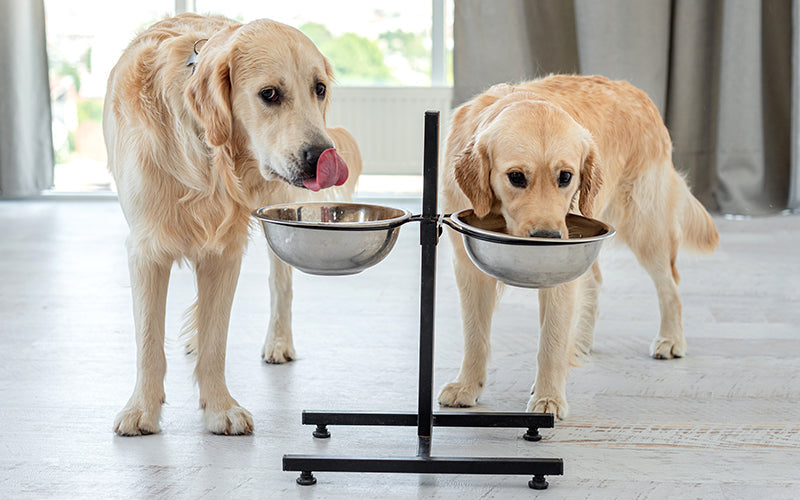
Credit: blepworld.com

Credit: www.youtube.com
Frequently Asked Questions
What Are The Main Differences Between Adult And Puppy Dog Food?
Puppy food has higher protein and fat to support growth. Adult food focuses on maintenance and balanced nutrition for mature dogs.
Why Can’t Puppies Eat Adult Dog Food?
Adult food lacks essential nutrients puppies need for development, like DHA and extra calories. It may stunt growth or cause deficiencies.
How Does Puppy Food Support Dog Growth?
Puppy food includes more calories, protein, and vitamins. These nutrients promote healthy bones, brain development, and muscle growth in young dogs.
When Should I Switch From Puppy To Adult Dog Food?
Switch to adult food around one year old or based on breed size. Consult your vet for the best timing.
Conclusion
Choosing the right food keeps your dog healthy and happy. Puppy food supports growth with extra nutrients. Adult food helps maintain energy and weight. Feeding the wrong type can cause health issues. Always pick food based on your dog’s age.
This simple step makes a big difference. Healthy eating means a longer, better life for your pet. Careful choices show you love your dog. Keep their needs in mind every day. That’s the key to a strong, joyful companion.