Are you looking for a good recipe for homemade dog food that keeps your furry friend healthy and happy? Making your own dog food might seem tricky, but it doesn’t have to be.
With the right ingredients and simple steps, you can prepare meals that give your dog the nutrition they need and love to eat. Keep reading, and you’ll discover easy, tasty recipes that fit your dog’s needs—and tips to make mealtime both safe and delicious.
Your dog deserves the best, and you’re just one recipe away from providing it.

Credit: www.latimes.com
Benefits Of Homemade Dog Food
Making homemade dog food gives you full control over what your dog eats. It helps you provide fresh, natural ingredients. This choice can improve your pet’s health and happiness. Understanding the benefits encourages more pet owners to cook at home.
Improved Nutrition Control
Homemade dog food lets you manage nutrients carefully. You decide the right balance of proteins, fats, and carbs. This control supports your dog’s energy and growth. You can adjust meals as your dog ages or changes activity levels. Fresh ingredients keep vitamins and minerals intact. This can lead to better digestion and a shinier coat.
Avoiding Harmful Ingredients
Many commercial dog foods contain fillers and preservatives. These may cause allergies or upset your dog’s stomach. Cooking at home means no artificial colors, flavors, or additives. You can skip common allergens like corn or soy. Homemade meals reduce risks of harmful chemicals. Your dog eats cleaner and safer food every day.
Catering To Specific Dietary Needs
Dogs with allergies or medical conditions need special diets. Homemade food allows you to tailor recipes easily. You can exclude ingredients that cause problems. Add supplements recommended by your vet. This personal approach helps dogs with diabetes, obesity, or sensitive stomachs. It supports better health and quality of life.
Essential Nutrients For Dogs
Feeding your dog homemade food means you become their nutritionist. Understanding the essential nutrients your dog needs helps you create meals that keep them healthy and happy. It’s not just about filling a bowl; it’s about fueling their body with the right building blocks.
Proteins And Amino Acids
Proteins are the foundation of your dog’s diet. They provide amino acids, the building blocks for muscles, skin, and organs. Including sources like chicken, beef, turkey, or fish ensures your dog gets complete proteins.
Have you noticed how your dog’s energy changes after a protein-rich meal? That’s because amino acids also support brain function and repair tissues. Remember, not all proteins are equal—quality matters more than quantity.
Healthy Fats
Fats are vital for energy and help your dog absorb vitamins. Omega-3 and Omega-6 fatty acids keep their coat shiny and skin healthy. Adding fish oil or flaxseed oil can boost these essential fats in their diet.
Watch for dull fur or dry skin; these signs might mean your dog needs more healthy fats. But balance is key—too much fat can lead to weight gain and other health issues.
Carbohydrates And Fiber
Carbohydrates give dogs energy and fiber supports digestion. Brown rice, sweet potatoes, and pumpkin are excellent choices for homemade meals. Fiber also helps regulate bowel movements and prevents constipation.
Have you tried mixing different carb sources to see what your dog prefers? Varying carbs can keep mealtime exciting and offer a range of nutrients.
Vitamins And Minerals
Vitamins and minerals keep your dog’s immune system strong and bones healthy. Leafy greens, carrots, and eggshell powder are natural ways to add these nutrients. Don’t forget a good multivitamin supplement if you’re unsure about balance.
Missing out on key vitamins can cause serious health problems. How do you ensure your dog’s meals cover all the bases? Tracking ingredients and consulting your vet can make a big difference.
Safe Ingredients To Use
Choose fresh, natural ingredients like lean meats, vegetables, and grains safe for dogs. Avoid harmful items like onions, garlic, and chocolate to keep your pet healthy. Simple, wholesome foods support a balanced homemade diet.
Creating homemade dog food can be a rewarding experience, offering you full control over what goes into your dog’s bowl. It ensures that your furry friend is eating nutritious and safe ingredients. But what exactly are those safe ingredients you should consider?Lean Meats And Fish
Lean meats like chicken, turkey, and beef are great options for homemade dog food. They provide essential proteins that help build and repair body tissues. Fish, such as salmon and tuna, is another excellent choice due to its omega-3 fatty acids, which support a healthy coat and skin. When preparing meat, remove excess fat and avoid seasoning. Dogs don’t need added salt or spices, which can be harmful.Vegetables And Fruits
Vegetables like carrots, sweet potatoes, and peas are packed with vitamins and minerals. They can be steamed or boiled and added to your dog’s diet for a nutrient boost. Fruits like apples and blueberries can be included in moderation. They are rich in antioxidants but remember to remove seeds and cores, which can be toxic.Grains And Legumes
Whole grains such as brown rice and oats are excellent for adding fiber to your dog’s meals. They help with digestion and provide sustained energy. Legumes like lentils and chickpeas are also beneficial. They’re high in protein and fiber, making them a valuable addition to a balanced diet. Have you ever wondered if your dog is missing out on nutrients? Observing their energy levels and coat condition can provide insights. By using safe ingredients, you are not just feeding your dog; you’re enhancing their quality of life.Ingredients To Avoid
Choosing the right ingredients is crucial for homemade dog food. Some foods can harm your dog or cause health problems. Avoiding harmful ingredients ensures your pet stays healthy and happy. Below are key ingredients to skip when preparing meals for your dog.
Toxic Foods For Dogs
- Chocolate – contains substances toxic to dogs.
- Grapes and raisins – can cause kidney failure.
- Onions and garlic – damage red blood cells.
- Avocado – contains a toxin called persin.
- Xylitol – a sweetener that causes low blood sugar.
High-fat And Processed Items
- Fatty meats – can lead to pancreatitis.
- Processed meats – often contain harmful preservatives.
- Fast food – high in salt and unhealthy fats.
- Fried foods – hard to digest and unhealthy.
Seasonings And Additives
- Salt – too much can cause dehydration or kidney issues.
- Spices – may irritate your dog’s stomach.
- Sugar – leads to obesity and dental problems.
- Artificial flavorings and colors – offer no nutritional value.
Simple Homemade Dog Food Recipes
Simple homemade dog food recipes are easy to prepare and healthy for your pet. They use common ingredients that are gentle on a dog’s stomach. These recipes provide balanced nutrition with protein, carbs, and vitamins.
Cooking at home lets you control what your dog eats. It helps avoid fillers and additives found in some commercial foods. Fresh ingredients keep your dog energetic and happy.
Chicken And Rice Meal
This meal is gentle and good for sensitive stomachs. Use lean chicken breast, cooked and shredded. Mix with plain cooked white rice and steamed carrots.
- Boil chicken until fully cooked
- Cook rice without salt or seasoning
- Steam carrots until soft
- Combine all ingredients and cool before serving
Beef And Vegetable Mix
This mix provides protein and fiber. Use lean ground beef, cooked well. Add chopped green beans and cooked sweet potatoes.
- Brown ground beef thoroughly
- Steam green beans until tender
- Boil or bake sweet potatoes, then mash
- Mix all and let it cool
Fish And Sweet Potato Dish
This dish is rich in omega-3 and easy to digest. Use white fish like cod or haddock. Bake fish and serve with mashed sweet potatoes and peas.
- Bake fish without seasoning until flaky
- Boil sweet potatoes and peas until soft
- Mash sweet potatoes and mix with peas
- Combine with fish and cool before feeding
Meal Preparation Tips
Preparing homemade dog food takes more than just mixing ingredients; it requires careful planning to ensure your pet gets the right nutrition every meal. Paying attention to how you portion, store, and introduce new foods can make a big difference in your dog’s health and acceptance of their meals. These meal preparation tips will help you create a safe and enjoyable feeding routine for your furry friend.
Portioning And Storage
Determining the right portion size depends on your dog’s weight, age, and activity level. Use a kitchen scale or measuring cups to keep portions consistent and avoid overfeeding.
Store meals in airtight containers to keep the food fresh. Label each container with the date you prepared the food to track its shelf life easily.
Freeze individual portions if you prepare food in bulk. This way, you can thaw only what you need for each meal, reducing waste and maintaining quality.
Maintaining Food Safety
Wash your hands and sanitize all utensils before preparing your dog’s food to prevent contamination. Raw ingredients, especially meats, should be handled carefully to avoid bacterial growth.
Cook meats thoroughly unless your vet approves a raw diet, as undercooked meat can cause health issues. Keep raw and cooked foods separate to avoid cross-contamination.
Regularly clean your dog’s feeding bowls and the area where they eat. This simple habit helps prevent infections and keeps your pet healthy.
Transitioning Your Dog’s Diet
Sudden changes in diet can upset your dog’s stomach. Introduce homemade food gradually by mixing it with their current diet over 7 to 10 days.
Watch for signs of digestive distress like vomiting or diarrhea. If these occur, slow down the transition or consult your vet for advice.
Patience is key. Some dogs may take longer to adjust, but consistent, gentle changes help them accept new foods without stress.
Consulting Your Veterinarian
Consulting your veterinarian is the first step before making homemade dog food. They know your dog’s health history and dietary needs best. This advice helps create a safe, balanced diet. Veterinarians can guide which ingredients to include or avoid. They ensure your dog gets proper nutrition without risks.
Customizing Recipes For Health Conditions
Dogs with health issues need special diets. Your vet can recommend recipes tailored to specific problems. For example, dogs with kidney problems may need low protein meals. Dogs with allergies require ingredient adjustments. Custom recipes help manage health and improve quality of life.
Monitoring Your Dog’s Response
After starting homemade food, watch your dog closely. Look for changes in energy, stool, and coat condition. Note any signs of discomfort or allergies. Keep a diary to track progress. Share observations with your vet for advice and adjustments.
Adjusting Nutritional Needs Over Time
Dogs’ nutritional needs change with age and activity. Regular vet checkups help adjust food accordingly. Puppies, adults, and seniors require different nutrients. Active dogs burn more energy and need more calories. Your vet can update recipes to keep your dog healthy and happy.
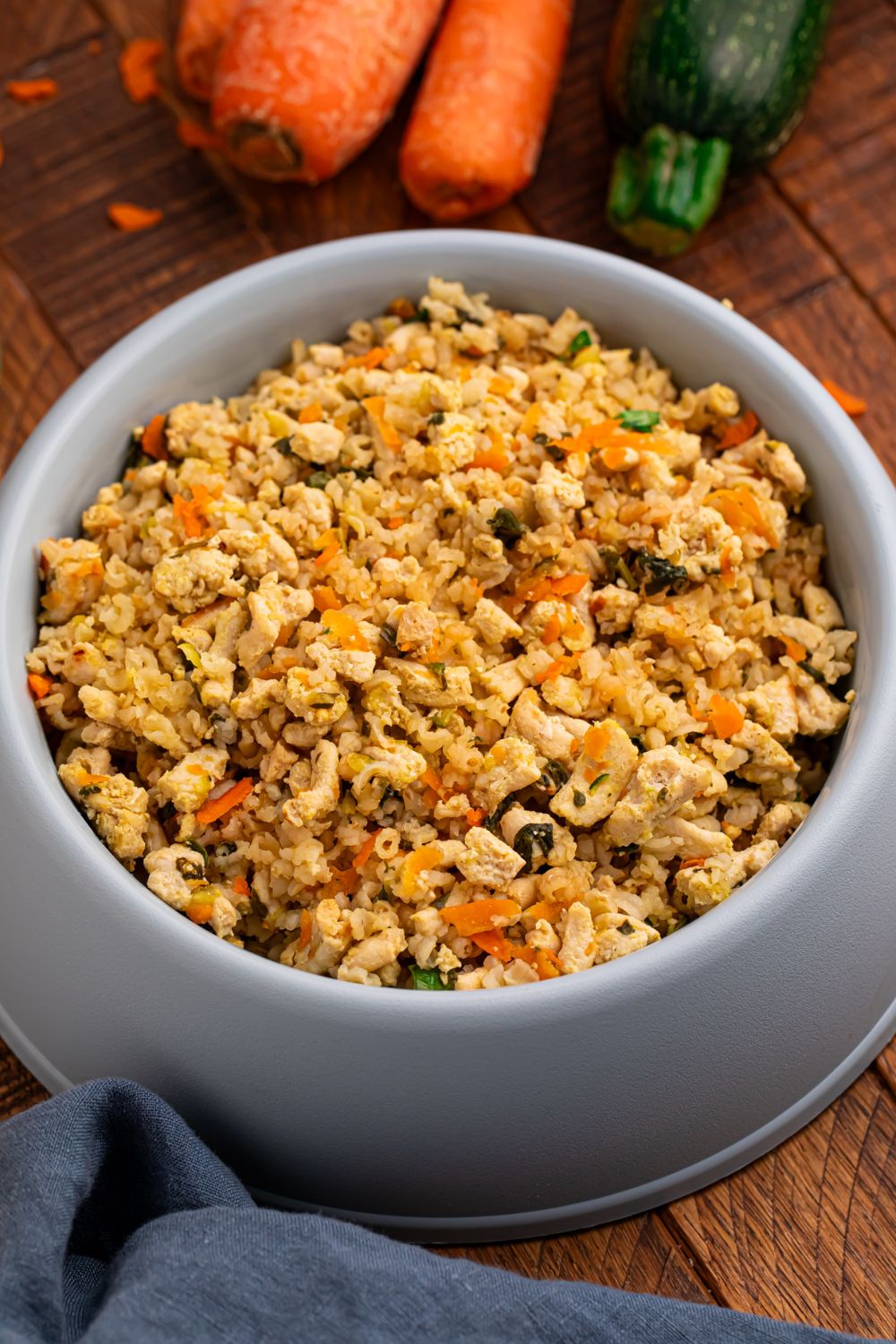
Credit: myincrediblerecipes.com
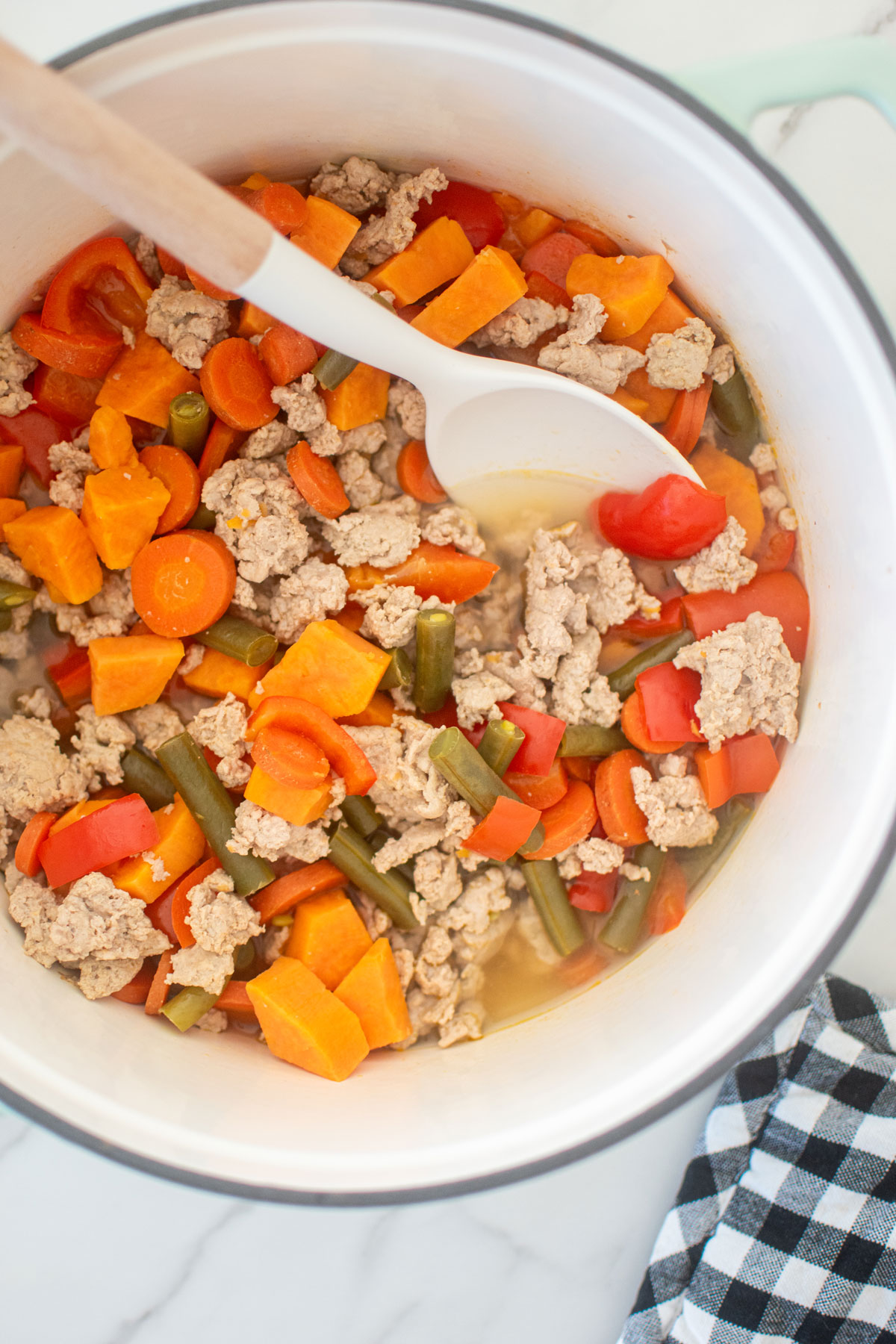
Credit: mimisorganiceats.com
Frequently Asked Questions
What Ingredients Are Safe For Homemade Dog Food?
Safe ingredients include lean meats, vegetables like carrots, peas, and sweet potatoes. Avoid onions, garlic, grapes, and chocolate, which are toxic to dogs. Always consult your vet for specific dietary needs to ensure balanced nutrition.
How Do I Balance Nutrition In Homemade Dog Food?
Balance protein, carbohydrates, and fats with vitamins and minerals. Include lean meat, whole grains, and vegetables. Supplement with essential fatty acids and calcium. Regular vet checkups help adjust the diet for your dog’s health.
Can Homemade Dog Food Improve My Pet’s Health?
Yes, homemade food can improve digestion, coat health, and energy levels. It avoids preservatives and fillers found in some commercial foods. Tailoring meals to your dog’s needs promotes overall wellness and longevity.
How Do I Store Homemade Dog Food Safely?
Store homemade dog food in airtight containers in the refrigerator for up to three days. For longer storage, freeze portions and thaw before feeding. Proper storage prevents spoilage and maintains nutritional quality.
Conclusion
Preparing homemade dog food can be simple and healthy. Choose fresh ingredients your dog enjoys. Balance proteins, veggies, and grains for good nutrition. Always check with a vet before changing meals. Cooking at home lets you control what your dog eats.
It can improve their health and happiness. Start small and watch how your dog reacts. Homemade meals show care and love in every bite.