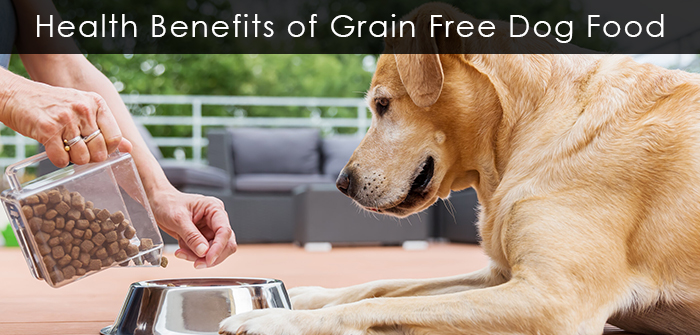

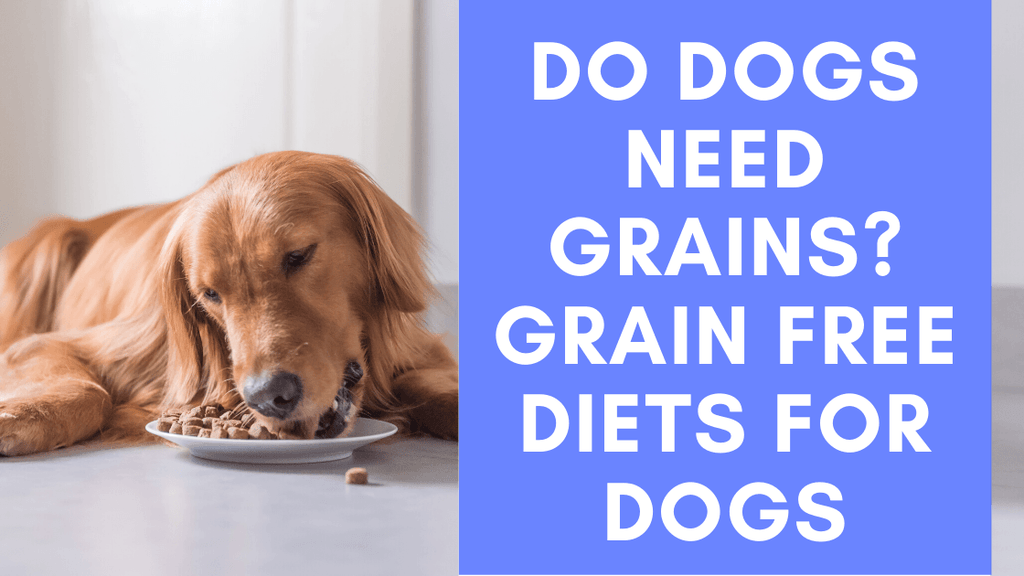
Are you wondering if a grain free diet is the right choice for your dog? With so many options out there, it can be confusing to know what’s best.
You want your furry friend to be healthy and happy, but is cutting out grains really the answer? This article will help you understand the benefits and risks of a grain free diet, so you can make the best decision for your dog’s well-being.
Keep reading to find out if grain free is truly good for all dogs—or if your pet might need something different.
Credit: www.monsterk9.com
Grain Free Diet Basics
A grain free diet for dogs means food without grains like wheat, corn, or rice. Many pet owners choose this diet to avoid allergies or digestive issues in their dogs. Grain free diets focus on other sources of carbohydrates and proteins. Understanding the basics helps decide if this diet suits your dog’s needs.
What Is Grain Free Dog Food
Grain free dog food does not contain common grains such as:
- Wheat
- Corn
- Rice
- Barley
- Oats
Instead, it uses ingredients that provide similar energy but without grains. This food is designed for dogs with grain allergies or sensitivities. It often includes more meat and vegetables to keep the diet balanced. Grain free does not mean carbohydrate-free. It simply replaces grains with other carbs.
Common Ingredients In Grain Free Diets
Grain free diets use various ingredients to replace grains. These include:
- Sweet potatoes
- Pumpkin
- Peas
- Lentils
- Potatoes
- Chickpeas
Protein sources often are chicken, beef, fish, or lamb. Vegetables and fruits add vitamins and minerals. These ingredients help provide energy and nutrients dogs need. Grain free dog food aims to be nutritious and easy to digest.

Credit: www.lilyskitchen.co.uk
Benefits Of Grain Free Diets
A grain free diet can offer several benefits for dogs, especially those with specific health needs. Removing grains from your dog’s meals might improve their overall wellbeing and comfort. Understanding these benefits can help you decide if this diet suits your furry friend.
Allergy And Sensitivity Relief
Grains like wheat, corn, and soy are common allergens for many dogs. Switching to a grain free diet often reduces itching, redness, and digestive upset caused by these sensitivities.
Many dog owners notice fewer skin irritations and less ear scratching after removing grains. Have you observed unusual reactions or allergies in your dog that don’t improve with regular diets?
Improved Digestion And Energy
Grain free diets usually contain higher amounts of protein and fat, providing more energy for active dogs. This shift can lead to better digestion and nutrient absorption.
Some dogs show increased vitality and stamina when fed grain free meals. Could your dog benefit from a diet that fuels their energy needs more efficiently?
Potential Risks And Concerns
Grain-free diets have become popular for dogs. Yet, they may not suit every dog. There are potential risks and concerns involved. Many dog owners worry about these risks. Understanding them helps make informed choices for your pet.
Nutritional Deficiencies
Grain-free diets often lack essential nutrients. These diets might exclude important grains. Grains provide fiber, vitamins, and minerals. Without them, dogs might miss out on key nutrients. This can lead to deficiencies over time.
Protein sources in these diets might be limited. Dogs need diverse protein types for health. A restricted diet can affect muscle and bone health. Ensuring balanced nutrition is crucial for a dog’s well-being.
Connection To Heart Disease
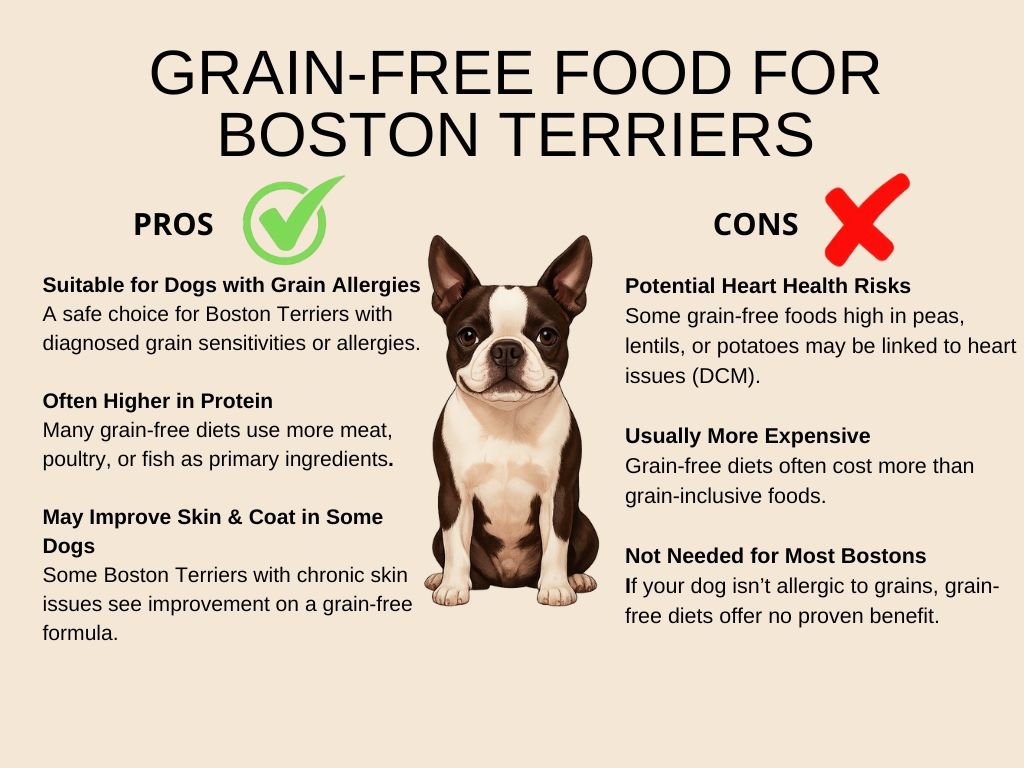
Grain-free diets have been linked to heart disease in dogs. The FDA has investigated this potential connection. Some dogs on these diets developed dilated cardiomyopathy (DCM). This condition affects the heart’s ability to pump blood.
DCM is serious and can lead to heart failure. Not all dogs on grain-free diets develop DCM. Yet, the risk remains a concern for many pet owners. Regular vet check-ups can help monitor your dog’s heart health.
Which Dogs Benefit Most
Not all dogs need a grain free diet. Some dogs gain more from it than others. Understanding which dogs benefit most helps make better food choices. Certain health issues and breed traits play a big role.
Dogs With Allergies
Dogs with food allergies often react to grains like wheat or corn. A grain free diet can reduce allergic reactions. Symptoms like itching, skin rashes, and digestive problems may improve. Grain free foods remove common allergens from their meals. This diet can ease discomfort for sensitive dogs.
Breeds Sensitive To Grains
Some dog breeds are naturally sensitive to grains. They might have trouble digesting them or show allergies. Breeds such as Bulldogs, Boxers, and Retrievers often benefit from grain free diets. Feeding these breeds grain free food can support their digestion. It may help prevent stomach upset and skin issues.
When To Avoid Grain Free Diets
Choosing a grain free diet for your dog might seem like a healthy option, but there are times when it’s better to avoid it. Not every dog benefits from ditching grains, and some may even face health risks if their diet lacks the right balance of nutrients. Understanding when a grain free diet might do more harm than good can help you make smarter choices for your dog’s health.
Healthy Dogs Without Allergies
If your dog is perfectly healthy and has no grain allergies or sensitivities, a grain free diet may not offer any real benefits. Grains provide important nutrients like fiber, vitamins, and minerals that support digestion and overall wellbeing.
Switching to grain free food without a medical reason could mean missing out on these essential nutrients. Have you noticed your dog thriving on their current diet? Sometimes, sticking with what works is the best choice.
Puppies And Senior Dogs
Puppies and senior dogs have very specific nutritional needs that grains help fulfill. Puppies need balanced energy and nutrients to grow strong, while older dogs require fiber to support digestion and maintain weight.
Removing grains from their diet might lead to nutrient gaps or digestive issues. If your puppy or senior dog seems less energetic or shows signs of digestive discomfort after switching, consider reintroducing grains or consulting your vet for advice.
Choosing The Right Dog Food
Choosing the right dog food is key to your pet’s health and happiness. Different dogs need different nutrients. Age, size, breed, and health all play a role. Grain free diets may suit some dogs, but not all. Understanding your dog’s needs helps you pick the best food.
Reading Ingredient Labels
Check the first few ingredients on the label. Ingredients are listed by weight. Look for high-quality proteins like chicken, beef, or fish. Avoid foods with vague terms like “meat meal” or “animal fat.”
Grains such as rice, corn, or barley can provide energy. Some dogs digest grains well and do not need grain free food. Watch for fillers, artificial colors, or preservatives. These add no nutrition and can harm your dog.
Consulting Your Veterinarian
Your vet knows your dog’s health history. Ask about food allergies or sensitivities. Discuss if a grain free diet is best. Some dogs have allergies to grains, others do not.
Your vet can recommend tests or special diets. Follow their advice for your dog’s well-being. Always introduce new food slowly to avoid stomach upset.
Alternatives To Grain Free Diets
If you’re wondering whether a grain free diet is the best choice for your dog, it’s worth knowing there are other options that might suit your furry friend better. Some dogs don’t actually need to avoid grains to stay healthy. Instead, they may benefit from diets designed to reduce ingredients or allergens that could bother them.
Limited Ingredient Diets
Limited ingredient diets focus on simplicity. These foods contain fewer components, making it easier to spot what might upset your dog’s stomach or skin. If your dog has food sensitivities, this can be a helpful way to identify and avoid problem ingredients.
These diets often use a single protein source and limited carbs, which can still include grains like rice or oats. These grains are usually easier to digest and less likely to cause allergies. Have you noticed your dog reacting to certain foods? A limited ingredient diet might help you pinpoint the cause.
Hypoallergenic Dog Foods
Hypoallergenic dog foods are specially made for dogs with allergies or intolerances. They often contain hydrolyzed proteins, which are broken down so the immune system doesn’t react to them. This can be a lifesaver if your dog has a true food allergy, not just a sensitivity.
These diets may include novel protein sources like duck, venison, or kangaroo, alongside carbs that rarely cause allergies. If your dog has constant itching, ear infections, or digestive issues, asking your vet about hypoallergenic options could be a good step. Could a targeted diet solve your dog’s ongoing health problems?
Credit: bostonterrierblog.com
Frequently Asked Questions
What Are The Benefits Of A Grain Free Diet For Dogs?
A grain free diet can help dogs with allergies or sensitivities. It may improve digestion and reduce skin issues. However, benefits vary depending on the dog’s health and breed.
Are Grain Free Diets Suitable For All Dog Breeds?
Not all dog breeds need grain free diets. Some thrive on grains, which provide essential nutrients. Consult your vet to determine if grain free is right for your dog.
Can Grain Free Diets Cause Health Risks In Dogs?
Some studies link grain free diets to heart problems in dogs. These diets may lack certain nutrients, leading to health issues. Always discuss diet changes with a veterinarian.
How Do I Know If My Dog Needs A Grain Free Diet?
Signs like itching, digestive upset, or allergies suggest a grain free diet. A vet can diagnose and recommend the best diet based on your dog’s needs.
Conclusion
Grain free diets suit some dogs but not all. Each dog’s needs differ. Talk with your vet before changing food. Watch your dog’s health and energy closely. Balanced nutrition matters most for a happy dog. Choose food that fits your dog’s lifestyle.
Care and attention help dogs stay healthy. A good diet supports long, active lives.