
Are you wondering if it’s okay to feed your adult dog puppy food? You’re not alone.
Many dog owners get confused about what type of food is best once their furry friend grows up. Feeding your dog the right food is important for their health and happiness. But what happens if you give them puppy food instead?
Could it be harmful, or maybe even beneficial? Keep reading to find out what experts say and how you can make the best choice for your dog’s well-being. This simple question could change the way you care for your pet every day.
Credit: www.purina.com
Differences Between Puppy And Adult Dog Food
Understanding the differences between puppy and adult dog food is essential before deciding what to feed your dog. These two types of food are formulated with specific goals in mind, tailored to the stage of your dog’s life. Feeding the wrong type of food can affect your dog’s health, energy, and overall well-being.
Nutritional Needs Of Puppies
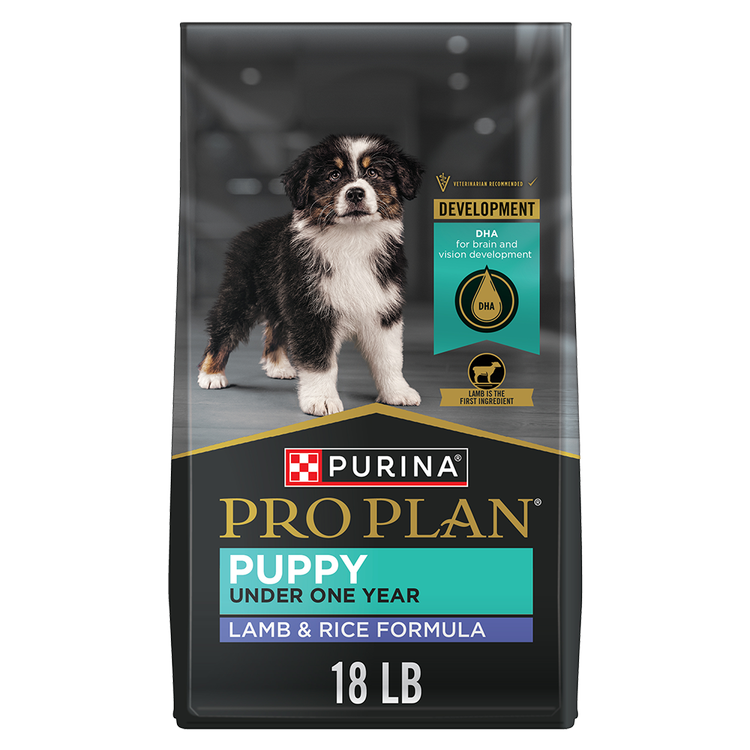
Puppies require food that supports rapid growth and development. Their diet needs to be rich in calories, protein, and fat to fuel their active bodies and growing muscles. Essential nutrients like DHA, found in fish oils, help with brain and eye development.
Because puppies are building bones and organs, their food often contains extra calcium and phosphorus. This helps ensure strong bones and healthy teeth. Without these, growth can be stunted or bones may develop improperly.
Nutritional Needs Of Adult Dogs
Adult dogs need food that maintains their health without promoting excessive weight gain. Their metabolism slows down compared to puppies, so fewer calories are necessary. Protein remains important, but the balance shifts to support muscle maintenance rather than rapid growth.
Vitamins and minerals in adult dog food help keep the immune system strong and support joint health. Ingredients that promote dental health and digestion become more common at this stage. Have you noticed how your dog’s energy levels changed as they grew?
Key Ingredient Variations
Puppy food typically contains higher levels of:
- Calories for energy
- Protein for muscle growth
- Fat for brain development
- Calcium and phosphorus for bone growth
Adult dog food, on the other hand, often has:
- Moderate calories to avoid weight gain
- Balanced protein for muscle maintenance
- Added fiber for digestion
- Supplements for joint and dental health
Feeding your adult dog puppy food might seem like a way to give extra nutrients, but could this lead to unintended weight gain or nutritional imbalances? Understanding these ingredient differences helps you make a better choice for your dog’s health.

Credit: www.becopets.com
Effects Of Feeding Puppy Food To Adult Dogs
Feeding puppy food to your adult dog might seem harmless at first, but it can lead to noticeable effects on their health and daily life. Puppy formulas are designed to support rapid growth and high energy needs, which differ significantly from an adult dog’s requirements. Understanding these effects can help you make better decisions for your furry friend’s diet.
Potential Weight Gain Issues
Puppy food contains more calories and fats to support growing muscles and energy. Feeding this to an adult dog regularly can cause unwanted weight gain. Over time, excess calories turn into fat, which may lead to obesity and related health problems.
If your dog starts gaining weight quickly, it might be time to reconsider their food. Are you noticing your dog becoming less active or struggling with mobility? These could be signs linked to overeating high-calorie food meant for puppies.
Digestive Concerns
Adult dogs have different digestive needs than puppies. The rich nutrients and increased protein in puppy food can upset your dog’s stomach. You might see symptoms like diarrhea, gas, or vomiting if the food doesn’t suit their mature digestive system.
Switching back to adult dog food usually helps settle these issues. Have you ever changed your dog’s diet and noticed digestive problems? Paying close attention to how your dog reacts after meals is essential for their well-being.
Energy Level Changes
Puppy food is packed with ingredients to fuel high energy bursts common in young dogs. Feeding this to an adult dog might lead to hyperactivity or restlessness. Conversely, some dogs might not react much but could experience disrupted sleep patterns due to excess energy.
Consider your dog’s daily routine and energy needs. Does your dog seem unusually restless after eating? Adjusting their diet to suit their current lifestyle can improve their overall mood and behavior.
When Puppy Food Might Be Beneficial For Adults
Adult dogs may benefit from puppy food during growth, pregnancy, or illness for extra nutrients. Puppy food supports higher energy needs but is not ideal long-term for healthy adults. Choosing the right diet depends on your dog’s condition and activity level.
There are times when feeding adult dogs puppy food can be surprisingly beneficial. Puppy food is specifically designed to support growth, but certain adult dogs can benefit from its nutrient-rich formula. Understanding these scenarios can help you make informed decisions for your dog’s diet. Let’s explore some situations where puppy food might be a good fit for adult dogs.Senior Dogs With Special Needs
As dogs age, their dietary needs can change drastically. Some senior dogs, especially those with difficulty maintaining weight, might benefit from the high-calorie content of puppy food. My old Labrador, Max, started losing weight despite eating his usual meals. Switching to puppy food helped him regain energy and maintain a healthy weight. Could your senior dog benefit from a similar adjustment?Dogs Recovering From Illness
After an illness, dogs often need extra nutrients to rebuild strength and health. Puppy food, with its higher protein and fat content, can be a boon for recovery. It provides the necessary building blocks to support healing. When my neighbor’s dog, Bella, was recovering from surgery, her vet recommended puppy food to boost her recovery. Are you giving your recovering pet the nutritional support they need?Highly Active Or Working Dogs
Dogs with demanding activities burn a lot of calories and require more energy than typical adult dog food provides. Puppy food can provide that extra boost. My friend has a Border Collie who competes in agility courses, and she feeds him puppy food to ensure he has the energy for peak performance. If your dog is constantly on the go, could puppy food be the energy source they need? Choosing the right diet for your dog can make a significant difference in their health and happiness. Each dog is unique, and sometimes stepping outside the norm, like feeding puppy food to adults, can be the right choice. Always consult with your vet to tailor the best diet plan for your furry friend.Risks Of Long-term Feeding Puppy Food To Adults
Feeding your adult dog puppy food over a long period might seem harmless, but it can lead to several health risks. Puppy food is specifically formulated for growing pups, with higher calories and nutrients that adult dogs don’t need in the same amounts. Continuing this diet could throw your dog’s health off balance and cause unexpected problems down the line.
Nutrient Imbalance
Puppy food contains extra protein, fat, and certain vitamins to support rapid growth. When adult dogs consume these higher levels consistently, their bodies may struggle to process the surplus nutrients properly.
This imbalance can stress organs like the liver and kidneys. You might notice symptoms such as digestive upset or unusual lethargy. Ask yourself: is your dog’s energy level as steady as it should be?
Joint Health Impact
While puppies need calcium and phosphorus for bone development, too much of these minerals in adult dogs can cause joint problems. Excessive calcium, especially in large breeds, can lead to abnormal bone growth or arthritis.
I once saw a friend’s adult Labrador develop stiffness after months on puppy food. Switching to adult-formulated food helped ease the discomfort. Could your dog’s current diet be silently affecting its joints?
Obesity And Related Problems
Puppy food is calorie-dense to fuel growth, but adults typically need fewer calories. Feeding puppy food long-term can easily cause weight gain and obesity in adult dogs.
Extra weight increases the risk of diabetes, heart disease, and decreased mobility. Monitoring your dog’s weight regularly is crucial. Are you checking if your dog’s waistline is expanding beyond healthy limits?
Alternatives To Puppy Food For Adult Dogs
Feeding your adult dog puppy food might seem like a quick fix, but there are better options tailored specifically for their stage of life. Adult dogs have different nutritional needs compared to puppies, and choosing the right alternatives can keep your furry friend healthy and happy. Let’s look at practical ways you can meet your dog’s dietary needs without resorting to puppy food.
Choosing The Right Adult Dog Food
Adult dog food is formulated to maintain your dog’s weight, energy levels, and overall health. Look for products labeled for adult dogs with balanced protein, fats, and carbohydrates. Brands that offer breed-specific or size-specific formulas can be especially helpful, as a Great Dane’s needs differ from those of a Chihuahua.
Have you checked the ingredient list recently? High-quality animal protein should be near the top, and avoid foods with excessive fillers like corn or wheat. Remember, feeding your dog food designed for their life stage supports joint health, digestion, and energy better than puppy food.
Supplements And Add-ons
If you want to give your adult dog a nutritional boost, certain supplements can help without switching to puppy food. Omega-3 fatty acids support coat and brain health, while glucosamine and chondroitin promote joint function. Adding fresh vegetables like carrots or green beans can provide extra fiber and vitamins.
Are you aware of the risks of over-supplementing? Always introduce new supplements gradually and watch for any changes in your dog’s behavior or digestion. Sometimes, a small change in their diet can make a big difference without overwhelming their system.
Consulting Your Veterinarian
Your veterinarian is your best resource when deciding what to feed your adult dog. They can assess your dog’s weight, activity level, and any health concerns to recommend the perfect diet. Sometimes, a prescription diet or specific nutrient adjustments might be necessary to address unique needs.
Have you had a recent nutrition check-up for your dog? Regular vet visits ensure you’re not missing any subtle signs that your dog’s diet needs tweaking. Feeding your dog should be a dynamic process that evolves with their health and lifestyle changes.
Credit: zignature.com
Tips For Transitioning Your Dog’s Diet
Switching your adult dog’s diet, especially when moving from puppy food to adult dog food or vice versa, takes careful attention. Sudden changes can upset your dog’s stomach or cause picky eating habits. Here are some practical tips to help you transition smoothly and keep your dog happy and healthy.
Gradual Food Changes
Start by mixing a small amount of the new food with your dog’s current food. Increase the new food portion little by little over 7 to 10 days. This slow change gives your dog’s digestive system time to adjust without causing discomfort.
I once switched my dog’s food overnight, and it led to diarrhea for days. After that experience, I learned that patience during transitions prevents these problems. Have you noticed changes in your dog’s digestion after switching foods too quickly?
Monitoring Your Dog’s Response
Pay close attention to your dog’s behavior and stool quality during the transition. Watch for signs like vomiting, diarrhea, loss of appetite, or lethargy. If any of these occur, slow down the transition or consult your vet.
Keep a simple daily log of your dog’s eating habits and bathroom visits. This helps you spot patterns and react quickly. Would you be surprised how much you can learn about your dog’s health just by observing these small details?
Adjusting Portions And Frequency
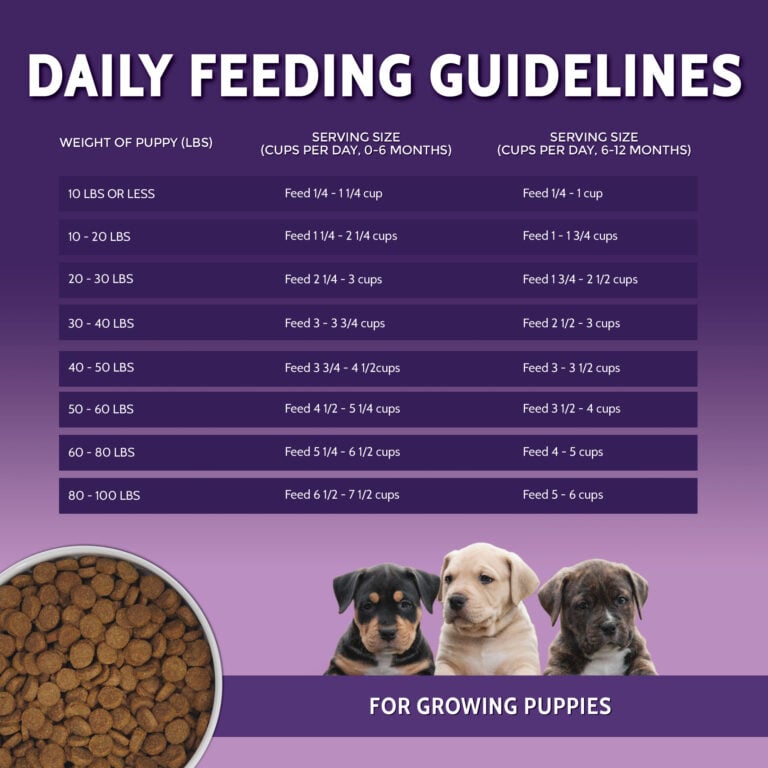
Puppy food is often richer and more calorie-dense than adult dog food. When feeding puppy food to an adult dog temporarily, reduce the amount slightly to avoid weight gain. You might also need to adjust how often you feed your dog based on their energy levels.
For example, if your dog seems less active but is eating the same amount of high-calorie food, they might start gaining weight. Watch their body condition and ask yourself if you need to cut back or split meals into smaller, more frequent portions. How well do you know your dog’s true daily calorie needs?
Frequently Asked Questions
Can Adult Dogs Eat Puppy Food Safely?
Adult dogs can eat puppy food occasionally, but it’s not ideal long-term. Puppy food is richer in calories and nutrients, which may cause weight gain in adult dogs if fed regularly.
What Happens If Adult Dogs Eat Puppy Food?
Feeding puppy food to adult dogs can lead to excess weight and digestive issues. The higher fat and protein levels may strain their system over time.
Is Puppy Food Better For Senior Dogs?
Puppy food is not suitable for senior dogs. Older dogs require lower calories and specific nutrients to support aging joints and metabolism.
How To Transition Adult Dogs From Puppy Food?
Gradually mix adult dog food with puppy food over 7-10 days. This helps avoid digestive upset and allows your dog to adjust smoothly.
Conclusion
Feeding adult dogs puppy food is not ideal for long-term health. Puppy food has extra nutrients meant for growth, which adults don’t need. This can cause weight gain and digestive issues. Adults need a balanced diet designed for their age and activity level.
Always choose food that suits your dog’s current needs. Consult your vet for the best feeding advice. Healthy meals help your dog stay active and happy. Remember, proper nutrition supports a longer, better life for your pet. Choose wisely to keep your dog healthy and strong.