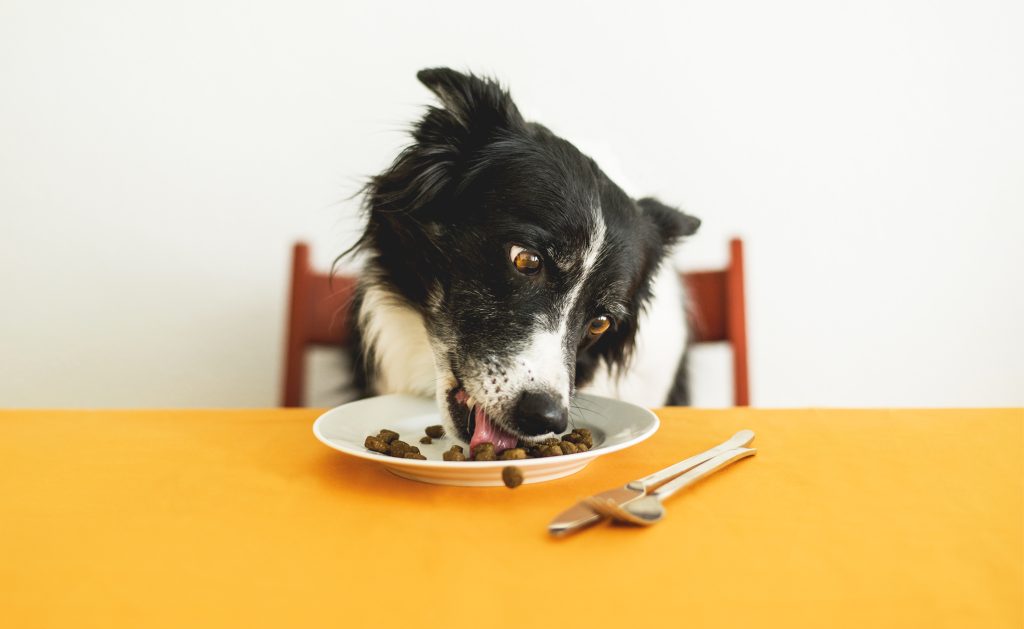

You want the best for your dog, and that includes feeding them the right food at the right time. But how do you know when it’s time to switch from puppy food to adult dog food?
Making the switch too early or too late can affect your dog’s health and energy. You’ll discover clear signs and simple tips to help you decide the perfect moment to change your dog’s diet. Keep reading to make sure your furry friend stays happy, healthy, and full of life.
Credit: www.sobeys.com
Signs Your Dog Is Ready
Recognizing the right time to switch your dog to adult food is important for their health. Dogs grow at different rates, but certain signs help identify this transition. These signs show your dog’s readiness for adult nutrition.
Physical Growth Milestones
Most dogs reach adult size between 9 and 12 months. Large breeds may take up to 18 or 24 months. Look for these signs:
- Your dog’s height and weight stop increasing rapidly.
- Muscles become more defined and firm.
- Teeth are fully developed and strong.
Once your dog has stopped growing quickly, adult food is usually suitable.
Behavioral Changes
Your dog’s energy and behavior shift as they mature. Notice changes such as:
- Reduced hyperactivity and calmer demeanor.
- Increased focus and longer attention span.
- Less teething and chewing on objects.
These changes often indicate your dog is moving out of the puppy stage.
Health Indicators
Health signs also reveal readiness for adult food:
- Steady appetite without sudden hunger spikes.
- Consistent stool quality and regular bathroom habits.
- Healthy coat with no signs of skin irritation.
Consult your vet if you notice unusual health issues before switching foods.
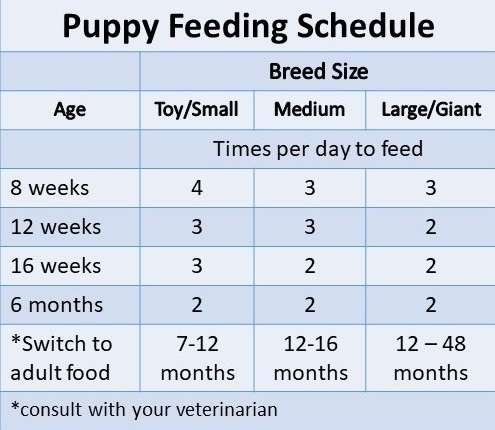
Age Guidelines By Breed Size
Knowing the right time to switch your dog to adult food depends heavily on their breed size. Different breeds grow and mature at different rates, which means their nutritional needs change on unique timelines. Paying attention to these age guidelines helps ensure your dog stays healthy and energetic through every life stage.
Small Breeds
Small breed dogs usually reach adulthood faster than larger breeds. Most small dogs are ready to transition to adult food around 9 to 12 months old. If you have a Chihuahua or a Yorkshire Terrier, watch for signs of maturity like slower growth and stable weight.
Switching too early can lead to missing important nutrients needed for their rapid early growth. Too late, and they might gain unnecessary weight. Have you noticed your small dog’s energy levels or appetite changing around this age?
Medium Breeds
Medium-sized dogs, like Beagles or Cocker Spaniels, generally make the switch between 12 and 14 months. Their growth phase is a bit longer, so their food should still support bone and muscle development during this time. Keep an eye on their activity and body condition to guide your decision.
Some medium breeds might take a little longer to mature, so flexibility is key. Are you tracking your dog’s growth milestones and adjusting feeding portions accordingly?
Large Breeds
Large breeds such as Golden Retrievers and German Shepherds often need puppy food until 12 to 18 months old. Their bones and joints develop over a longer period, requiring special nutrients that adult food might not provide. Switching too soon can increase the risk of joint problems later in life.
Patience is important here. Monitor your dog’s growth rate and consult your vet if you’re unsure. Have you considered how breed size influences your dog’s long-term health when choosing their food?
Choosing The Right Adult Food
Choosing the right adult dog food is key to your pet’s health. Adult dogs have different needs than puppies. Their metabolism slows and their energy needs change. The right food supports their body and keeps them active. Selecting the proper diet ensures your dog stays healthy and happy for years.
Nutritional Needs
Adult dogs need a balanced mix of protein, fat, and carbohydrates. Protein keeps muscles strong and repairs tissues. Healthy fats provide energy and support skin and coat. Carbohydrates supply fiber for digestion. Vitamins and minerals keep the immune system strong. Check labels for balanced nutrition tailored to adult dogs.
Special Dietary Requirements
Some dogs have unique health needs or allergies. Older dogs may need joint support ingredients. Dogs with allergies might require limited ingredient diets. Weight management formulas help overweight dogs. Puppies’ food is too rich for most adults. Consider your dog’s health and lifestyle when choosing food.
Quality Ingredients
Look for foods with real meat as the first ingredient. Avoid fillers like corn, wheat, or soy. Whole grains and vegetables add valuable nutrients. Natural preservatives and no artificial colors or flavors are better. High-quality ingredients improve digestion and overall health. Good food tastes better and is easier for dogs to digest.
Transitioning Process
The transition from puppy food to adult dog food is crucial. It ensures your dog receives the right nutrients as they grow. A gradual change is best to avoid digestive issues and stress. Here’s how to make the switch smoothly.
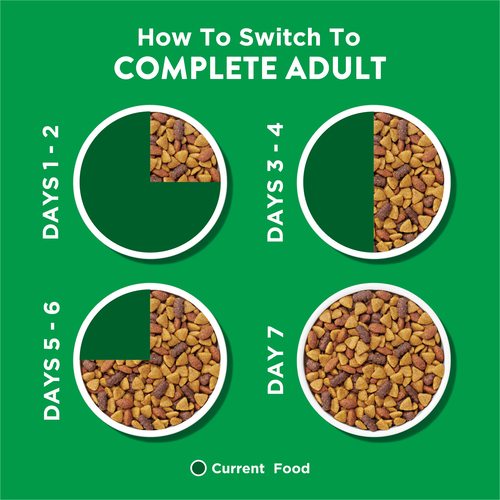
Gradual Food Mixing
Start by mixing a small amount of adult food with the puppy food. Gradually increase the adult food over a week. This helps your dog’s digestive system adjust. A slow transition reduces the risk of upset stomachs.
Monitoring Reactions
Watch your dog closely for any changes in behavior or digestion. Look for signs like vomiting or diarrhea. These may indicate the new food doesn’t suit them. If issues arise, consult your vet for advice.
Adjusting Portions
Adult dogs need different portion sizes than puppies. Adjust the amount of food based on your dog’s age, size, and activity level. Proper portion control prevents weight gain and promotes health.
Common Mistakes To Avoid
Switching your dog to adult food needs careful thought. Mistakes can cause health problems or slow growth. Knowing what to avoid helps your dog stay healthy and happy.
Switching Too Early Or Late
Changing to adult food too soon can harm your puppy’s growth. Their body needs more nutrients from puppy food. Switching too late might cause weight gain or nutrient imbalance. Watch your dog’s age and size. Follow vet advice for the right time.
Ignoring Allergies
Some dogs have food allergies or sensitivities. Ignoring these can cause itching, stomach issues, or ear infections. Check ingredients carefully. Introduce new food slowly to spot any reactions. Consult a vet if you see symptoms.
Overfeeding
Adult dogs need fewer calories than puppies. Overfeeding leads to obesity and joint problems. Measure food portions based on weight and activity level. Avoid free feeding. Keep treats to a minimum to maintain a healthy weight.
Credit: askavet.com
Consulting Your Veterinarian
Deciding the right time to switch your dog to adult food is important for their health. Consulting your veterinarian ensures this change suits your pet’s unique needs. Experts can offer guidance based on your dog’s breed, size, and activity level.
Personalized Advice
Your veterinarian knows your dog’s medical history well. They provide tailored advice about the best time to change food. This advice helps avoid digestive problems or nutritional gaps. Every dog grows differently, so one-size-fits-all does not work.
Health Checkups
Regular health checkups reveal your dog’s growth and development status. These visits allow the vet to spot any health concerns early. They assess weight, coat condition, and energy levels. This information helps decide if adult food is appropriate now.
Ongoing Monitoring
After switching to adult food, monitoring is crucial. Your vet tracks your dog’s reaction to the new diet. They watch for allergies, weight changes, or digestive issues. Adjustments to the food plan ensure your dog stays healthy and happy.
Credit: www.vetsupply.com.au
Frequently Asked Questions
When Should I Switch My Dog To Adult Food?
Switch your dog to adult food at about 12 months old. This timing varies by breed size. Consult your vet for personalized advice.
How Do I Know If My Dog Needs Adult Food?
Look for slowed growth and reduced energy needs. Adult food suits maintenance, not puppy growth. Your vet can confirm the right time.
Can Switching Too Early Harm My Puppy?
Yes, early switching can cause nutrient deficiencies. Puppies need higher protein and fat for growth. Follow vet recommendations to avoid health risks.
What Are Signs My Dog Is Ready For Adult Food?
Signs include steady weight, less teething, and mature activity levels. These indicate growth completion. Use these cues alongside vet guidance for timing.
Conclusion
Switching your dog to adult food is important for their health. Watch for signs like age and size before changing their diet. Gradually introduce adult food to avoid stomach upset. Choose a balanced diet that fits your dog’s needs. Regular vet check-ups help track their growth and health.
Feeding the right food supports energy and overall well-being. Remember, every dog grows at their own pace. Stay patient and attentive during this transition. Your dog will thank you with a happy, healthy life.