
If you’re training your dog, you might have heard about a little tool called a clicker. But what does a clicker actually do for dog training?
Imagine having a clear way to tell your dog, “Yes, that’s exactly right!” every single time. That’s what a clicker does—it helps you communicate with your dog quickly and clearly. If you want training to be easier, faster, and more fun for both you and your dog, understanding how a clicker works could be a game-changer.
Keep reading to discover why this simple tool might be the secret to your dog’s best behavior yet.

Credit: www.calmshops.co.uk
Basics Of Clicker Training
Understanding the basics of clicker training can change how you communicate with your dog. This method uses a simple tool to mark good behavior, making learning clear and consistent. Let’s break down what a clicker is, how it works, and why it might be the key to training your dog effectively.
What Is A Clicker
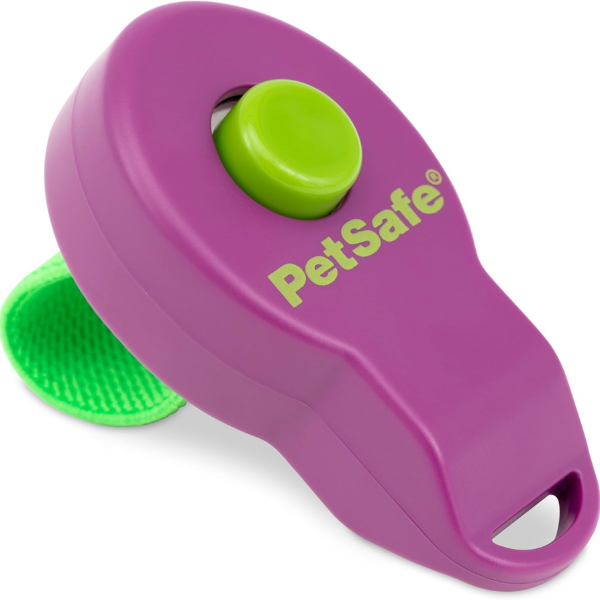
A clicker is a small handheld device that makes a distinct clicking sound when pressed. It’s designed to be a clear, quick signal your dog can easily recognize. Unlike verbal commands, the clicker’s sound is consistent every time, which helps your dog learn faster.
I remember when I first used a clicker with my dog, Max. The moment he heard the click, he knew he had done something right. It made training sessions smoother and more enjoyable for both of us.
How Clickers Work
The clicker acts as a marker to tell your dog exactly when they’ve performed a desired behavior. You click the device at the precise moment your dog does something right, then immediately follow it with a treat. This clear timing helps your dog understand which action earned the reward.
This method taps into your dog’s natural desire to repeat behaviors that bring positive results. It’s like giving instant feedback your dog can’t miss. Have you noticed how dogs respond better when they get immediate rewards?
Benefits Of Clicker Training
- Clear Communication:The click sound is distinct and consistent, avoiding confusion that can happen with varied verbal commands.
- Faster Learning:Dogs catch on more quickly because they know exactly which behavior is correct.
- Positive Reinforcement:It encourages your dog to repeat good behavior without punishment or fear.
- Builds Stronger Bond:Training becomes a fun, interactive experience that strengthens your relationship.
Clicker training isn’t just about teaching tricks; it’s about creating a language your dog understands. Imagine how much easier training would be if your dog instantly knew what you wanted. Would you try this method to improve your training sessions?
Using A Clicker Effectively
Using a clicker effectively is key to making your dog training sessions clear and productive. The clicker acts as a bridge between your dog’s behavior and the reward, but the way you use it can make all the difference. Getting the timing right and pairing the click with the right reward helps your dog understand exactly what you expect.
Timing The Click
The click must happen the instant your dog does the desired behavior. If you click too late, your dog might get confused about what earned the click. Imagine your dog sits, but you click after they’ve already stood up—your message becomes unclear.
Practice clicking the moment your dog’s behavior matches your goal. This sharp timing helps your dog connect the sound with their action, speeding up learning.
Pairing Clicks With Rewards
Clicking alone doesn’t motivate your dog; it’s the reward that makes the click meaningful. After each click, give a treat or a favorite toy quickly to reinforce the behavior.
Consistency is crucial here. If you click but don’t follow with a reward, your dog might lose interest or get confused. Start with high-value treats to grab your dog’s attention, then gradually vary the rewards to maintain excitement.
Common Mistakes To Avoid
- Clicking too often:Clicking randomly or without clear behavior can teach your dog to expect rewards for nothing.
- Delaying the reward:Waiting too long after the click to give a treat breaks the connection between behavior and reward.
- Using the clicker as a command:The click is a marker, not an instruction. Don’t confuse your dog by mixing these roles.
Have you noticed your dog responding better when you adjust your timing? Small changes in how you use the clicker can lead to faster and happier learning moments.
Training Techniques With A Clicker
Training techniques with a clicker can transform the way dogs learn. This small device helps in communicating with dogs effectively. The clicker makes a sound to mark the exact moment a dog performs a desired action. This sound becomes a signal for the dog, indicating that a reward is coming. Let’s explore some specific techniques that make use of a clicker in training.
Teaching New Behaviors
When introducing new behaviors, consistency is key. Use the clicker to mark each time your dog performs the desired action. Begin by breaking down the behavior into small steps. For example, if teaching a dog to sit, click and reward as soon as the dog starts lowering its rear. Repeat this process until the full behavior is learned. This method helps dogs understand what is expected of them clearly.
Reinforcing Good Habits
The clicker is a powerful tool for reinforcing good habits. Use it to acknowledge positive actions your dog performs naturally. For instance, click when your dog sits calmly instead of jumping. Reinforcing these actions encourages your dog to repeat them. This builds a foundation of good manners over time.
Correcting Unwanted Actions
Correcting unwanted actions can also be achieved with a clicker. Focus on rewarding the opposite of the unwanted behavior. If a dog jumps on guests, click and treat when it stays grounded. This shifts the dog’s focus from the negative to the positive behavior. Consistency and patience are essential for success in this area.
Credit: www.caninejournal.com
Speeding Up Training Success
Using a clicker can dramatically speed up your dog training process. It creates a precise way to mark the exact moment your dog performs the desired behavior. This clarity helps your dog learn faster and stay motivated throughout training sessions.
Building Clear Communication
The clicker acts like a clear, consistent signal your dog can understand instantly. Unlike verbal cues that may vary in tone or timing, the click sound is always the same. This consistency removes confusion and helps your dog connect their action with a positive outcome quickly.
Think about how you’ve struggled to explain something complicated to a friend. Wouldn’t a simple, clear signal make understanding easier? That’s exactly what the clicker does for your dog—it simplifies communication.
Boosting Dog’s Focus
Clicker training captures your dog’s attention better than words alone. The sharp click sound breaks through distractions and refocuses your dog on what you want. This improved focus means your dog spends more time learning and less time wandering off.
In my own experience, using a clicker helped my dog stay engaged even in busy parks. The quick, rewarding click kept her eyes on me, making training effective no matter the environment.
Tracking Progress With Clicks
Each click marks a successful behavior, giving you a clear record of your dog’s achievements. This immediate feedback helps you see what’s working and when to move to the next step. It’s like having a real-time report of your dog’s learning journey.
Have you noticed how easy it is to lose track of small wins during training? The clicker keeps every success visible, making it easier to celebrate progress and stay motivated yourself.
Choosing The Right Clicker
Choosing the right clicker is an essential step to ensure your dog training sessions are effective and enjoyable. The clicker must feel comfortable in your hand and produce a sound that your dog can easily recognize. Picking the wrong clicker can slow down progress or even confuse your dog.
Types Of Clickers
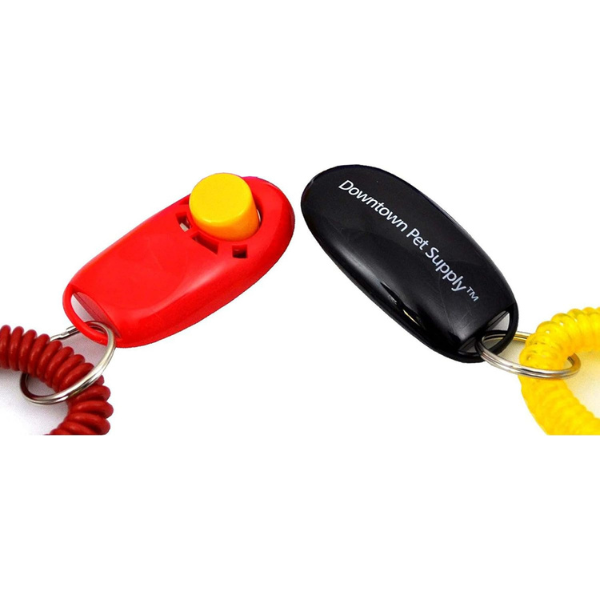
There are several types of clickers available, each with its unique design and sound. The most common is the classic plastic clicker, which is small and easy to carry. Some trainers prefer metal clickers because they produce a sharper, louder sound that cuts through background noise better.
Other options include wristband clickers, which keep the clicker attached to your wrist for quick access. You might also find silent clickers that use vibration instead of sound, ideal for dogs sensitive to noise. Think about your training environment and your dog’s personality when selecting a type.
Features To Consider
Beyond the clicker type, consider features that can impact your training experience. A clicker with a wrist strap or clip prevents it from getting lost during active sessions. The sound volume and tone matter, too—choose a clicker that produces a clear, consistent click your dog can easily associate with positive behavior.
Ergonomics play a role as well; a clicker that fits comfortably in your hand reduces fatigue during longer training. Some clickers offer dual sounds or adjustable volume, giving you more control. What small feature could make your training smoother?
Budget-friendly Options
You don’t need to spend a lot to get a reliable clicker. Basic plastic clickers often cost just a few dollars and work perfectly well for most dogs. If you’re just starting out or training multiple dogs, buying a pack of inexpensive clickers can be a smart move.
However, avoid the cheapest models that produce inconsistent sounds or break easily. Investing in a moderately priced clicker with good reviews saves you from frustration. Have you ever bought something cheap only to replace it quickly? Picking a durable clicker from the start saves time and money.
Integrating Clicker Training With Other Methods
Integrating clicker training with other dog training methods can enhance the learning experience for your dog and make training more effective. The clicker works as a precise marker to tell your dog exactly when they’ve done the right thing, but combining it with other cues and environments helps solidify the behavior. Let’s look at how you can blend clicker training with verbal commands, outdoor sessions, and breed-specific needs.
Combining With Verbal Commands
Clicker training works best when paired with clear verbal commands. Use the click sound to mark the exact moment your dog responds correctly to a command like “sit” or “stay.”
This pairing helps your dog connect the command with the action and the reward. For example, say “sit,” and the moment your dog sits, click and then treat. Over time, your dog learns to respond to your words confidently without needing the click every time.
Have you noticed how your dog’s attention sharpens when you use both cues? It’s a powerful way to boost communication between you and your pet.
Using Clicker Training Outdoors
Outdoor training adds distractions, making it harder for your dog to focus. The clicker’s consistent sound cuts through noise and helps your dog zero in on what you want.
Start with simple commands in a quiet outdoor space, then gradually increase distractions. Each time your dog succeeds, click and reward immediately.
This approach builds your dog’s ability to listen even when squirrels or other dogs are nearby. How do you keep your dog’s attention outdoors?
Adapting For Different Dog Breeds
Different breeds learn at different paces and respond to training styles uniquely. Some dogs, like Border Collies, catch on quickly, while others, like Bulldogs, might need more patience.
Adjust your clicker training sessions to suit your dog’s personality. Use shorter, frequent sessions for breeds with shorter attention spans and more treats for those who need extra motivation.
Have you observed how your dog’s breed influences their response to training? Tailoring your approach can make a big difference in progress and enjoyment.

Credit: www.amazon.ca
Frequently Asked Questions
What Is A Clicker In Dog Training?
A clicker is a small device that makes a distinct clicking sound. It marks desired behaviors instantly, helping dogs understand which actions earn rewards. This sound-based tool enhances communication between trainers and dogs, making training clearer and more effective.
How Does A Clicker Improve Dog Training?
Clickers provide precise timing for marking good behavior. This accuracy helps dogs learn faster and reduces confusion. Using a clicker reinforces positive actions consistently, leading to better obedience and quicker skill acquisition.
Can Clicker Training Work For All Dog Breeds?
Yes, clicker training is effective for all breeds and ages. It leverages positive reinforcement, which is universally motivating for dogs. This method adapts well to each dog’s learning pace and personality.
When Should I Use A Clicker During Training?
Use the clicker immediately when your dog performs the desired action. Timing is key to clear communication. Click, then follow with a treat or reward to strengthen the behavior.
Conclusion
A clicker helps dogs learn by giving clear signals. It marks the exact moment a dog does something right. This makes training faster and more fun for both. Dogs understand what you want more easily. Using a clicker builds trust between you and your pet.
Small clicks lead to big changes in behavior. Try adding a clicker to your training routine. See how simple and effective it can be. Training becomes a positive experience for everyone involved.