
Choosing the right food for your adult dog can feel overwhelming. With so many options on the market, how do you know what’s best for your furry friend’s health and happiness?
The food you pick affects your dog’s energy, coat, and overall well-being every single day. You’ll discover simple, clear steps to help you choose the perfect adult dog food. By the end, you’ll feel confident that you’re giving your dog the nutrition they truly need.
Keep reading to unlock the secrets to a healthier, happier dog!
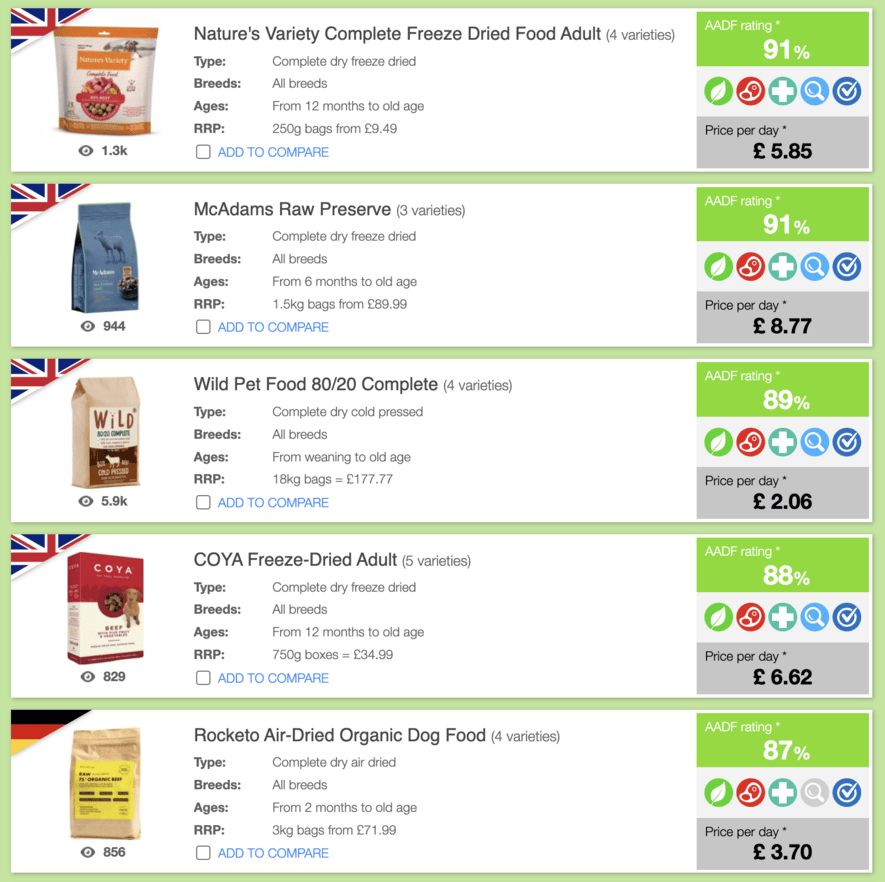
Credit: www.allaboutdogfood.co.uk
Key Nutrients For Adult Dogs
Choosing the right food for your adult dog means understanding what nutrients they need to stay healthy and active. Adult dogs require a balanced diet that supports their energy levels, maintains their muscles, and keeps their immune system strong. Knowing which nutrients to look for helps you pick a dog food that truly benefits your furry friend.
Proteins And Fats
Proteins are the building blocks of your dog’s body. They help repair tissues and build muscles. Look for dog food with high-quality protein sources like chicken, beef, or fish listed as the first ingredient.
Fats provide energy and keep your dog’s skin and coat shiny. Omega-3 and Omega-6 fatty acids are especially important. They reduce inflammation and support brain health. Have you checked the fat content on your dog’s food label recently?
Vitamins And Minerals
Vitamins and minerals keep your dog’s body functioning properly. Vitamin A supports vision, while Vitamin E acts as an antioxidant. Calcium and phosphorus are crucial for strong bones and teeth.
Look for dog food that includes a variety of these nutrients without relying on synthetic additives. A well-rounded vitamin and mineral profile helps your dog stay energetic and immune to common illnesses. Have you ever noticed how your dog’s energy changes when their diet lacks these?
Avoiding Fillers And Additives
Fillers like corn, wheat, and soy add bulk but little nutrition. They can cause allergies or digestive issues in some dogs. Always read the ingredient list to avoid unnecessary fillers.
Artificial colors, flavors, and preservatives may make food look and taste better but can harm your dog’s health over time. Choosing natural ingredients with minimal additives protects your dog’s long-term wellbeing. Are you confident your dog’s food is free from these hidden ingredients?

Credit: dogsauce.co
Types Of Dog Food
Choosing the right type of dog food is key to keeping your adult dog healthy and happy. Different types of food offer various benefits depending on your dog’s needs, lifestyle, and taste preferences. Understanding these options helps you make a choice that suits both your budget and your dog’s well-being.
Dry Kibble
Dry kibble is the most common type of dog food. It’s convenient, affordable, and has a long shelf life. Many dog owners appreciate how easy it is to store and serve, especially for busy schedules.
One of the biggest advantages of dry kibble is that it can help keep your dog’s teeth clean by reducing plaque buildup. However, some dogs may find it less palatable if they prefer moist food textures.
Wet Canned Food
Wet canned food contains more moisture, which can help keep your dog hydrated. It often has a stronger aroma and taste, making it appealing to picky eaters or dogs with dental issues.
Because of its high moisture content, wet food can be more expensive and less convenient to store once opened. You might want to mix it with dry kibble to balance taste, texture, and cost.
Raw And Homemade Diets
Raw and homemade diets give you full control over what your dog eats. Preparing fresh meals can be rewarding, but it requires time, knowledge, and strict hygiene to ensure balanced nutrition and safety.
If you’ve ever tried making your dog’s food at home, you know how satisfying it can be to see them enjoy every bite. Just ask yourself: are you ready to commit to the planning and preparation this diet demands?
Tailoring Food To Your Dog’s Needs
Choosing the right adult dog food means looking beyond just the brand or price. You need to focus on your dog’s unique needs. Every dog is different, and their diet should reflect their age, size, breed, and health.
Understanding these factors helps you pick food that supports their energy, growth, and overall wellbeing. Have you ever noticed how some dogs thrive on one type of food while others don’t? That’s because their nutritional requirements vary widely.
Age And Size Considerations
Adult dogs have different needs depending on their age and size. A small breed adult dog usually requires more calorie-dense food because they burn energy faster. Larger breeds often need food that supports joint health and slower metabolism.
For example, a 7-year-old Labrador might benefit from food with added glucosamine, while a 3-year-old Chihuahua needs food rich in fats and proteins to keep up its energy. Check the packaging for age recommendations—puppy, adult, and senior formulas are specially made to fit these stages.
Breed-specific Nutrition
Breed plays a big role in what your dog needs from their food. Some breeds have unique digestive systems or are prone to specific health issues that can be managed with the right diet.
For instance, large breeds like Great Danes often need food that supports heart health and reduces the risk of bloat. Smaller breeds such as Dachshunds may require kibble that is easier to chew and digest. Have you looked into breed-specific formulas? They might be worth trying if you want to tailor nutrition precisely.
Health Conditions And Allergies
Health issues and allergies drastically affect which dog food you should choose. Dogs with sensitive stomachs or allergies often need limited ingredient diets or hypoallergenic food.
If your dog shows signs of itching, digestive upset, or ear infections, consider consulting your vet about food allergies. Food tailored to these conditions can improve your dog’s comfort and quality of life. Don’t ignore recurring symptoms—adjusting diet can be a game changer.
Reading Dog Food Labels
Reading dog food labels is a crucial skill for every dog owner. These labels hold the key to understanding what you’re feeding your pet and ensuring it meets their health needs. Getting familiar with the information on these packages can save your dog from nutritional gaps or harmful ingredients.
Ingredient Lists
The ingredient list shows everything that goes into the food, starting with the most abundant. Look for real meat or named protein sources like “chicken” or “beef” rather than vague terms like “meat by-products.”
Ingredients are listed by weight, so the first few are the most important. If you spot a lot of fillers like corn, wheat, or soy at the top, ask yourself if that’s the nutrition your dog really needs.
Think about your dog’s preferences and allergies. I once switched to a food where salmon was the first ingredient, and my dog’s coat improved noticeably within weeks. Could the ingredient list make such a difference for your dog too?
Nutritional Adequacy Statements
This statement tells you if the food meets the standards set by the Association of American Feed Control Officials (AAFCO). It confirms whether the food is complete and balanced for your dog’s specific life stage, like adult maintenance or growth.
Check for phrases like “complete and balanced” on the label. If you see “for intermittent feeding only,” it means the food isn’t suitable as the sole diet.
Don’t guess if the food covers all nutritional bases—this statement is your proof. Could your dog’s current food be lacking essential vitamins or minerals?
Expiration Dates
Expiration dates ensure the food’s nutrients remain effective and the product is safe to eat. Feeding expired food can lead to nutritional deficiencies or even illness.
Always check for the “best by” or “use by” date before buying or feeding. Store the food properly to keep it fresh longer—airtight containers and a cool, dry place work best.
Have you ever noticed your dog avoiding a certain batch of food? It might be past its prime. Paying attention to expiration dates helps you avoid such issues and keeps your dog’s meals fresh and tasty.
Tips For Transitioning Foods
Transitioning your dog’s food requires care and attention. A smooth switch helps avoid stomach upset. Follow these tips to ensure your pet adapts well to new food.
Gradual Introduction
Introduce the new food slowly over a week. Start by mixing a small amount of the new food with the old. Gradually increase the new food each day. This allows your dog’s digestive system to adjust. A slow transition helps prevent digestive issues.
Monitoring For Reactions
Watch your dog for any adverse reactions. Look for signs like vomiting or diarrhea. Check for changes in energy levels or behavior. If you notice anything unusual, consult your vet. Early detection of issues ensures your dog’s health.
Adjusting Portions
Adjust the portion sizes according to your dog’s needs. Check the feeding guidelines on the food package. Each dog has unique dietary requirements. Monitor your dog’s weight and energy levels. Adjust portions if necessary to maintain a healthy weight.
Budget-friendly Choices
Choosing adult dog food on a budget requires smart planning. It is possible to find options that keep your dog healthy without spending too much. Focus on options that provide good nutrition and fit your wallet.
Balancing Cost And Quality
Look for dog food that offers essential nutrients at a fair price. Avoid the cheapest brands with low-quality ingredients. Check labels for protein sources and avoid fillers like corn or wheat. Sometimes mid-range brands offer better nutrition than very cheap ones. Reading reviews helps find products with good value.
Buying In Bulk
Buying larger bags or bulk packs can save money. Many stores offer discounts on bigger quantities. Make sure to store the food properly to keep it fresh. Use airtight containers to prevent spoilage and pests. Bulk buying reduces packaging waste and trips to the store.
Homemade Supplement Options
Adding homemade supplements can boost nutrition without high cost. Simple ingredients like cooked eggs, carrots, or rice add vitamins and fiber. Use supplements to support the main dog food. Consult your vet before changing your dog’s diet. Homemade options give control over quality and cost.
Consulting Your Veterinarian
Choosing the right food for your adult dog can feel overwhelming with so many options on the market. Your veterinarian is a valuable resource who understands your dog’s unique health needs and lifestyle. Consulting your vet ensures that the diet you pick supports your dog’s well-being and longevity.
Regular Checkups
Regular vet visits give you a chance to discuss your dog’s current diet and how well it’s working. Your vet can spot subtle signs of allergies, digestive issues, or nutritional gaps that you might miss. These checkups help keep your dog’s diet aligned with their health status over time.
Think about how often you visit your doctor to review your nutrition and health. Shouldn’t your dog get the same attention?
Diet Adjustments
As dogs age or face health changes, their dietary needs can shift quickly. Your vet can recommend adjustments based on weight changes, activity levels, or medical conditions. Switching protein sources, adding supplements, or changing calorie intake might be necessary.
Have you noticed your dog’s energy or coat quality change? These can be clues that their food needs tweaking.
Specialized Nutrition Plans
Some dogs need more than just standard adult dog food. Your veterinarian can design specialized nutrition plans for allergies, kidney issues, or joint health. These tailored diets can improve quality of life and manage chronic conditions effectively.
Would you rather guess your dog’s dietary needs or rely on a plan crafted by a professional who knows your pet best?
Credit: www.purina.com
Frequently Asked Questions
What Ingredients Should I Look For In Adult Dog Food?
Look for high-quality protein, like chicken or beef, as the first ingredient. Include whole grains, vegetables, and essential fatty acids for balanced nutrition. Avoid fillers, artificial colors, and preservatives to ensure your dog’s health and energy.
How To Choose Dog Food Based On My Dog’s Size?
Select dog food formulas tailored to your dog’s size: small, medium, or large breed. Size-specific foods support digestion, dental health, and nutrient absorption. Always check packaging labels to find the best fit for your dog’s size and life stage.
Can Adult Dog Food Support My Dog’s Health Needs?
Yes, adult dog food can address specific health needs like weight management, allergies, or sensitive digestion. Choose formulas with added supplements like omega fatty acids or probiotics. Consult your vet to find the best food that supports your dog’s unique health conditions.
How Often Should I Feed My Adult Dog Daily?
Feed your adult dog twice a day, dividing the daily portion into two meals. This maintains steady energy levels and prevents overeating. Adjust feeding amounts based on your dog’s activity, weight, and vet recommendations to keep them healthy.
Conclusion
Choosing the right adult dog food helps keep your pet healthy. Check ingredients for quality protein and balanced nutrients. Consider your dog’s age, size, and health needs. Always read labels carefully and avoid fillers. Fresh water and regular feeding times matter too.
Consult your vet for personalized advice. Small changes can make a big difference. Your dog deserves the best food for a happy life. Keep learning and adjust as your dog grows. Simple steps lead to a healthier, stronger companion.