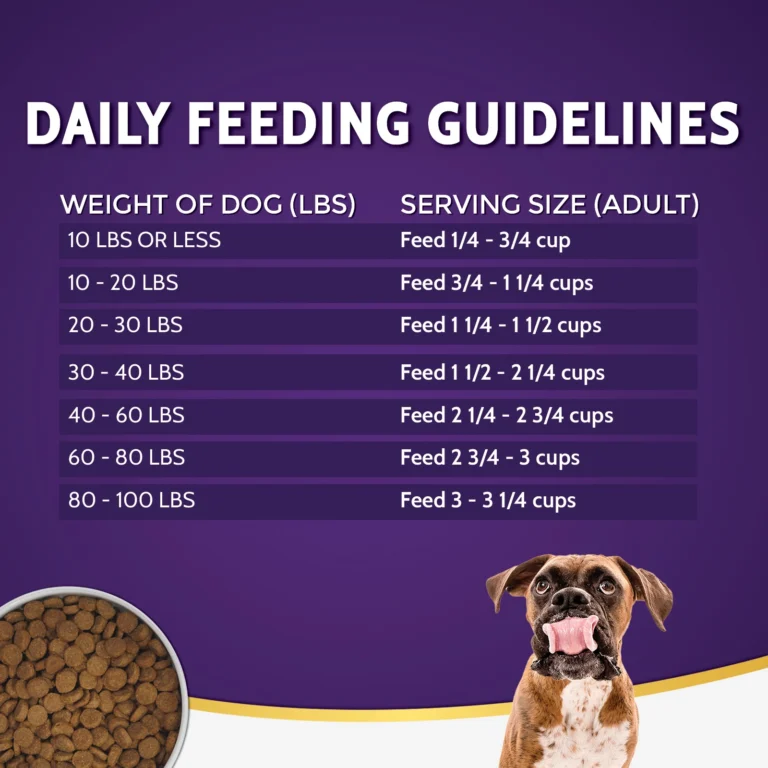

You want the best for your furry friend, and that includes feeding them the right food at the right time. But how do you know when your puppy is ready to switch from puppy food to adult dog food?
Making this change too early or too late can affect your dog’s health and happiness. You’ll discover the key signs to watch for and expert tips to make the transition smooth. Keep reading to ensure your dog’s diet supports their growth and keeps them healthy for years to come.

Credit: shop.pricechopper.com
Signs Your Puppy Is Ready
Knowing when your puppy is ready for adult dog food helps keep them healthy. Puppies grow fast, and their food needs change too. Watch for signs that show they can handle new food. These signs help you decide the right time to switch.
Age Benchmarks
Most puppies start adult food between 9 and 12 months. Small breeds may switch earlier, around 9 months. Large breeds need more time, up to 12 months or more. Age alone is not enough. Combine it with other signs for best results.
Behavioral Changes
Puppies ready for adult food show less playfulness than before. They become calmer and less hyperactive. Appetite might change, with more interest in solid food. Chewing habits also evolve, focusing on tougher items. These behavior changes signal growth and readiness.
Physical Development
Look for changes in teeth and weight. Puppies lose baby teeth and get adult teeth by 6 to 7 months. Weight gain slows down as growth nears its end. Muscle tone improves and bones feel stronger. These physical signs show your puppy is growing up.
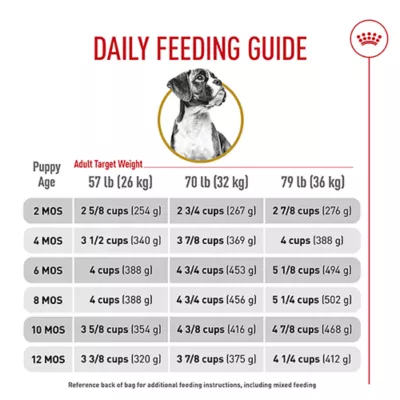
Credit: www.petsmart.com
Nutritional Needs Shift
As your dog grows, their body changes and so do their nutritional needs. The shift from puppy food to adult dog food isn’t just about age; it’s about meeting these evolving requirements to keep your dog healthy and active. Understanding these changes helps you decide the right time to make the switch.
Calorie Requirements
Puppies burn more calories because they are growing rapidly and have higher energy levels. Once your dog reaches adulthood, their energy needs decrease, so continuing to feed high-calorie puppy food can lead to weight gain.
Ask yourself: Is your dog starting to slow down, or do they seem less active? These signs often mean their calorie needs have dropped. Adjusting calorie intake helps maintain a healthy weight and prevents obesity-related issues.
Protein And Fat Levels
Puppies need more protein and fat to support their development. Adult dogs require less of these nutrients since their growth phase is over.
Switching to adult dog food means reducing protein and fat levels to match their maintenance needs. Feeding too much protein or fat can stress organs over time, so balancing these nutrients is key for long-term health.
Vitamin And Mineral Adjustments
Vitamins and minerals in puppy food support rapid growth and bone development. Adult dog food has different levels to maintain health without encouraging excessive growth.
Think about calcium: too much during adulthood can cause joint problems. Ensuring your dog gets the right balance of vitamins and minerals keeps their immune system strong and their bones healthy without overloading their system.
Transitioning Food Safely
Puppies can start eating adult dog food around one year old, depending on their size and breed. Gradually mixing adult food with puppy food helps avoid stomach upset during the switch. Watch your dog’s health and energy to know when the transition feels right.
Transitioning your beloved canine companion from puppy food to adult dog food is a significant milestone. Ensuring this shift happens smoothly is crucial for their health and happiness. The key to a successful transition lies in patience and observation.Gradual Mix Method
Begin by mixing a small portion of adult dog food with their regular puppy food. Over a period of 7 to 10 days, gradually increase the amount of adult food while decreasing the puppy food. This slow shift helps your dog’s digestive system adjust without causing discomfort.Monitoring Digestive Health
Keep a close eye on your dog’s stool during the transition. Any drastic changes in consistency or frequency could signal digestive issues. If you notice anything concerning, it might be wise to slow down the transition or consult your vet.Avoiding Common Pitfalls
Resist the urge to rush the process, no matter how excited you are. Abrupt changes can lead to upset stomachs and unnecessary stress for your dog. Always ensure that your pup has access to fresh water, especially when trying new foods. Have you ever noticed any signs of discomfort in your pet when changing their diet? Share your experiences and tips to help others in the comments below!Breed And Size Considerations
Choosing the right time to switch your dog to adult food depends heavily on your dog’s breed and size. Different breeds grow at different rates and have unique nutritional needs that affect when they should transition to adult dog food. Paying close attention to these factors will help you support your dog’s health and energy levels as they mature.
Small Vs Large Breeds
Small breeds often reach adulthood faster than large breeds. For example, a Chihuahua might be ready for adult food around 9 to 12 months, while a Great Dane could need puppy food for up to 18 to 24 months. This is because large breeds take longer to fully develop their bones and muscles.
Switching too early for a large breed can lead to nutritional deficiencies, while waiting too long for a small breed might cause unnecessary weight gain. Watch your dog’s growth pattern closely to decide the best time to start.
Growth Rate Differences
Growth rates vary widely across breeds and directly impact dietary needs. Puppies with rapid growth require more calories and specific nutrients like calcium and phosphorus to build strong bones. Slower-growing breeds or mixed breeds might not need such intense nutritional support for as long.
Are you tracking your puppy’s weight and size regularly? This simple habit can reveal if they are growing at a healthy pace and when their dietary needs begin to shift.
Special Dietary Needs
Some breeds come with unique health concerns that influence when and what type of adult food they should eat. For example, large breeds prone to joint issues benefit from diets enriched with glucosamine and omega-3 fatty acids. Small breeds with fast metabolisms may need calorie-dense adult formulas to maintain energy.
Consult your vet about breed-specific formulas and feeding schedules. Tailoring your dog’s diet to their unique needs can prevent health problems and keep them vibrant well into adulthood.
Consulting Your Veterinarian
Consulting your veterinarian is essential before switching your dog to adult food. Every dog grows and changes differently. Vets offer expert advice tailored to your dog’s unique needs. Their guidance ensures a smooth and healthy food transition.
Personalized Timing Advice
Your veterinarian will recommend the best time to start adult food. This depends on your dog’s breed, size, and growth rate. Smaller dogs often mature faster than large breeds. The vet considers these factors to set the right timing. Following this advice helps avoid nutrition gaps or excesses.
Health Checkups Before Switch
Schedule a health checkup before changing your dog’s diet. The vet checks weight, teeth, and overall health. This visit identifies any issues affecting nutrition needs. Healthy dogs adapt better to new food. The checkup also confirms your dog is ready for adult food.
Addressing Underlying Issues
Sometimes health problems influence when to start adult food. Conditions like allergies or digestive troubles need special care. Your vet can suggest diets that support these issues. Early detection and treatment improve your dog’s wellbeing. This approach ensures the diet change supports your dog’s health.
Signs To Delay Adult Food
Knowing when to delay switching your puppy to adult dog food can make a big difference in their health and happiness. Puppies grow at different rates, and some signs tell you it’s better to wait before making the change. Paying close attention to these signals helps you support your dog’s unique needs during this critical time.
Ongoing Puppy Growth
Some dogs, especially larger breeds, continue growing well past their first year. If your puppy still looks lanky or is gaining weight steadily, they probably need the extra nutrients found in puppy food. Switching too early can stunt their growth or cause nutritional gaps.
Have you noticed your dog reaching new height or weight milestones recently? That’s a clear sign to hold off on adult food. Keep monitoring their size for a few more months before making the switch.
Health Concerns
If your puppy shows signs of health issues, such as digestive upset or skin problems, adult food might be too harsh. Puppy formulas are designed to be gentle and supportive during development, so switching early could worsen symptoms.
Consult your vet before changing diets if your dog is recovering from illness or has chronic conditions. Sometimes, delaying adult food is necessary to keep your puppy comfortable and thriving.
Poor Appetite Indicators
Does your puppy suddenly seem uninterested in food or eat less than usual? Poor appetite can signal stress or underlying health problems, and changing food during this time might make things worse. Puppies need consistent nutrition to grow strong.
Try to maintain their current diet and observe for a few days. If appetite doesn’t improve, seek veterinary advice before introducing adult food. This patience can prevent nutritional setbacks and help your puppy regain interest in eating.
Credit: www.webbox.co.uk
Frequently Asked Questions
When Should I Switch My Puppy To Adult Dog Food?
Switch to adult dog food when your dog reaches 12 months. Large breeds may need 18 to 24 months. Consult your vet for the best timing.
Why Is Timing Important To Start Adult Dog Food?
Proper timing ensures balanced nutrition for growth and health. Switching too early or late may cause digestive issues or nutrient gaps.
How To Transition My Dog To Adult Food Smoothly?
Gradually mix adult food with puppy food over 7-10 days. Increase adult food amount daily to avoid stomach upset.
What Are Signs My Dog Is Ready For Adult Food?
Signs include slowed growth, stable weight, and adult teeth development. Your vet can confirm readiness during routine checkups.
Conclusion
Choosing the right time to switch your dog’s food is very important. Puppies grow fast and need different nutrients than adults. Watch your dog’s size and behavior to know when to change their diet. Gradually mix adult food with puppy food to help their stomach adjust.
Always check with your vet if unsure. Feeding the right food keeps your dog healthy and happy. Healthy eating supports strong bones, shiny fur, and good energy. Start adult dog food at the right time for the best care.