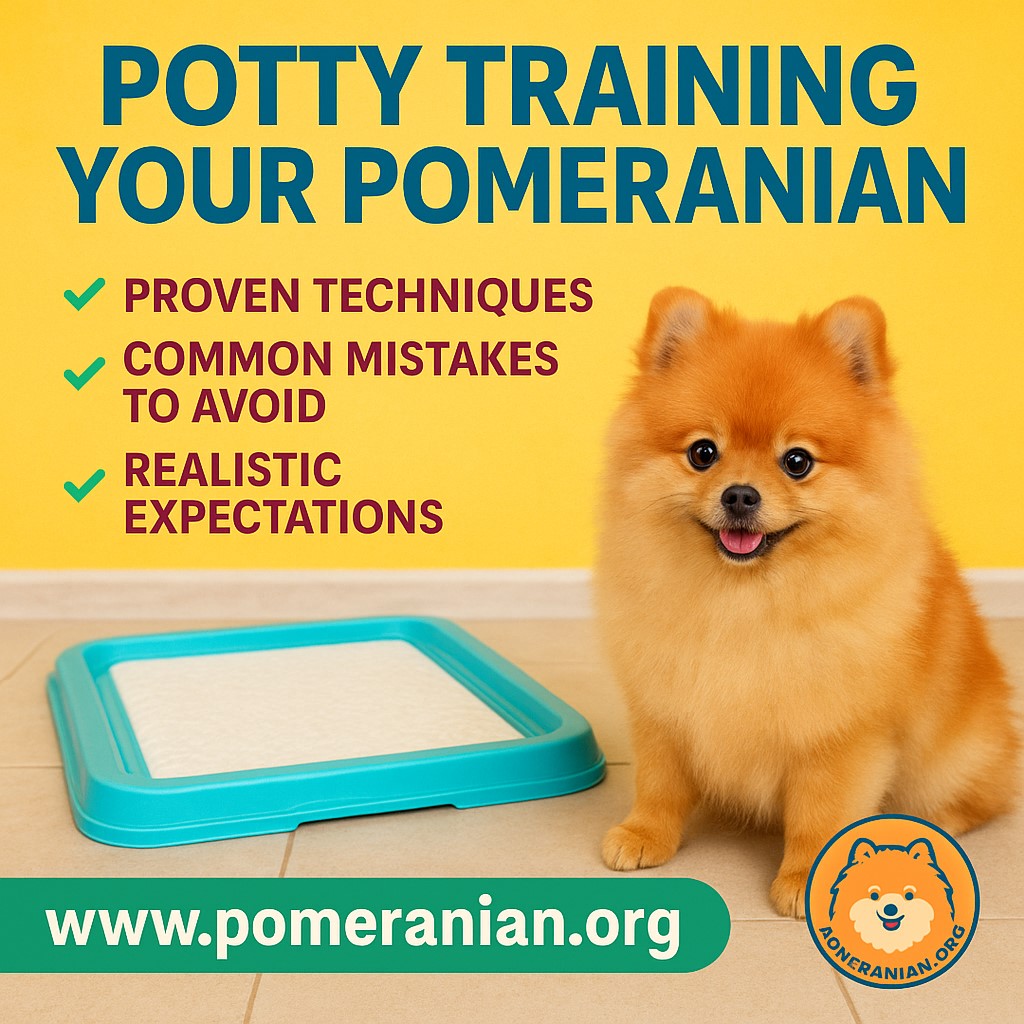

Training your dog to pee on pads can make your life so much easier, especially if you live in an apartment or face bad weather often. But if you’ve tried before and felt frustrated or confused, you’re not alone.
The good news is, with the right steps and a bit of patience, you can teach your dog exactly where to go. Imagine no more accidents on your floor and a happier, cleaner home for you and your furry friend.
Keep reading, and you’ll discover simple, effective tips that anyone can use to make pad training a success.
Choosing The Right Pee Pads
Choosing the right pee pads is crucial for successful potty training. The right pad can make the difference between quick progress and ongoing frustration. Understanding what makes a good pee pad helps you set up your dog for success.
Types Of Pee Pads
Pee pads come in different varieties, each designed to meet specific needs. Some have a plastic backing to prevent leaks, while others focus on odor control with added scents or activated charcoal. There are even biodegradable options if you want to reduce waste.
Consider your dog’s habits and your lifestyle when choosing the type. For example, if your dog is a heavy wetter, a pad with extra leak protection is essential. If odor is a big concern, look for pads with strong odor control features.
Size And Absorbency
Size matters when it comes to pee pads. A pad that’s too small might miss the mark during those early training days. Larger pads give your dog more room to aim, reducing accidents outside the pad.
Absorbency is just as important. A pad that absorbs quickly prevents your dog’s paws from getting wet, which can discourage them from using it again. Check the product details for absorbency levels and choose one that matches your dog’s size and bladder capacity.
Placement Tips
Where you place the pee pad can impact your dog’s willingness to use it. Pick a quiet, low-traffic area to avoid distractions. Make sure it’s easy for your dog to find and access at all times.
Try placing the pad near where your dog usually goes potty. If your dog tends to relieve themselves in a corner, place the pad there. Watch how your dog approaches and adjust the spot if needed to encourage consistent use.

Credit: www.amazon.com
Preparing Your Dog
Preparing your dog to pee on pads is the first key step in training. It sets clear expectations and creates a calm environment. Dogs respond well to gentle guidance and consistency. Taking time to prepare helps avoid confusion and accidents.
Preparation also builds trust between you and your dog. It shows patience and care. This foundation makes the training process smoother and more effective.
Introducing The Pad
Place the pee pad in a quiet, easy-to-reach spot. Let your dog sniff and explore it without pressure. This helps your dog become familiar with the new object.
Use words like “pad” or “bathroom” consistently. Point to the pad when your dog shows signs of needing to go. This links the pad to the bathroom idea.
Setting A Routine
Dogs learn best with a clear schedule. Take your dog to the pad at regular times, such as after meals and naps. This helps build a bathroom habit.
Watch for signs like sniffing or circling. Guide your dog gently to the pad when you see these signs. Keep the routine simple and predictable.
Positive Reinforcement
Praise your dog immediately after they pee on the pad. Use a happy voice and gentle petting. Treats can also motivate your dog to repeat the behavior.
Avoid punishment for accidents. This can confuse or scare your dog. Focus on rewarding good behavior to encourage success.
Training Steps
Begin by placing the pee pad in a quiet, easy-to-reach spot. Encourage your dog to use the pad by guiding them there often. Praise and reward your dog immediately after they pee on the pad to build good habits.
Training your dog to pee on pads requires patience and consistency. Using a step-by-step approach can make this process more manageable. By understanding your dog’s behavior, you can guide them effectively. This section will outline key training steps.Watching For Signs
Pay attention to your dog’s behavior. Dogs show signs before they need to pee. Look for sniffing or circling. These are indicators they need to go. Catching these signs early helps you act fast.Guiding To The Pad
Once you notice signs, guide your dog to the pad. Use a gentle voice and lead them to the spot. Consistency is key. Always use the same words to encourage them. This helps them associate the pad with peeing.Rewarding Success
Praise your dog immediately after they pee on the pad. Use treats or verbal praise. This reinforces the behavior positively. Be enthusiastic with your praise. Dogs respond well to happy tones. The reward makes them want to repeat the action.Handling Accidents
Handling accidents is a normal part of training your dog to pee on pads. Dogs are learning new habits. Mistakes happen. How you respond to these accidents shapes your dog’s progress. Stay calm and patient. Reacting right helps your dog learn faster and feel safe.
Cleaning Properly
Clean accidents quickly and thoroughly. Use an enzyme cleaner to remove all smells. Regular cleaners may not remove the scent. A lingering smell can make your dog pee there again. Avoid ammonia-based cleaners. They smell like urine and confuse your dog.
Avoiding Punishment
Never punish your dog for accidents. Punishment causes fear and confusion. Your dog may hide or avoid you. Focus on positive reinforcement. Reward your dog when it pees on the pad. This builds trust and good habits.
Redirecting Behavior
If your dog pees outside the pad, gently guide it to the right place. Pick up your dog and place it on the pad. Encourage it to pee there next time. Use a calm voice and praise. Consistency helps your dog understand where to go.
Maintaining Consistency
Maintaining consistency is key when training your dog to pee on pads. Dogs thrive on routine, and sticking to a clear plan helps them understand what you expect. Without consistency, your dog may become confused, making training take much longer.
Regular Schedule
Set specific times during the day for your dog to use the pee pad. Try to take your dog to the pad right after meals, playtime, or naps. This helps your dog associate these moments with bathroom breaks.
Keeping a consistent schedule also lets you anticipate when your dog needs to go, reducing accidents. Have you noticed how your dog’s habits change throughout the day? Paying attention to these patterns can improve your timing.
Gradual Transition
If you plan to move the pee pad to a different location, do it slowly. Shift the pad a few inches every day instead of moving it all at once. This helps your dog adjust without getting confused.
Changing the environment too quickly can disrupt your dog’s learning process. Patience here is more effective than rushing. Have you ever tried moving the pad suddenly and seen your dog avoid it?
Monitoring Progress
Track your dog’s use of the pee pad daily. Note when they go on the pad successfully and when accidents happen. This feedback helps you understand what’s working and where more effort is needed.
Use a simple chart or app to record progress. Celebrating small wins keeps you motivated, and your dog will benefit from your attention. What patterns do you see emerging as your dog learns?

Credit: allergystore.com

Credit: www.amazon.com
Frequently Asked Questions
How Long Does It Take To Train A Dog To Pee On Pads?
Training usually takes 1 to 3 weeks with consistent practice. Patience and positive reinforcement speed up the process.
What Supplies Do I Need For Pad Training?
You need absorbent pee pads, treats, a designated training area, and cleaning supplies for accidents.
How Often Should I Take My Dog To The Pee Pad?
Take your dog to the pad every 1-2 hours initially. Gradually increase the time as training improves.
How Do I Encourage My Dog To Use The Pee Pad?
Use treats and praise immediately after your dog pees on the pad. Consistency helps build positive habits.
Conclusion
Training your dog to pee on pads takes time and patience. Consistency helps your dog learn faster. Praise your dog every time it uses the pad. Keep the pads in the same spot to avoid confusion. Watch for signs your dog needs to go.
Cleaning accidents quickly keeps your home fresh. Small steps lead to big success. Stay calm and keep trying. Soon, your dog will know exactly where to go. Training can be simple with care and routine.