
If you have a Yorkie puppy, you want to give it the best care possible. One important question is when to switch from puppy food to adult dog food.
This change can affect your Yorkie’s health, energy, and growth. Making the right choice at the right time keeps your furry friend happy and strong. Keep reading to find out exactly when and how you should make this important switch for your little companion.
Credit: www.petsmart.com
Yorkie Puppy Growth Stages
Understanding the growth stages of a Yorkie puppy helps decide the right time for food changes. Yorkies grow fast and need different nutrition at each stage. Their diet must support healthy bones, teeth, and energy levels. Feeding the right food at the right time ensures strong development and prevents health problems later.
Birth To 8 Weeks
During this stage, Yorkie puppies rely on their mother’s milk. It provides all essential nutrients and antibodies. Solid food is not necessary yet. Puppies start exploring soft, wet food around 4 weeks old. This helps them adjust to eating outside milk. Feeding small amounts frequently suits their small stomachs.
8 Weeks To 6 Months
Puppies grow quickly and need more protein and calories. High-quality puppy food supports muscle and brain development. Dry kibble or wet food can be introduced gradually. Feeding 3 to 4 times daily keeps energy levels stable. Portion control prevents overeating and obesity. This stage builds the foundation for adult health.
6 Months To 12 Months
Growth slows but still continues. Nutritional needs start shifting towards adult requirements. Puppies may start eating less often, usually 2 meals daily. Some breeders suggest beginning the transition to adult food around 9 to 12 months. Monitor your Yorkie’s weight and energy. Adjust food type and amount accordingly for steady growth.
Credit: www.petco.com
Signs To Switch To Adult Food
Recognizing the right moment to switch your Yorkie puppy from puppy food to adult dog food is crucial for their health. You don’t want to wait too long or make the change too early. Watching for specific signs helps you make the best decision for your furry friend’s growth and well-being.
Physical Development Indicators
Your Yorkie will show clear physical signs when it’s time to transition. Puppies typically finish growing between 9 to 12 months. Look for changes like reaching their full height and weight or their adult teeth fully coming in.
If your puppy’s coat looks thicker and their body feels firmer, these are good signals. You might notice they’re less clumsy and more coordinated too. These physical cues mean their body is ready for adult nutrition.
Behavioral Changes
Behavior tells a story about your Yorkie’s maturity. Puppies often have bursts of energy and constant hunger, needing high-calorie puppy food. When their energy levels stabilize and they seem satisfied with smaller meals, it’s a sign they’re growing out of puppyhood.
Have you noticed your Yorkie showing more patience during feeding or less frantic begging? Those are subtle hints. Pay attention to how your puppy acts around mealtime—it can help you time the switch perfectly.
Nutritional Needs Shift
As your Yorkie matures, their nutritional needs change. Puppy food is packed with extra protein and fat to support growth. Once growth slows, too many calories can cause unnecessary weight gain or health problems.
Adult dog food offers balanced nutrients for maintenance, including appropriate protein levels and fewer calories. You might want to compare labels and choose a formula designed for small adult breeds. Making this switch helps keep your Yorkie fit and healthy long term.
Choosing The Right Adult Dog Food
Yorkie puppies usually switch to adult dog food around one year old. This change supports their slower growth and new energy needs. Choosing the right food helps keep your Yorkie healthy and active as it grows.
Choosing the right adult dog food for your Yorkie is crucial to ensuring their health and happiness as they transition from puppyhood. A well-balanced diet supports their unique nutritional needs and keeps their coat shiny and their energy levels high. As you make this important decision, consider several factors to provide the best possible nutrition for your furry friend.Key Ingredients For Yorkies
Focus on high-quality proteins, like chicken or fish, which are essential for muscle maintenance. Yorkies often benefit from foods rich in omega-3 and omega-6 fatty acids to support their skin and coat health. Look for dog foods that include whole grains and vegetables, providing essential vitamins and minerals. Avoid fillers that offer little nutritional value.Avoiding Common Allergens
Yorkies can be prone to food allergies, so it’s important to be vigilant. Common allergens include wheat, soy, and corn, so check labels carefully. If your Yorkie shows signs of an allergy, such as itching or digestive issues, consult your vet for advice on hypoallergenic options.Portion Size And Calorie Requirements
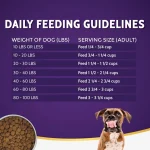
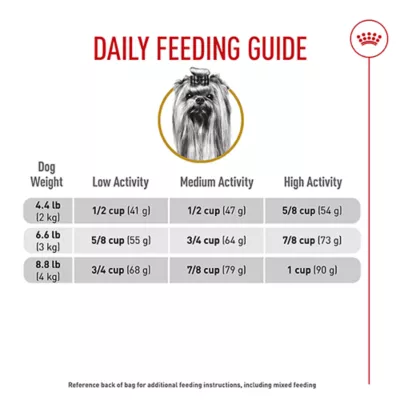
Yorkies are small dogs with specific calorie needs. Overfeeding can lead to obesity, so measure portions according to the guidelines on the dog food package. Stay attuned to your Yorkie’s activity level. Adjust portions if they become more or less active to prevent weight gain or loss. Choosing the right adult dog food for your Yorkie requires careful consideration and attention to detail. By focusing on key ingredients, avoiding allergens, and managing portion sizes, you ensure your Yorkie remains healthy and vibrant throughout their adult years. What steps will you take today to optimize your Yorkie’s diet?
Credit: www.chewy.com
Transitioning Process Tips
Switching your Yorkie puppy from puppy food to adult dog food requires patience and careful attention. The transition process is crucial to avoid upsetting their sensitive stomach and to ensure they get the right nutrients. Here are some tips to help you make this change smoothly and confidently.
Gradual Food Mixing Strategy
Start by mixing a small amount of adult dog food into your Yorkie’s puppy food. Over the course of 7 to 10 days, slowly increase the proportion of adult food while decreasing puppy food. This gentle shift helps your puppy’s digestive system adjust without causing upset.
Keep an eye on how your Yorkie reacts to the new food mix. If you notice any signs of digestive discomfort, like diarrhea or vomiting, slow down the transition. Have you ever rushed a change only to regret it later? Take your time—it pays off.
Monitoring Health And Digestion
Watch your Yorkie’s stools closely during the transition. Firm, consistent stools indicate your puppy is handling the new food well. Loose or very hard stools might mean the food is too rich or not agreeing with them yet.
Besides digestion, observe your Yorkie’s energy levels and coat condition. A healthy, shiny coat and playful behavior signal that the new diet is working. If you see lethargy or dull fur, consider consulting your vet to adjust the diet.
Adjusting Feeding Schedule
Your Yorkie’s feeding schedule might need tweaking as they move to adult food. Puppies usually eat more frequently, but adult dogs thrive on fewer, larger meals. Try shifting from three to two meals per day gradually.
Consistency is key. Feeding your Yorkie at the same times daily helps regulate their digestion and energy. How does your Yorkie respond to new routines? Adjust the schedule based on their behavior and appetite.
Common Mistakes To Avoid
Transitioning your Yorkie puppy from puppy food to adult dog food is an important step that requires careful attention. Many dog owners make common mistakes that can affect their puppy’s health and growth. Recognizing these pitfalls helps you make the best choices for your furry friend’s diet and overall well-being.
Switching Too Early Or Late
Changing your Yorkie’s diet too soon can leave them without enough nutrients to support growth. Puppy food is specially formulated to meet their energy needs and bone development. On the other hand, waiting too long to switch means your dog might consume more calories than needed, leading to weight gain.
Pay attention to your puppy’s size, activity level, and vet recommendations. Did you know some Yorkies might be ready at 9 months, while others benefit from waiting until a year? Timing matters more than you might think.
Ignoring Puppy Preferences
Your Yorkie may show clear likes or dislikes when it comes to new food. Ignoring these signals can cause stress or refusal to eat. Introducing adult food gradually and mixing it with their favorite flavors can ease the transition.
Have you noticed your puppy sniffing and then turning away from food? This is a clue to try different textures or brands. Respecting their preferences can make feeding time enjoyable and reduce waste.
Overfeeding And Underfeeding
Feeding too much adult dog food can quickly lead to obesity in small breeds like Yorkies. Conversely, underfeeding might stunt their growth and weaken their immune system. Portion control based on weight and activity is crucial.
Using measuring cups and following feeding guidelines helps maintain the right balance. Are you tracking your Yorkie’s weight regularly? Small changes in diet can have a big impact on their health.
Veterinarian Recommendations
Veterinarian recommendations play a crucial role in deciding the right time to switch your Yorkie puppy to adult dog food. These professionals consider your puppy’s growth rate, health status, and nutritional needs before suggesting any changes. Listening to their advice helps ensure your furry friend stays healthy and thrives during this important transition.
When To Consult A Vet
Consult your vet around the age of 9 to 12 months, which is typically when Yorkie puppies start maturing. However, every puppy is unique, so the exact timing may vary.
If your Yorkie shows signs of slow growth, digestive issues, or unusual behavior, don’t wait to get professional advice. Your vet can assess if the current diet meets your puppy’s needs or if it’s time to switch to adult food.
Special Dietary Needs
Yorkies may have specific dietary requirements based on allergies, sensitivities, or health conditions like dental problems or obesity.
Your veterinarian can recommend adult dog food formulas that address these special needs. For example, a vet might suggest a food lower in fat for a Yorkie prone to weight gain or one with added dental care benefits.
Regular Health Checkups
Use regular vet visits to monitor your Yorkie’s growth and overall health during the food transition. These checkups allow your vet to adjust dietary recommendations as your dog matures.
Consistent checkups also help catch any nutritional deficiencies early. Would you want to risk your pup missing essential nutrients just because you skipped a routine vet visit?
Frequently Asked Questions
When Is The Right Age To Switch Yorkie Puppy Food?
Yorkie puppies should transition to adult dog food around 9 to 12 months. This timing supports their growth and energy needs. Switching too early or late may affect their health and development.
What Signs Indicate Yorkie Puppy Needs Adult Food?
Signs include slowed growth, decreased energy, and changes in appetite. If your Yorkie looks full-grown and less active, it may be time to switch. Always consult your vet for personalized advice.
How To Transition Yorkie Puppy To Adult Food Safely?
Mix adult food gradually with puppy food over 7-10 days. Increase adult food portion while decreasing puppy food to avoid digestive upset. Monitor your Yorkie’s response during the transition.
Can Switching Too Early Harm A Yorkie Puppy?
Yes, switching too early can cause nutritional deficiencies. Puppies need higher protein and calories for growth. Premature switch may lead to poor development and health issues.
Conclusion
Feeding your Yorkie puppy the right food helps them grow strong. Transition to adult dog food around one year old. Watch their weight and energy for signs to change. Choose food made for small adult dogs. Keep meals balanced and fresh water nearby.
Regular vet visits help track your dog’s health. Each Yorkie grows at its own pace. Patience and care make this change smooth. Your puppy will thank you with a happy, healthy life.