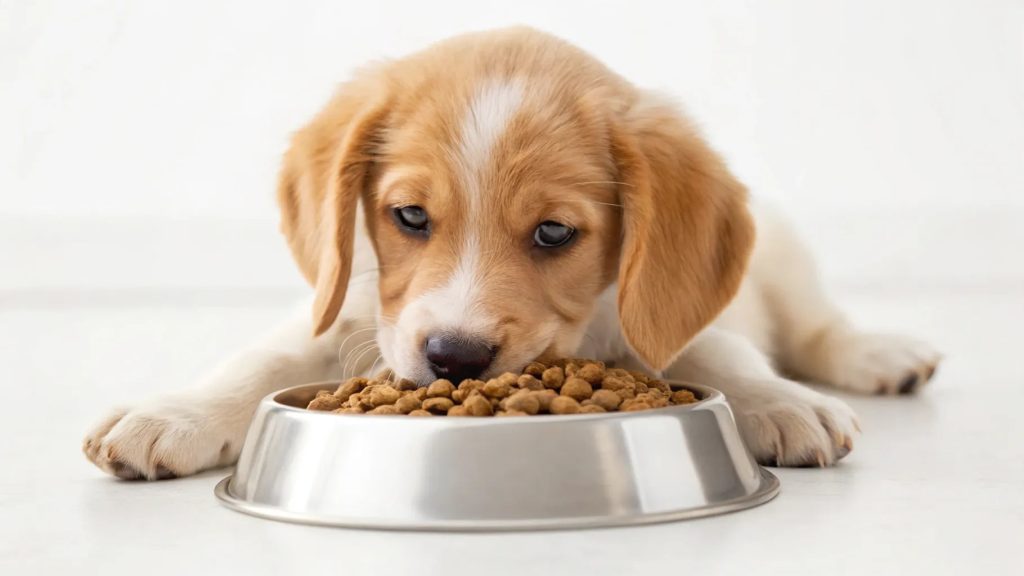

Are you wondering when your playful puppy should start eating adult dog food? Making this switch at the right time is important for your dog’s health and growth.
Feed your puppy too early, and they might miss out on vital nutrients. Wait too long, and you could be slowing down their development. You’ll discover exactly when and why to change your puppy’s diet, helping you give your furry friend the best start in life.
Keep reading to learn the key signs and expert tips that make this transition smooth and safe for your puppy.
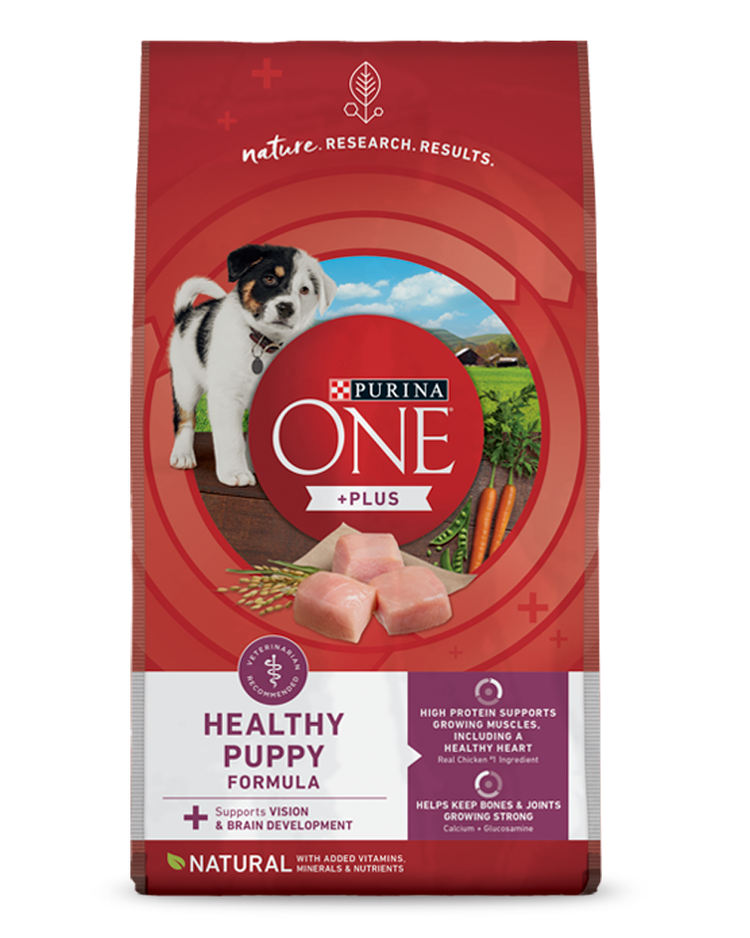
Credit: www.purina.com
Puppy Vs Adult Dog Food
Choosing the right food for your dog is important for their health. Puppies and adult dogs need different nutrients. Feeding the wrong food can affect growth or cause health problems. Understanding the difference between puppy and adult dog food helps you make the best choice for your pet.
Nutritional Differences
Puppy food has higher calories to support energy needs. It contains more protein and fat for muscle and brain growth. Adult dog food has fewer calories to prevent weight gain. It focuses on maintaining health and supporting daily activity.
Growth And Development Needs
Puppies grow fast in the first year. They need extra nutrients like calcium and DHA for strong bones and brain development. Adult dogs need balanced nutrition to keep their body healthy. Feeding adult food too early can cause nutrient gaps and slow growth.
Signs Puppy Is Ready
Knowing when your puppy is ready to eat adult dog food is important for their growth. Puppies change quickly, and their diet must match their needs. Some signs show they are ready to switch from puppy food to adult food.
Age Milestones
Puppies usually start adult food around 9 to 12 months old. Small breeds may switch sooner, near 9 months. Large breeds often wait longer, up to 12 months or more. Age is a basic guide but not the only factor to check.
Behavioral Indicators
- Your puppy starts eating less puppy food or seems less interested.
- They show more stable energy levels throughout the day.
- Their chewing habits change; they can handle tougher food textures.
- They seem less hungry after meals, indicating slower growth.
Health Considerations
Healthy teeth and gums are a must before switching food types. Puppies should have steady weight and no digestive issues. Consult your vet if your puppy has health problems. Always choose adult food that suits your dog’s size and breed.
Transitioning Process
Transitioning your puppy to adult dog food requires careful planning. Puppies grow rapidly, needing specific nutrients to support their development. As they near adulthood, their nutritional needs change. Gradually shifting to adult food ensures they receive the right balance for their size and activity level.
Gradual Food Changes
Introduce new food slowly. Start by mixing a small amount of adult food with their puppy food. Over 7-10 days, increase the adult food portion while decreasing the puppy food. This gradual change helps avoid digestive issues.
Consistency is key. Stick to regular feeding times. This routine helps your puppy adjust smoothly to the new diet.
Monitoring Puppy’s Response
Watch your puppy closely during the transition. Observe their energy levels and digestion. Look for changes in stool consistency and appetite. These can indicate how well they are adapting to the new food.
If your puppy shows signs of digestive upset, slow down the transition. Make adjustments as needed to ensure their comfort and health.
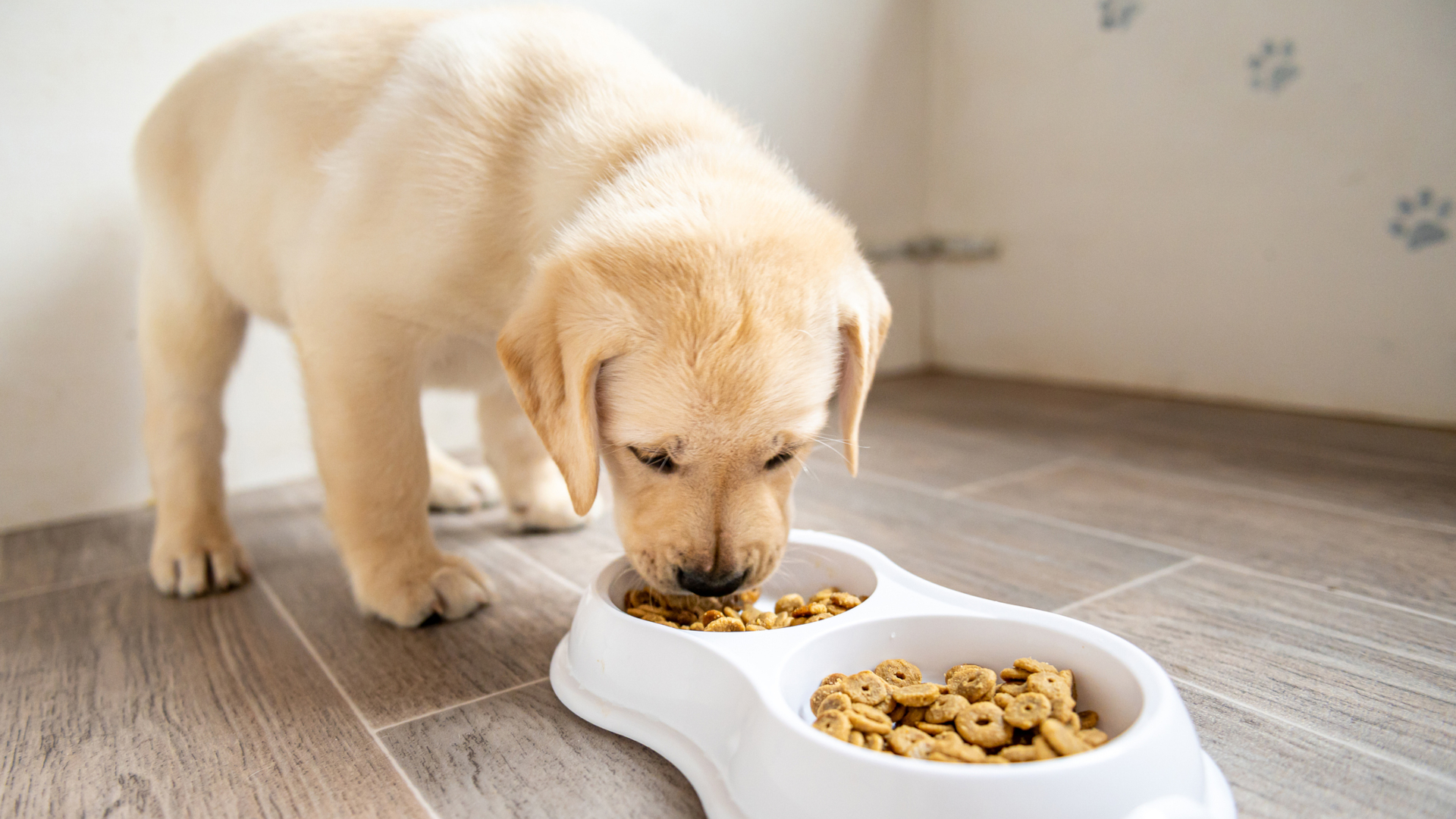
Credit: www.petsradar.com
Common Mistakes To Avoid
Knowing when to switch your puppy to adult dog food is important, but equally crucial is avoiding common mistakes during this transition. These errors can affect your puppy’s growth, digestion, and overall health. Let’s look at some pitfalls you should watch out for to keep your furry friend happy and healthy.
Switching Too Early
Many pet owners make the mistake of switching their puppy to adult food before they’re ready. Puppies need specific nutrients to support their rapid growth and development, which adult food may not provide.
Switching too early can lead to nutritional gaps and even digestive upset. Have you checked your puppy’s breed and size requirements? Larger breeds often need more time on puppy food compared to smaller ones.
Listen to your vet’s advice and observe your puppy’s behavior and growth closely. Rushing this process might seem convenient but can cause more harm than good.
Sudden Diet Changes
Another common mistake is changing your puppy’s diet abruptly. Suddenly swapping food can upset their stomach and cause diarrhea or vomiting.
Your puppy’s digestive system needs time to adjust. Gradually mix the adult food with the puppy food over a week or two. For example, start with 25% adult food and 75% puppy food, then slowly increase the adult food portion.
Have you noticed how your puppy reacts when you change their meals too quickly? Taking the time to transition smoothly helps avoid unnecessary health issues and stress.
Choosing The Right Adult Food
Choosing the right adult food for your puppy is a key step in their growth journey. The switch from puppy food to adult food should support their health and energy needs. Selecting the proper adult diet depends on several important factors. These factors ensure your dog stays strong, active, and healthy throughout their adult life.
Nutrient Balance
Adult dog food must have the right balance of nutrients. Protein supports muscle maintenance and repair. Fats provide energy and keep the coat shiny. Carbohydrates supply fuel for daily activities. Vitamins and minerals help the immune system and overall health.
Look for foods labeled “complete and balanced.” These meet the nutritional needs set by experts. Avoid adult foods with too many fillers or artificial additives. The right balance keeps your dog healthy and happy.
Breed And Size Factors
Breed and size affect the type of adult food needed. Small breeds burn energy faster and may need calorie-rich food. Large breeds grow slower and require food that supports joint health.
Check packaging for breed-specific or size-specific formulas. These foods have nutrient levels suited to your dog’s needs. Feeding the right food helps prevent health problems later in life.
Veterinarian Recommendations
Veterinarian recommendations are key when deciding the right time to switch your puppy to adult dog food. Each puppy grows differently, and your vet’s advice can help you make the best choice for your pet’s health and development. Ignoring professional guidance can lead to nutritional imbalances or growth issues.
Consulting For Personalized Advice
Your veterinarian knows your puppy’s breed, size, and health history. This makes their advice on when to transition to adult food highly personalized. They may suggest switching anywhere between 9 to 12 months, depending on your puppy’s maturity and energy needs.
During your visit, ask specific questions about your puppy’s weight, coat condition, and activity level. Are they maintaining a healthy weight? Is their coat shiny and full? These insights help your vet recommend the perfect timing and type of adult food.
Regular Health Checkups
Regular vet visits are more than just vaccinations—they’re a chance to track your puppy’s development closely. Through these checkups, your vet monitors growth milestones and adjusts dietary advice accordingly.
Imagine skipping these visits and switching food too early or too late. Your puppy could face digestive upset or nutrient deficiencies. Staying on schedule with health checkups ensures you catch any issues early and keep your puppy on the right nutritional path.
Credit: www.thinkjinx.com
Frequently Asked Questions
When Is The Right Time To Switch Puppy To Adult Dog Food?
Puppies typically switch to adult dog food between 9 to 12 months. Large breeds may transition later, around 12 to 18 months. This ensures proper nutrition for growth and development. Always consult your vet for personalized advice.
What Are Signs Puppy Is Ready For Adult Dog Food?
Signs include slower growth, stable weight, and adult teeth fully grown. Puppies may also show less energy and maturity. These indicate readiness for nutrient levels in adult dog food. Monitoring your pet’s health is essential during transition.
Can Switching To Adult Food Too Early Harm Puppies?
Yes, early switching can cause nutrient deficiencies and growth issues. Puppy food contains higher protein and calories needed for growth. Premature transition may lead to weaker bones and poor development. Always follow vet recommendations on timing.
How To Gradually Transition Puppy To Adult Dog Food?
Mix increasing amounts of adult food with decreasing puppy food over 7-10 days. This helps avoid digestive upset and allows adjustment to new nutrients. Monitor your puppy’s response and appetite during the transition period.
Conclusion
Puppies need the right food to grow strong and healthy. Switching to adult dog food depends on their breed, size, and age. Watch their weight and energy levels closely during this time. Always ask your vet for advice tailored to your puppy’s needs.
Feeding them the right food helps prevent health problems later. Take your time and make the change slowly. Healthy eating now means a happy dog in the future. Simple steps lead to better care and a longer life. Trust your instincts and keep learning as your puppy grows.