
Are you wondering when to switch your furry friend from puppy food to adult dog food? Choosing the right time is crucial for your dog’s health and growth.
Feeding adult food too early or too late can affect their energy, digestion, and overall well-being. You’ll discover the perfect age to make this important change and how to do it smoothly. Keep reading to ensure your dog gets the nutrition they need at every stage of life.

Credit: jiminys.com
When To Switch To Adult Food
Knowing the right time to switch your puppy to adult dog food is important. Puppies have different nutritional needs than adult dogs. Feeding adult food too early or too late can affect their growth and health. Watch your puppy closely to see when it is ready for the change.
Signs Your Puppy Is Ready
Look for these signs to know if your puppy is ready for adult food:
- Steady weight gain slows down
- Teeth are fully grown in
- Energy levels become more consistent
- Growth in height and length starts to slow
These signs usually mean your puppy’s body is maturing. It can handle adult food’s nutrient levels better now.
Breed Size And Timing
Different breeds grow at different rates. Small breeds mature faster than large breeds.
- Small breeds:Switch at about 9 to 12 months
- Medium breeds:Switch at about 12 months
- Large breeds:Switch at about 12 to 18 months
Large and giant breeds need puppy food longer. Their bones and joints develop slowly. Adult food too soon may not support this growth.
Consulting Your Vet
Your veterinarian knows your puppy’s needs best. Ask about the right time to switch foods. They can suggest the best diet for your dog’s breed and health.
Regular check-ups help track growth and nutrition. Your vet can spot any problems early. Follow their advice to keep your dog healthy and strong.
Credit: dogsauce.co
Differences Between Puppy And Adult Food
Puppy food and adult dog food serve different purposes. Puppies need special nutrients to grow strong and healthy. Adult dogs need food to maintain their health and energy. Understanding these differences helps you choose the right food at the right age. Switching too early or too late can affect your dog’s health.
Nutritional Needs
Puppies require more protein and fat than adult dogs. These nutrients support muscle and brain development. Puppies also need extra calcium and phosphorus for strong bones. Adult dogs need balanced nutrients to keep their weight and vitality. Their food has less fat and protein compared to puppy food.
Calorie Content
Puppy food contains more calories per serving. Growing dogs burn more energy and need more fuel. Adult dog food has fewer calories to avoid weight gain. Feeding adult food to a puppy can cause nutrient deficiencies. Feeding puppy food to an adult dog can lead to obesity.
Ingredient Variations
Puppy formulas often include DHA, an omega-3 fatty acid. DHA supports brain and eye development in young dogs. Adult dog food usually focuses on joint health and digestion. Ingredients like glucosamine and fiber are common in adult formulas. Both types use high-quality proteins but in different amounts.
Transitioning Your Dog’s Diet
Dogs usually switch to adult food between one and two years old. Small breeds may change earlier, while large breeds take longer. Gradually mixing adult food with puppy food helps avoid stomach upset during the transition.
Transitioning your dog’s diet from puppy to adult food is a crucial step for their overall health and well-being. As your furry friend grows, their nutritional needs change, and it’s essential to adapt their diet accordingly. But how do you ensure a smooth transition without upsetting their stomach or causing unnecessary stress?Gradual Food Changes
Switching your dog’s food should be a gradual process. Sudden changes can lead to digestive issues like diarrhea or vomiting. Start by mixing a small amount of adult food with their usual puppy food. Gradually increase the proportion of adult food over a week or two. This slow transition allows your dog’s digestive system to adjust and helps them get used to the new taste and texture.Monitoring For Reactions
As you transition, keep a close eye on your dog’s behavior and health. Look for signs of allergies or digestive discomfort. Are they scratching more than usual or experiencing any changes in energy levels? These could indicate that the new food isn’t agreeing with them. It’s better to catch these reactions early and consult your vet if you notice anything unusual.Adjusting Portions
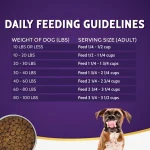
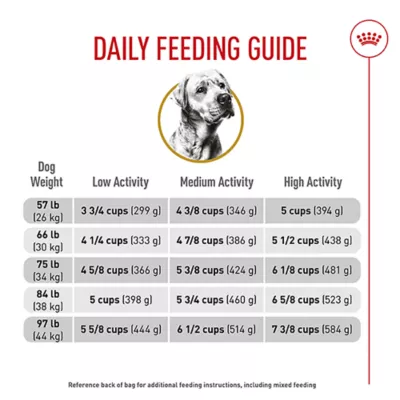
Once your dog is fully on adult food, reassess their portion sizes. Adult dogs typically need fewer calories than puppies because they are no longer growing. Check the feeding guidelines on the food packaging and adjust based on your dog’s activity level and weight. Remember, maintaining a healthy weight is crucial for their long-term health, so portion control is key. Have you noticed your dog gaining or losing weight unexpectedly? This could be a sign to reevaluate their diet and portion sizes. By being attentive and proactive, you can ensure your dog’s dietary transition is seamless and beneficial.Common Mistakes To Avoid
Feeding your dog adult food at the right time is important for their health. Many pet owners make simple mistakes that can affect their dog’s growth and well-being. Avoid these common errors to ensure your dog stays happy and healthy during this change.
Switching Too Early Or Late
Changing your dog’s food too soon can cause stomach problems. Puppies need special nutrients for growth that adult food lacks. Waiting too long means your dog misses important nutrients for their adult stage. Timing the switch correctly supports healthy development and energy.
Ignoring Breed Differences
Different breeds grow at different rates. Small dogs may need adult food earlier than large breeds. Large breeds often require food that supports slow growth to avoid joint issues. Understanding your dog’s breed helps you pick the right food at the right time.
Overfeeding Adult Food
Adult dog food has more calories than puppy food. Giving too much can lead to weight gain and health problems. Measure portions carefully and follow feeding guidelines. Keep your dog active to maintain a healthy weight and strong muscles.
Special Considerations
Feeding your dog adult food at the right time involves more than just age. You need to consider your dog’s breed, health, and activity level. These factors influence when and how you switch to adult food, ensuring your pet stays healthy and happy.
Large Vs. Small Breeds
Large breed dogs mature slower than small breeds. While small dogs may be ready for adult food around 9-12 months, large breeds often need puppy food for up to 18-24 months.
Adult food for large breeds usually has controlled calcium and phosphorus levels to protect their growing joints. Have you noticed how quickly your small dog acts like an adult compared to a giant breed? Adjust feeding accordingly.
Health Conditions
Your dog’s health plays a key role in choosing the right food. Dogs with allergies, digestive issues, or weight problems might need special adult formulas or a slower transition.
Talk with your vet before switching foods if your dog has any health issues. Sometimes, continuing puppy food or using prescription diets is better than jumping to standard adult food.
Activity Levels
Active dogs burn more energy and may need higher calorie adult food than less active pets. A couch potato dog might require adult food designed for weight control.
Think about your dog’s daily routine. Does your dog run, swim, or play fetch every day? Or do they prefer lounging around? Tailor their adult food to match their lifestyle for optimal health.
Credit: www.purina.com
Frequently Asked Questions
When Should You Switch Puppies To Adult Dog Food?
Switch puppies to adult dog food at about 12 months. Large breeds may need adult food around 18 months. This timing supports healthy growth and balanced nutrition for your dog’s age and size.
What Signs Show A Dog Is Ready For Adult Food?
Look for slowed growth and dental changes as signs. When puppies stop growing rapidly, it’s time to switch. Also, adult food supports maintenance over development, matching your dog’s needs.
Can Feeding Adult Food Too Early Harm Puppies?
Yes, adult food lacks nutrients puppies need for growth. Feeding too early can cause nutrient deficiencies and poor development. Always follow age recommendations to ensure your puppy’s health.
How To Transition From Puppy To Adult Dog Food?
Gradually mix adult food with puppy food over 7-10 days. Increase adult food proportion slowly to avoid digestive upset. This smooth transition helps your dog adjust comfortably.
Conclusion
Feeding your dog adult food at the right age keeps them healthy. Most dogs switch at about one year old. Small breeds may change sooner, large breeds a bit later. Watch your dog’s growth and energy to guide you. Good food supports strong bones and good digestion.
Always choose quality food made for adults. Changing food too early or late can cause problems. Keep your dog happy and healthy with the right diet. Simple steps make a big difference in your dog’s life.