
Feeding your dog the right amount of food is one of the most important steps you can take to keep them healthy and happy. But when it comes to feeding 10 adult dogs, you might wonder how much food is enough without wasting or overfeeding.
Are you struggling to find the perfect balance that meets each dog’s needs? You’ll discover practical tips and clear guidelines to help you feed your 10 adult dogs just the right amount every day. Keep reading to unlock the secrets to happy, well-fed dogs—and say goodbye to mealtime guesswork for good!
Factors Influencing Dog Food Amount
Feeding ten adult dogs might sound straightforward, but the amount of food each dog needs can vary widely. Several key factors influence how much you should feed your furry friends. Understanding these factors helps you provide the right nutrition without overfeeding or underfeeding.
Breed And Size
Breed and size play a huge role in determining food portions. Larger breeds like Great Danes or Mastiffs require more calories than smaller breeds such as Chihuahuas or Dachshunds. Even among medium-sized dogs, breeds with muscular builds might need extra nutrition compared to leaner ones.
Think about your own dogs: are they all the same size or do you have a mix? Feeding the same amount to a tiny Terrier and a large Labrador won’t meet their individual needs.
Activity Level
Dogs that are more active burn more calories and need more food to stay energized. A dog who runs and plays all day requires a larger portion than one who mostly naps indoors. Consider your dogs’ daily routines carefully.
If you have a working dog or one that goes for long walks, you’ll want to increase their meals or add healthy snacks. Are your dogs getting enough exercise to justify their current food intake?
Age And Health
Age greatly affects food requirements. Older dogs often slow down and need fewer calories, while younger adults might require more to support their metabolism. Health conditions like diabetes or kidney disease can also change how much and what type of food your dog should eat.
Observe your dogs for any health issues or changes in weight. Adjusting food portions based on their life stage and health can prevent problems and promote well-being.
Metabolism Differences
Just like people, dogs have different metabolisms. Some dogs process food quickly and remain lean, while others gain weight easily even on smaller portions. Metabolism influences how much energy your dog extracts from their food.
Have you noticed one dog staying slim while another struggles to maintain weight? Tailoring food amounts to each dog’s metabolism prevents underfeeding or overfeeding and keeps them healthy.

Credit: truthaboutpetfood.com
Daily Calorie Needs For Adult Dogs
Understanding the daily calorie needs of your adult dog is crucial for maintaining their health. Each dog is unique, and their calorie intake depends on factors like weight, activity level, and metabolism. Getting the right balance helps prevent issues like obesity or malnutrition.
Calculating Maintenance Calories
Maintenance calories are the amount of energy your dog needs to stay healthy without gaining or losing weight. A common way to estimate this is using the formula: 30 x body weight (kg) + 70. For example, a 20 kg dog would need around 670 calories per day.
Keep in mind, this is just a starting point. Monitor your dog’s weight and energy levels to adjust as needed. How do you know if your dog is getting enough? Watch for steady weight and good energy throughout the day.
Adjusting For Weight Goals
If your dog needs to lose or gain weight, calorie intake will change accordingly. To help your dog shed pounds, reduce daily calories by about 10-20% from the maintenance level. If your dog needs to gain weight, increase calories by 10-20%, but do so gradually.
Tracking weight weekly helps you see if adjustments are working. Have you ever tried to change your dog’s diet and noticed unexpected results? Small changes can make a big difference over time.
Special Considerations
Some dogs have special needs that affect calorie requirements. Older dogs often need fewer calories due to lower activity, while highly active dogs or working breeds may require more. Health conditions like thyroid issues or diabetes can also change calorie needs.
Always consult your vet if your dog has special health concerns. Have you noticed your dog’s appetite or energy shift suddenly? That might be a sign to reassess their calorie intake.
Portion Sizes Based On Dog Weight
Determining the right portion size for your adult dog can be tricky. It’s essential to base the portion on the dog’s weight. Different breeds require varying amounts of food. Let’s explore the ideal portion sizes for small, medium, and large breeds.
Small Breeds
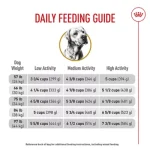
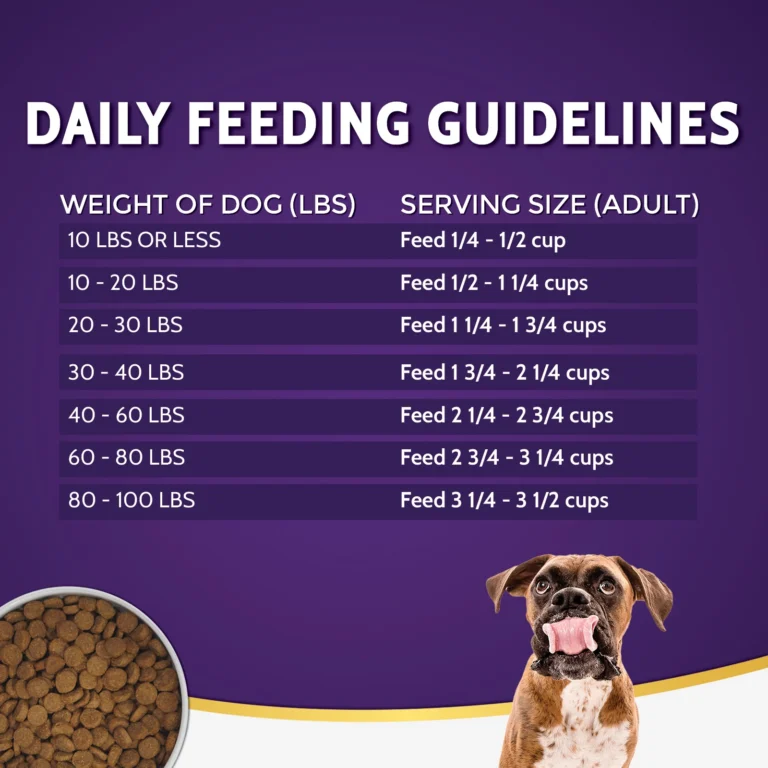
Small breeds often weigh between 5 and 20 pounds. They have fast metabolisms and need nutrient-dense food. Feed them about 1/2 to 1 cup of high-quality dry food daily. Divide their meals into two or three servings to maintain energy levels.
Medium Breeds
Medium breeds typically weigh between 20 and 50 pounds. They need a balanced diet to maintain their active lifestyle. Give them 1 to 2 cups of dry food each day. Split their meals into two servings for optimal digestion.
Large Breeds
Large breeds usually weigh over 50 pounds. They require more calories to support their size and energy needs. Offer them 2 to 3 cups of dry food daily. It’s best to divide their food into two servings to prevent bloating.
Credit: ifeedraw.com
Choosing The Right Dog Food
Choosing the right dog food for your adult dog is crucial. It affects their energy, health, and happiness every day. With so many options available, you might wonder how to pick the best one that meets your dog’s specific needs.
Types Of Dog Food
You have several types of dog food to choose from, each with its pros and cons.
- Dry Kibble:Convenient and easy to store. It helps keep teeth clean but sometimes has lower moisture content.
- Wet Food:More palatable and hydrating. Great for picky eaters, but often pricier and less shelf-stable.
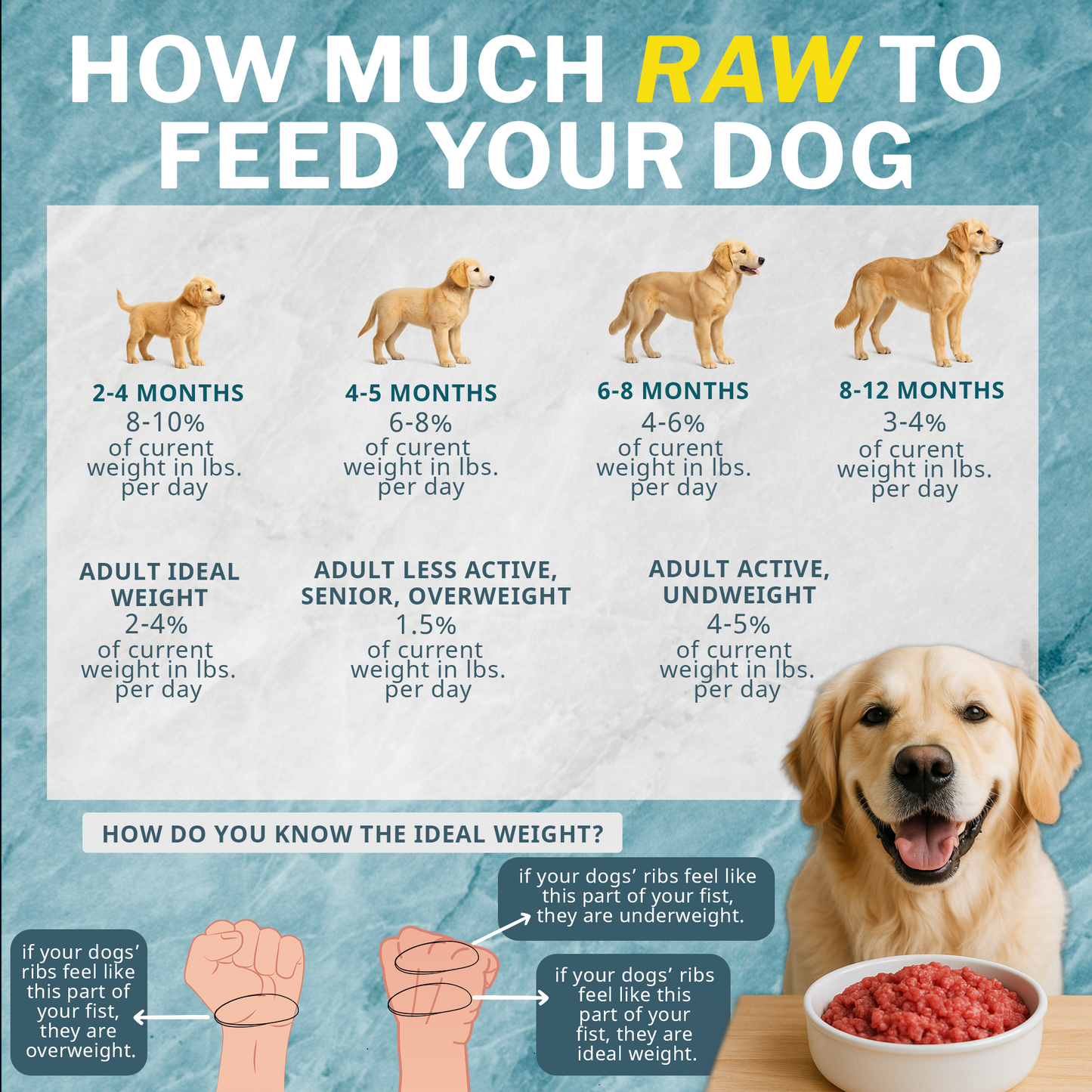
- Raw Diet:Mimics a natural diet with raw meat and vegetables. Requires careful handling to avoid bacteria.
- Homemade Meals:Allows full control over ingredients. Needs balanced recipes to avoid nutrient gaps.
Think about your dog’s preferences and lifestyle when deciding. Have you noticed your dog favoring one type over another?
Reading Nutritional Labels
Labels hold the key to understanding what your dog is actually eating.
Look beyond marketing terms like “premium” or “natural.” Focus on the guaranteed analysis and ingredient list.
- Protein:Should be the first ingredient and come from quality sources like chicken or beef.
- Fats:Essential for energy and skin health. Check for named fats like chicken fat rather than vague “animal fat.”
- Fillers:Ingredients like corn or wheat provide little nutrition and can cause allergies in some dogs.
Does the label clearly state the source of nutrients? If not, it might not be the best choice.
Quality Indicators
Not all dog foods are created equal. Quality indicators help you spot the good ones.
- AAFCO Approval:Look for a statement confirming the food meets nutritional standards set by the Association of American Feed Control Officials.
- Whole Ingredients:Foods with whole meats, vegetables, and grains are generally better than those with by-products or artificial fillers.
- Minimal Additives:Avoid foods with excessive preservatives, colors, or artificial flavors.
I once switched my dog’s food after checking these indicators and noticed better coat shine and energy within weeks. What small changes can you make today to improve your dog’s diet?
Feeding Schedules And Frequency
Feeding schedules and frequency play a big role in managing your dog’s health and energy. How often and when you feed your dog affects digestion, behavior, and overall well-being. Getting this right can save you from common issues like overeating or anxiety around mealtime.
Meal Timing Tips
Try to feed your dog at the same times every day. Dogs thrive on routine, and consistent meal timing helps regulate their digestion and energy levels.
Avoid feeding right before or after exercise to prevent stomach upset. Ideally, allow at least an hour between a meal and vigorous activity.
Think about your daily schedule and pick times that you can stick to easily. This makes it simpler for both you and your dog to maintain a steady routine.
Number Of Meals Per Day
Most adult dogs do well with two meals per day, spaced about 8-12 hours apart. This keeps their metabolism steady and helps control hunger.
Smaller breeds or dogs with sensitive stomachs might benefit from three smaller meals instead of two big ones. You know your dog best—observe how they respond to different feeding frequencies.
Have you noticed your dog begging or acting restless before mealtime? Adjusting meal frequency can often calm those behaviors.
Adjusting Feeding Routine
Changes in your dog’s age, activity level, or health can call for tweaks in feeding schedules. For example, if your dog gets more active, they might need meals earlier or slightly larger portions.
When switching dog food or treating health issues, slow adjustments to feeding times and amounts prevent digestive problems.
Remember, sudden changes can confuse your dog. Make any shifts gradually over a week or two, and watch how your dog reacts. What small changes could improve your dog’s daily routine today?

Credit: www.cesar.ca
Monitoring Your Dog’s Weight And Health
Keeping an eye on your dog’s weight and overall health is essential when feeding a 10-year-old adult dog. Aging dogs have different nutritional needs and may require adjustments in their diet to stay fit and active. Monitoring helps you catch any issues early and ensures your dog enjoys a happy, healthy life.
Signs Of Overfeeding
Overfeeding can lead to obesity, which strains your dog’s joints and organs. Watch out for a thick waistline or difficulty feeling ribs when you gently press their sides. If your dog becomes sluggish or shows less interest in walks, it could be due to extra weight.
Notice if your dog is begging for food constantly or seems bloated after meals. These behaviors might indicate you are feeding too much. Adjusting portion sizes and avoiding excessive treats can help maintain a healthy weight.
Signs Of Underfeeding
On the flip side, underfeeding can cause your dog to lose muscle and energy. If your dog’s ribs and spine become prominent, or they seem weak and less playful, it’s a warning sign. Lack of a shiny coat and dry skin also point toward insufficient nutrition.
Pay attention to changes in appetite or frequent begging that doesn’t match normal feeding times. These signs may mean your dog isn’t getting enough food or the right nutrients. Balancing meals and consulting with your vet can prevent underfeeding issues.
Regular Vet Checkups
Regular vet visits are crucial for tracking your dog’s health as they age. Your vet can perform weight checks, blood tests, and physical exams to spot problems early. They can also recommend diet changes tailored to your dog’s specific needs.
Don’t wait for obvious problems to show up. Scheduling routine checkups helps you stay proactive, not reactive. How often do you take your dog to the vet for a health review? If it’s been a while, now might be a good time to book an appointment.
Tips For Feeding Multiple Dogs
Feeding multiple dogs can quickly become complicated if you don’t have a clear plan. Each dog has its own appetite, behavior, and health needs, which means a one-size-fits-all approach rarely works well. Paying attention to these details helps maintain harmony and ensures every dog stays healthy and satisfied.
Individual Feeding Plans
Each adult dog needs a specific amount of food based on their size, activity level, and metabolism. You might have a 10-pound terrier and a 70-pound retriever in the same house, so their daily portions will differ significantly.
Calculate the right amount for each dog separately. Use feeding charts on dog food packages as a starting point, then adjust based on your dog’s condition and energy.
Try feeding dogs in separate areas or at different times. This helps you control portions accurately and reduces the risk of one dog eating another’s food.
Avoiding Food Aggression
Food aggression is a common issue when feeding multiple dogs. Dogs may guard their food or act aggressively if they feel threatened.
To prevent this, establish a calm feeding routine. Feed dogs in separate bowls with enough space or use barriers like baby gates to keep them apart during mealtime.
Watch closely for any signs of tension, such as growling or stiff body language. Intervene early and consider consulting a trainer if aggression persists.
Managing Different Dietary Needs
Not all dogs can eat the same food, especially if some have allergies, health problems, or are on special diets.
Create meal plans that accommodate these differences without mixing foods. For instance, one dog might need grain-free food while another requires a high-protein diet.
Label each dog’s food container or bowl to avoid confusion. You might also find puzzle feeders helpful—they slow down eating and keep dogs focused on their own meals.
Frequently Asked Questions
How Much Food Should A 10-year-old Dog Eat Daily?
A 10-year-old dog’s food depends on size, activity, and health. Typically, feed 2-3% of their body weight in food daily, split into two meals. Consult your vet for a precise amount tailored to your dog’s needs.
What Type Of Food Suits A Senior 10-year-old Dog?
Senior dogs need nutrient-rich, easily digestible food with lower calories and more fiber. Choose formulas designed for older dogs to support joint health and weight management. Avoid high-fat foods to prevent obesity and related health issues.
How Often Should I Feed My 10-year-old Adult Dog?
Feed your 10-year-old dog twice daily, morning and evening. Regular feeding schedules help maintain metabolism and digestion. Avoid free-feeding to control portions and prevent overeating, which can lead to obesity.
Can A 10-year-old Dog Eat Puppy Food?
No, a 10-year-old dog should not eat puppy food. Puppy food is high in calories and nutrients meant for growth, which can cause weight gain and health problems in older dogs. Use senior or adult dog food instead.
Conclusion
Feeding a 10-year-old dog the right amount keeps them healthy and happy. Watch their weight and energy to adjust food as needed. Quality food supports aging joints and organs well. Small changes can make a big difference in their life.
Always check with a vet for the best advice. Give your senior dog care and love every day. That simple care helps them enjoy their golden years.