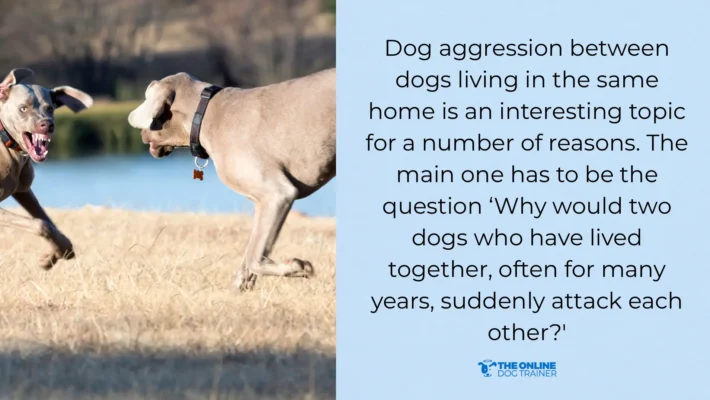

Dealing with an aggressive dog around other dogs can feel overwhelming. You want your furry friend to be calm and friendly, but the behavior can be tough to manage.
What if you could change that? Imagine walking your dog confidently in the park, knowing they won’t react aggressively when meeting other dogs. In this guide, you’ll discover simple, effective steps to train your aggressive dog and help them get along with their furry peers.
Keep reading, because these tips could transform your dog’s behavior—and your daily walks—forever.
Credit: pethelpful.com
Recognize Aggressive Behavior
Recognizing aggressive behavior in your dog is the first step toward managing interactions with other dogs safely. It helps you intervene early and prevent situations from escalating. Knowing what to look for gives you control and confidence during training sessions or casual encounters.
Common Signs Of Aggression
Aggression doesn’t always mean a dog is growling or snapping. You might notice subtle signs that show your dog is uncomfortable or about to react.
- Stiff body posture:The dog suddenly becomes rigid, standing tall and tense.
- Raised hackles:The fur along the back and neck stands up.
- Intense staring:Direct, hard eye contact that feels threatening.
- Growling or snarling:Audible warnings that your dog wants space.
- Showing teeth:Barred teeth without biting is a clear warning.
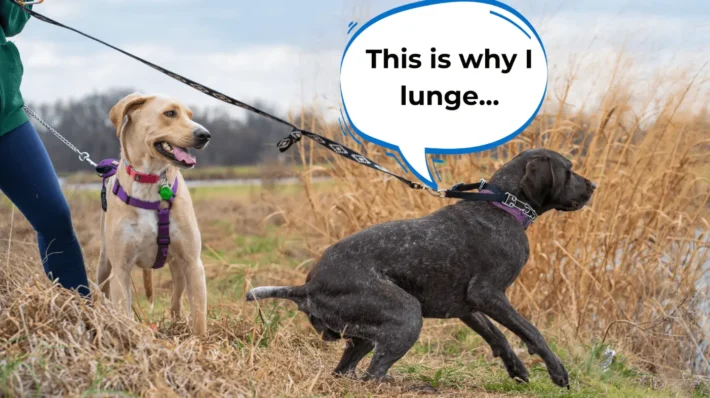
- Lunging or snapping:Quick movements toward another dog or person.
Have you noticed your dog’s body language change before an incident? Paying attention to these signs can save you from a dangerous moment.
Triggers Around Other Dogs
Understanding what triggers your dog’s aggression can help you avoid or manage those situations better.
| Trigger | Description | Possible Reaction |
|---|---|---|
| Resource guarding | Protecting toys, food, or space | Growling, snapping when another dog approaches |
| Fear or anxiety | Feeling threatened by unfamiliar dogs | Backing away, then lunging or barking defensively |
| Overexcitement | Too much energy during play | Rough behavior that can escalate quickly |
| Dominance | Trying to assert control over another dog | Staring, mounting, or aggressive posturing |
Think about your dog’s past encounters. Are there specific situations or other dogs that trigger these behaviors? Identifying triggers lets you create a training plan tailored to your dog’s needs.
Prepare For Training Sessions
Preparing for training sessions is a crucial step when working with an aggressive dog around other dogs. It sets the tone for success and safety. Without proper preparation, even the best techniques can fall short.
Choose The Right Environment
Pick a quiet and controlled space where distractions are minimal. This helps your dog focus and reduces the chance of sudden aggressive reactions.
Outdoor fenced areas or a calm indoor room can work well. Avoid busy parks or places where many dogs are off-leash, as they can overwhelm your dog’s senses.
Think about how your dog behaves in different settings. Where do they feel most secure? Starting in a familiar spot often leads to faster progress.
Gather Essential Training Tools
Having the right tools ready makes your sessions smoother and safer. Leashes, harnesses, and muzzles are important for control and safety.
- Leash:Use a sturdy leash around 4-6 feet to maintain control without restricting movement too much.
- Harness:A front-clip harness helps prevent pulling and gives you better control.
- Muzzle:If your dog has a history of biting, a muzzle ensures safety while training.
- Treats:Bring high-value treats to reward calm behavior immediately.
Have all these tools within reach before starting. Are you ready to handle any situation that might arise during training?
Build Basic Obedience Skills
Teaching basic obedience commands helps control an aggressive dog around others. Simple commands like “sit” and “stay” build focus and calmness during encounters. Consistent training creates a safe environment for all dogs involved.
Training an aggressive dog to interact peacefully with other dogs requires patience and consistency. Building basic obedience skills is a crucial step in this process. It not only helps in establishing control but also fosters trust and respect between you and your dog. Strong obedience skills create a foundation for more advanced training, which is essential for managing aggressive behavior.Teach Fundamental Commands
Start with simple commands like sit, stay, and come. Use treats and praise to reward your dog. Keep training sessions short to maintain attention. Practice these commands daily until your dog responds reliably. Consistency is key. Make sure all family members use the same commands.Establish Control And Focus
Gain your dog’s attention with a treat or toy. Use the command “watch me” to maintain eye contact. Reward when your dog focuses on you. This builds a connection and makes your dog attentive. Practice in a quiet space, then gradually introduce distractions. As control improves, your dog will be less reactive to other dogs.
Credit: www.dwdogtraining.com
Introduce Controlled Socialization
Introducing controlled socialization is a crucial step to help your aggressive dog get used to other dogs safely. It creates a structured environment where your dog can learn calm behavior without feeling threatened. This approach helps reduce fear and aggression by carefully managing each interaction.
Use Leashed Meetings
Start by keeping both dogs on leashes during their first meetings. This gives you control and prevents sudden lunges or chasing. Stand at a comfortable distance and watch your dog’s body language closely.
If you notice signs of stress, like growling or stiff posture, increase the distance immediately. Let your dog observe the other dog calmly without forcing interaction. Over time, you can slowly bring them closer as they show relaxed behavior.
Gradually Increase Interaction Time
Short, controlled sessions work best at first—think just a few minutes. After each positive experience, extend the time a little. This helps your dog build confidence without becoming overwhelmed.
Try to end each session on a good note, even if progress feels slow. Consistency is key. Ask yourself: How does your dog react as sessions get longer? Are they showing more curiosity and less tension?
Implement Positive Reinforcement
Implementing positive reinforcement is a powerful way to shape your dog’s behavior around other dogs. It helps your aggressive dog associate calm and friendly interactions with rewards, making those moments more frequent. Instead of focusing on punishment, you focus on encouraging what you want to see.
Reward Calm Behavior
Start by observing your dog closely during encounters with other dogs. When your dog stays calm, offers a relaxed posture, or even just looks away from a potential trigger, immediately reward that behavior. Use treats, praise, or a favorite toy to make it clear that calmness leads to good things.
Consistency is key here. Even small moments of calm deserve a reward. Over time, your dog will learn that staying relaxed gets better results than reacting aggressively.
Redirect Aggression Positively
If your dog begins to show signs of aggression, redirect that energy before it escalates. You can use commands your dog already knows, like “sit” or “look at me,” to shift their focus away from the other dog. Follow up with a reward when they comply.
This redirection teaches your dog that they have control over their feelings and can choose a better response. It’s like giving them a different way to handle stress instead of snapping.
Have you noticed how your dog reacts when you divert their attention this way? Try different rewards and commands to find what motivates your dog best. Positive reinforcement isn’t just about rewards—it’s about creating a new habit that replaces aggression.
Credit: theonlinedogtrainer.com
Manage Setbacks And Challenges
Managing setbacks and challenges is a crucial part of training an aggressive dog around other dogs. Progress won’t always be smooth, and recognizing when things aren’t working is key to avoiding frustration and potential danger. Staying patient and adaptable helps you guide your dog through tough moments and keeps training on track.
Identify Warning Signs Early
Watch your dog’s body language closely. Signs like stiffening, growling, or intense staring often come before aggressive behavior. Catching these early allows you to intervene before the situation escalates.
Think about a time when your dog suddenly became tense near another dog. Did you notice a subtle change in posture or a quick glance? These small cues are your first alert to step in and redirect your dog’s attention.
Ignoring these signals can lead to setbacks. How often do you pause to observe your dog’s subtle changes instead of just reacting to overt aggression?
Adjust Training Techniques
If your current approach isn’t working, don’t hesitate to try something different. Every dog responds uniquely, especially when aggression is involved.
For example, if group socialization causes anxiety, try controlled one-on-one meetings with calm dogs. Gradually increase exposure based on your dog’s comfort level.
Mix up rewards and commands to keep your dog engaged. Sometimes, a new toy or a different treat can make a big difference in motivation.
Ask yourself: Are you flexible enough to change your training plan when you hit a wall? Being rigid can stall progress and frustrate both you and your dog.
Seek Professional Assistance
Dealing with an aggressive dog around other dogs can be stressful and confusing. You might feel overwhelmed or unsure of what to do next. Seeking professional assistance can be a game-changer in managing and improving your dog’s behavior safely and effectively.
When To Consult A Trainer
If your dog shows signs of aggression like growling, lunging, or snapping during interactions with other dogs, it’s time to get help. Trying to handle this alone can sometimes make things worse or even dangerous. A professional trainer can assess the situation and guide you through tailored strategies that fit your dog’s specific needs.
Think about how long the aggressive behavior has been happening and if it’s escalating. Has your dog injured another dog or person? These are clear signs you should consult a trainer immediately. Early intervention often prevents future problems and keeps everyone safer.
Benefits Of Behavior Specialists
Behavior specialists have advanced knowledge about why dogs act aggressively and how to change it. They don’t just teach commands—they address the root causes of aggression, like fear, anxiety, or past trauma.
Working with a specialist means you get a personalized plan based on your dog’s personality and triggers. They can also teach you how to read your dog’s body language better, helping you prevent aggressive incidents before they start.
Imagine having a calm, controlled walk with your dog around other dogs without fear or tension. Behavior specialists make that possible by guiding you step-by-step and adjusting the plan as your dog improves. Isn’t that the kind of progress you want?
Frequently Asked Questions
How Can I Safely Introduce An Aggressive Dog To Others?
Start with controlled, neutral territory introductions. Use a leash and keep distance initially. Reward calm behavior to build positive associations gradually.
What Training Methods Reduce Dog Aggression Towards Other Dogs?
Positive reinforcement and desensitization work best. Use treats and praise for good behavior. Avoid punishment as it may increase aggression.
How Long Does It Take To Train An Aggressive Dog?
Training duration varies by dog and aggression level. Consistent daily sessions over weeks to months are essential for improvement.
When Should I Seek Professional Help For Aggression?
If aggression persists or worsens despite training, consult a certified dog behaviorist. Early intervention ensures safety and better outcomes.
Conclusion
Training an aggressive dog around other dogs takes time and patience. Start slowly and keep sessions short. Always watch your dog’s body language closely. Reward calm and friendly behavior with treats or praise. Avoid forcing your dog into uncomfortable situations.
Consistency helps your dog learn and feel safe. Over time, your dog can become more relaxed and social. Remember, every dog is different and learns at its own pace. Stay calm, stay positive, and keep trying. Small steps lead to big progress.