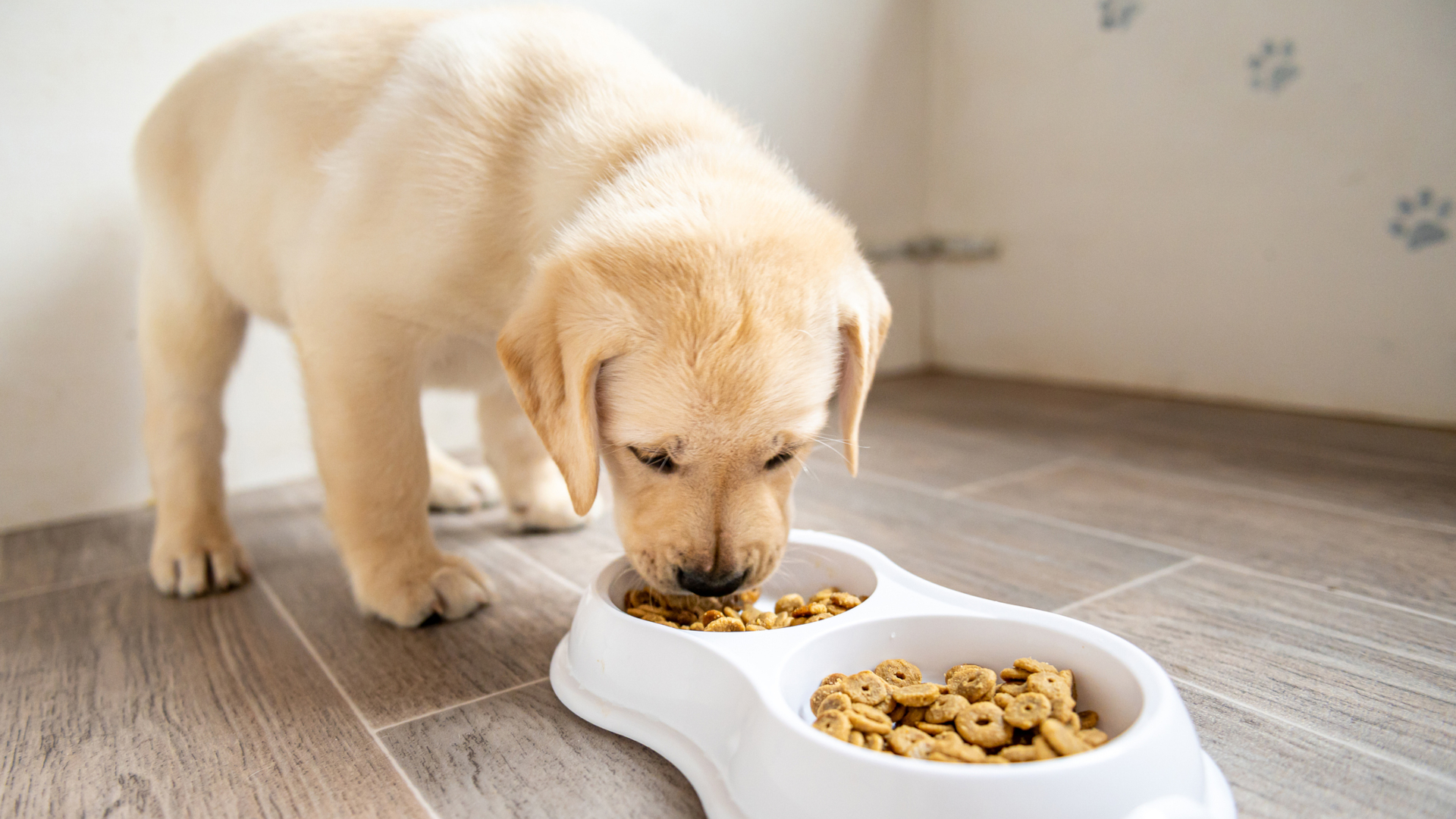
If you have a new puppy at home, you might be wondering when it’s the right time to switch from puppy food to adult dog food. This decision can impact your puppy’s growth, health, and energy levels.
You want to make sure you’re giving your furry friend the best nutrition at every stage. You’ll discover the key signs to look for and expert tips to help you make the switch smoothly. Keep reading to learn exactly when your puppy should start eating adult dog food—and why timing matters more than you think.
Credit: www.petsradar.com
Puppy Nutrition Basics
Understanding puppy nutrition basics is essential for every dog owner. The right diet supports healthy growth and helps avoid future health issues. Knowing when to switch from puppy to adult food can feel confusing, but grasping the nutritional needs of your furry friend makes the decision clearer.
Key Nutrients For Growth
Puppies need specific nutrients in higher amounts than adult dogs. Protein is vital for building strong muscles, and calcium supports healthy bone development. Fat provides energy for their endless playtime and growing bodies.
Vitamins and minerals like vitamin A, vitamin E, and zinc help boost your puppy’s immune system. Omega-3 fatty acids improve brain development and keep their coat shiny. You might notice your puppy’s food contains added DHA—an important nutrient for cognitive growth.
Are you paying attention to the nutrient labels on your puppy’s food? This can help ensure your puppy gets what they need every day.
Differences Between Puppy And Adult Food
Puppy food is specially designed to support rapid growth and high energy levels. It contains more calories per serving compared to adult dog food to match their active lifestyle. Adult dog food, on the other hand, focuses on maintaining weight and overall health without encouraging excess fat.
The protein content in puppy food is generally higher, often around 22-32%, while adult food typically has 18-25%. Puppy food also has a balanced ratio of calcium and phosphorus to support developing bones and teeth. Switching too early to adult food might slow your puppy’s growth or cause nutritional gaps.
Think about your puppy’s breed size and growth rate. Large breeds may need puppy food for longer to avoid joint problems. Have you noticed how your vet adjusts feeding advice based on your dog’s growth pattern? That’s a good reminder to monitor your pup closely.
Signs Puppy Is Ready For Adult Food
Puppies grow fast. Knowing when to switch their food is key to their health. Signs show when a puppy is ready for adult dog food. These signs include changes in body, behavior, and advice from a vet.
Physical Development Indicators
- The puppy reaches about 80% of its adult size.
- Teeth have fully replaced baby teeth.
- Coat texture becomes less fluffy and more adult-like.
- Energy levels stabilize and become consistent.
Behavioral Changes
- Puppy shows less need for constant feeding.
- Begins to eat less frequently but larger portions.
- Interest in chewing shifts from teething toys to regular play.
- Shows increased independence during meal times.
Veterinarian Recommendations
- Vet may suggest switching based on breed and size.
- Health checks ensure puppy is ready for adult food.
- Vet may recommend a gradual transition plan.
- Follow vet advice to avoid digestive issues.
Ideal Age To Switch
Puppies should start eating adult dog food around one year old. This helps support their changing nutritional needs. Switching too early or late can affect their growth and health.
Determining the ideal age to transition your puppy to adult dog food can be pivotal in ensuring their long-term health and happiness. This change isn’t just about their age; it’s about their developmental milestones. It’s crucial to understand the right time for this switch to foster healthy growth and avoid any nutritional deficiencies.Breed Size Considerations
Different breeds grow at varying rates, impacting when they should switch to adult food. Small breeds, like Chihuahuas, often mature faster and might be ready for adult food by nine months. In contrast, larger breeds, such as Great Danes, continue growing until they’re almost two years old. Knowing your puppy’s breed size can give you a clearer timeline. It’s always a good idea to consult with your veterinarian for personalized advice based on your dog’s unique needs. Remember, what works for a neighbor’s dog might not work for yours.Health Factors Impacting Timing
Health is another crucial factor in deciding when to switch. Puppies with certain health conditions might need to stay on puppy food longer for added nutrients. For example, puppies recovering from illness or surgery might benefit from the higher calorie content of puppy food. Additionally, consider your puppy’s weight and activity level. An active puppy burning more calories might need the richer nutrients from puppy food longer than a more sedentary pup. Always monitor your dog’s health and growth to ensure the best timing for the switch. Switching your puppy to adult dog food is a milestone in their life. Are you ready to make the change that best supports their growth and health?Transitioning Process
Transitioning your puppy from their regular puppy food to adult dog food is a crucial stage that needs careful attention. This process ensures your furry friend adjusts smoothly without digestive upset or nutrient imbalance. The goal is to make the switch comfortable and stress-free for both you and your puppy.
Gradual Food Mixing Approach
Start by mixing a small amount of adult dog food into your puppy’s usual meal. A good rule is to begin with about 25% adult food and 75% puppy food. Over the next 7 to 10 days, slowly increase the adult food portion while decreasing the puppy food.
This slow change helps your puppy’s digestive system adapt without causing stomach issues. If you rush this process, your puppy might experience diarrhea or refuse to eat. Patience here is key to a successful transition.
Monitoring Puppy’s Response
Watch your puppy closely during the switch. Look for signs like energy levels, stool consistency, and overall mood. If your puppy seems lethargic, vomits, or has loose stools, slow down the transition.
Sometimes, a puppy might take a few days to get used to the new taste and texture. But if symptoms persist beyond a week, consult your vet. Your puppy’s reaction will guide how quickly you move forward.
Common Transition Mistakes To Avoid
- Switching too fast:Changing food abruptly can upset your puppy’s stomach.
- Ignoring signs of intolerance:Don’t overlook vomiting, diarrhea, or loss of appetite.
- Mixing incompatible foods:Avoid combining foods with very different nutrient profiles.
- Forgetting hydration:Always ensure fresh water is available during the transition.
Have you noticed your puppy reacting poorly to new food before? What small change helped them adjust better? Paying attention to these details can save you from unnecessary stress and vet visits.
Risks Of Early Or Late Switching
Switching your puppy to adult dog food at the right time is crucial for their health. Changing too early or too late can cause more harm than you might expect. Understanding these risks helps you make smarter choices for your furry friend’s diet.
Potential Nutritional Deficiencies
Puppies need more protein, fat, and certain vitamins than adult dogs. Feeding adult food too soon can leave them without enough nutrients to support their rapid growth. On the other hand, waiting too long to switch might mean they get too many calories and less balanced nutrition for their adult needs.
Have you noticed your puppy becoming unusually tired or losing weight? These could be signs of missing key nutrients due to the wrong food timing.
Digestive Issues
The digestive system of puppies is sensitive and still developing. Sudden changes to adult food can upset their stomach, causing diarrhea or constipation. Feeding puppy food for too long might lead to weight gain and discomfort because of the richer formula.
Watch how your pup reacts after meals during the transition period. Mild tummy troubles are normal, but ongoing issues mean you might need to adjust the timing.
Long-term Health Effects
Choosing the wrong time to switch can impact your dog’s health for years. Early switching might stunt growth or weaken bones due to insufficient nutrients. Late switching can contribute to obesity and joint problems later in life.
Think about the long run: are you setting your dog up for a healthy adulthood or risking future complications? Your decision now shapes their quality of life down the road.
Credit: www.purina.com
Tailoring Food Choices
Tailoring food choices for your puppy as it transitions to adult dog food is important. Each dog has unique needs based on size, breed, and activity. Choosing the right food and adjusting feeding habits helps support healthy growth and energy levels. Pay attention to your dog’s reactions and make changes as needed.
Selecting Quality Adult Dog Food
Choose adult dog food with high-quality ingredients. Look for real meat as the first ingredient. Avoid foods with fillers like corn or soy. Check the label for balanced nutrients, including proteins, fats, and vitamins. Consider your dog’s specific needs, such as breed size or allergies. A good quality diet supports strong muscles and a healthy coat.
Adjusting Portions And Feeding Frequency
Adjust food portions as your puppy grows. Puppies need more calories, but adult dogs require less. Feed smaller amounts more often for puppies, but reduce frequency as they age. Adult dogs usually eat two meals per day. Watch your dog’s weight and energy to guide portion sizes. Avoid overfeeding to prevent obesity and health issues.
Credit: hairtattoo.ca
Frequently Asked Questions
When Can Puppies Switch To Adult Dog Food?
Puppies can switch to adult dog food around 12 months old. Large breeds may need up to 18 months. Consult your vet to ensure proper timing based on breed and growth rate.
Why Not Feed Puppies Adult Dog Food Early?
Adult dog food lacks essential nutrients puppies need for growth. Feeding it too early can cause nutritional deficiencies. Puppies require higher protein, fat, and calorie content to support healthy development.
How To Transition Puppies To Adult Dog Food?
Gradually mix adult dog food with puppy food over 7-10 days. Increase adult food portion daily to avoid digestive upset. Monitor your puppy’s response and consult your vet for guidance.
What Are Signs Puppies Need Adult Dog Food?
When puppies reach maturity and slow growth, they need adult food. Signs include less energy demand and stable weight. Consult your vet to confirm readiness for adult nutrition.
Conclusion
Puppies need special food to grow strong and healthy. Adult dog food suits dogs who have stopped growing. Usually, puppies switch to adult food between 9 and 12 months. Watch your puppy’s size and energy to know the right time.
Ask a vet if unsure about the change. Feeding the right food helps your dog stay happy and fit. Remember, a good diet supports a long, healthy life. Keep your puppy’s needs in mind as they grow up.