
Are you wondering when your furry friend should switch to adult dog food? Choosing the right time can feel confusing, but it’s one of the most important decisions for your dog’s health.
Feeding your dog the right food at the right age helps them stay strong, energetic, and happy. You’ll discover clear signs that show when it’s time to make the change. Keep reading to learn how to give your dog the best start in their adult life.
Signs Of Puppy Growth
Recognizing the signs of puppy growth is essential when deciding the right time to switch your dog to adult food. Puppies don’t grow at the same rate, and their nutritional needs shift as they reach certain stages of development. Paying close attention to these signs helps you support your pup’s health effectively.
Physical Development Milestones
Your puppy’s body changes quickly during the first few months. You might notice a steady increase in weight and height, along with the development of stronger muscles and bones.
- Teeth: Your puppy’s baby teeth fall out and are replaced by adult teeth, usually between 4 to 6 months old.
- Coat: Fur becomes thicker and shinier as your pup matures.
- Size: Growth slows down noticeably after about 6 months for small breeds, but larger breeds may keep growing past 12 months.
Have you tracked your puppy’s weight regularly? A sudden slowdown in growth often signals it’s time to think about adult food.
Behavioral Changes
Alongside physical growth, your puppy’s behavior shifts as they mature. They become less hyperactive and start showing more independence and self-control.
- Energy Levels: While still playful, your dog may calm down compared to the frantic puppy days.
- Eating Habits: Your puppy might eat less frequently but consume larger meals.
- Training Response: Improved focus and obedience indicate growing maturity.
Watch how your puppy reacts during meals and playtime. Changes in appetite or activity often hint at their readiness for adult nutrition.
Age To Switch To Adult Food
Knowing the right age to switch your dog to adult food is key to supporting their health and growth. The timing depends on several factors, including breed size and individual development. If you switch too early or too late, your dog might miss out on important nutrients or gain unwanted weight.
Breed Size Considerations
Small, medium, and large breeds grow at different rates. Small breeds usually reach adulthood faster and can switch to adult food around 9 to 12 months old.
Large and giant breeds take longer to mature. Their growth plates stay open for up to 18-24 months, so switching to adult food too soon can affect bone development.
Ask yourself: Is your dog still growing rapidly, or has their growth started to slow? This can guide your timing.
Typical Age Ranges
- Small Breeds:9-12 months
- Medium Breeds:12 months
- Large Breeds:12-18 months
- Giant Breeds:18-24 months
These ranges serve as general guidelines. Observing your dog’s activity level, weight, and coat condition can help you decide if they are ready for the switch.
Have you noticed changes in your dog’s energy or appetite? Those clues might tell you it’s time to update their diet.
Choosing The Right Adult Food
Dogs usually switch to adult food around one year old, depending on their breed and size. Larger breeds may need more time before changing their diet. Watching your dog’s growth and energy helps decide the right moment for the switch.
Choosing the right adult food for your dog is important. It ensures they get the right nutrients for a healthy life. The transition from puppy to adult food varies by breed and size. Understanding your dog’s specific needs helps in making the best choice.Nutritional Needs By Breed And Size
Different breeds have unique dietary requirements. Large breeds may need food supporting joint health. Smaller breeds might need higher calorie foods. Each dog’s metabolism and activity level affects their needs. Consult with a vet to tailor a diet for your dog.Ingredients To Look For
High-quality ingredients make a difference in your dog’s diet. Look for foods with real meat as the first ingredient. Avoid fillers like corn and soy. Check for added vitamins and minerals. Healthy fats and fibers support digestion and coat health. Always read labels carefully to ensure quality nutrition.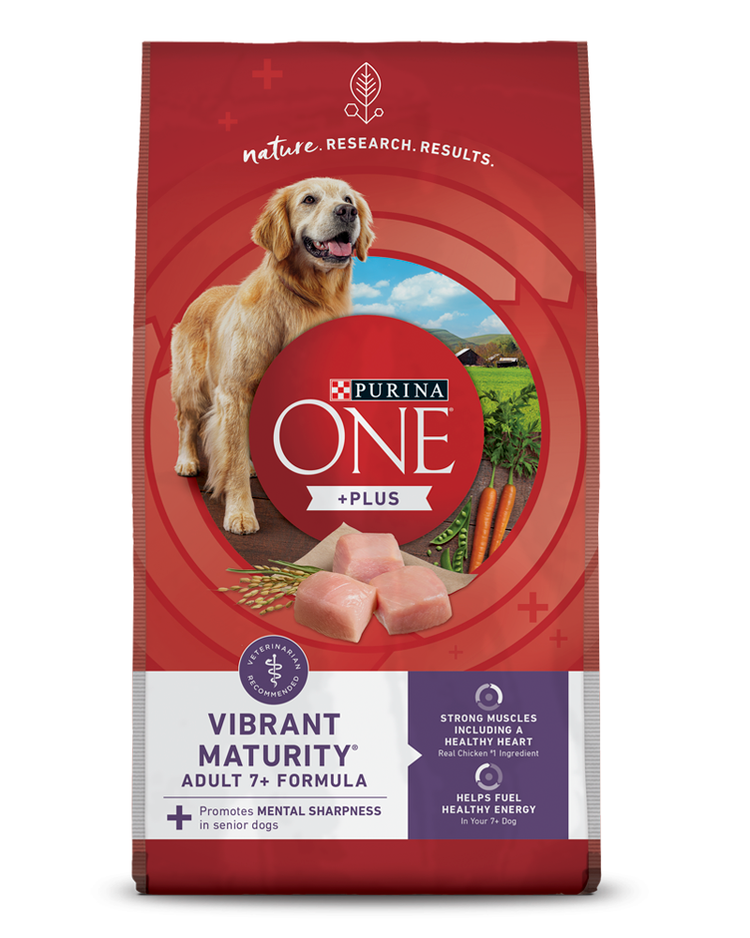
Credit: www.purina.com
Transitioning To Adult Food
Transitioning your dog to adult food is a key moment in their growth. This change affects their health, energy, and overall well-being. Handling this transition carefully ensures your dog adapts smoothly without digestive issues or loss of appetite.
Gradual Introduction Process
Switching your dog’s diet suddenly can upset their stomach. Start by mixing a small amount of adult food with their current puppy food. Over the next 7 to 10 days, slowly increase the adult food portion while decreasing the puppy food.
This slow change helps your dog’s digestive system adjust to the new nutrients. You might try a schedule like this:
| Days | Puppy Food (%) | Adult Food (%) |
|---|---|---|
| 1-3 | 75 | 25 |
| 4-6 | 50 | 50 |
| 7-9 | 25 | 75 |
| 10+ | 0 | 100 |
Have you noticed how your dog reacts to new foods? Watch their eating habits closely during this time.
Monitoring Your Dog’s Reaction
Keep an eye on your dog’s energy levels and stool quality during the switch. Loose stools or vomiting can signal that the transition is too quick or the food isn’t agreeing with them.
Also, observe their enthusiasm for mealtime. If your dog suddenly refuses to eat, try slowing the transition or mixing in a bit of warm water to enhance flavor.
Remember, every dog is unique. What works for your friend might need adjustment for another. Are you ready to adapt based on what your dog tells you?
Common Mistakes To Avoid
Knowing when to switch your dog to adult food is important, but avoiding common mistakes during this transition is just as crucial. Mistakes can lead to digestive issues, nutrient imbalances, or even behavioral problems. Let’s look at some pitfalls you should watch out for to keep your dog healthy and happy.
Switching Too Early Or Late
Changing your dog’s food too early can deprive them of essential nutrients needed for growth. Puppies need higher protein and fat levels that adult food might not provide. On the other hand, switching too late means your dog may miss out on the balanced nutrition designed for adults.
Have you ever noticed your pup having loose stools or low energy after a food change? That might be a sign the timing wasn’t right. Always check your vet’s advice and pay attention to your dog’s breed and size, as they can influence when the switch should happen.
Ignoring Special Dietary Needs
Not all dogs have the same dietary requirements. Some breeds or health conditions demand specific nutrients or food types. Ignoring these needs can cause health problems or worsen existing issues.
For instance, large breeds often need adult food formulated to support joint health, while smaller breeds might need calorie-dense options. If your dog has allergies or sensitivities, selecting a generic adult food without considering these can lead to discomfort or skin problems.
Ask yourself: Have you noticed any special needs or reactions in your dog? Tailor their adult food choice accordingly, and don’t hesitate to consult a vet to ensure you’re meeting your dog’s unique needs.
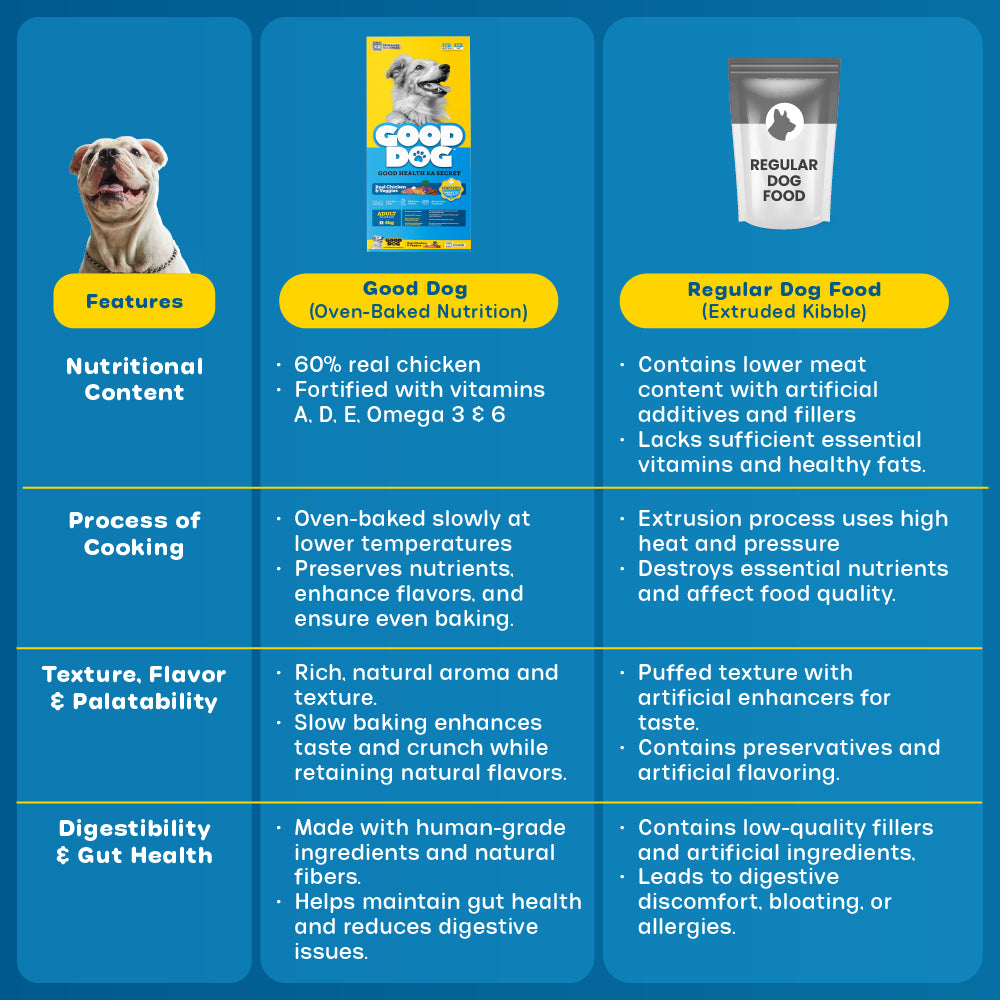
Credit: www.gooddogindia.com
Consulting Your Veterinarian
Switching your dog to adult food is a big step that depends on more than just age. Every dog grows differently, and their nutritional needs can change based on breed, size, and health. Consulting your veterinarian ensures you make the best choice for your furry friend’s wellbeing.
When To Seek Professional Advice
Wondering if your dog is ready for adult food? It’s a good idea to check with your vet, especially if you notice sudden changes in appetite or weight. Your vet can spot health issues that might affect diet timing, such as allergies or growth concerns.
Don’t wait for problems to appear. Regular check-ups allow your vet to guide you on the right moment to switch foods. This advice is even more important for breeds that mature faster or slower than average.
Personalized Feeding Plans
Every dog is unique, and so should be their feeding plan. Your vet can help tailor a diet that fits your dog’s specific needs, considering factors like activity level, metabolism, and any medical conditions.
For example, a highly active dog may need more calories from adult food compared to a less active one. Your vet can recommend the right type and quantity of food to keep your dog healthy and happy.
Have you ever tried changing your dog’s diet without professional guidance? What challenges did you face? Getting a personalized feeding plan can prevent common issues like digestive upset or nutrient imbalances.

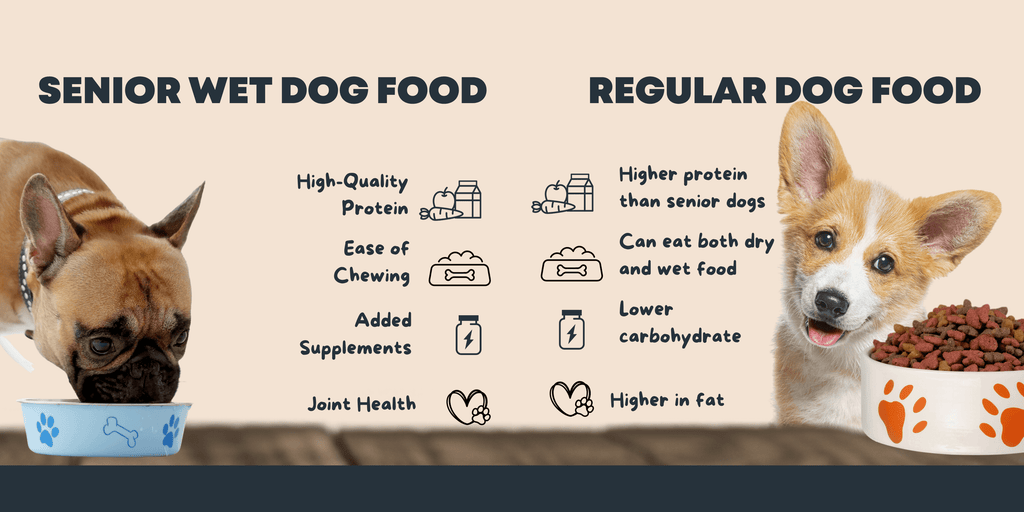
Credit: petheavenblogs.com
Frequently Asked Questions
When Should Dogs Transition To Adult Food?
Dogs usually switch to adult food between 12 and 18 months. Small breeds mature faster, so they may transition at 12 months. Large breeds take longer, up to 18 months. Always consult your vet to determine the best time for your dog.
Why Is Timing Important For Switching Dog Food?
Proper timing ensures your dog gets the right nutrients for growth. Feeding adult food too early can cause nutritional gaps. Delaying the switch can lead to excess calories. Balanced nutrition supports healthy bones, muscles, and overall development in dogs.
How To Recognize When My Dog Needs Adult Food?
Look for signs like slowed growth and reduced energy needs. Puppies often lose their puppy coat and teeth fully by this stage. Weight stabilization and decreased activity also indicate readiness for adult food. Your vet can help confirm the best switch time.
Can Switching Food Too Early Harm My Dog?
Yes, early switching can cause nutrient deficiencies and digestive issues. Puppy formulas contain more protein and calories needed for growth. Adult food lacks these, so early transition may stunt development. Always follow vet guidance to prevent health problems.
Conclusion
Choosing the right time to switch your dog to adult food matters a lot. Most dogs start adult food between one and two years old. Small breeds may change earlier than large breeds. Watch your dog’s growth and energy levels closely.
Talk to your vet for the best advice. Feeding the right food supports their health and happiness. Keep your dog strong with balanced nutrition every day. A smooth transition helps avoid stomach problems. Your dog will thank you with a wagging tail.