Are you wondering if your puppy can eat adult dog food? It’s a question many pet owners face, especially when their little furry friend starts growing quickly.
Feeding your puppy the right food is crucial for their health, energy, and development. But switching to adult dog food too soon—or too late—can have surprising effects. Keep reading to discover what you need to know to make the best choice for your puppy’s diet and keep them happy and healthy every step of the way.
Credit: blepworld.com
Puppy Vs Adult Dog Food
Choosing the right food for your dog is important for their health. Puppies and adult dogs have very different needs. Their food reflects these differences. Feeding a puppy adult dog food can affect growth and energy. Understanding these differences helps make better feeding choices.
Nutritional Differences
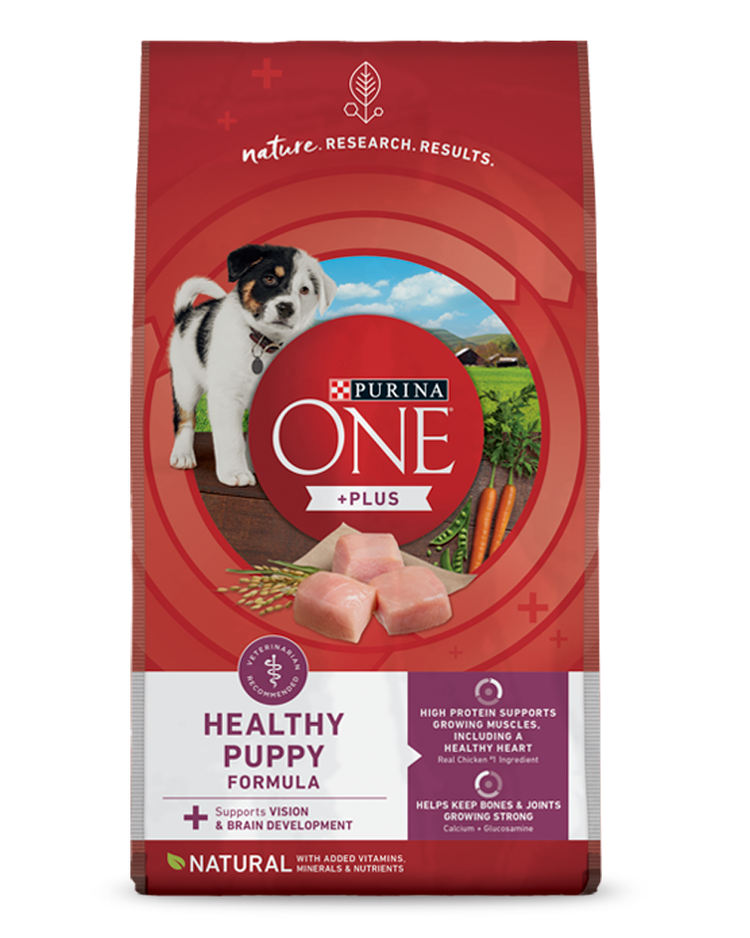
Puppy food contains more calories to support rapid growth. It is rich in protein and fat. Adult dog food has fewer calories to prevent weight gain. Nutrients are balanced for maintenance, not growth.
Puppy food includes more vitamins and minerals. Calcium and phosphorus are higher for bone development. Adult food focuses on joint health and maintaining muscle.
Growth And Development Needs
Puppies need extra nutrition for brain and body development. Energy levels are higher, so more fuel is required. Puppy food supports immune system growth and healthy skin.
Adult dogs need nutrients to keep their body strong. Their growth slows, so calorie needs drop. Feeding adult food to puppies may slow growth or cause deficiencies.
Credit: www.purina.com
Risks Of Feeding Adult Food To Puppies
Puppies need special nutrition to grow strong and healthy. Adult dog food lacks the right balance of nutrients for puppies. Feeding adult food to puppies can cause several health problems. Understanding these risks helps ensure your puppy gets the best start in life.
Nutrient Deficiencies
Puppies require more protein, fat, and calories than adult dogs. Adult dog food has lower levels of these nutrients. This shortage can slow your puppy’s growth and development.
Important vitamins and minerals may also be missing. Calcium and phosphorus are vital for strong bones and teeth. Adult dog food might not meet these needs, leading to weak bones.
Without enough nutrients, your puppy’s immune system can weaken. This makes them more likely to get sick.
Digestive Issues
Puppies have sensitive stomachs. Their digestive systems are not ready for adult dog food. The higher fiber and different ingredients in adult food can cause stomach upset.
Common problems include diarrhea, vomiting, and gas. These issues can cause dehydration and discomfort.
Switching to adult food too early may disrupt your puppy’s digestion. This can lead to long-term eating problems.
When Adult Dog Food Might Be Appropriate
Puppies need special food to support their growth and energy. Adult dog food suits dogs after they finish growing, usually around one year old. Feeding puppies adult food too soon can cause nutrient gaps and slow their development.
Determining the right time to switch your puppy to adult dog food is an important decision. You might wonder if your playful pup is ready to tackle the grown-up kibble. Understanding when adult dog food might be appropriate can help ensure your furry friend gets the nutrition they need. Let’s explore some key stages and recommendations to consider.Transitioning Stages
Puppies grow at a rapid pace, and their nutritional needs change accordingly. During the transitional stages, it’s crucial to monitor their growth and energy levels. Small breeds may reach maturity faster, often around 9 to 12 months. Larger breeds, however, might not be fully grown until 18 to 24 months. It’s a good practice to gradually introduce adult dog food as your puppy nears their maturity. Mixing it with their current puppy food can ease the transition. Keep a close eye on their digestion and energy to ensure the change suits them.Veterinary Recommendations
Consulting your veterinarian is always a wise step when considering dietary changes for your puppy. They can provide tailored advice based on your dog’s breed, size, and health status. Veterinarians often recommend sticking to puppy food until your dog reaches about 80-90% of their expected adult size. This ensures they receive enough nutrients to support their rapid growth. You might also consider specific health concerns your puppy may have. For instance, if they have a condition requiring special dietary needs, your vet may advise a different feeding approach. Is your puppy showing signs of maturity, like less interest in their puppy food or changes in energy levels? This might be a signal to discuss with your vet about switching to adult dog food. Staying informed and attentive to your puppy’s development can make all the difference in their health journey.Choosing The Right Puppy Food
Choosing the right food for a puppy is very important. Puppies need food that supports their growth and energy. Adult dog food often lacks the nutrients puppies require. Feeding the right food helps your puppy grow strong and healthy. It also supports their brain, bones, and immune system development.
Key Ingredients To Look For
Puppy food must have high protein to build muscles. Look for meat, chicken, or fish as main ingredients. Fat is essential too; it provides energy for active puppies. DHA, an omega-3 fatty acid, supports brain and eye development. Vitamins and minerals like calcium help strengthen bones and teeth. Avoid foods with too many fillers like corn or soy. These add little nutrition and may upset digestion.
Reading Dog Food Labels
Check the label for the phrase “Complete and Balanced.” This means the food meets nutritional standards. Look at the first few ingredients—they should be real meat or fish. Avoid foods with artificial colors or preservatives. The label should state it is for puppies or all life stages. This ensures the food has nutrients suitable for growing dogs. Serving size and feeding instructions help avoid overfeeding. Always choose a trusted brand with clear labeling.
Tips For Switching Dog Food
Switching your puppy’s food requires care and attention to avoid upsetting their digestion or causing unnecessary stress. The key is to make the change smooth and watch your puppy closely for any signs of discomfort or allergies. Thoughtful switching helps your puppy adapt to new nutrients and flavors while maintaining their health and energy.
Gradual Transition Process
Start by mixing a small amount of adult dog food into your puppy’s current food. Over the next 7 to 10 days, slowly increase the proportion of adult food while decreasing the puppy food. This gentle shift helps your puppy’s stomach adjust without causing upset.
For example, on day one, try 10% adult food with 90% puppy food. By day five, aim for a 50/50 mix, and by day ten, you can usually switch to 100% adult food. This approach reduces the risk of diarrhea or vomiting.
Monitoring Puppy Health
As you change your puppy’s diet, observe their behavior and stool closely. Are they eating happily, maintaining energy, and producing firm stools? Any signs of lethargy, vomiting, or diarrhea should prompt a pause or slower transition.
If you notice problems, consider consulting your vet to rule out allergies or nutritional issues. Remember, every puppy is unique; what works for one might not suit another. Your attention and quick response can make all the difference in ensuring a healthy switch.

Credit: us.eukanuba.com
Frequently Asked Questions
Can Puppies Eat Adult Dog Food Safely?
Puppies should not eat adult dog food regularly. Adult formulas lack essential nutrients for growth. Puppy food supports development and energy needs. Feeding adult food may cause nutrient deficiencies and health issues.
When Can Puppies Switch To Adult Dog Food?
Puppies can switch to adult dog food around 12 months old. Larger breeds may need up to 18 months. Consult your vet to determine the best timing for your puppy’s breed and size.
What Are The Risks Of Feeding Puppies Adult Food?
Adult dog food may lack sufficient protein, fat, and vitamins for puppies. This can stunt growth, weaken immunity, and cause digestive problems. Proper puppy nutrition is crucial for healthy development and long-term wellness.
How To Transition Puppies To Adult Dog Food?
Transition gradually over 7-10 days by mixing adult food with puppy food. Increase adult food proportion daily to avoid stomach upset. Monitor your puppy’s health and appetite during the switch for best results.
Conclusion
Puppies need food made just for them to grow strong and healthy. Adult dog food lacks some important nutrients puppies require. Feeding adult food too soon may cause stomach problems. Stick to puppy food during their first year for best results.
Watch your pup’s health and weight as they grow. Ask a vet if you want to change their diet safely. Good nutrition now helps your dog live a happy life later. Keep your puppy’s meals simple and right for their age.