
You want the best for your dog, and that includes the food you give them. But how do you know when it’s time to switch from puppy food to adult dog food?
Feeding your dog the right food at the right age affects their health, energy, and happiness. If you switch too early or too late, it could cause problems you don’t want. Keep reading to discover the simple signs and expert tips that will help you make the perfect choice for your furry friend.
Your dog’s well-being depends on it!
Signs Your Puppy Is Ready
Knowing when to switch your puppy to adult dog food matters for their health. Watch for signs that show your puppy is growing and changing. These signs help you decide the right time to change their diet. Pay attention to their body, behavior, and nutrition needs.
Physical Growth Milestones
Puppies grow fast in the first months. Their bones and muscles get stronger. Teeth start to change from baby teeth to adult teeth. Size and weight increase steadily. When growth slows down, it means they are nearing adulthood. This is a key sign to change their food.
Behavioral Changes
Older puppies show new behaviors. They may become calmer and less hyperactive. Their energy levels balance out during the day. Eating habits may shift, with less frequent meals. These behavior changes show they are maturing. It helps you know when to switch food.
Nutritional Needs Shift
Puppies need more calories and nutrients for growth. Adult dogs require different nutrient levels to maintain health. Protein and fat needs adjust as they age. Switching food ensures they get the right balance. Feeding adult food too early or late can cause issues.
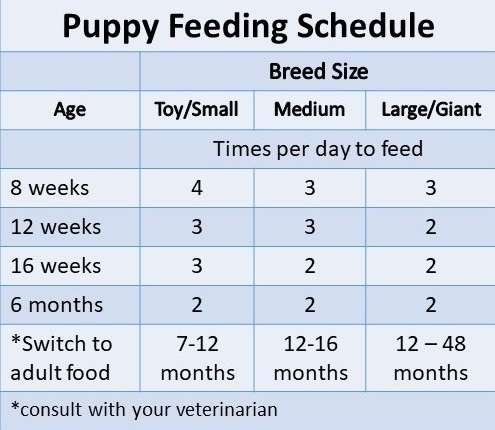
Credit: www.vetsupply.com.au
Breed And Size Considerations
Understanding your dog’s breed and size is key to knowing the right time to switch to adult dog food. Different breeds grow at different rates, and their nutritional needs change accordingly. Paying attention to these factors ensures your dog stays healthy and gets the right fuel for their body.
Small Breed Timelines
Small breeds, like Chihuahuas or Dachshunds, mature faster than larger dogs. They often reach adulthood by 9 to 12 months, so switching their food around this age makes sense. Because small breeds have faster metabolisms, adult formulas are designed to support their energy needs without overloading calories.
Have you noticed your small dog’s growth slowing down or their playful puppy energy settling? That’s usually a sign they’re ready for adult food. Keep an eye on their weight too; adult food helps maintain a healthy size without unnecessary weight gain.
Large Breed Timelines
Large breeds such as Golden Retrievers and German Shepherds take longer to mature, typically around 12 to 18 months. Switching too early can deprive them of nutrients essential for proper bone and joint development. It’s important to choose a formula tailored for large breeds during their growth phase.
Watch your dog’s growth and behavior. If your large breed is still growing steadily at 12 months, hold off on adult food. Switching too soon might lead to issues like joint problems or excess weight. Consult your vet to time the switch perfectly for your dog’s specific needs.
Special Needs For Giant Breeds
Giant breeds like Great Danes or Saint Bernards grow slowly and have unique dietary needs. They may not be ready for adult food until 18 to 24 months. Their adult formulas are specially made to support strong bones and prevent rapid growth that can cause health problems.
Giant breeds often require food with controlled calcium and phosphorus levels to protect their joints. If you switch them too early, you risk stunting their development or causing bone issues. Do you know the right balance for your giant breed’s diet? Your vet’s advice is crucial here.
Health Factors To Watch
Watch your dog’s growth and weight to know when to switch to adult food. Changes in energy levels and coat condition also help decide the right time. Always check with your vet for the best advice.
Switching your dog to adult dog food is a significant step in their nutritional journey. As your furry friend grows, their dietary needs change. Watching out for specific health factors can help you decide when it’s time to make the transition. Being proactive about your dog’s health ensures they get the nutrients they need to thrive.Weight Management
Maintaining a healthy weight is crucial for your dog’s overall well-being. Notice if your dog is gaining or losing weight unexpectedly. If their puppy food is high in calories and your dog is becoming less active, it might be time to switch to adult food with balanced nutrients.Digestive Health
Digestive issues are a clear indicator of dietary needs. Pay attention to your dog’s stool consistency and frequency. Adult dog food often contains different fiber levels that can stabilize your dog’s digestion if they’ve been experiencing problems.Allergy Indicators
Allergies can suddenly appear as your dog grows. Be vigilant for signs like itching, redness, or ear infections. Switching to adult food with different ingredients might alleviate these symptoms and improve your dog’s comfort. Are you noticing any of these health factors in your dog? Making a timely switch to adult dog food can significantly impact their health and happiness. Remember, always consult with your vet to tailor the best diet plan for your furry companion.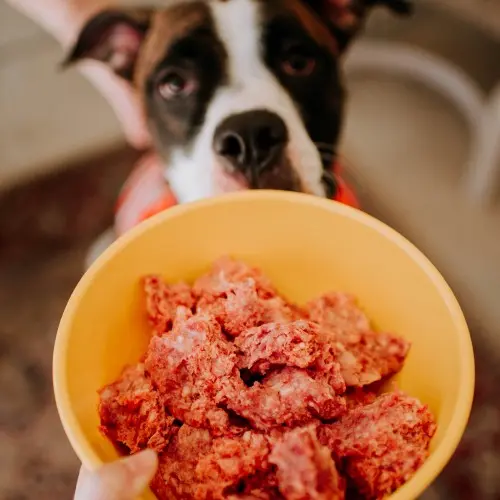
Credit: wefeedraw.com
Choosing The Right Adult Food
Choosing the right adult dog food is a crucial step in your pet’s life. It affects their health, energy, and happiness every day. You want to pick a food that matches their specific needs and tastes, making mealtime both nutritious and enjoyable.
Nutrient Requirements
Your dog’s nutritional needs change as they grow. Adult dogs need a balanced mix of protein, fats, vitamins, and minerals to maintain healthy muscles and support their immune system.
Look for foods with high-quality protein sources like chicken, beef, or fish listed first. Avoid products with too many fillers like corn or wheat, as they provide little nutritional value.
Have you checked the guaranteed analysis on the label? It tells you the minimum percentages of protein and fat, which should meet your dog’s activity level and breed size.
Ingredient Quality
Ingredients matter more than you might think. High-quality ingredients mean your dog gets better nutrition and fewer additives or preservatives that could upset their stomach.
Choose foods that list real meat or fish as the main ingredient. Whole vegetables and grains like sweet potatoes and brown rice are better than by-products or artificial fillers.
Sometimes, I’ve found switching to a brand with cleaner ingredients helped my dog’s coat become shinier and digestion smoother. Have you noticed any changes after switching foods?
Flavor And Texture Preferences
Your dog’s taste buds are important too. Some dogs prefer crunchy kibble, while others enjoy soft or wet food textures. Paying attention to their preference can make meals more appealing.
Try offering small samples of different flavors to see which ones your dog eagerly eats. Mixing textures can also add variety and prevent mealtime boredom.
Remember, a food that your dog refuses to eat won’t provide benefits no matter how nutritious it is. What flavor or texture does your dog seem to enjoy the most?
Transitioning Smoothly
Switching your dog to adult food is an important step in their growth. Making the change too fast can upset their stomach. A smooth transition helps your dog adjust well. It keeps them healthy and happy during the change.
Gradual Food Mixing
Start by mixing a small amount of adult food with puppy food. Increase the adult food portion slowly over 7 to 10 days. This helps your dog’s digestive system adapt. It also reduces the chance of stomach upset or diarrhea.
Monitoring Reactions
Watch your dog closely for any signs of discomfort. Check for vomiting, diarrhea, or loss of appetite. Also, note changes in energy or mood. If problems appear, slow down the transition process. Consult your vet if issues continue or worsen.
Adjusting Portions
Adult dogs need different food amounts than puppies. Adjust portion sizes based on your dog’s weight and activity. Avoid overfeeding to keep your dog fit and healthy. Use feeding guidelines on the food package as a starting point. Always provide fresh water alongside meals.

Credit: www.reddit.com
Consulting Your Vet
Consulting your vet is an important step before switching your dog to adult food. Vets offer expert guidance tailored to your dog’s health and needs. They help ensure the transition is smooth and safe for your pet.
Personalized Advice
Every dog grows and develops at a unique pace. Your vet can assess your dog’s breed, weight, and activity level. They recommend the best time to switch based on this information. This advice helps avoid feeding your dog too early or too late.
Addressing Concerns
Vets can answer any questions about nutrition and food types. They identify allergies or sensitivities your dog may have. This way, they prevent digestive issues or reactions from new food. Your vet provides peace of mind during the change.
Scheduling Checkups
Regular checkups allow vets to monitor your dog’s health closely. They track weight, growth, and overall condition. This helps spot problems early and adjust diet plans. Scheduling visits during the switch supports your dog’s well-being.
Frequently Asked Questions
When Should I Switch My Puppy To Adult Dog Food?
Switch your puppy to adult dog food around 12 months old. Large breeds may need switching at 18-24 months. Consult your vet for breed-specific timing.
How Do I Know If My Dog Needs Adult Food?
Signs include slowed growth, less energy needs, and weight stabilization. Adult food matches these changes with balanced nutrients for mature dogs.
What Are Risks Of Switching Dog Food Too Early?
Early switching can cause nutritional deficiencies and digestive upset. Puppies need higher calories and nutrients for growth, so wait until maturity.
Can I Mix Puppy And Adult Dog Food During Transition?
Yes, gradually mix increasing adult food with puppy food over 7-10 days. This helps your dog adjust without stomach upset.
Conclusion
Choosing the right time to switch your dog’s food helps keep them healthy. Watch their age, size, and energy for clues. Puppies grow fast but need adult food at the right stage. Talk to your vet if you feel unsure.
A smooth change avoids tummy troubles. Your dog will enjoy balanced nutrition for a happy life. Remember, each dog is different. Pay attention to what works best for yours. This simple step supports their growth and well-being every day.