
You want the best for your furry friend, and that includes feeding them the right food at the right time. But when exactly should your dog switch from puppy food to adult dog food?
Making this change too early or too late can affect their health and energy. If you’ve been wondering about the perfect age to make this switch, you’re in the right place. Keep reading, and you’ll discover the simple signs and expert tips that will help you make the best choice for your dog’s well-being.
When To Switch To Adult Food
Knowing when to switch your dog to adult food is important for their health. Puppies need special nutrition to grow strong. Adult dog food supports maintenance and energy for mature dogs. The right timing depends on your dog’s breed, size, and growth rate.
Age Guidelines By Breed Size
Small breeds mature faster than large breeds. They usually switch to adult food around 9 to 12 months old. Medium breeds can transition between 12 and 14 months. Large and giant breeds take longer. They may need puppy food until 18 to 24 months old.
| Breed Size | Age to Switch |
|---|---|
| Small | 9 – 12 months |
| Medium | 12 – 14 months |
| Large | 18 – 24 months |
Signs Your Dog Is Ready
- Steady weight without rapid growth
- Calmer energy levels compared to puppy stage
- Teeth fully developed and healthy
- Ability to chew adult kibble without difficulty
- Stable appetite and digestion
These signs suggest your dog can handle adult food. Watch your pet carefully during the change.
Veterinarian Recommendations
Veterinarians provide the best advice for your dog’s diet. They consider breed, health, and lifestyle. Regular check-ups help track growth progress. Consult your vet before switching foods. They may suggest a gradual transition over 7 to 10 days.
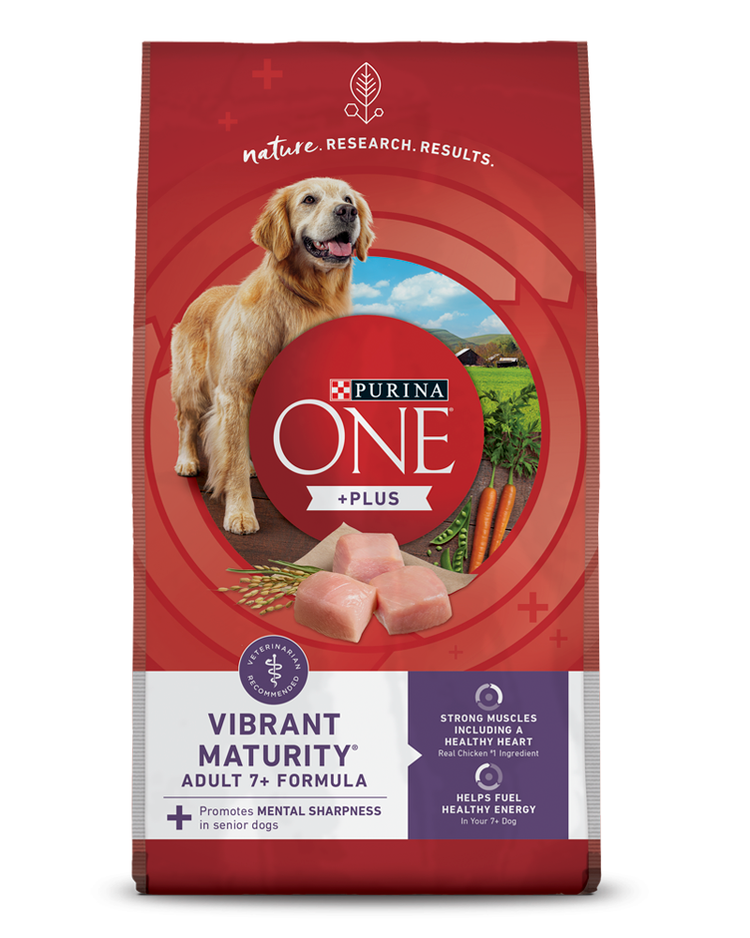
Follow the vet’s guidance to avoid digestive upset. They can recommend specific adult food formulas too.
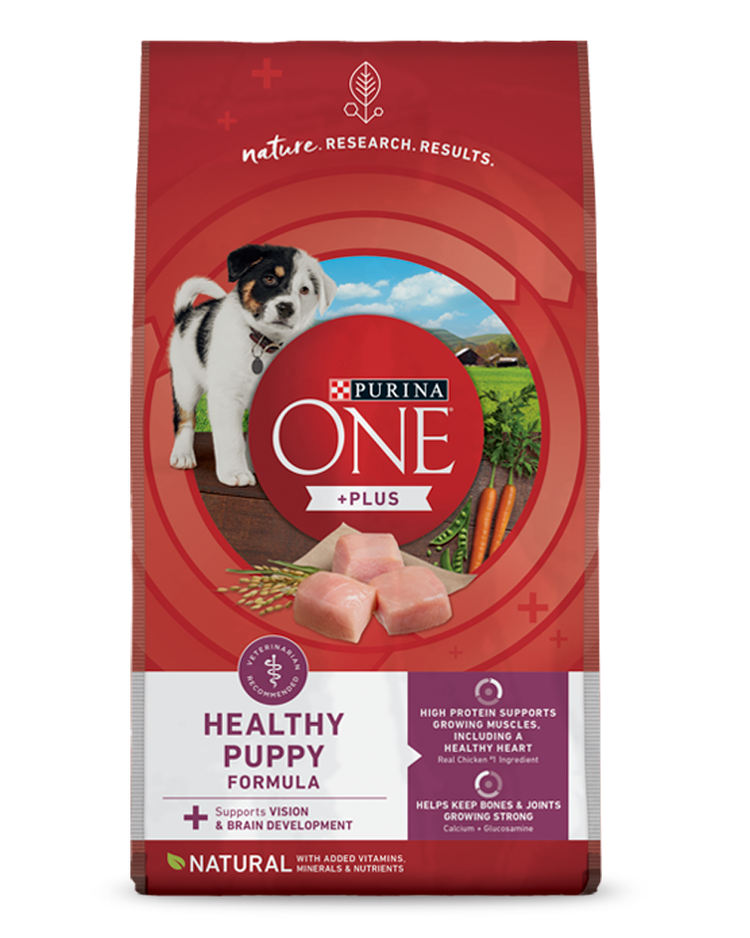
Credit: www.purina.com
Differences Between Puppy And Adult Food
Puppy food and adult dog food have clear differences. These differences meet the changing needs of growing dogs. Puppies need more nutrients to support their fast growth. Adult dogs require food that maintains their health and energy. Understanding these differences helps in choosing the right food at the right age.
Nutritional Needs
Puppy food contains extra vitamins and minerals. These nutrients help build strong bones and teeth. It supports brain development and immune health. Adult dog food focuses on maintaining overall health. It contains balanced nutrients for energy and weight control. Puppies require more calcium and phosphorus than adults.
Calorie Content
Puppies burn more energy due to growth and play. Their food has higher calories to meet this demand. Adult dog food has fewer calories to prevent weight gain. Overfeeding adult dogs can cause obesity and health problems. Calorie needs decrease as dogs mature and slow down.
Protein Levels
Puppy food has higher protein levels for muscle growth. Protein helps repair tissues and build strong muscles. Adult dog food contains moderate protein to maintain muscle mass. Too much protein in adult food can stress the kidneys. Protein needs reduce once the dog stops growing fast.
Risks Of Early Or Late Transition
Transitioning your dog to adult food too soon or too late can lead to health issues. The right timing is crucial for your pet’s well-being. Understanding these risks helps in making informed decisions for your furry friend.
Health Implications Of Early Switch
Switching to adult food too early may lead to nutritional deficiencies. Puppies need more proteins and calories than adults. Adult food lacks the nutrients necessary for a growing puppy. This can result in stunted growth and weak bones. Puppies need specific nutrients to support their rapid development.
Problems From Delayed Transition
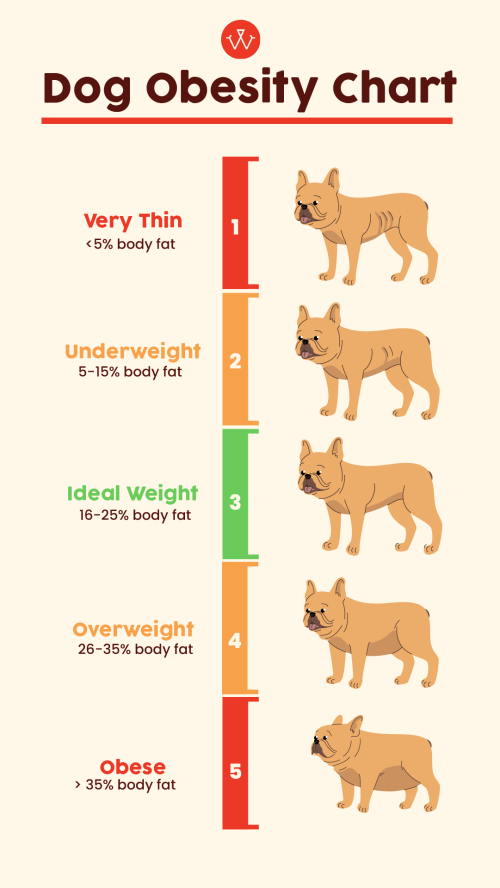
Staying on puppy food for too long can cause weight gain. Puppy food is high in calories, which can lead to obesity in adult dogs. Obesity can cause joint issues and heart problems. Adult dogs require a balanced diet to maintain their health. Delayed transition can also upset their digestive system.
Credit: www.purina.com
How To Transition Smoothly
Switching your dog to adult food is a key moment in their growth, but it needs a gentle approach. Rushing the change can upset their stomach or make them reject the new food. A smooth transition helps your dog accept the new diet comfortably and keeps their digestion steady.
Gradual Mixing Process
Start by mixing a small amount of adult food into your dog’s current puppy food. You might try a ratio like 25% adult food to 75% puppy food for the first few days.
Slowly increase the adult food portion every few days until you’re feeding 100% adult food. This slow mix helps your dog’s digestive system adjust without stress.
Have you noticed how some dogs are picky eaters? This gradual approach often stops them from refusing the new food completely.
Monitoring Your Dog’s Response
Watch your dog closely during the transition. Look for signs like changes in stool quality, appetite, and energy levels.
If your dog shows diarrhea, vomiting, or a loss of appetite, slow down the transition. These signs mean their digestive system needs more time.
Keep a journal of their reactions. You might find patterns that tell you when your dog is ready for the next step.
Adjusting Portion Sizes
Adult dogs usually need different portion sizes than puppies. Their metabolism slows, so feeding the same amount can lead to weight gain.
Adjust portions based on your dog’s size, activity level, and weight. Use the feeding guidelines on the adult food package as a starting point.
Does your dog seem hungry after meals or leave food uneaten? These clues will help you find the right portion size for them.
Special Considerations
Choosing the right time to switch your dog to adult food isn’t a one-size-fits-all decision. Several special factors influence when and how you should make this change. Understanding these can help you provide the best nutrition for your dog’s unique needs.
Small Vs. Large Breeds
Small breeds often mature faster than large breeds, which means they may need adult dog food earlier—sometimes as early as 9 to 12 months. Large breeds, however, grow for a longer time and benefit from puppy formulas up to 12 to 24 months to support joint and bone development.
Switching a large breed too soon can lead to nutritional imbalances that affect growth. Have you noticed how your smaller dog seemed “grown-up” faster than the bigger ones? That’s a key reason their diet timelines differ.
Dogs With Health Issues
If your dog has health problems like allergies, digestive issues, or obesity, the timing and type of adult food need extra care. You might need to consult your vet before making any changes to avoid worsening the condition.
Special diets or prescription foods could be necessary, regardless of your dog’s age. Think about your dog’s unique health story—does their current diet support their wellbeing, or is it time for a change?
Senior Dogs And Diet Changes
Senior dogs often require adjustments in their diet to maintain health and vitality. Around seven years old, many dogs benefit from food tailored to lower calories and higher fiber, supporting digestion and weight control.
Switching to senior formulas too early or too late might not provide the best results. How closely are you watching your dog’s energy levels and weight? These signs can guide you when it’s time to update their diet.
Credit: wefeedraw.com
Frequently Asked Questions
When Should A Dog Switch To Adult Dog Food?
Dogs typically switch to adult dog food between 12 to 18 months. Small breeds may transition earlier, around 12 months. Large breeds often switch later, near 18 months. This timing supports proper growth and nutritional needs as puppies mature into adults.
Why Is Feeding Adult Dog Food Important?
Adult dog food meets the changing nutritional needs of mature dogs. It contains balanced protein, fat, and calories to maintain healthy weight and energy. Feeding adult food helps prevent obesity and supports long-term health and vitality in adult dogs.
Can I Feed Adult Dog Food To Puppies?
Feeding adult dog food to puppies is not recommended. Puppies need higher protein and calorie content for growth. Adult food lacks essential nutrients for developing bones and organs. Always choose puppy-specific formulas until your dog reaches the appropriate age.
How To Transition From Puppy To Adult Dog Food?
Transition gradually over 7 to 10 days. Mix increasing amounts of adult food with decreasing puppy food. This helps prevent digestive upset and allows your dog to adjust smoothly to the new diet.
Conclusion
Choosing the right time to switch to adult dog food matters a lot. Most dogs change around one year old, but size and breed can change that. Watch your dog’s growth and energy to know the best time. Good nutrition helps keep dogs healthy and happy.
Talk to your vet for advice tailored to your dog. Feeding adult dog food at the right age supports long life and strong health. Keep your dog’s needs in mind for a smooth food change. Simple steps make a big difference in your dog’s life.