
Knowing exactly when to switch your dog to adult food can be tricky. You want to make sure your furry friend gets the right nutrition at the right time.
Feed them too early, and they might miss out on essential growth nutrients. Wait too long, and you could be holding back their health and energy. If you’ve ever wondered, “When do I feed my dog adult food? ” you’re not alone.
You’ll discover clear signs and expert tips to help you make the best choice for your dog’s well-being. Keep reading to ensure your pet stays happy, healthy, and full of life.
Credit: dogsauce.co
Signs Your Dog Is Ready
Knowing when to switch your dog to adult food is important. Dogs need different nutrients as they grow. Feeding the right food at the right time helps keep them healthy. Watch for key signs that show your dog is ready for adult food. These signs include age, growth progress, and behavior changes.
Age Milestones
Most dogs reach adulthood between 12 and 24 months. Small breeds mature faster, often by 12 months. Large breeds take longer, up to 18-24 months. Check your dog’s breed and size for the best timing. Age is a simple guide but not the only factor.
Growth And Development
Your dog’s body shows clear signs of growth slowing down. Puppies stop growing rapidly and start to fill out. Their bones and muscles become stronger and more defined. Puppy teeth are replaced by adult teeth. When growth slows, it’s a sign to change food.
Behavioral Changes
Adult dogs behave differently than puppies. They become less hyperactive and more calm. Appetite may change; adult dogs eat less often but in larger amounts. They may show less chewing or biting. These behavior shifts hint that your dog is ready for adult food.
Choosing The Right Time
Choosing the right time to switch your dog to adult food is important. It ensures they get the right nutrients for their growth and health. Feeding adult food too early or too late can cause problems. Understanding your dog’s needs helps you make the best choice.
Breed And Size Considerations
Small and large breeds grow at different rates. Small breeds usually mature faster. They may switch to adult food around 9 to 12 months. Large breeds take longer to grow. They might need puppy food until 12 to 24 months. Knowing your dog’s breed helps decide the feeding time.
Health And Activity Levels
Active dogs burn more energy and need more nutrients. Less active dogs need fewer calories. Health issues can affect diet needs. Dogs with certain conditions may need special food. Watch your dog’s energy and health to guide feeding changes.
Veterinarian Recommendations
Veterinarians offer the best advice for your dog’s diet. They consider breed, size, health, and activity. Regular check-ups help track your dog’s growth. Your vet can tell you the perfect time to switch foods. Always ask your vet before changing your dog’s diet.
Transitioning To Adult Food
Puppies usually switch to adult food between 9 and 12 months old. Larger breeds may need more time before changing. Watch your dog’s size and activity to decide the right moment for the switch.
Transitioning your dog to adult food is a crucial step in their development. Puppies grow quickly, and their nutritional needs change as they mature. Knowing when to switch to adult food ensures they receive balanced nutrition. This change typically occurs between 12 to 24 months, depending on your dog’s breed and size. Larger breeds may need puppy food longer, while smaller breeds transition earlier.Gradual Introduction
Introduce adult food slowly to avoid upsetting your dog’s stomach. Start by mixing a small amount of adult food with their puppy food. Gradually increase the adult food portion over 7 to 10 days. This allows your dog to adjust to the new taste and texture.Monitoring Digestive Response
Watch your dog’s digestive reaction during the transition. Look for signs like diarrhea or vomiting. If symptoms occur, slow the transition process. Ensure their stool is firm and regular. This indicates they are adjusting well to the new diet.Adjusting Portion Sizes
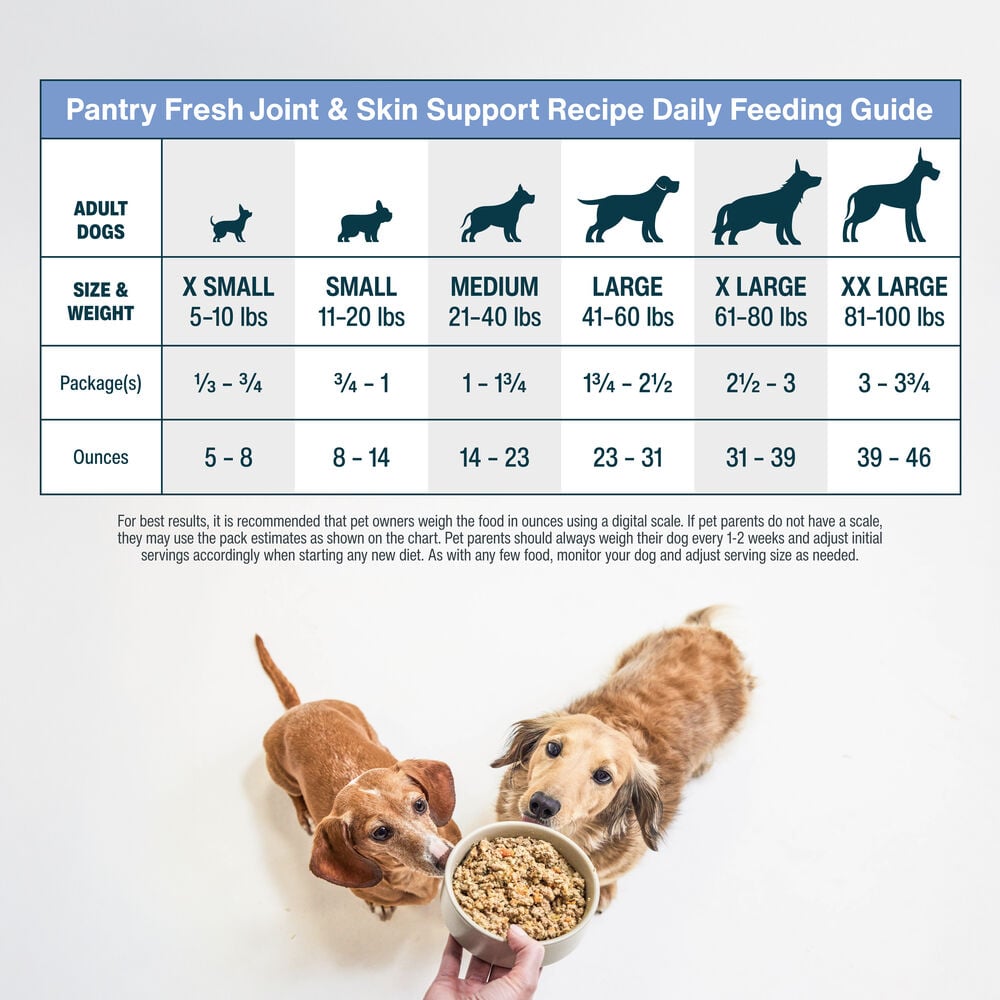
Reassess portion sizes to match your dog’s energy needs. Adult dogs often require fewer calories than puppies. Check the feeding guidelines on the dog food package. Adjust portions based on your dog’s weight, activity level, and breed. Ensure they maintain a healthy weight to prevent obesity.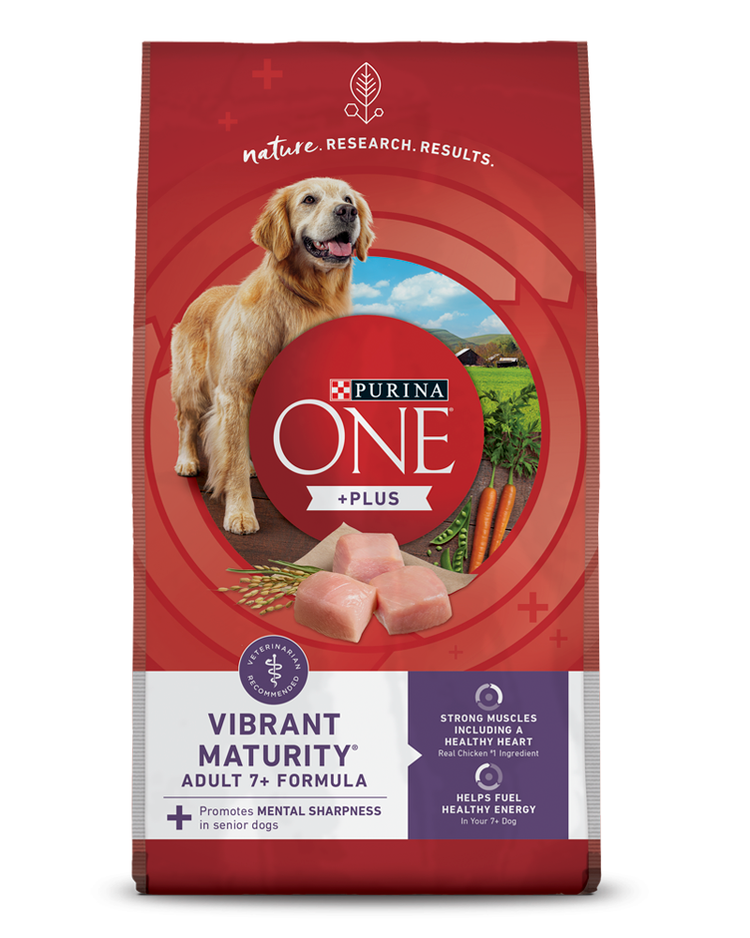
Credit: www.purina.com
Common Mistakes To Avoid
Feeding your dog adult food at the right time is crucial for their health, but many pet owners stumble on common pitfalls that can affect their dog’s well-being. Avoiding these mistakes will help your furry friend adjust smoothly and maintain optimal nutrition. Let’s look at some key errors to watch out for and how you can steer clear of them.
Switching Too Early Or Late
Timing is everything when changing your dog’s diet. Switching to adult food too early can leave your puppy without enough nutrients for growth, while switching too late may cause them to miss out on essential adult nutrition. Pay close attention to your dog’s breed and size, since small breeds mature faster than large ones.
Ask yourself: Is my dog showing signs of slowing growth or increased energy needs? If not, hold off on switching. Consulting your vet can help you determine the perfect moment.
Ignoring Nutritional Needs
Not all adult dog foods are created equal. Ignoring your dog’s specific nutritional requirements can lead to deficiencies or excesses that harm their health. For example, a very active dog may need more protein and calories than a less active one.
Check the ingredient list carefully and consider your dog’s lifestyle, health conditions, and preferences. Don’t assume that any adult food will do—choose one tailored to your dog’s unique needs.
Overfeeding During Transition
When changing diets, it’s common to overfeed in an effort to keep your dog satisfied. This can cause weight gain and digestive upset. Instead, gradually mix increasing amounts of adult food with the current food over 7-10 days.
Monitor your dog’s weight and stool quality during this period. Have you noticed any changes in appetite or digestion? Adjust the portions accordingly and avoid sudden increases in food quantity.
Benefits Of Proper Timing
Timing your dog’s switch to adult food can make a big difference in their overall well-being. Feeding adult food at the right moment supports their health and keeps them feeling their best. Let’s look at how proper timing benefits your dog in practical ways.
Improved Health Outcomes
Switching to adult food too early or too late can cause digestive issues or nutritional gaps. Adult formulas are designed to meet the specific needs of mature dogs, such as maintaining joint health and supporting the immune system. When you feed your dog adult food at the right time, you help reduce risks of illness and promote a stronger, healthier life.
Better Weight Management
Adult dog food usually has a different calorie and nutrient balance than puppy food. Feeding adult food too late may lead to excessive calorie intake, causing unwanted weight gain. On the other hand, an early switch might leave your dog undernourished. Proper timing helps you control their weight effectively, which is key to avoiding obesity-related problems.
Enhanced Energy Levels
Your dog’s energy needs change as they grow. Puppy food is rich in calories for growth, while adult food provides balanced energy for daily activities. Feeding adult food at the right time ensures your dog has enough energy without overloading their system. Have you noticed a dip in your dog’s energy? It might be time to reconsider their diet timing.
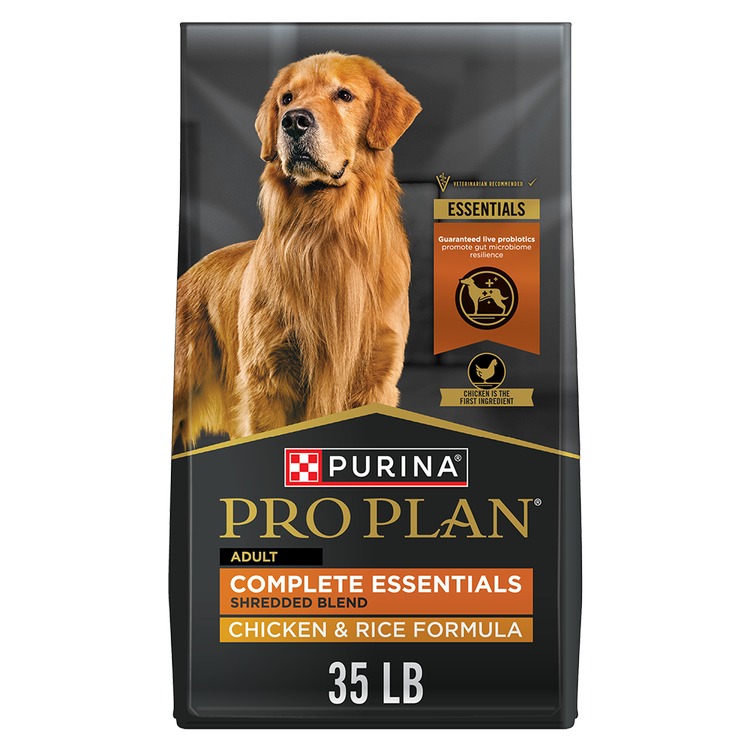
Credit: www.purina.com
Frequently Asked Questions
When Should I Switch My Puppy To Adult Dog Food?
Switch your puppy to adult food once they reach 80% of their adult size. This usually happens between 9 to 12 months. Large breeds may take longer. Consult your vet for personalized advice based on your dog’s breed and growth rate.
How Do I Know My Dog Is Ready For Adult Food?
Look for signs like slowed growth, stable weight, and less puppy energy. Your vet can confirm if your dog’s development is complete. These signs indicate your dog’s nutritional needs have shifted to adult maintenance.
Can I Feed Adult Dog Food To My Puppy?
It’s not recommended. Puppy food has higher nutrients for growth and development. Adult food lacks these and may cause deficiencies. Always use age-appropriate food to support your dog’s health and proper growth.
What Happens If I Delay Feeding Adult Dog Food?
Delaying the switch may cause your dog to gain excess weight or develop nutrient imbalances. Puppy food is calorie-dense and feeding it too long can lead to obesity. Timely transition supports healthy adult metabolism and weight.
Conclusion
Feeding your dog adult food at the right time supports their health well. Watch their growth and behavior closely for signs of readiness. Switching too early or late can cause problems. Choose good quality food made for adult dogs. Keep regular feeding times and monitor their weight.
Always ask your vet if unsure about the change. Healthy eating helps your dog stay active and happy. Simple care goes a long way for your pet’s life. Trust your instincts and care for your dog with love.