
Are you wondering when the right time is to switch your furry friend to adult dog food? It’s a question every dog owner faces, and getting it right can make a big difference in your dog’s health and happiness.
Feeding your dog the right food at the right age helps them grow strong, stay energetic, and avoid health problems later on. You’ll discover clear signs and simple tips to know exactly when to make the change. Keep reading to make sure your dog gets the best nutrition at every stage of life.
Credit: www.purina.com
Puppy Vs Adult Dog Food
Choosing between puppy and adult dog food can feel confusing, especially when your furry friend starts growing fast. The transition isn’t just about size but about what nutrients your dog needs at different stages. Understanding these differences helps you decide the right time to switch and supports your dog’s health effectively.
Nutritional Differences
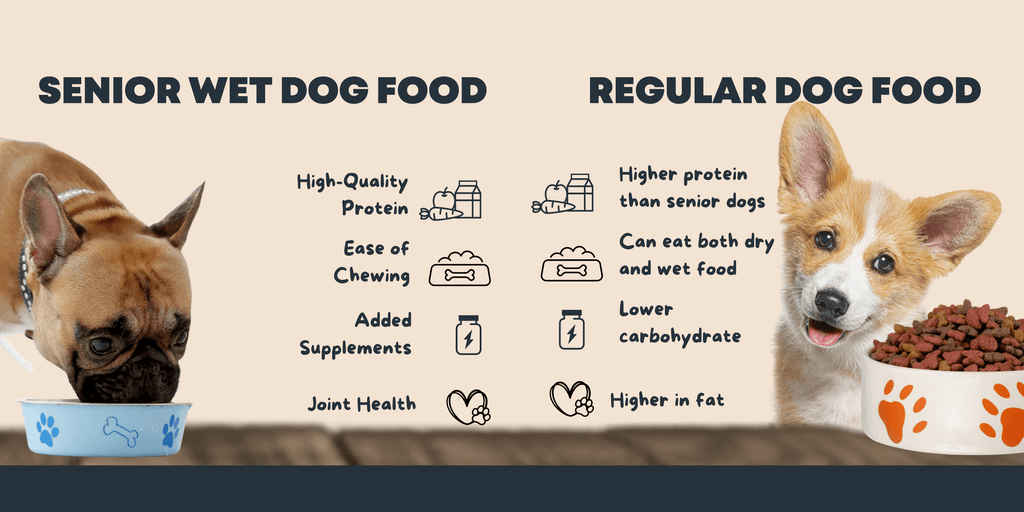
Puppy food is packed with more calories and protein to support rapid growth and high energy levels. It includes extra nutrients like DHA for brain development and higher calcium for strong bones. Adult dog food has fewer calories to prevent weight gain and balances nutrients for maintenance rather than growth.
Think about it this way: feeding your adult dog the same diet as a puppy can lead to unnecessary weight gain. On the other hand, adult food might not provide enough fuel for a growing puppy’s needs. Have you noticed your dog’s energy or weight changing after switching foods? That’s a key sign to pay attention to.
Impact On Growth And Health
Feeding the right food at the right time helps prevent common health problems like obesity and joint issues. Puppies eating adult food may miss out on essential nutrients, slowing their growth or weakening their immune system. Adult dogs on puppy food might develop digestive troubles or gain excess weight, which stresses their heart and joints.
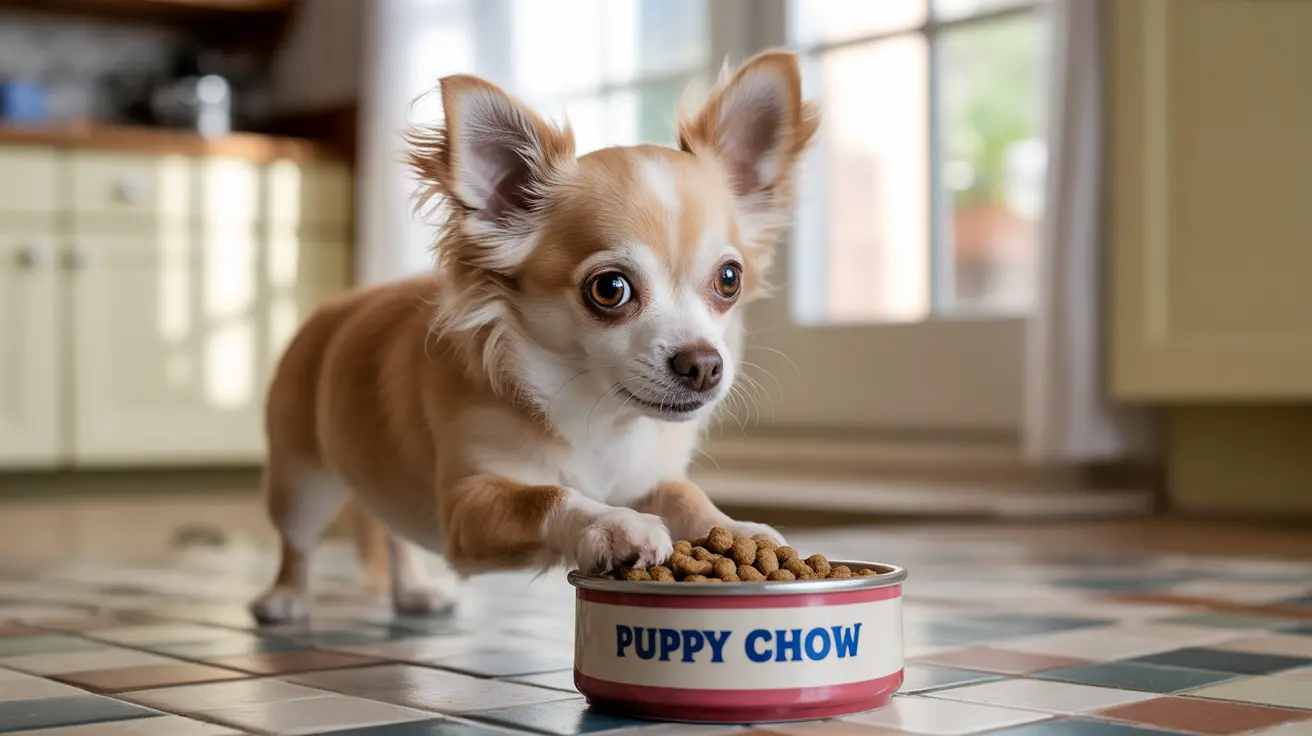
When I switched my dog from puppy to adult food, I noticed a smoother coat and steady energy levels. Your dog’s breed and size also affect the timing of the switch—larger breeds benefit from a slower transition. Have you checked your dog’s growth milestones recently? That can guide your decision on when to change their diet.
Credit: www.petscare.com
Signs Your Dog Is Ready
Recognizing when your dog is ready for adult food is essential for their health and well-being. Dogs don’t switch diets on a fixed schedule; instead, they give you clear signs. Paying close attention to these signs helps you make the right choice at the right time.
Age Milestones
The age at which your dog should transition to adult food depends on their breed and size.
- Small breeds:Often mature faster and can switch around 9-12 months.
- Medium breeds:Usually ready between 12-14 months.
- Large and giant breeds:May need puppy food up to 18-24 months due to slower growth.
If your dog is approaching these age milestones, it’s a good idea to start observing other signs of readiness. Have you noticed your dog acting less like a puppy and more like a calm adult?
Physical Development Indicators
Physical changes in your dog’s body give strong clues about when to switch their diet.
- Teeth development:When your dog has all their adult teeth, usually by 6-7 months, their digestive system is better equipped for adult food.
- Weight stabilization:If your dog’s growth rate slows and they maintain a steady weight, it might be time to switch.
- Coat and muscle tone:A shiny coat and firmer muscles show that your dog’s body is maturing and ready for adult nutrition.
Think about your dog’s current activity level and energy. Are they less hyperactive than before? These subtle clues often tell you more than just age alone.
Breed And Size Considerations
When transitioning your furry friend from puppy food to adult food, the breed and size of your dog play an essential role. Different breeds mature at different rates, which means their nutritional needs will change at varying times. Understanding these differences ensures your dog gets the right nutrients at the right stage of life.
Small Breeds
Small breeds, like Chihuahuas and Pomeranians, generally mature faster than their larger counterparts. They often reach adulthood between 9 to 12 months. This means you can start considering adult food around this time.
Have you noticed your small dog slowing down on puppy food? It might be a sign they’re ready for the transition. Always keep an eye on their weight and activity levels to make informed decisions.
Large Breeds
Large breeds, such as Golden Retrievers and Great Danes, take longer to mature. They usually continue growing until they are 18 to 24 months old. During this time, they require a diet that supports their extended growth phase.
Switching to adult food too early can lead to health issues due to their specific growth needs. Consider consulting your vet to ensure the timing is just right for your big buddy.
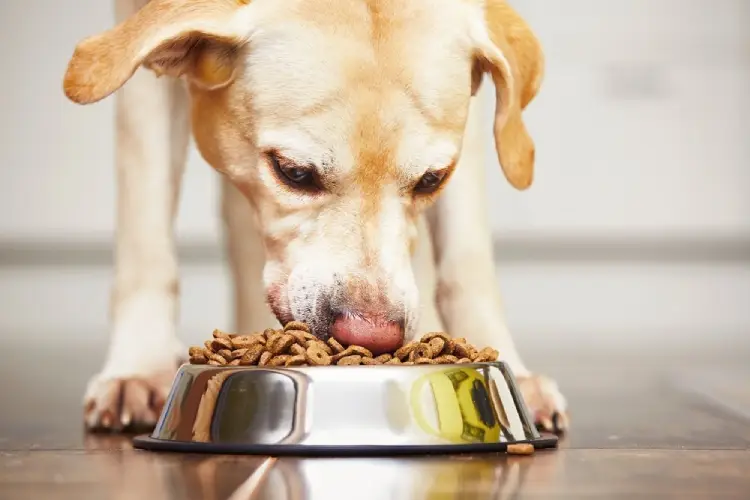
Whether you have a petite pup or a gentle giant, knowing when to switch to adult food is crucial. Are you observing changes in your dog’s behavior or growth patterns? These could be indicators it’s time for a dietary shift.
Credit: www.webbox.co.uk
Transitioning To Adult Food
Switching your dog to adult food is a key moment in their growth and health. This change needs to be smooth to avoid upsetting their stomach or causing food rejection. Timing it right and handling the switch carefully helps your dog adjust happily to new nutrition.
Gradual Introduction
Start by mixing a small amount of adult food into your dog’s current diet. A good rule is to begin with about 25% adult food and 75% puppy food. Keep this ratio for a few days, then slowly increase the adult food portion every 3-4 days.
This slow change helps your dog’s digestive system adapt without stress. If you switch too fast, your dog might experience diarrhea or vomiting. Have you noticed your dog’s reaction when trying new foods before? Use that experience to guide the pace of transition.
Monitoring For Reactions
Watch your dog closely during the transition for any signs of discomfort or allergies. Common issues include itching, redness, or unusual stools. If you see these, it might mean the new food isn’t agreeing with them.
Keep a simple journal of your dog’s behavior, appetite, and bathroom habits during this time. This record will help you spot patterns and decide if you need to slow the transition or try a different formula. Are you ready to adjust the plan based on your dog’s needs?
Common Mistakes To Avoid
Knowing when to switch your dog to adult food is important, but many pet owners make avoidable mistakes during this transition. These errors can affect your dog’s health and growth. Let’s look at some common pitfalls so you can make the best choice for your furry friend.
Switching Too Early
Changing your dog’s diet before they are ready can cause digestive upset and nutrient deficiencies. Puppies have unique nutritional needs that adult food might not meet. If you switch too soon, your dog could miss out on essential nutrients needed for healthy bone and muscle development.
I once rushed to switch my Labrador to adult food at six months, only to notice he seemed less energetic and had softer stools. After consulting the vet, I learned that waiting until he was closer to a year old would have been better. Always check your breed’s growth timeline and consult your vet before making the change.
Ignoring Dietary Needs
Adult dog foods vary widely in ingredients and nutrient content. Ignoring your dog’s specific needs can lead to problems like weight gain, allergies, or nutrient imbalances. For example, active dogs require more protein and calories than less active ones.
Consider your dog’s health conditions, activity level, and size before choosing a formula. If your dog has allergies or sensitivities, a generic adult food might not work well. Are you paying attention to these details, or just buying the first adult food you see?
Consulting Your Veterinarian
Consulting your veterinarian is important before switching your dog to adult food. They know your dog’s needs and health history. This helps make the right choice for your pet’s diet.
Personalized Advice
Your vet gives advice based on your dog’s breed, size, and age. Some dogs grow faster and need adult food earlier. Others may need special diets due to allergies or sensitivities. Personalized guidance ensures your dog gets proper nutrition at the right time.
Health Assessments
Regular health check-ups help spot any issues before changing food. Your vet checks weight, dental health, and digestion. These factors affect when and how to switch to adult food. A health assessment keeps your dog safe and healthy during the change.
Frequently Asked Questions
When Is The Right Age To Switch To Adult Dog Food?
Most dogs transition to adult food between 12 to 18 months. Small breeds may switch earlier, while large breeds might need more time. Consult your vet to ensure your dog’s growth and health needs are met before making the change.
How To Know If My Dog Needs Adult Food Now?
Signs include slowed growth, less energy, and adult teeth fully grown. Your vet can confirm readiness by assessing your dog’s development and health. Switching at the right time supports balanced nutrition and prevents health issues.
What Happens If I Switch Dog Food Too Early?
Switching too early may cause nutrient imbalances and digestive upset. Puppies have higher calorie and nutrient needs than adults. Premature changes can stunt growth or cause stomach problems. Always follow vet advice for timing the transition.
Can Breed Size Affect When To Start Adult Food?
Yes, breed size significantly influences the timing. Small breeds mature faster and switch earlier, around 9-12 months. Large breeds need more time, often 12-18 months, to ensure proper growth before switching to adult food.
Conclusion
Choosing the right time to switch your dog to adult food matters. Usually, dogs start adult food around one year old. Small breeds may change sooner, large breeds later. Watch your dog’s growth and energy for clues. Healthy food helps keep dogs strong and happy.
Talk with your vet for advice tailored to your dog. Feeding adult food too early or late can cause problems. Keep your dog’s needs in mind and adjust as needed. This simple step supports a long, healthy life.