
You want the best for your dog, and that includes feeding them the right food at the right time. But when exactly should you switch your dog’s food to adult formula?
Making this change too early or too late can affect your dog’s health and happiness. You’ll discover the simple signs to watch for and the best timing to make this important switch. Keep reading to ensure your furry friend gets the nutrition they need as they grow.
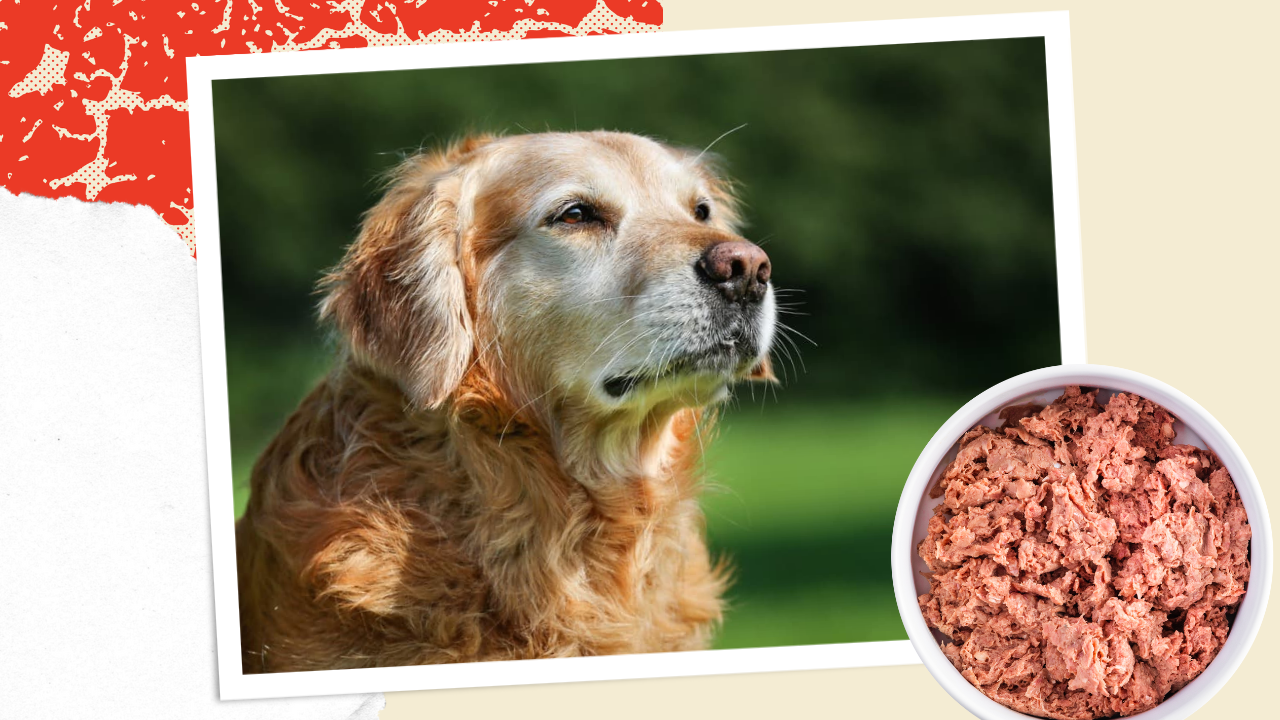
Credit: www.houndsy.com
Signs Your Dog Is Ready
Knowing when to switch your dog’s food to adult formula is crucial for their health. Watching for clear signs helps you make the best choice. Let’s look at key indicators that show your dog is ready for this change.
Age Milestones
Most dogs reach adulthood between 12 and 24 months, depending on their breed. Small breeds often mature faster, around one year, while larger breeds may take up to two years.
Keep track of your dog’s age alongside breed-specific growth charts. This gives a solid timeline to start considering adult food.
Behavioral Changes
You might notice your puppy becoming less hyperactive and more calm. This shift in energy levels often means they no longer need the high-calorie puppy diet.
Is your dog eating less frequently or showing more controlled eating habits? These are signs their metabolism is stabilizing and adult food could be more appropriate.
Physical Development
Check your dog’s teeth and body structure. When their baby teeth have been replaced by adult teeth and their growth plates close, it’s a good sign they’re ready.
Notice how their body feels—are they filling out but not growing taller? This indicates their bones and muscles are maturing, matching the nutritional needs of adult food.
Differences Between Puppy And Adult Food
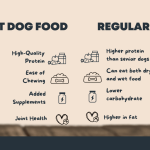
Understanding the differences between puppy and adult dog food is essential when deciding the right time to switch your dog’s diet. Each stage in a dog’s life comes with unique nutritional demands that directly affect their growth, energy, and overall health. Recognizing these differences helps ensure your dog receives the right nutrients for their current stage.
Nutritional Needs
Puppies require higher amounts of protein and fat to support rapid growth and development. Their food is formulated to help build strong muscles, bones, and a healthy immune system.
Adult dogs, on the other hand, need balanced nutrition to maintain their weight and support daily activity without encouraging excess fat. Have you noticed how your dog’s energy levels stabilize as they grow? Their food must reflect this change.
Calorie Content
Puppy food contains more calories per serving to meet the high energy needs of growing dogs. This extra energy helps them stay active and develop properly.
Adult dog food has fewer calories to prevent unwanted weight gain, as adult dogs are generally less active than puppies. If you don’t adjust calorie intake, your dog might become overweight, which can lead to health problems down the line.
Ingredient Variations
Puppy formulas often include ingredients that promote brain development, like DHA from fish oil, plus added vitamins and minerals for growth.
Adult foods focus more on ingredients that support joint health, digestion, and maintaining a healthy coat. You might find glucosamine or fiber added to adult dog food, which aren’t as common in puppy formulas.
Does your dog’s current food support their stage of life? Paying attention to these ingredient differences can make a big impact on their well-being.
Timing The Transition
Dogs usually switch to adult food around one year old. Watch for signs like slower growth and less puppy energy. Gradually mix adult food over 7-10 days to avoid stomach upset.
Timing the Transition Switching your dog’s food from puppy to adult formula is a crucial step in ensuring their health and longevity. It’s not just about age; various factors play a role in determining when to make this change. Understanding these factors can help you make an informed decision that supports your dog’s overall well-being.Ideal Age Range
Most dogs are ready to transition to adult food between 12 to 24 months. Smaller breeds tend to mature faster and may be ready closer to the 12-month mark. In contrast, larger breeds, like Great Danes, might need up to 24 months.Breed-specific Considerations
Different breeds grow and mature at varying rates. A Chihuahua and a St. Bernard will not transition at the same age. Consider consulting your vet for guidance tailored to your dog’s specific breed.Health Status
Your dog’s health can significantly impact the timing of their food transition. If your pup has specific health concerns, such as digestive issues or allergies, you may need to adjust their diet sooner or later. Regular vet check-ups can provide insights into the best timing based on their health status. Remember, making the right choice in food transition can set the stage for a happy and healthy adulthood for your dog. Are you observing your dog’s development closely to decide the best time for them?How To Switch Foods Safely
Switching your dog’s food to an adult formula requires care. Sudden changes can upset their stomach. Follow these safe steps to make the transition smooth. This helps your dog adjust without discomfort or digestive issues.
Gradual Introduction
Mix a small amount of adult food with your dog’s current food. Increase the new food portion slowly over 7 to 10 days. This lets your dog’s system adapt gently. Avoid switching all at once to prevent tummy upset.
Monitoring Reactions
Watch your dog closely during the food change. Look for signs like vomiting, diarrhea, or loss of appetite. Mild changes can be normal but lasting problems need attention. Contact your vet if issues persist beyond a few days.
Adjusting Portions
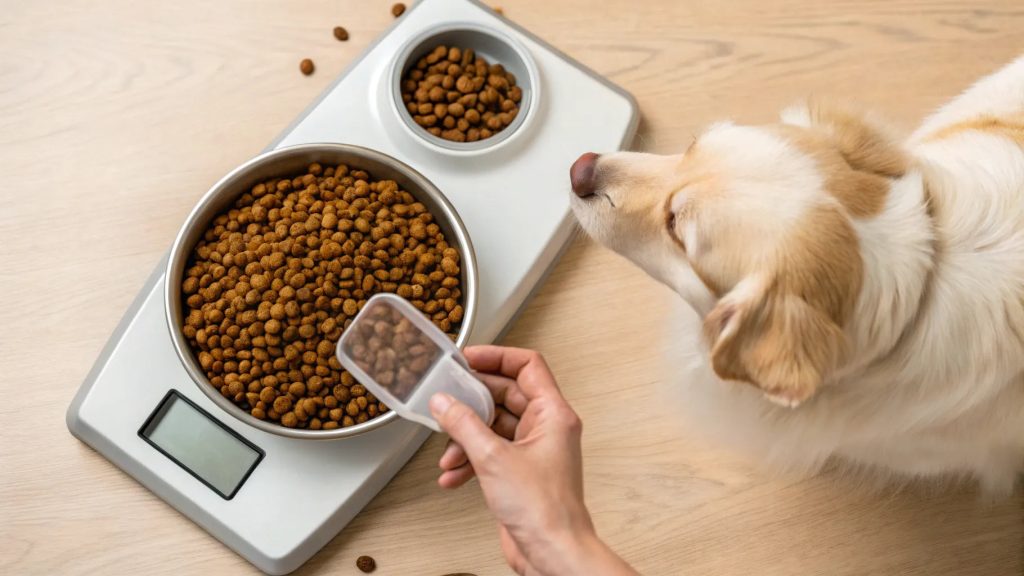
Adjust food portions based on your dog’s size, age, and activity. Adult dogs usually eat less than puppies. Follow feeding guidelines on the food package. Keep your dog’s weight in check by measuring meals carefully.
Common Challenges During Transition
Switching your dog’s food to adult formula can bring some unexpected hurdles. These challenges are common but manageable with the right approach. Being prepared helps you keep your dog comfortable and happy during the change.
Digestive Upset
Digestive issues like diarrhea or vomiting often happen when dogs adjust to new food. Their stomachs need time to get used to different ingredients and nutrient levels. If your dog shows signs of digestive upset, try mixing the old and new food gradually over 7 to 10 days.
Watch for persistent symptoms. If diarrhea lasts more than a couple of days, consult your vet to rule out allergies or infections. Remember, every dog’s system reacts differently, so patience is key.
Refusal To Eat
Sometimes, dogs simply refuse to eat the new adult food. This can be frustrating and worrying. Your dog might not like the taste or texture right away, especially if the puppy food was very different.
Try warming the food slightly or adding a small amount of low-sodium broth to make it more appealing. Be consistent with mealtimes and avoid offering too many treats, which can spoil their appetite. How do you encourage your picky eater to try new food?
Allergic Reactions
Allergic reactions during food transition can show up as itching, redness, or swelling. These signs mean your dog might be sensitive to an ingredient in the adult formula. Keep an eye on your dog’s skin and behavior after each feeding.
If you notice any allergy symptoms, stop the new food immediately and consult your vet. They might suggest a hypoallergenic formula or perform tests to identify the culprit. Your dog’s comfort and health should always guide your food choices.
Credit: wefeedraw.com
Consulting Your Veterinarian
Consulting your veterinarian is the best way to decide when to switch your dog to adult food. Vets understand your dog’s unique needs. They can give advice tailored to your pet’s health and growth. This ensures the food change supports your dog’s well-being.
Personalized Advice
Your veterinarian knows your dog’s breed, size, and health history. They consider these factors to suggest the right timing for food changes. Some dogs mature faster or slower than others. Personalized advice helps avoid feeding mistakes that could harm your dog.
Nutritional Assessments
A vet can check your dog’s weight, energy, and overall health. These checks show if your dog needs more or fewer nutrients. Nutritional assessments guide the choice of the best adult food formula. This keeps your dog strong and active during adulthood.
When To Seek Help
Watch for signs like sudden weight loss, lack of appetite, or digestive issues. These could mean your dog struggles with the current food. Contact your vet if you see these problems. Early help prevents health issues and improves your dog’s comfort.
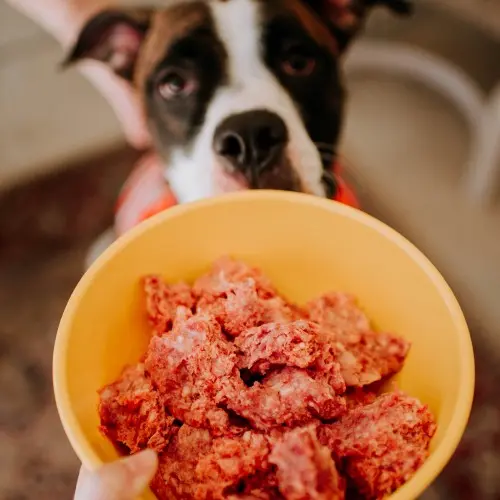
Credit: wefeedraw.com
Frequently Asked Questions
When Is The Right Time To Switch My Dog To Adult Food?
Most dogs should transition to adult food around 12 months old. Large breeds may need to wait until 18-24 months. Consult your vet to ensure proper timing based on your dog’s breed and growth.
What Are Signs My Dog Is Ready For Adult Food?
Signs include slowed growth, decreased energy needs, and stable weight. Puppies may also show less interest in puppy food. These indicate it’s time to switch to adult food for balanced nutrition.
How Should I Transition My Dog To Adult Food?
Gradually mix adult food with puppy food over 7-10 days. Increase adult food daily while decreasing puppy food. This prevents digestive upset and helps your dog adjust smoothly to the new diet.
Why Is Feeding Adult Food Too Early Harmful?
Feeding adult food too soon may cause nutrient deficiencies. Puppies need higher protein and fat for growth. Early switch can stunt growth and weaken the immune system.
Conclusion
Switching your dog’s food to adult formula takes careful timing. Watch their age and weight closely. Growing dogs need the right nutrients at the right time. Changing food too early or late can cause problems. Always check with your vet before making changes.
A smooth transition helps your dog stay healthy and happy. Remember, every dog is different. Pay attention to your dog’s needs and habits. This way, you ensure they get the best care throughout life. Simple steps make a big difference in your dog’s health.