
Are you wondering if a grain free diet is the right choice for your dog? With so many options out there, it’s easy to feel overwhelmed.
You want the best for your furry friend, but is cutting out grains really the answer? This article will help you understand what a grain free diet means, its potential benefits, and what you should watch out for. By the end, you’ll have the clear information you need to make the best decision for your dog’s health and happiness.
Keep reading to discover if grain free is truly good for your dog.
Grain Free Diet Basics
Understanding the basics of a grain free diet for dogs helps you make informed choices about your pet’s nutrition. This diet excludes grains like wheat, corn, and rice, focusing instead on other sources of carbohydrates and proteins. Knowing what grain free really means and what ingredients are involved can guide you in selecting the best food for your dog’s health.
What Grain Free Means
A grain free diet means the dog food does not contain traditional grains such as:
- Wheat
- Corn
- Rice
- Barley
- Oats
Instead, it uses other carbohydrate sources to provide energy. This approach often aims to avoid potential allergens or digestive issues linked to grains. However, it’s important to ask yourself if grain allergies are really the cause of your dog’s problems or if other factors might be involved.
Common Ingredients In Grain Free Dog Food
Grain free dog foods replace grains with alternative ingredients like:
- Potatoes and sweet potatoes
- Pea starch and lentils
- Chickpeas and other legumes
- Vegetables such as pumpkin and carrots
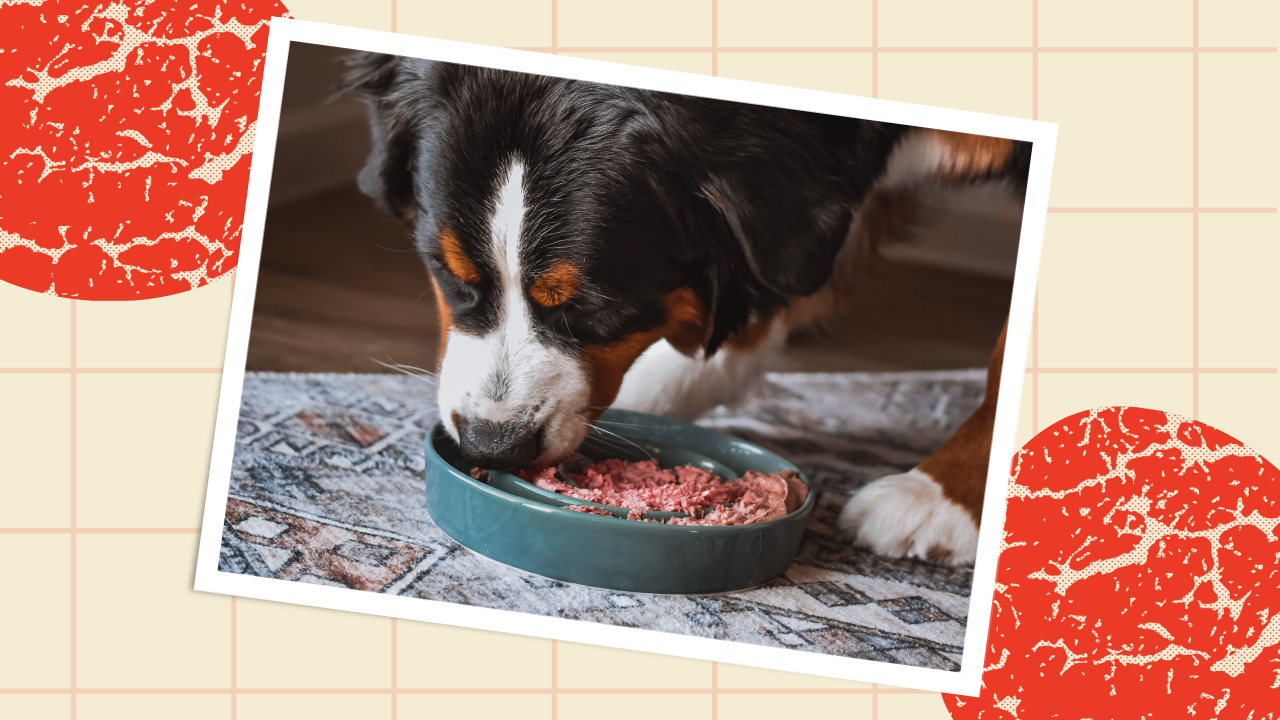
These ingredients provide carbs and fiber, but some dogs may react differently to legumes or potatoes. When I switched my dog to a grain free diet, I noticed improved digestion, but I also monitored her for any new sensitivities. Have you checked the ingredient list carefully to see what replaces the grains in your dog’s food?
Credit: wefeedraw.com
Benefits Of Grain Free Diet
Choosing a grain free diet for your dog can offer several health benefits. Many dogs thrive better without grains in their meals. This diet focuses on proteins and vegetables, which suit some dogs’ needs more effectively.
Allergy And Sensitivity Relief
Grains often cause allergies or sensitivities in dogs. Removing grains can reduce itching and skin problems. Dogs with food allergies may show fewer signs of discomfort. This diet helps avoid common allergens found in wheat, corn, and soy.
Improved Digestion
Grain free diets can be easier for some dogs to digest. These diets use ingredients like sweet potatoes and peas for carbohydrates. Such carbs are gentler on the stomach and intestines. Dogs may experience less gas, bloating, and diarrhea.
Better Coat And Skin Health
A grain free diet often improves coat shine and skin condition. Quality proteins and healthy fats support skin repair and hydration. Many owners notice less dandruff and a softer, glossier coat. This diet nourishes your dog from the inside out.
Potential Risks And Concerns
Choosing a grain-free diet for your dog might seem beneficial. But it’s essential to weigh potential risks and concerns. These diets can lead to health issues that pet owners should know about.
Nutritional Imbalances
Grain-free diets often replace grains with legumes or potatoes. This can lead to nutritional imbalances. Dogs need a balanced intake of proteins, fats, and carbohydrates. Grain-free options may lack certain nutrients. Essential vitamins and minerals might be missing. Over time, this can affect a dog’s health and energy levels.
Link To Canine Heart Disease
Recent studies suggest a link between grain-free diets and canine heart disease. The condition is called Dilated Cardiomyopathy (DCM). Some dogs on grain-free diets have shown signs of DCM. This disease weakens the heart muscles. It can be life-threatening if not treated. Pet owners should stay informed about such risks.
Cost And Availability
Grain-free dog food often costs more than regular options. This can strain a pet owner’s budget. Availability can also be an issue. Not all stores stock grain-free options. This can make it hard to maintain a consistent diet. Pet owners should consider these factors before switching diets.

Credit: www.vetsupply.com.au
When To Choose Grain Free
Choosing a grain free diet for your dog can be important in certain situations. Not every dog needs it. Grain free food removes common grains like wheat, corn, and rice. This can help dogs with specific needs. Knowing when to choose grain free helps keep your dog healthy and happy.
Dogs With Allergies
Some dogs develop allergies to grains. Signs include itching, redness, and digestive upset. Grain free food can reduce these symptoms. It removes common allergens that cause reactions. This diet supports dogs with sensitive skin and stomachs. Always watch your dog’s response after switching food.
Specific Health Conditions
Certain health issues may benefit from grain free diets. Dogs with pancreatitis might find grain free easier to digest. Some dogs with diabetes may see better blood sugar control. Grain free diets often have more protein and fat. These nutrients help dogs with special medical needs. Speak with a vet before changing your dog’s diet.
Alternatives To Grain Free Diet
If you’re unsure about switching your dog to a grain free diet, there are other options that might suit your pet’s needs just as well. Alternatives can offer balanced nutrition without cutting out grains entirely. Let’s look at choices that keep your dog healthy and happy without unnecessary restrictions.
Limited Ingredient Diets
Limited ingredient diets focus on reducing the number of ingredients in your dog’s food. This helps identify and avoid specific allergens without removing grains altogether. Many dogs with sensitivities do well on these diets because they limit exposure to potential irritants.
Imagine switching to a simple recipe with just one protein and one carbohydrate source. This can make it easier to spot which ingredient causes a reaction. Have you noticed your dog’s itching or digestive issues get better after changing food? Limited ingredient diets might be worth trying.
Whole Grain Options
Whole grains like brown rice, oats, and barley provide valuable nutrients and fiber for your dog. These grains support digestion and offer steady energy without spikes in blood sugar. They can be a healthy part of your dog’s diet unless your vet advises otherwise.
Choosing whole grain dog food can also introduce beneficial antioxidants and vitamins. Some dogs thrive on diets that include grains, showing shiny coats and good weight management. Could your dog be missing out on these benefits by avoiding grains entirely?
Consulting Your Veterinarian
Consulting your veterinarian is essential before changing your dog’s diet. Veterinarians have the knowledge to guide you safely. They understand your dog’s health history and needs. Their advice helps avoid nutritional imbalances or health problems. Always discuss any diet changes with them to keep your dog healthy.
Tailoring Diet To Your Dog’s Needs
Every dog is unique. What works for one may not work for another. Your vet can recommend the best diet based on your dog’s age, breed, and health condition. They consider allergies, digestive issues, and activity levels. This ensures the diet supports your dog’s well-being. Grain-free diets are not always necessary, but sometimes beneficial. The vet’s guidance helps create a balanced plan that suits your dog perfectly.
Monitoring Health Changes
After switching diets, watch your dog closely. Look for changes in energy, coat quality, and digestion. Some dogs may react positively, while others might show problems. Regular check-ups with your vet help track these changes. Blood tests or physical exams can reveal hidden issues. Early detection of problems prevents serious health risks. Your vet can adjust the diet based on these observations to keep your dog thriving.
Credit: www.monsterk9.com
Frequently Asked Questions
What Are The Benefits Of A Grain Free Diet For Dogs?
A grain free diet can reduce allergies and improve digestion in dogs. It often leads to healthier skin and a shinier coat. Many dogs with grain sensitivities show better energy levels on this diet.
Are Grain Free Diets Safe For All Dog Breeds?
Grain free diets are generally safe but may not suit every dog. Consult your vet before switching diets, especially for dogs with heart issues or special health needs.
Can Grain Free Food Cause Nutritional Deficiencies?
Grain free diets can be balanced but may lack some nutrients. Ensure the food contains alternative carbohydrate sources and essential vitamins to avoid deficiencies.
How Does Grain Free Food Affect Dog Allergies?
Grain free diets can help dogs with grain allergies or intolerances. Removing grains often reduces itching, digestive issues, and other allergy symptoms in sensitive dogs.
Conclusion
Choosing a grain-free diet for dogs depends on each pet’s needs. Some dogs may benefit from it, especially those with allergies or sensitivities. Others might do well on regular diets with grains. Always watch your dog’s health and energy closely.
Talk to your vet before making diet changes. Good nutrition keeps dogs happy and strong. The best diet fits your dog’s unique body and lifestyle. Simple care and smart choices matter most.