
Are you wondering when it’s the right time to switch your furry friend to adult dog food? Making this change at the perfect moment can impact your dog’s health, energy, and happiness.
If you feed adult dog food too early, your pup might miss out on vital nutrients. Wait too long, and your dog could end up with unnecessary weight or digestive issues. Keep reading to discover the signs to watch for and how to make this important transition smoothly.
Your dog’s well-being depends on it!

Credit: jiminys.com
Signs Your Dog Is Ready For Adult Food
Recognizing when your dog is ready for adult food is key for their health. Puppies grow fast and need different nutrients than adult dogs. Feeding them the right food at the right time supports their growth and energy. Watch for clear signs that show your dog is ready to switch.
Age Milestones
Most dogs switch to adult food between 9 and 12 months. Small breeds may change earlier, around 9 months. Large breeds often stay on puppy food longer, up to 12 months or more. Breed size affects when your dog needs adult food.
Behavioral Changes
Notice changes in your dog’s appetite or energy. Puppies eat a lot and are very active. When they slow down or eat less, they may need adult food. Less hyperactivity and calmer behavior can mean they are ready for the switch.
Physical Development
Check your dog’s body shape and teeth. When their adult teeth grow in fully, it signals readiness. A leaner body and stronger muscles also show growth is slowing. These physical signs help decide the right time for adult food.
Differences Between Puppy And Adult Dog Food
Understanding the differences between puppy and adult dog food is key to knowing when to switch your furry friend to a new diet. Puppy food is specially designed to support rapid growth and high energy levels, while adult dog food focuses on maintaining health and preventing weight gain. Let’s look closely at what sets these two types of food apart so you can make the best choice for your dog’s well-being.
Nutritional Needs
Puppies need more protein and fat to support their fast growth and muscle development. Their food contains extra vitamins and minerals like calcium and phosphorus to help build strong bones and teeth.
Adult dogs, on the other hand, require balanced nutrition to maintain their body condition without promoting excess weight. Their diets often have controlled levels of protein and fat to support energy without overfeeding.
Calorie Content
Puppy food is packed with calories to fuel their active lifestyle and growth spurts. This high energy content helps them stay energized throughout the day.
Adult dog food contains fewer calories since grown dogs tend to be less active. Feeding your adult dog puppy-calorie food can lead to unwanted weight gain and health issues.
Ingredient Variations
Puppy food often includes ingredients that aid digestion and immune system development, such as DHA from fish oil and antioxidants. These help your puppy’s brain and body grow strong.
Adult dog food ingredients focus on maintaining health, sometimes including joint support supplements like glucosamine and chondroitin. These components help keep your dog comfortable as they age.
Have you noticed how your dog’s energy changes as they grow? Paying attention to these nutritional differences ensures you feed them what they truly need at every stage.
Factors Influencing Feeding Timing
Feeding times depend on your dog’s age, activity level, and health. Adult dogs usually eat once or twice daily for best digestion. Consistent meal schedules help maintain their energy and routine.
Determining the right time to switch your dog from puppy food to adult dog food can be a bit tricky. The timing depends on several factors that are specific to your dog’s individual needs. Understanding these factors can help you make an informed decision, ensuring your furry friend gets the nutrients they need as they grow.Breed Size
The size of your dog’s breed plays a significant role in deciding when to transition to adult food. Smaller breeds typically mature faster than larger breeds. For example, a Chihuahua might be ready for adult food by 9 months, while a Great Dane may need to stay on puppy food for up to 18 months. Consider your dog’s growth rate. Smaller breeds reach their full size sooner and hence need the nutritional balance of adult food earlier. In contrast, larger breeds benefit from the extended nutrients in puppy food to support their longer growth periods.Health Conditions
Health conditions can also influence when to switch to adult food. Some dogs with specific health issues may require a specialized diet. If your dog has a medical condition like obesity or a digestive disorder, consult your vet before making any dietary changes. A tailored approach ensures that your dog receives the necessary nutrients to manage their health condition effectively.Activity Level
Your dog’s activity level is another crucial factor. Active dogs, such as those involved in agility training or regular long walks, might require a high-energy diet longer than less active dogs. Monitor your dog’s energy needs. If they’re burning more calories, they might benefit from the higher calorie content in puppy food a bit longer. Conversely, a less active dog might need a switch to adult food sooner to prevent unwanted weight gain. Switching to adult dog food is a significant step in your dog’s life. By considering these factors, you can ensure a smooth transition that supports their health and happiness. Are you observing any specific signs that suggest your dog is ready for adult food?
Credit: www.purina.com
Transitioning To Adult Food Safely
Switching your dog from puppy food to adult dog food is a crucial moment that needs careful handling. A sudden change can upset your dog’s stomach or cause them to reject the new food altogether. Taking it slow and watching how your dog reacts ensures a smooth and healthy transition.
Gradual Introduction
Start by mixing a small amount of adult food into your dog’s current puppy food. Increase the adult food portion little by little over 7 to 10 days. This slow change helps your dog’s digestive system adjust without stress.
If you notice your dog refusing the new food, try mixing it with something tasty like a bit of plain cooked chicken. This can encourage them to eat and get used to the new flavors.
Monitoring Reactions
Watch your dog closely during the transition. Look for signs like vomiting, diarrhea, or changes in energy levels. These symptoms can mean the new food isn’t agreeing with them.
Also, observe their stool consistency and appetite. Healthy stools and steady appetite usually indicate your dog is adapting well.
Adjusting Portions
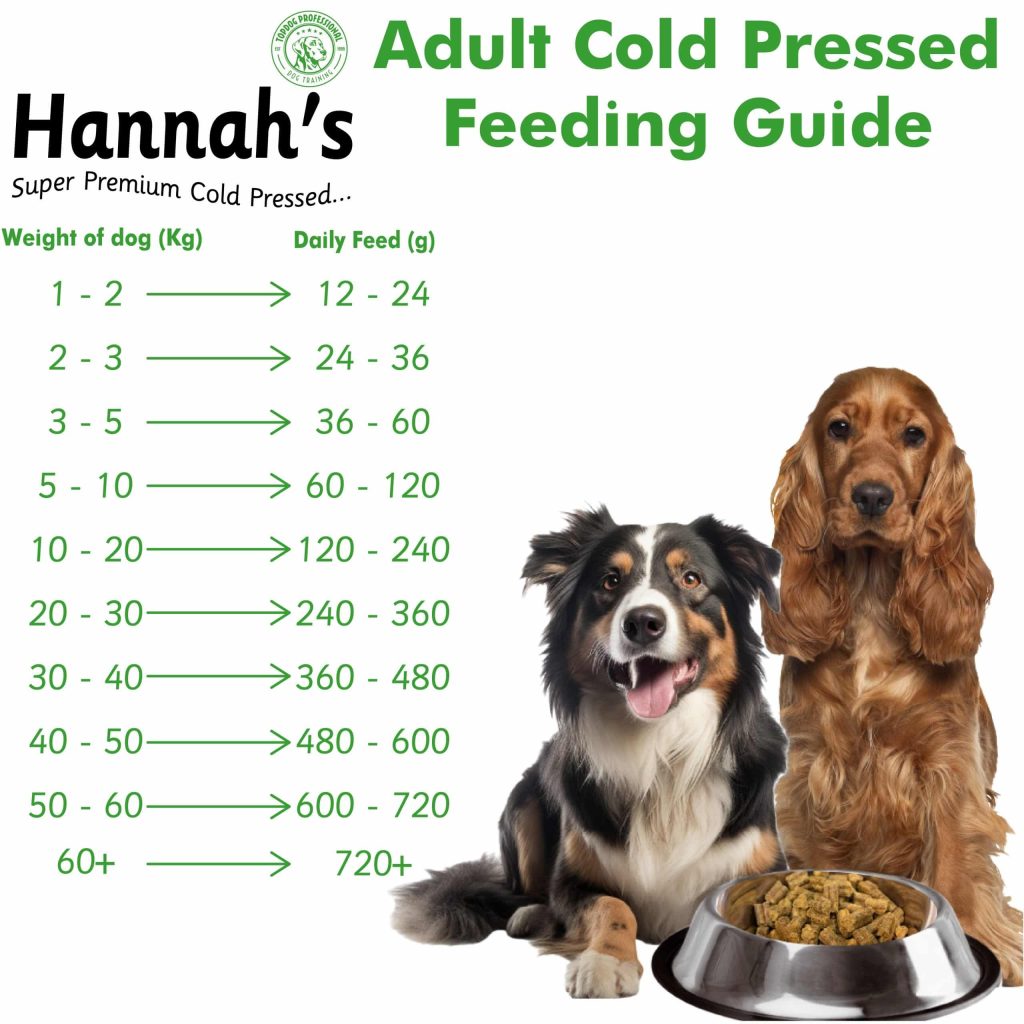
Adult dogs need different calorie amounts than puppies. Once your dog fully switches, adjust the portions to match their size, activity, and health needs.
Check the feeding guidelines on the adult food package and talk to your vet for personalized advice. Overfeeding can lead to weight gain, while underfeeding may cause nutrient deficiencies.
Common Mistakes To Avoid
Feeding your dog adult food at the right time is crucial, but many pet owners stumble on avoidable mistakes. These errors can affect your dog’s health and slow down their growth or cause digestive issues. Recognizing common pitfalls helps you make better choices for your furry friend.
Switching Too Early
Many owners rush to switch to adult dog food as soon as their puppy hits a certain age. But age alone doesn’t tell the whole story—some breeds grow slower and need puppy food longer.
Switching too early can lead to nutritional gaps. Your dog might miss out on essential nutrients needed for healthy bone and muscle development. Have you noticed your dog seeming less energetic or having digestive upset after switching? That could be a sign you switched too soon.
Ignoring Dietary Needs
Not all adult dog foods are created equal. Ignoring your dog’s specific dietary needs can cause weight gain, allergies, or nutrient deficiencies.
Think about your dog’s activity level, size, and any health conditions. A senior dog needs different nutrients compared to a highly active working dog. Look beyond the label and choose food tailored to your dog’s unique needs.
Skipping Vet Advice
Sometimes, owners decide to switch dog food without consulting their vet. This can be risky, especially if your dog has health issues or special dietary requirements.
Your vet can recommend the best time to switch and suggest brands that suit your dog’s health. Have you ever felt unsure about which food to choose? A quick vet consultation can save you time, money, and health troubles down the road.
Credit: dogsauce.co
Tips For Maintaining A Healthy Adult Diet
Maintaining a healthy diet is key to your adult dog’s well-being. Proper nutrition supports energy, coat health, and longevity. Feeding the right food keeps your dog active and happy.
Focus on quality ingredients and balanced meals. Monitor your dog’s weight and adjust portions as needed. A healthy diet needs attention and care every day.
Balanced Nutrition
Ensure your dog’s food contains proteins, fats, and carbohydrates. Proteins help build muscles and repair tissues. Fats provide energy and support brain function. Carbohydrates supply fiber for digestion. Include vitamins and minerals for a strong immune system. Choose dog food labeled for adult dogs for best results.
Regular Vet Checkups
Take your dog to the vet at least once a year. Vets check for health issues that affect diet needs. They can recommend diet changes or supplements if needed. Regular checkups catch problems early and keep your dog healthy.
Hydration Importance
Water is vital for your dog’s health. It helps digestion, circulation, and temperature control. Always provide fresh, clean water. Monitor your dog’s water intake daily. Proper hydration supports all body functions and keeps your dog lively.
Frequently Asked Questions
When Should I Switch My Puppy To Adult Dog Food?
You should switch your puppy to adult dog food around 12 months old. Large breeds may need to switch at 18-24 months. This timing supports healthy growth and development.
What Signs Indicate My Dog Needs Adult Food?
When your dog reaches full size and maturity, usually 1 year old, it needs adult food. Signs include stable weight and decreased growth rate.
Can I Feed Adult Dog Food Too Early?
Feeding adult dog food too early can cause nutritional imbalances. Puppies need higher protein and calories to support growth, so wait until maturity.
How Does Adult Dog Food Differ From Puppy Food?
Adult dog food has fewer calories and less protein than puppy food. It’s designed to maintain weight and support adult health, not rapid growth.
Conclusion
Feeding adult dog food at the right time helps your dog stay healthy. Usually, dogs switch to adult food around one year old. Small breeds may change sooner, while large breeds might wait longer. Watch your dog’s growth and energy to decide the best time.
Always choose food made for adult dogs to meet their needs. A good diet supports strong bones and a shiny coat. Pay attention to your dog’s signals and adjust feeding as needed. Your care makes a big difference in your dog’s life.