
Are you wondering if your playful puppy and grown-up dog can share the same meal? Feeding your furry friends the right food is key to their health and happiness.
But can one diet really meet the needs of both a lively puppy and an adult dog? Understanding the differences in their nutrition can save you time, money, and most importantly, keep your pets thriving. Keep reading to discover what you need to know to make the best choice for your four-legged family members.

Credit: www.petsradar.com
Nutritional Needs Of Puppies
Puppies have very different nutritional needs compared to adult dogs. Their bodies are growing rapidly, and the food you provide must support this intense development. Feeding them the right diet early on sets the foundation for a healthy, active life.
Growth And Development Requirements
Puppies require more calories than adult dogs because they burn energy quickly during growth. Their muscles, bones, and organs are all developing at a fast pace, so their diet must be rich in energy and nutrients.
Think about how a puppy’s energy levels are through the roof—they need fuel to keep up. Feeding them adult dog food might not provide enough calories or the right balance of nutrients to support this growth spurt.
Key Nutrients For Puppies
Protein is crucial for building strong muscles and tissues. Puppies also need higher levels of fat to provide energy and help brain development.
- Calcium and phosphorus:Essential for healthy bone growth.
- DHA (a type of omega-3 fatty acid):Supports brain and vision development.
- Vitamins and minerals:Help strengthen the immune system and overall health.
Have you noticed how quickly puppies seem to learn and explore? Their diet plays a huge role in that, especially nutrients like DHA that support brain function. Ensuring your puppy gets all these essentials means you’re setting them up for success in every stage of life.
Nutritional Needs Of Adult Dogs
Understanding the nutritional needs of adult dogs is crucial to keeping your furry friend healthy and happy. Adult dogs have different requirements compared to puppies because their bodies focus more on maintenance than growth. Feeding your adult dog the right diet supports their energy levels, weight, and overall wellbeing.
Maintenance And Energy Levels
Adult dogs need food that helps maintain their current weight and muscle mass. Unlike puppies, they don’t need extra calories for growth, so overfeeding can lead to obesity. Your dog’s daily energy needs depend on their size, breed, and activity level.
For example, a highly active Border Collie will burn more calories than a sedentary Bulldog. Adjusting food portions based on how much exercise your dog gets can prevent unwanted weight gain or loss. Have you noticed your dog’s energy dipping or spiking? That might be a sign to tweak their food amount or type.
Essential Nutrients For Adults
Adult dogs require a balance of proteins, fats, carbohydrates, vitamins, and minerals to stay healthy. Protein keeps their muscles strong, while fats provide a concentrated energy source and support skin and coat health.
Carbohydrates supply energy but should come from high-quality sources like sweet potatoes or brown rice. Don’t forget about vitamins and minerals—they’re vital for immune function and bone health.
- Protein:Look for at least 18-25% protein content in adult dog food.
- Fat:Around 10-15% fat supports energy without adding excess calories.
- Fiber:Helps with digestion and maintaining a healthy weight.
- Calcium and Phosphorus:Essential for bone strength.
Have you checked your dog’s food label lately? Knowing these numbers helps you pick the best option. Feeding adult dogs a diet designed for puppies can cause nutrient imbalances and lead to health problems. Always choose food tailored to your dog’s life stage.
Differences Between Puppy And Adult Dog Food
Understanding the differences between puppy and adult dog food is key to feeding your furry friend properly. Puppies are growing rapidly, so their nutritional needs differ greatly from adult dogs. Feeding them the right food supports healthy development and keeps them energetic.
Calorie Content And Density
Puppy food contains more calories per serving than adult dog food. This higher calorie density helps meet the energy demands of active, growing puppies. Adult dogs, on the other hand, need fewer calories to maintain their weight and avoid obesity.
Have you noticed your puppy burning energy like a little engine? That’s why their food packs more fuel. Feeding adult dog food to a puppy may not provide enough energy, while feeding puppy food to an adult can lead to unwanted weight gain.
Protein And Fat Levels
Puppies require higher protein and fat levels compared to adult dogs. Protein supports muscle growth, while fat provides essential energy and helps with brain development. Adult dog food typically has lower fat and protein to match their slower metabolism.
Think about your last vet visit. Did the vet mention your puppy’s need for a protein-rich diet? That advice matters because insufficient protein can stunt growth, while too much fat in an adult’s diet can cause health issues.
Vitamin And Mineral Variations
Vitamins and minerals in puppy food are tailored to support bone growth, immune system development, and organ function. For example, calcium and phosphorus levels are carefully balanced for healthy bones. Adult dog food contains these nutrients too, but in different amounts suited to maintenance rather than growth.
Have you checked the label on your dog’s food lately? The differences in vitamins and minerals are subtle but important. Feeding your dog the wrong balance could lead to long-term health problems, so choosing the right food is worth the effort.
Risks Of Feeding Puppies Adult Dog Food
Feeding puppies adult dog food carries several risks that can affect their health and development. Puppies need specific nutrients to grow strong bones, muscles, and a healthy immune system. Adult dog food does not meet these nutritional needs, which can cause problems over time.
Potential Nutritional Deficiencies
Adult dog food often lacks essential nutrients that puppies require in higher amounts. These include:
- Protein for muscle growth
- Calcium and phosphorus for bone development
- Fat for energy and brain development
- Vitamins and minerals for overall health
Without these nutrients, puppies may not develop properly. Deficiencies can lead to weak bones, poor muscle growth, and a weak immune system.
Impact On Growth And Health
Feeding puppies adult food can slow down their growth rate. They may become underweight or have stunted growth. A lack of nutrients can also cause digestive issues and skin problems.
Long-term effects include:
- Joint problems due to weak bones
- Delayed mental development
- Lower resistance to diseases
Choosing food made for puppies helps ensure healthy growth and strong immunity.
Risks Of Feeding Adult Dogs Puppy Food
Feeding your adult dog puppy food might seem harmless or even beneficial at first. After all, puppy food is packed with nutrients to help young dogs grow strong. But giving adult dogs this richer food can lead to some unexpected health problems you might not want to face.
Excess Calories And Weight Gain
Puppy food contains more calories and fat to support rapid growth. If your adult dog eats this regularly, it can quickly lead to weight gain. This extra weight puts stress on their joints and can increase the risk of diabetes and heart problems.
I once had a friend whose adult dog gained several pounds after switching to puppy food. The dog became less active and had difficulty breathing during walks. Have you noticed your dog slowing down or gaining weight unexpectedly?
Digestive Issues
Adult dogs have different digestive needs than puppies. Puppy food is richer and can be harder for adult dogs to digest properly. This often causes stomach upset, diarrhea, or even vomiting.
Imagine your dog experiencing frequent tummy troubles just because of the wrong food. You want your dog to feel good every day, so choosing the right diet is crucial. Pay attention to how your dog reacts after eating to avoid unnecessary discomfort.

Credit: petownerstarter.com
When Can Puppies Transition To Adult Food
Knowing the right time to switch your puppy from puppy food to adult dog food is crucial for their health and growth. Feeding your puppy the wrong type of food can lead to nutritional imbalances that affect their development. Understanding the timing helps you support your dog’s changing needs as they grow into adulthood.
Age And Size Considerations
The age when puppies transition to adult food depends largely on their breed size. Small breeds usually switch around 9 to 12 months old because they mature faster. Larger breeds, like Great Danes or Mastiffs, may need puppy food until 12 to 18 months due to their longer growth period.
Think about your dog’s expected adult size. Larger dogs require food that supports bone and joint health for a longer time. Feeding them adult food too soon might not provide enough nutrients for healthy growth.
Signs Your Puppy Is Ready
Besides age, watch for physical and behavioral signs that your puppy is ready for adult food. If their growth rate slows and they seem less hyperactive, it might be time to switch. Their teeth are usually fully developed by this stage, making adult kibble easier to chew.
You might notice your puppy’s appetite changes or they maintain a healthy weight without rapid growth spurts. These clues tell you their metabolism is stabilizing. Have you observed these signs in your puppy yet? Paying attention to these details helps avoid feeding mistakes that could affect your dog’s health.
Tips For Choosing The Right Dog Food
Puppies need food rich in nutrients to support growth, while adult dogs require balanced meals for maintenance. Feeding the same food to both may miss these specific needs. Choosing age-appropriate dog food helps keep your pet healthy and strong at every stage.
Choosing the right dog food is crucial for your pet’s health. Puppies and adult dogs have different nutritional needs. Selecting the right food can be challenging. Here are some tips to help you make an informed decision.Reading Labels
Examine the ingredient list on the dog food package. Ingredients are listed by weight. The first few ingredients should be quality proteins. Avoid foods with fillers like corn or soy. Check for added vitamins and minerals. Ensure the food meets AAFCO standards.Consulting A Veterinarian
A veterinarian can provide personalized advice. They consider your dog’s age, breed, and health. They can recommend specific brands or ingredients. Regular check-ups can help monitor your dog’s dietary needs. Their expertise ensures your pet receives optimal nutrition.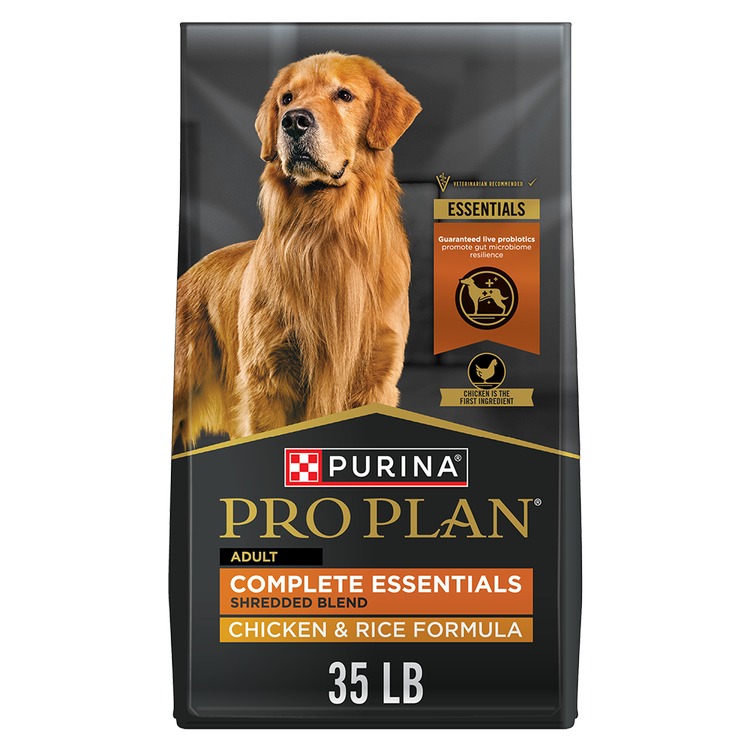
Credit: www.purina.com
Homemade Vs Commercial Dog Food
Choosing between homemade and commercial dog food can be a tricky decision, especially when you’re wondering if puppies and adult dogs can share the same meals. Both options have their own set of benefits and drawbacks that affect your dog’s health and your convenience. Understanding these differences helps you make the best choice for your furry friend’s specific needs.
Pros And Cons
Homemade dog foodoffers full control over ingredients. You can avoid fillers, preservatives, and allergens that may upset your dog’s stomach. Many pet owners enjoy preparing fresh meals tailored to their dog’s preferences and dietary restrictions.
However, homemade meals can be time-consuming and require careful planning. Missing key nutrients is a common risk, which can lead to health issues over time. You also need to be consistent in providing balanced meals every day.
Commercial dog foodis convenient and formulated to meet general nutritional standards. It’s easy to store and serve, making it a popular choice for busy pet parents. Many brands offer recipes designed specifically for puppies or adult dogs, helping you cater to their different needs.
The downside is that some commercial foods contain artificial additives or low-quality ingredients. You need to read labels carefully to avoid harmful substances and ensure your dog gets quality nutrition. Not all commercial options suit every dog, especially those with allergies or sensitivities.
Ensuring Balanced Nutrition
Whether you opt for homemade or commercial food, balanced nutrition is key. Puppies need higher protein, fat, and certain vitamins to support growth. Adult dogs require balanced maintenance diets to keep their weight and energy stable.
To keep your homemade meals balanced, consult with a vet or pet nutritionist. They can help you add the right mix of protein, carbs, fats, vitamins, and minerals. Supplements might be necessary to fill any gaps.
With commercial food, choose products labeled as “complete and balanced” by AAFCO or similar authorities. These foods are tested to meet the nutritional levels your dog needs. However, always observe your dog’s health and energy to catch any issues early.
Have you noticed your dog’s energy or coat quality change after switching foods? This might be a sign to reevaluate their diet and nutrition source.
Frequently Asked Questions
Can Puppies And Adult Dogs Eat The Same Food?
Puppies and adult dogs have different nutritional needs. Puppies require more protein and calories for growth. Adult dog food lacks these higher nutrient levels. Feeding the same food may lead to deficiencies or obesity. It’s best to choose age-appropriate food for each.
Why Is Puppy Food Different From Adult Dog Food?
Puppy food contains higher protein, fat, and calorie content. It supports rapid growth and development. Adult dog food has balanced nutrients for maintenance, not growth. Using the right food ensures proper health and energy levels for each life stage.
Can Adult Dog Food Harm Puppies?
Adult dog food may not provide enough nutrients puppies need. This can slow growth and weaken immunity. Puppies need enriched formulas for brain and bone development. Feeding adult food exclusively is not recommended for puppies.
When Should Puppies Switch To Adult Dog Food?
Puppies usually switch to adult food around 12 months old. Large breeds may need longer, up to 18 months. Consult your vet for the right timing. Proper transition ensures balanced nutrition and avoids digestive issues.
Conclusion
Puppies and adult dogs have different food needs. Puppies need more nutrients for growth and energy. Adult dogs require food that supports maintenance and health. Feeding the same food to both may cause health issues. Choose food based on age and health needs.
Consult your vet for the best advice. Proper nutrition helps dogs live happy, healthy lives. Keep your pet’s diet balanced and suitable. This ensures they grow strong and stay active. Food matters for a dog’s well-being every day.