
Are you wondering when it’s the right time to switch your puppy from puppy food to adult dog food? Feeding your furry friend the right food at the right time is crucial for their growth and health.
If you start too early or too late, it could affect their development or cause digestive issues. You’ll discover the exact signs to look for and the best time to make this important change. Keep reading to make sure your puppy gets the nutrition they need to thrive!
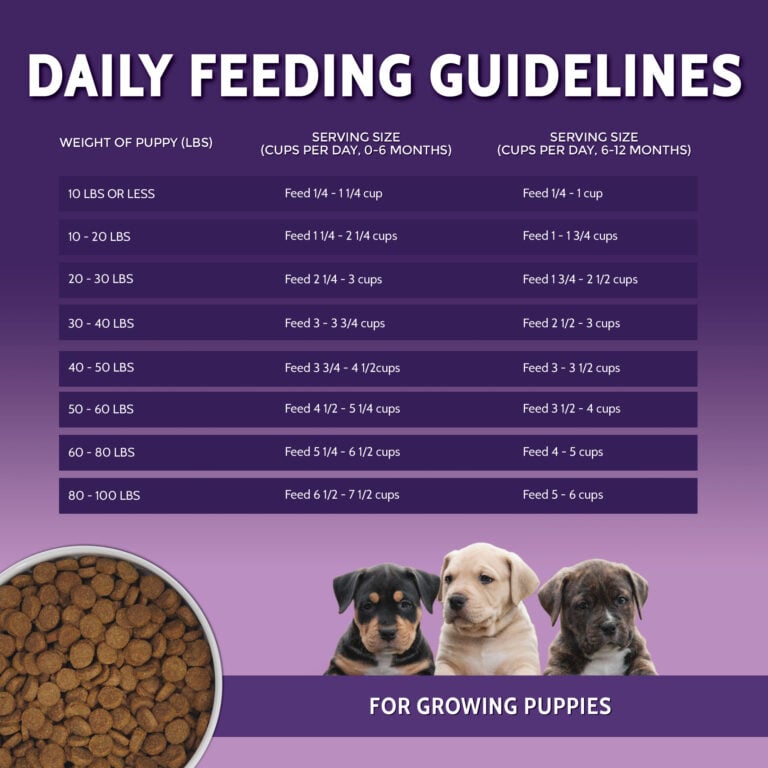
Credit: zignature.com
Puppy Nutrition Basics
Understanding the basics of puppy nutrition sets the foundation for a healthy and happy dog. Feeding your puppy the right food at the right time supports their rapid growth and development. Let’s break down what your puppy truly needs and how it differs from adult dog food.
Nutritional Needs Of Puppies
Puppies require more calories than adult dogs to support their fast growth. Their diet must be rich in protein to build muscles and strong tissues. Essential fatty acids help with brain development and a shiny coat.
Calcium and phosphorus are critical for strong bones and teeth. Puppies also need vitamins and minerals to boost their immune system. You might wonder: How much protein is enough? Most puppy foods contain around 22-32% protein, tailored to these needs.
Hydration is equally important. Always keep fresh water available, especially if your puppy eats dry kibble. Watching your puppy’s energy levels and stool quality can help you judge if their nutrition is on track.
Differences Between Puppy And Adult Food
Puppy food is specially formulated to meet growing pups’ higher energy and nutrient needs. It usually contains more protein, fat, and calories than adult dog food. This extra nutrition supports their rapid growth phase.
Adult dog food has fewer calories since adult dogs don’t grow and burn energy as quickly. Feeding adult food too early can lead to nutritional gaps or even weight issues for your puppy. Conversely, puppy food is too rich for adult dogs and can cause excess weight gain.
Look at the ingredient list and guaranteed analysis on the dog food package. Puppy formulas often highlight added DHA for brain health, while adult foods emphasize maintenance nutrients. Knowing these differences helps you decide the right time to switch.
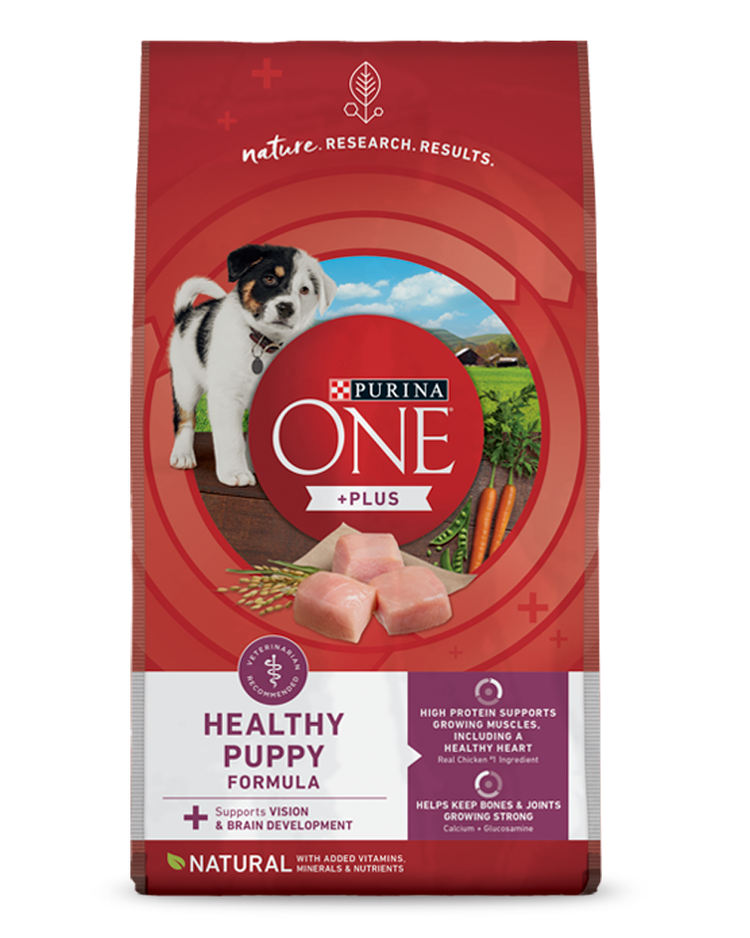
Credit: www.purina.com
Signs Your Puppy Is Ready
Knowing when your puppy is ready to eat adult dog food is important. Puppies grow fast and their needs change quickly. Feeding adult food too early can cause health problems. Feeding it too late might not support growth well. Watch for clear signs before making the switch. These signs help ensure your puppy stays healthy and happy.
Age Milestones For Transition
Puppies usually start eating adult food between 9 and 12 months old. Smaller breeds may switch closer to 9 months. Larger breeds often need puppy food longer, up to 12 months or more. Breed size affects growth speed and nutrient needs. Follow age guidelines but also watch your puppy’s size and health.
- Small breeds: 9 to 12 months
- Medium breeds: 10 to 12 months
- Large breeds: 12 months or more
These age ranges serve as a starting point. Use them with other signs to decide the best time.
Physical And Behavioral Indicators
Look for changes in your puppy’s body and behavior. These clues show readiness for adult food. Strong, steady growth means puppy food may no longer be needed. Teeth should be fully developed. Your puppy may eat less but with more focus.
- Steady weight gain slows down
- Teeth fully grown and strong
- Less frequent but larger meals
- Increased energy and activity levels
- Coat looks healthy and shiny
Watch your puppy’s appetite and stool quality too. Normal digestion signals a healthy diet transition. If your puppy shows these signs, try mixing adult food gradually with puppy food.
How To Transition Safely
Start feeding adult dog food when your puppy reaches about one year old or their breed’s maturity age. Gradually mix adult food with puppy food over a week to avoid stomach upset. Watch your puppy’s health and adjust the diet as needed during this transition.
Transitioning your puppy to adult dog food requires care and patience. Puppies have different nutritional needs compared to adult dogs. Switching too quickly can upset their digestive system. Follow these steps to ensure a safe and smooth transition.Gradual Food Mixing Method
Start by mixing a small amount of adult food with their current puppy food. Gradually increase the proportion of adult food over a week. This allows your puppy’s stomach to adjust. Aim for a seamless blend by the end of the week.- Days 1-2: 75% puppy food, 25% adult food
- Days 3-4: 50% puppy food, 50% adult food
- Days 5-6: 25% puppy food, 75% adult food
- Day 7: 100% adult food
Monitoring Your Puppy’s Response
Watch your puppy closely during the transition. Look for any signs of discomfort or digestive issues. Check their stool for any changes in texture or color. If you notice any problems, slow down the transition. Keep an eye on their energy levels and coat condition. A healthy transition should not affect these. Always consult your vet if unsure.Risks Of Early Transition
Switching your puppy to adult dog food too soon can lead to serious risks. Puppies have special nutritional needs that adult formulas don’t meet. Jumping the gun on this transition could impact their health and growth in ways you might not expect.
Potential Health Issues
Puppies need diets rich in protein, fat, and specific vitamins to support their rapid growth. Adult dog food often lacks these crucial nutrients, which can cause problems like digestive upset or nutrient deficiencies.
Have you ever noticed your puppy having loose stools or vomiting after changing foods? That’s a common sign their system isn’t ready for adult food yet.
Additionally, early transition can weaken their immune system. This makes your puppy more vulnerable to infections and illnesses during a time when they should be building strong defenses.
Growth And Development Concerns
Your puppy’s bones and muscles are forming quickly during their first months. Adult dog food doesn’t provide enough calcium and phosphorus in the right balance, which can stunt bone growth or cause skeletal deformities.
Imagine trying to build a house with the wrong materials—it won’t stand strong. The same applies to your puppy’s development when their diet isn’t suited for their stage.
Skipping the proper puppy food phase might also slow brain development. Nutrients like DHA, essential for cognitive function, are higher in puppy formulas. Missing out on these can affect your dog’s learning and behavior.
Choosing The Right Adult Food
Choosing the right adult dog food is essential when transitioning your puppy to their new diet. The food you pick impacts their health, energy, and overall well-being. It’s not just about switching from puppy to adult food but making sure the adult food meets your dog’s specific needs.
Key Ingredients To Look For
Look for high-quality protein sources such as chicken, beef, or fish listed as the first ingredient. Protein supports muscle maintenance and energy, especially important as your dog grows into adulthood.
Healthy fats like omega-3 and omega-6 fatty acids are crucial for a shiny coat and brain health. Avoid foods with too many fillers like corn or wheat, which add little nutritional value.
Fiber from sources like sweet potatoes or brown rice helps with digestion and keeps your dog’s tummy happy. Also, check for added vitamins and minerals to support immune health and bone strength.
Special Considerations For Size And Breed
Your dog’s size and breed affect their dietary needs. Small breeds often require calorie-dense foods with smaller kibble, while large breeds benefit from formulas that support joint health and controlled calorie intake.
For example, a Great Dane needs food that supports slow, steady growth and strong bones, whereas a Chihuahua needs nutrient-rich food in smaller bites. Breed-specific formulas can also address common health issues, like skin sensitivities or digestive problems.
Have you noticed how your dog reacts to certain foods? Paying attention to their energy levels and stool quality can guide you to the perfect adult food choice. What works for one dog might not work for another—personalize their diet for best results.
Veterinarian Recommendations
Veterinarian recommendations play a key role in deciding when to feed a puppy adult dog food. Vets have the knowledge to guide you based on your puppy’s health and breed. Their advice helps avoid digestive issues and supports healthy growth. Following professional guidance ensures the transition is safe and smooth.
When To Consult A Vet
Consult a vet before changing your puppy’s diet. Puppies grow at different rates, affecting their nutritional needs. A vet can check your puppy’s weight, health, and development. Watch for signs like upset stomach or low energy. These may indicate it is not the right time to switch food.
Personalized Feeding Plans
Vets create feeding plans tailored to each puppy. These plans consider age, breed, and activity level. A personalized plan ensures balanced nutrition for growth and energy. Vets suggest the best time and type of adult food. They may recommend gradual changes to avoid digestive upset.

Credit: forthglade.com
Frequently Asked Questions
When Should I Switch My Puppy To Adult Dog Food?
You should switch your puppy to adult dog food around 12 months old. Large breeds may need adult food at 18 months. Consult your vet to ensure the timing suits your puppy’s growth and health needs.
Why Not Feed Puppies Adult Dog Food Early?
Adult dog food lacks essential nutrients puppies need for growth. Feeding adult food too early can cause nutrient deficiencies. Puppies require higher protein and calorie content to support development.
How To Transition Puppy Food To Adult Dog Food?
Transition gradually over 7-10 days by mixing increasing amounts of adult food with puppy food. This helps avoid digestive upset and allows your puppy to adjust to the new diet smoothly.
Can Feeding Adult Food Affect Puppy Growth?
Yes, feeding adult dog food too soon can stunt growth. Puppies need nutrient-rich food for healthy bones and muscles. Inadequate nutrition may lead to health and developmental issues later.
Conclusion
Puppies need special food to grow strong and healthy. Usually, you can start adult dog food after your puppy turns one year old. Watch your puppy’s size and energy to know the right time. Changing food slowly helps avoid stomach problems.
Always check with a vet for the best advice. Feeding the right food keeps your dog happy and healthy. Remember, every dog is different, so pay attention to their needs. This simple step helps your puppy grow into a strong adult dog.