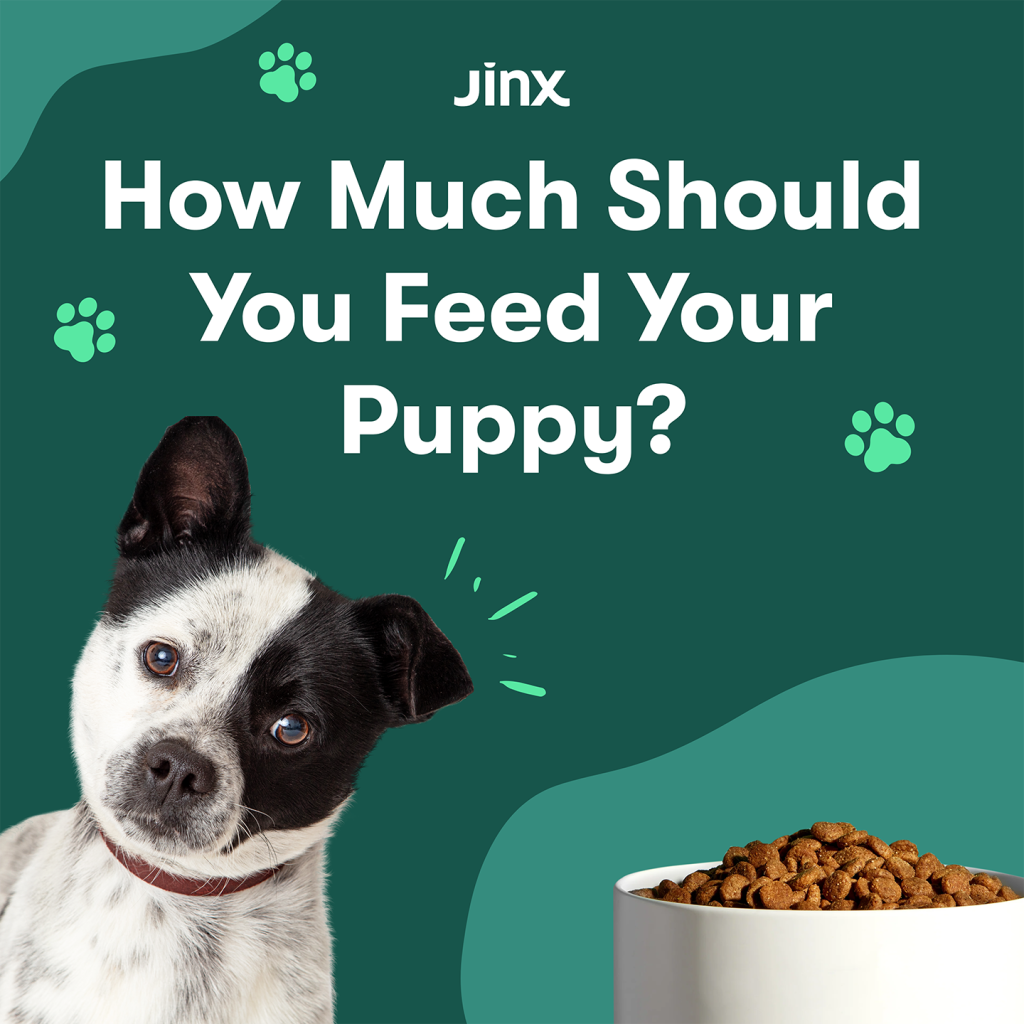

Are you wondering if you can feed your adult dog puppy food? It’s a common question many dog owners face.
Choosing the right food for your furry friend is crucial for their health and happiness. But is puppy food really safe or even beneficial for grown dogs? Keep reading to discover the surprising facts and expert advice that will help you make the best choice for your dog’s diet.
Your pet’s well-being depends on it.
Nutritional Needs Of Adult Dogs
Adult dogs need a balanced diet to stay healthy and active. Their nutritional needs change from when they were puppies. Feeding adult dogs the right food helps maintain their weight, energy, and overall health. Understanding these needs guides you in choosing the best food for your dog.
Calorie Requirements
Adult dogs need fewer calories than puppies. Puppies grow fast and need more energy. Adult dogs need calories to maintain their weight and daily activities. Overfeeding can lead to obesity. Underfeeding may cause weakness and poor health. Calorie needs depend on size, age, and activity level.
Protein And Fat Levels
Protein supports muscle maintenance in adult dogs. Adult dogs require less protein than puppies. Fat provides energy and supports skin and coat health. Too much fat can cause weight gain. Balanced protein and fat levels keep adult dogs fit and healthy.
Vitamins And Minerals
Vitamins and minerals support body functions and immune health. Adult dogs need specific amounts of calcium, phosphorus, and vitamins A, D, and E. Excess or lack of these nutrients can cause health problems. Adult dog food formulas adjust these levels to meet mature dogs’ needs.
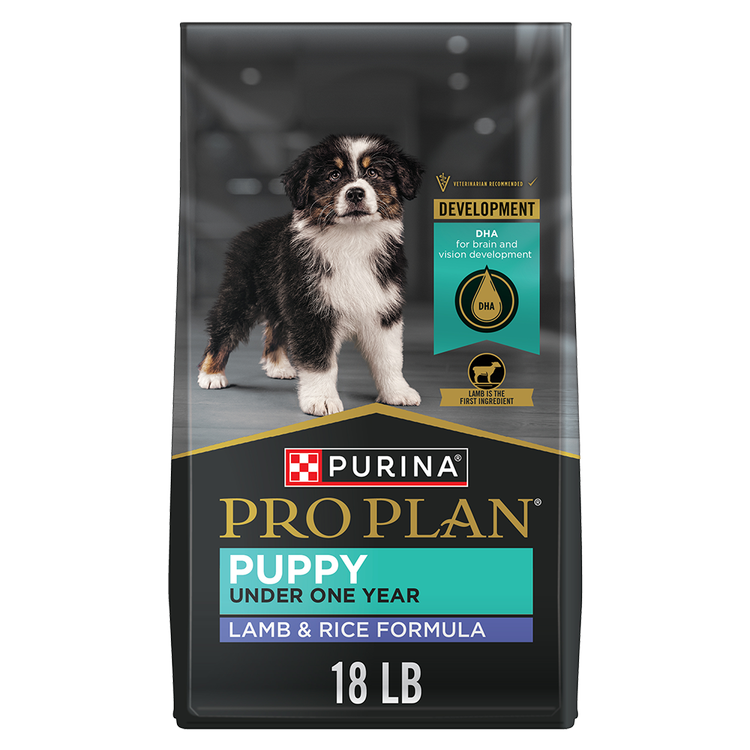
Credit: www.purina.com
Differences Between Puppy And Adult Dog Food
Understanding the differences between puppy and adult dog food is crucial when deciding what to feed your dog at different life stages. These foods are specially formulated to meet the unique needs of growing puppies versus adult dogs. Feeding your adult dog puppy food might seem harmless, but the variations in nutrient levels and energy can impact your dog’s health over time.
Ingredient Composition
Puppy food contains higher levels of protein and fat compared to adult dog food. This supports rapid growth and muscle development in young dogs. Adult dog food, on the other hand, focuses on maintaining health and often has more fiber to aid digestion.
Have you noticed how your puppy’s food bag lists more vitamins and minerals? That’s because puppies need extra nutrients like calcium and DHA for strong bones and brain development. Feeding an adult dog this richer formula can sometimes lead to unnecessary weight gain or digestive upset.
Energy Density
Puppies require more calories per pound of body weight than adult dogs because they burn energy quickly while growing. Puppy food is calorie-dense to meet these high energy demands. Adult dog food has fewer calories, designed to prevent excess weight as your dog’s activity levels stabilize.
Imagine giving your adult dog the same amount of calories as a puppy—it’s like feeding a marathon runner the same diet as a couch potato. Could this cause your dog to gain weight or feel sluggish? It’s important to match food energy to your dog’s lifestyle.
Growth Vs Maintenance Formulas
Puppy food is a growth formula, packed with nutrients that support development and immune system strength. Adult dog food is a maintenance formula, created to sustain health and prevent diseases common in mature dogs.
Switching your dog to adult food at the right time ensures they get just what they need—no more, no less. Have you ever wondered why your vet recommends specific dog food at different ages? It’s all about balancing nutrition with your dog’s changing needs.
Potential Risks Of Feeding Puppy Food To Adults
Feeding puppy food to adult dogs can cause weight gain and nutrient imbalance. Adult dogs need different nutrition for their health and energy levels. Using puppy food long-term may lead to digestive issues or joint problems.
Feeding puppy food to an adult dog may seem harmless. But it could lead to several health issues. Puppy food is rich in calories and nutrients. It supports rapid growth in young dogs. Adult dogs do not need the same levels of nutrients. Let’s explore the potential risks involved.Weight Gain And Obesity
Puppy food is calorie-dense. It helps puppies grow quickly. Adult dogs eating puppy food may gain weight. Extra calories can lead to obesity. Obesity can cause joint problems and heart disease. Keep your adult dog’s weight in check.Digestive Issues
Adult dogs have different digestive needs. Puppy food is rich in proteins and fats. This can upset an adult dog’s stomach. It may lead to diarrhea or vomiting. Digestive discomfort is unpleasant for your pet.Nutrient Imbalances
Adult dogs require balanced nutrition. Puppy food has high levels of certain nutrients. Too much calcium can harm adult dogs. Excess protein can strain the kidneys. Feeding puppy food may cause nutrient imbalances. Ensure your dog’s diet meets its specific needs.
Credit: www.petscare.com
When Puppy Food Might Be Suitable For Adults
Puppy food is specially formulated with higher levels of nutrients to support rapid growth and development. While adult dogs typically don’t need this extra nutrition, certain situations might call for it. Understanding when puppy food could be suitable for adults helps you make better choices for your dog’s health.
Pregnant Or Nursing Dogs
Pregnant or nursing dogs require more calories, protein, and fat to support their own health and their puppies’ growth. Puppy food often meets these increased nutritional needs better than regular adult dog food.
If your dog is expecting or feeding puppies, switching to puppy food can help maintain her energy and milk production. Have you noticed your dog eating more or seeming extra tired during this time? Puppy food might be the boost she needs.
Highly Active Or Working Dogs
Dogs that work hard or stay highly active burn more calories and need nutrient-dense meals. Puppy food’s higher fat and protein content can help fuel their energy demands.
Think about your dog’s daily routine. If they’re running, herding, or participating in sports, a richer diet can prevent fatigue and support muscle recovery. You might find that puppy food keeps your active dog feeling stronger and more energized.
Recovering From Illness
Illness or surgery can drain a dog’s energy and weaken their immune system. Puppy food provides extra nutrients that can aid faster recovery.
When my dog recovered from surgery, his vet recommended puppy food to help rebuild strength. It worked well to encourage his appetite and provide essential vitamins and minerals during healing.
Consider puppy food as a temporary support if your adult dog is under the weather or regaining health. Always check with your vet to tailor the diet to your dog’s specific recovery needs.
How To Transition Between Puppy And Adult Food
Transitioning your dog from puppy food to adult food requires care and patience. The change supports your dog’s growth and health. A sudden switch might upset their stomach or cause digestive issues. Follow a smooth process to help your dog adjust well.
Gradual Switching Tips
- Mix 75% puppy food with 25% adult food for the first three days.
- Change to 50% puppy and 50% adult food for the next three days.
- Then, mix 25% puppy food with 75% adult food for three more days.
- Finally, feed only adult food after about two weeks.
- Observe your dog’s reaction to each change.
Monitoring Your Dog’s Health
Watch for signs of digestive upset like diarrhea or vomiting. Check their energy levels daily. Look for changes in coat shine or appetite. Keep an eye on their weight during the transition. Contact your vet if any issues continue for more than a few days.
Adjusting Portion Sizes
Puppy food has more calories than adult food. Reduce the amount as you switch to adult food. Use the feeding guide on the adult food package. Adjust portions based on your dog’s activity and weight. Avoid overfeeding to prevent obesity. Keep fresh water available at all times.
Choosing The Best Food For Your Dog’s Stage
Choosing the best food for your dog’s stage is key to their health. Puppies and adult dogs have different nutritional needs. Feeding the right food supports their growth and energy. It also helps avoid health problems later. Understanding your dog’s life stage helps pick the proper diet. Watch for changes in weight, coat, and activity level. These signs guide your choice of food.
Reading Labels
Food labels tell you what’s inside the bag or can. Look for protein sources like chicken or beef at the top. Check fat and fiber content to match your dog’s needs. Avoid foods with too many fillers or artificial ingredients. Ingredients list helps you find balanced nutrition. Guaranteed analysis shows minimum protein and fat percentages.
Consulting Your Veterinarian
Your vet knows your dog’s health history and needs. They can recommend the best food type and brand. Share any concerns about weight, allergies, or digestion. Vets can suggest special diets for health issues. Regular vet visits help adjust food as your dog ages.
Considering Special Dietary Needs
Some dogs need extra care in their diet. Allergies require avoiding certain ingredients. Older dogs may need food with joint support. Active dogs might need more calories and protein. Choose foods that fit your dog’s lifestyle and health. Special diets help keep your dog happy and strong.

Credit: us.eukanuba.com
Frequently Asked Questions
Can Adult Dogs Eat Puppy Food Safely?
Yes, adult dogs can eat puppy food, but it’s not ideal. Puppy food is richer in calories and nutrients. Feeding it long-term may cause weight gain and nutrient imbalance in adult dogs.
What Are The Risks Of Feeding Puppies To Adults?
Feeding puppy food to adult dogs regularly can lead to obesity and digestive issues. The higher fat and protein content may overwhelm an adult dog’s metabolism.
When Is It Okay To Feed Puppy Food To Adults?
Occasionally, adult dogs recovering from illness or pregnancy may benefit from nutrient-rich puppy food. Otherwise, adults need a balanced diet specific to their life stage.
How To Transition An Adult Dog From Puppy Food?
Switch gradually over 7-10 days by mixing increasing amounts of adult food with puppy food. This helps avoid digestive upset during the transition.
Conclusion
Feeding puppy food to an adult dog is not always best. Puppy food has more calories and nutrients meant for growing dogs. Adult dogs need balanced nutrition for their size and energy. Too much rich food can cause weight gain or stomach upset.
Choose food made for adult dogs to keep them healthy. Always watch your dog’s weight and energy levels. Talk to your vet if you want to change food. Healthy choices help your dog live a long, happy life. Simple care makes a big difference.