
Are you wondering when to make the switch from puppy food to adult dog food? Knowing the right time can make a big difference in your dog’s health and happiness.
Feed your furry friend too long on puppy food, and you might be overdoing it on calories. Switch too early, and they might miss out on essential nutrients for growth. You’ll discover the signs to watch for and the best age to make this important change.
Keep reading to ensure your dog gets the perfect nutrition at every stage of life.
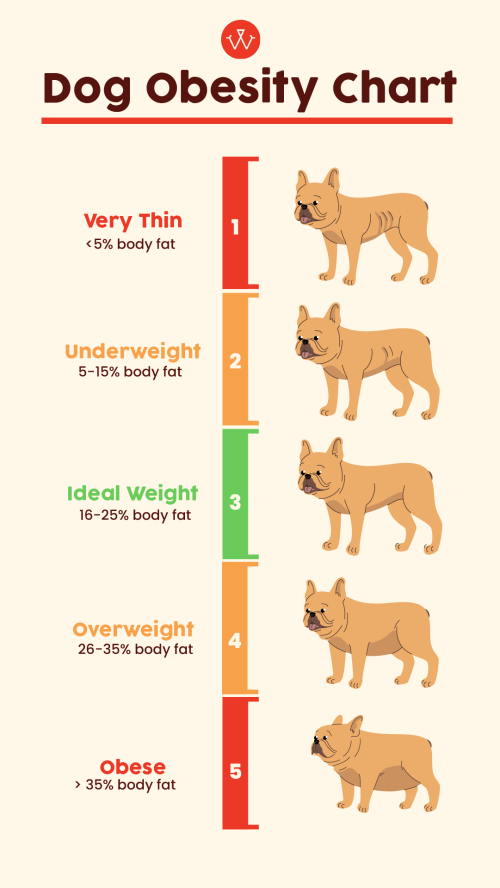
Credit: wefeedraw.com
Puppy Growth Stages
Understanding your puppy’s growth stages is key to knowing when to switch from puppy food to adult dog food. Each stage has unique nutritional needs that support healthy development. If you get this wrong, your dog might miss out on essential nutrients or gain unwanted weight.
Newborn To 8 Weeks
During the first eight weeks, puppies rely mostly on their mother’s milk. It provides the perfect balance of nutrients and antibodies to build their immune system. If you’re hand-raising a puppy, use specially formulated puppy milk replacers to mimic this vital nutrition.
At around 3 to 4 weeks, you can start introducing soft, mushy foods. This helps your puppy learn to eat solid foods gradually. Be patient—this transition can take time and requires frequent, small meals.
8 Weeks To 6 Months
This is the most critical growth phase, where your puppy doubles or even triples their weight. High-quality puppy food rich in protein, fat, and essential vitamins is crucial now. You should feed multiple small meals a day to keep their energy up and support rapid development.
Notice how your puppy’s appetite and energy levels change. Adjust food amounts accordingly but avoid overfeeding. It’s tempting to spoil your puppy with treats, but balance is key to prevent future weight issues.
6 Months To 1 Year
By six months, many puppies start slowing down their growth rate. This is when you begin to think about switching to adult dog food. But the exact timing depends on your puppy’s breed and size—larger breeds often need puppy food longer.
Watch your puppy’s body condition and talk to your vet before making the switch. Some breeds reach maturity around one year, while others take up to 18 months. Transition gradually over 7-10 days to avoid digestive upset.
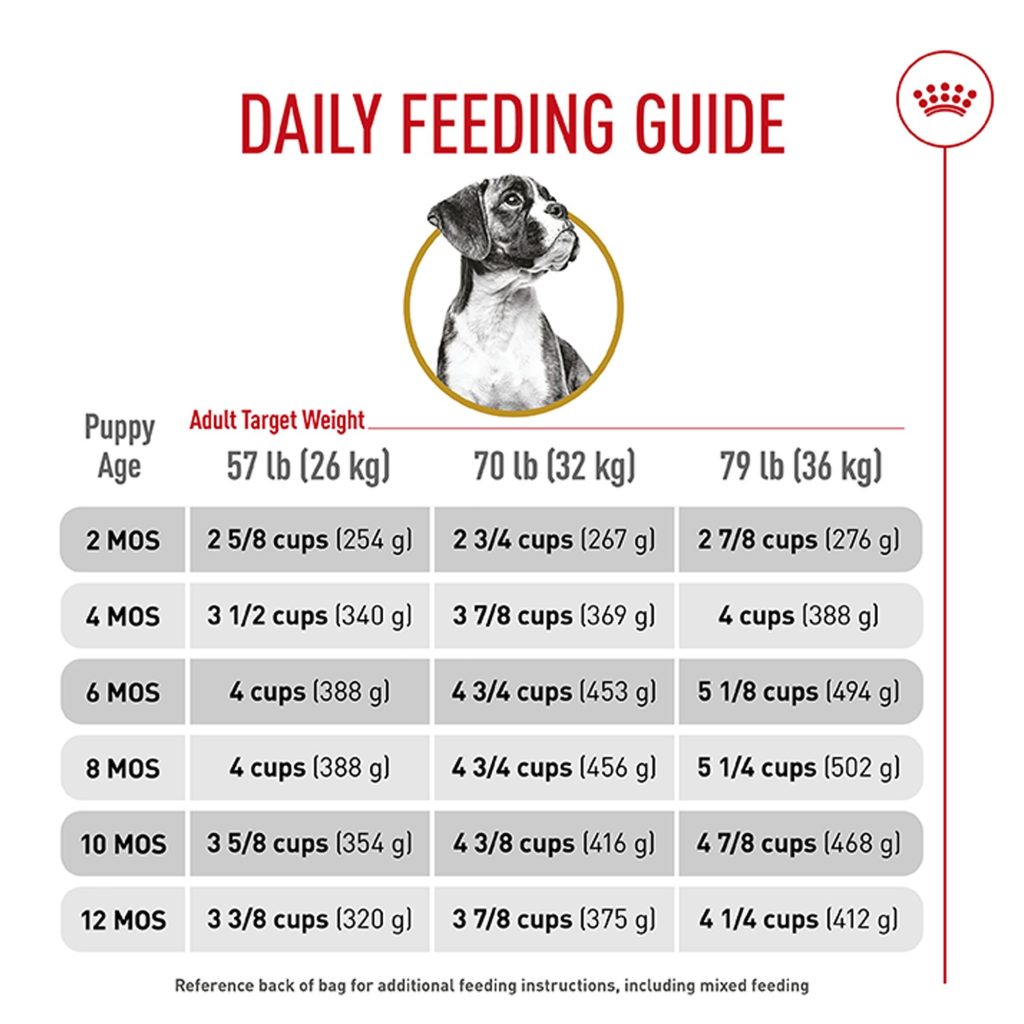
Credit: www.thinkjinx.com
Signs To Switch Food
Knowing when to switch your puppy to adult dog food is important for their health. Watch your dog’s body and behavior closely. Certain signs show that your puppy is ready for adult food. These signals help avoid nutrition problems and support steady growth.
Changes In Energy Levels
Puppies have high energy for play and learning. As they grow, their energy needs drop. If your dog seems less hyper or active, it may be time to change food. Adult dog food has fewer calories to match slower activity. This prevents weight gain and keeps your dog healthy.
Physical Development
Growth stages affect diet needs. When your puppy stops growing fast, it is a sign to switch food. Look for these physical changes:
- Teeth fully grown and stronger
- Body size close to adult shape
- Less rapid weight increase
Adult dog food supports maintenance instead of growth. Feeding the right food helps your dog stay fit and strong.
Veterinarian Recommendations
Your vet knows your dog’s health best. Regular check-ups help track growth and nutrition. Follow your vet’s advice on when to switch food. They may suggest tests or specific diets. Trust their guidance to keep your dog healthy and happy.
Factors Affecting Transition Age
Switching a puppy to adult dog food is a crucial step. The right timing depends on several factors. Each puppy’s needs are unique. Consider these factors to ensure a smooth transition.
Breed Size
Breed size plays a big role in transition timing. Small breeds mature faster. They might switch to adult food at 9-12 months. Medium breeds often transition around 12 months. Large breeds can take up to 18-24 months to mature. Adjust feeding schedules based on breed size.
Health Conditions
Health conditions can affect when a puppy needs adult food. Some puppies have special dietary needs. Conditions like obesity or allergies may require earlier transitions. Consult a vet for guidance. They can provide a tailored feeding plan.
Activity Level
Active puppies may need more calories. Their transition to adult food could vary. Less active puppies might need slower transitions. Monitor their energy and weight. Adjust their diet to match activity levels. This ensures they get the right nutrients.
How To Transition Food
Switching your puppy from their current food to adult dog food requires care and patience. A sudden change can upset their stomach or cause them to refuse the new food altogether. You want to make this change smooth and comfortable for your furry friend, ensuring they get the right nutrients without any digestive issues.
Gradual Mixing Method
Start by mixing a small amount of adult dog food into your puppy’s current food. A good rule is to begin with about 25% adult food and 75% puppy food. Over the next 7 to 10 days, slowly increase the adult food portion while decreasing the puppy food.
This slow transition helps your dog’s digestive system adjust without stress. Have you noticed how quickly your puppy reacts to new tastes? This method respects their sensitivity and builds acceptance.
Monitoring Digestive Health
Keep a close eye on your dog’s stool, appetite, and energy levels during the transition. Any signs of diarrhea, constipation, or vomiting mean the switch might be too fast or the new food isn’t agreeing with them. If you observe these symptoms, slow down the process or consult your vet.
Digestive health is the best indicator of how well your puppy is adapting. How often do you check your dog’s digestion during dietary changes? Make it a daily habit to catch issues early.
Adjusting Portion Sizes
Adult dogs need different calorie amounts than puppies, so adjust the portions accordingly. Use feeding guidelines on the adult dog food package as a starting point, but watch your dog’s weight and energy to fine-tune the amount.
Overfeeding can lead to weight gain, while underfeeding might cause energy drops. Have you tried measuring your dog’s food instead of guessing? Precise portions make a big difference in their health.
Common Mistakes To Avoid
Switching your puppy to adult dog food is an important milestone that requires careful attention. Many dog owners make mistakes that can affect their pet’s health and development. Understanding what to avoid can help you make this transition smoother and safer for your furry friend.
Switching Too Early
Changing your puppy’s diet before they are ready can cause nutritional gaps. Puppies need specific nutrients for growth that adult food might lack. If you switch too early, your dog could miss out on essential vitamins and minerals.
Think about your puppy’s breed and size. Larger breeds often need puppy food longer than smaller breeds. Ask yourself: is my dog fully grown or still developing? Waiting until your vet says it’s time is usually best.
Sudden Food Changes
Switching dog food abruptly can upset your pet’s stomach. Sudden changes often lead to diarrhea, vomiting, or loss of appetite. Instead, introduce adult food gradually over 7 to 10 days.
Mix a small amount of adult food with their current puppy food. Increase the adult portion daily while reducing the puppy food. This slow transition helps your dog adjust without digestive issues.
Ignoring Nutritional Needs
Adult dog food varies widely in ingredients and nutrient levels. Not all adult formulas meet your dog’s specific health needs. Ignoring this can lead to weight gain, deficiencies, or other problems.
Pay close attention to protein, fat, and calorie content. Active dogs need more energy, while less active ones require fewer calories. Have you checked if the adult food supports your dog’s lifestyle and health conditions?
Choosing The Right Adult Food
Choosing the right adult dog food is essential for your pet’s health after puppyhood. The transition should support their growth, energy needs, and overall well-being. Selecting food that matches their lifestyle and health keeps them strong and happy.
Nutrient Requirements
Adult dogs need balanced nutrients to maintain their health. Protein helps build muscles and repair tissues. Fats provide energy and support skin and coat health. Carbohydrates offer fuel for daily activities. Vitamins and minerals keep bones, teeth, and organs working well. The right food has these in proper amounts for adult dogs.
Ingredient Quality
High-quality ingredients improve digestion and nutrient absorption. Look for named meats like chicken, beef, or fish as the first ingredient. Avoid foods with fillers like corn or wheat. Natural ingredients support better health and fewer allergies. Whole foods and real meat are best for adult dog diets.
Special Dietary Needs
Some dogs need special diets due to allergies or health issues. Sensitive stomachs require gentle, easily digestible foods. Dogs with weight problems benefit from low-fat or high-fiber foods. Aging dogs may need supplements for joint health. Choose food that fits your dog’s unique needs and health conditions.

Credit: pupford.com
Frequently Asked Questions
When Should I Switch My Puppy To Adult Dog Food?
Switch your puppy to adult dog food around 12 months old. Large breeds may switch closer to 18 months. Consult your vet for breed-specific advice.
Why Is Timing Important To Switch Dog Food?
Proper timing ensures your dog gets the right nutrients. Switching too early or late can cause digestive issues or nutritional imbalances.
How To Transition Puppy Food To Adult Dog Food?
Gradually mix adult food with puppy food over 7-10 days. Increase adult food proportion slowly to avoid stomach upset.
What Signs Show My Puppy Needs Adult Dog Food?
Your puppy may need adult food when growth slows. Watch for changes in energy and weight to guide the switch.
Conclusion
Switching your puppy to adult dog food matters for their health. Most dogs change food around one year old. Small breeds may switch earlier, large breeds later. Watch your dog’s growth and energy levels closely. Choose food that fits their size and needs.
A smooth change helps avoid stomach problems. Talk to your vet if unsure about timing. Your dog will stay strong with the right food. Simple steps make a big difference. Keep your dog happy and healthy every day.