
Choosing the best adult dog food for your furry friend can feel overwhelming. You want to make sure your dog stays healthy, happy, and full of energy.
But with so many options on the market, how do you know which food is truly the best? You’ll discover simple tips and trusted choices that can make a real difference in your dog’s life. Keep reading to find out how to give your dog the nutrition they deserve.
Key Nutrients For Adult Dogs
Understanding the key nutrients your adult dog needs can make a huge difference in their health and happiness. Each nutrient plays a specific role, supporting everything from energy levels to immune function. Knowing what to look for in dog food helps you choose the best option that fits your dog’s unique needs.
Proteins And Amino Acids
Proteins are the building blocks of your dog’s muscles, skin, and organs. High-quality protein sources like chicken, beef, or fish provide essential amino acids your dog can’t produce on their own.
Think about your dog after a long walk—they need protein to repair and build muscle tissue. Without enough protein, your dog might feel weak or lose muscle mass over time.
Fats And Fatty Acids
Fats are a concentrated energy source and help keep your dog’s coat shiny and skin healthy. Essential fatty acids like Omega-3 and Omega-6 reduce inflammation and support brain function.
If your dog’s coat looks dull or their skin feels dry, it could be a sign they need more healthy fats in their diet. Including fish oil or flaxseed oil in their food can make a noticeable difference.
Carbohydrates And Fiber
Carbohydrates provide quick energy, but fiber is just as important for digestive health. Fiber helps regulate bowel movements and keeps your dog feeling full between meals.
Look for whole grains, sweet potatoes, or pumpkin in dog food—these ingredients offer a good balance of carbs and fiber. Have you noticed your dog struggling with digestion? Fiber could be the missing piece.
Vitamins And Minerals
Vitamins and minerals support vital functions like immune response, bone health, and oxygen transport. Key vitamins include A, D, and E, while minerals like calcium and phosphorus keep bones strong.
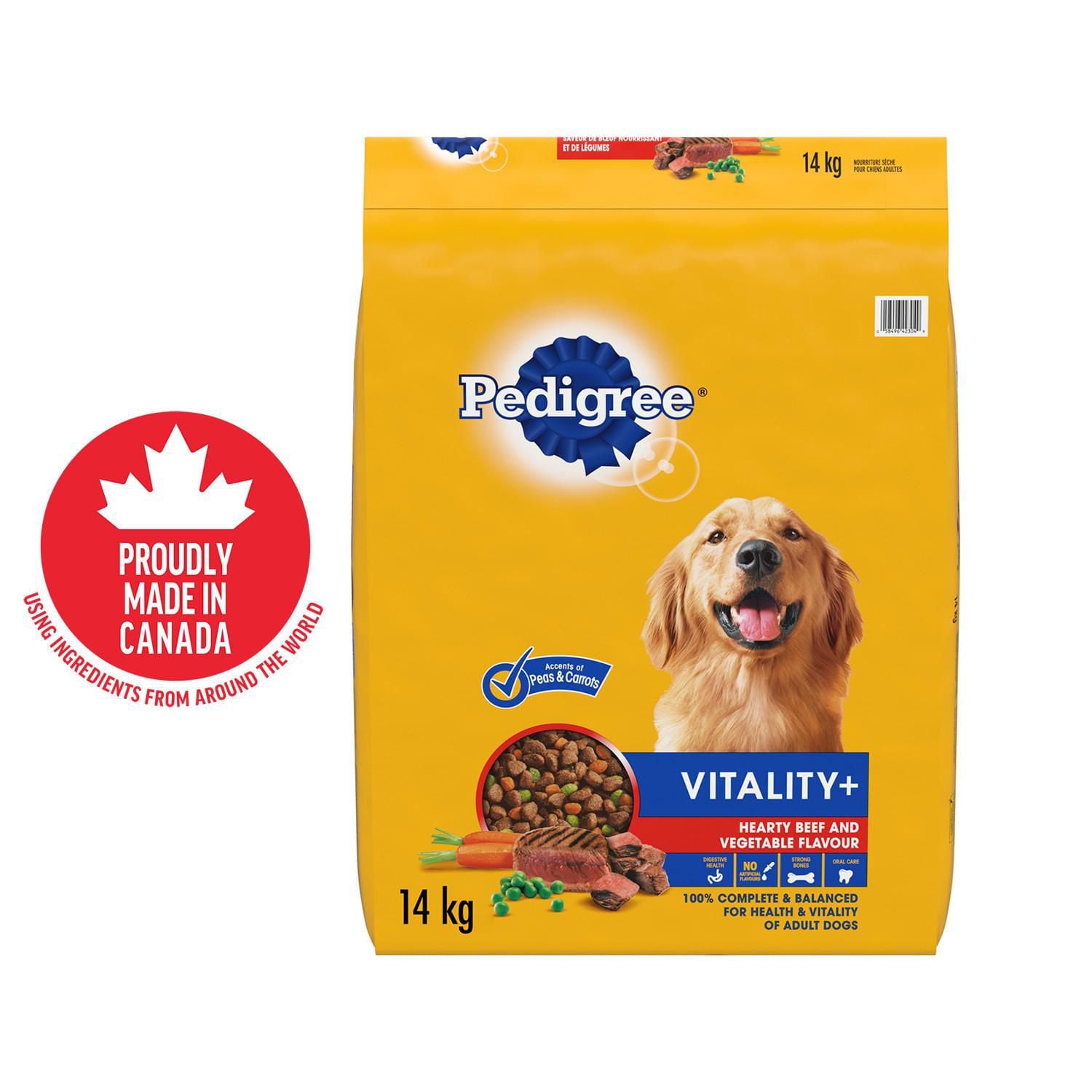
Your dog’s energy and vitality depend on these nutrients working together. If your dog seems less active or has trouble healing, check if their food covers these essentials.
Credit: www.walmart.ca
Types Of Adult Dog Food
Adult dogs need food that supports their health and energy. Different types of dog food offer various benefits. Choosing the right type depends on your dog’s needs and preferences.
Dry Kibble
Dry kibble is the most common dog food. It is easy to store and serve. Kibble helps keep teeth clean by reducing plaque. It comes in many flavors and formulas. Many dog owners prefer kibble for convenience and cost.
Canned Wet Food
Canned wet food has higher moisture content. It is softer and easier to chew. Wet food often has stronger smells and tastes dogs like. It can help keep dogs hydrated. Wet food may cost more and spoil faster after opening.
Raw And Freeze-dried Options
Raw and freeze-dried foods aim to mimic natural diets. Raw food is fresh or frozen meat, bones, and vegetables. Freeze-dried food removes moisture but keeps nutrients. These options can improve coat and digestion. They require careful handling to ensure safety.
Homemade Diets
Some owners prepare homemade meals for their dogs. This allows control over ingredients and quality. Homemade diets can include cooked meat, rice, and vegetables. It requires knowledge to balance nutrients properly. Consulting a vet is important for homemade diets.
Top Nutritious Dog Food Brands
Choosing the right food for your adult dog is crucial. It ensures a healthy and happy life. Top nutritious dog food brands offer quality ingredients. They focus on balanced nutrition to support your dog’s needs. Let’s explore some of the best options available.
Premium Dry Food Picks
Dry dog food is popular for its convenience and shelf life. Here are some top premium picks:
- Blue Buffalo Life Protection Formula: Known for its real meat ingredients and antioxidant-rich formulas.
- Wellness CORE Grain-Free: Offers high protein with no fillers, perfect for active dogs.
- Orijen Original: Features a diverse blend of fresh meats, ideal for protein lovers.
Best Wet Food Choices
Wet food is great for hydration and flavor. Check these brands:
- Hill’s Science Diet: Provides balanced nutrition with a taste dogs love.
- Merrick Grain-Free: Boasts high-quality proteins and fresh produce.
- Nature’s Logic: Focuses on whole food ingredients without synthetic supplements.
High-quality Raw Food Brands
Raw food diets are becoming more popular. They offer natural nutrition for dogs:
- Stella & Chewy’s: Known for freeze-dried raw meals with organic vegetables.
- Primal Pet Foods: Offers raw frozen and freeze-dried options for convenience.
- Instinct Raw Boost: Combines raw pieces with grain-free kibble for a balanced diet.

Credit: nypost.com
Factors To Consider When Choosing Dog Food
Choosing the right food for your adult dog isn’t just about picking the first bag on the shelf. Several key factors influence what will best support your dog’s health, energy, and happiness. Understanding these factors helps you make a choice that fits your dog’s unique needs and lifestyle.
Age And Size Of Dog
Your dog’s age and size play a huge role in determining the right diet. Adult dogs need different nutrients than puppies or seniors, and small breeds have different calorie needs compared to large breeds. For example, small dogs often benefit from kibble designed for their smaller mouths, while large breeds may require food that supports joint health.
Have you noticed how your dog’s energy levels change with age? Matching food to these changes can keep them active and healthy longer.
Health Conditions And Allergies
Any health issues or allergies your dog has must guide your food choice. Dogs with sensitive stomachs or food allergies often need limited ingredient diets or hypoallergenic formulas. If your dog has a condition like diabetes or kidney disease, specialized diets can help manage those problems effectively.
Ignoring these needs can lead to discomfort or worsen their condition. Are you paying close attention to how your dog reacts after meals?
Ingredient Quality And Source
Not all dog food ingredients are created equal. Look for high-quality proteins like real chicken, beef, or fish listed as the first ingredient. Avoid foods with excessive fillers, artificial colors, or by-products, as these offer little nutritional value.
Knowing where ingredients come from can also make a difference. Foods sourced from reputable manufacturers with transparent supply chains tend to be safer and healthier for your dog.
Price And Availability
Price can be a deciding factor, but the cheapest option isn’t always the best. Sometimes investing a bit more in higher-quality food can save you money on vet bills later. Also, consider how easy it is to find the food regularly—consistency is key for your dog’s diet.
Have you checked if your preferred food is available locally or online with reliable delivery? Running out of food unexpectedly can disrupt your dog’s routine and health.
Tips For Transitioning To New Dog Food
Switching your adult dog to a new food requires care and patience. Sudden changes can upset their stomach or cause refusal to eat. Following a smart transition plan helps your dog adjust smoothly and enjoy their meals.
Gradual Introduction
Start by mixing a small amount of the new food with your dog’s current food. Increase the new food portion little by little over 7 to 10 days.
This slow change helps your dog’s digestive system get used to the new ingredients. Have you noticed how your dog reacts when you change their diet too quickly?
Monitoring Digestive Health
Keep an eye on your dog’s stool, appetite, and energy levels during the transition. Loose stools or vomiting can signal that the new food isn’t agreeing with them.
If you spot these signs, slow down the transition or consult your vet. Healthy digestion is a key indicator your dog is adjusting well.
Adjusting Portions
New dog food may have different calorie levels, so adjust meal sizes accordingly. Start with the recommended portion on the packaging but watch your dog’s weight and activity.
If your dog gains or loses weight unexpectedly, tweak the portions. Are you giving enough food to keep your dog satisfied without overfeeding?
Credit: blog.homesalive.ca
Common Myths About Adult Dog Food
Many dog owners hear different advice about adult dog food. Some ideas spread fast but are not always true. Understanding common myths helps you choose the best food for your pet.
Separating fact from fiction ensures your dog gets proper nutrition. Let’s explore some popular myths about adult dog food.
Grain-free Diets Necessity
Grain-free dog food is not always better. Dogs can digest grains well. Grains like rice and oats provide important nutrients. Grain-free diets may lack fiber and vitamins.
Only dogs with allergies should avoid grains. Most adult dogs do fine eating foods with grains.
All Natural Vs. Synthetic Ingredients
Natural ingredients are often seen as healthier. Synthetic ingredients can be safe and nutritious too. Vitamins and minerals added in labs help balance food. Natural does not always mean better quality or safety.
Check the full ingredient list to know what your dog eats.
Expensive Food Means Better Quality
Price does not always show food quality. Some expensive brands use fillers and low nutrients. Affordable brands can offer balanced nutrition. Look for proper protein, fat, and vitamins.
Choose food based on ingredients and your dog’s needs, not just price.
Frequently Asked Questions
What Ingredients Should Adult Dog Food Contain?
Adult dog food should have high-quality protein, healthy fats, vitamins, and minerals. Look for real meat, whole grains, and vegetables. Avoid artificial additives and fillers to ensure balanced nutrition and promote your dog’s overall health and energy.
How To Choose The Best Adult Dog Food Brand?
Choose brands with transparent ingredient lists, positive reviews, and nutritional adequacy statements. Opt for reputable companies that follow AAFCO guidelines. Consider your dog’s specific needs, such as age, size, and health conditions, for the best results.
Can Adult Dog Food Help With Weight Management?
Yes, many adult dog foods are formulated for weight control. They contain fewer calories and higher fiber to promote fullness. This helps maintain a healthy weight and prevents obesity-related health issues in adult dogs.
How Often Should I Feed My Adult Dog?
Most adult dogs should be fed twice daily, dividing their daily food portion. This routine supports digestion and energy levels. However, feeding frequency may vary based on your dog’s breed, size, and activity level.
Conclusion
Choosing the best adult dog food helps keep your dog healthy. Good food gives energy and supports strong bones. Always check the ingredients for real meat and nutrients. Feeding the right food can improve your dog’s coat and mood. Remember, every dog is different, so watch how they react.
A happy dog means a happy owner. Feed with care and love. Your dog deserves the best every day.