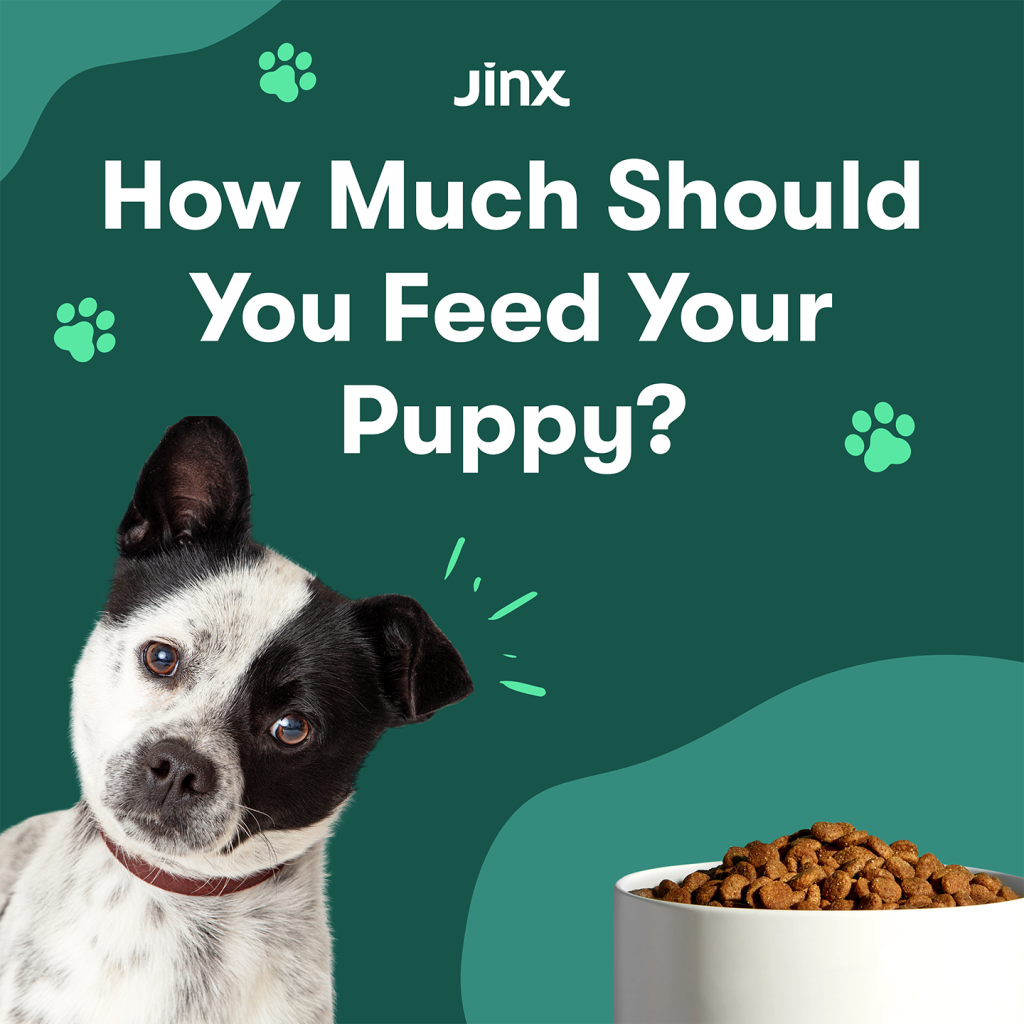

Are you wondering if it’s okay to feed your adult dog puppy food? You might think it’s harmless or even beneficial, but the truth isn’t that simple.
What you put in your dog’s bowl can affect their health, energy, and happiness in ways you might not expect. Keep reading to discover why choosing the right food matters and how it impacts your furry friend’s well-being every day.
This could change the way you care for your dog forever.
Differences Between Puppy And Adult Dog Food
Puppy food and adult dog food serve different purposes and have unique formulas. Each type supports the dog’s health at specific life stages. Understanding these differences helps in choosing the right food for your dog’s needs.
Nutritional Needs Of Puppies
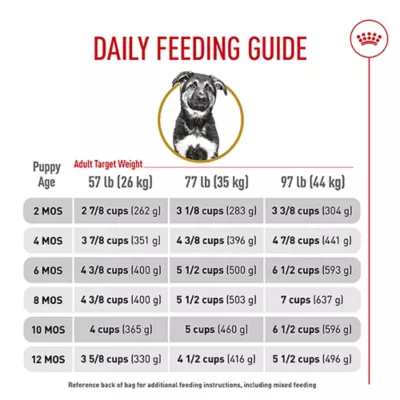
Puppies grow quickly and need extra energy. They require higher calories and protein to build strong muscles and bones. Their food contains more fat to support brain development and healthy skin. Puppies also need vitamins and minerals like calcium and phosphorus for bone growth.
Nutritional Needs Of Adult Dogs
Adult dogs need balanced nutrients to maintain health and energy. Their calorie needs are lower than puppies to avoid weight gain. Protein supports muscle maintenance, but at a moderate level. Adult dog food often has added fiber to help digestion and keep the dog feeling full.
Key Ingredient Variations
- Protein:Higher in puppy food for growth; moderate in adult food for maintenance.
- Fat:More in puppy food to fuel fast growth; less in adult food to control weight.
- Calcium and Phosphorus:Increased in puppy food to support developing bones; balanced in adult food.
- Fiber:Higher in adult food to aid digestion; lower in puppy food for easier absorption.
- Calories:Concentrated in puppy food; reduced in adult food to prevent obesity.
Credit: www.petsmart.ca
Potential Effects Of Feeding Puppy Food To Adults
Feeding puppy food to an adult dog can cause several effects on their health. Puppy food is made to support fast growth and high energy needs. Adult dogs have different nutritional requirements. Using puppy food for adults might lead to unwanted results. Understanding these effects helps in making better feeding choices for your dog.
Weight Gain And Obesity Risks
Puppy food contains more calories and fats than adult dog food. Adults eating this food may gain weight quickly. Excess weight can lead to obesity. Obesity increases the risk of heart disease, joint problems, and diabetes. Monitoring portions and body condition is important to avoid these risks.
Digestive Issues
Adult dogs may struggle to digest the richer ingredients in puppy food. This can cause stomach upset, diarrhea, or constipation. Sudden changes in diet can also disturb digestion. Feeding the right food type supports a healthy gut and regular bowel movements.
Energy Levels And Activity
Puppy food provides more energy than adults usually need. This extra energy may make some dogs restless or hyperactive. Others may not use all the energy and store it as fat. Proper nutrition balances energy for daily activities without overfeeding.
When Puppy Food Might Be Suitable For Adults
Adult dogs may eat puppy food occasionally, especially if they need extra nutrients or are very active. Puppy food is richer in calories and protein, which can help during growth or recovery. Regular feeding, though, is not ideal for most adult dogs.
When Puppy Food Might Be Suitable for Adults Feeding your adult dog puppy food might seem unusual, but there are specific scenarios where it could be beneficial. Puppy food is packed with higher calories and nutrients to support growth, making it suitable for certain adult dogs with unique needs. Let’s explore these situations to understand when puppy food might be the right choice for your adult dog.Pregnant Or Nursing Dogs
Pregnant or nursing dogs have increased nutritional demands to support their offspring. Puppy food, being rich in calories and protein, can fulfill these heightened requirements. If your adult dog is pregnant or nursing, switching to puppy food might ensure she gets the extra energy needed for her health and the well-being of her puppies.Highly Active Or Working Dogs
Dogs with high energy levels or those involved in strenuous activities often require more calories. Puppy food can provide this extra energy, supporting their demanding lifestyle. Consider your dog’s daily activities; if she’s running marathons with you or working in fields, puppy food might be the fuel she needs.Underweight Or Malnourished Adults
Underweight or malnourished dogs may struggle to gain weight on regular adult dog food. The enhanced nutrients in puppy food can help them regain a healthy weight more effectively. Have you noticed your dog struggling to maintain weight despite ample feeding? Puppy food could be a temporary solution to address nutritional deficiencies. Feeding your adult dog puppy food is not the norm, but in these specific cases, it can be a practical choice. Always consult with a vet to ensure it aligns with your dog’s health needs.
Credit: us.eukanuba.com
Signs Your Adult Dog Needs A Diet Change
Noticing when your adult dog needs a diet change can be tricky. Dogs can’t tell us when their food isn’t working for them, so you need to watch for subtle signs. Paying attention to these signals can help you adjust their diet before health issues develop.
Weight Fluctuations
Sudden weight gain or loss is a clear sign your dog’s current food might not be right. If your dog is gaining weight without a change in activity, the food could be too high in calories. On the other hand, unexplained weight loss might mean they aren’t getting enough nutrients.
Have you noticed your dog’s collar fitting tighter or looser lately? These changes often signal that it’s time to rethink their meals.
Changes In Coat And Skin Health
Your dog’s coat is a reflection of their nutrition. A dull, dry, or patchy coat can indicate a diet lacking essential fats and vitamins. Skin issues like itching or redness might also point to food sensitivities or allergies.
When I switched my dog’s food after seeing his coat become brittle, it quickly improved within weeks. Don’t ignore these visible signs—they’re your dog’s way of telling you their diet needs help.
Behavioral Shifts
Changes in energy levels or mood may be related to diet. If your dog seems unusually tired, restless, or irritable, their food might not be meeting their needs. Nutrient imbalances can affect brain function and overall vitality.
Ask yourself: Has your dog’s playfulness dropped or have they started avoiding walks? These behavioral shifts often hint at underlying nutritional problems.
Tips For Transitioning Between Dog Foods
Changing your dog’s food requires care to avoid stomach upset. A smooth transition helps your dog adjust to new nutrients. These tips make the change easier and safer.
Gradual Introduction
Start by mixing a small amount of new food with the old. Increase the new food’s portion slowly over 7 to 10 days. This gives your dog’s digestive system time to adapt. A sudden switch can cause diarrhea or vomiting.
Monitoring Reactions
Watch for signs like vomiting, diarrhea, or loss of appetite. Check for skin issues or itching as well. Keep track of your dog’s energy and mood. Early detection of problems helps you act quickly.
Consulting Your Veterinarian
Ask your vet before changing your dog’s diet. They can recommend the best food for your dog’s age and health. Vets guide you on how to switch safely. They help spot any food allergies or sensitivities.
Credit: www.purina.com
Choosing The Right Food For Your Adult Dog
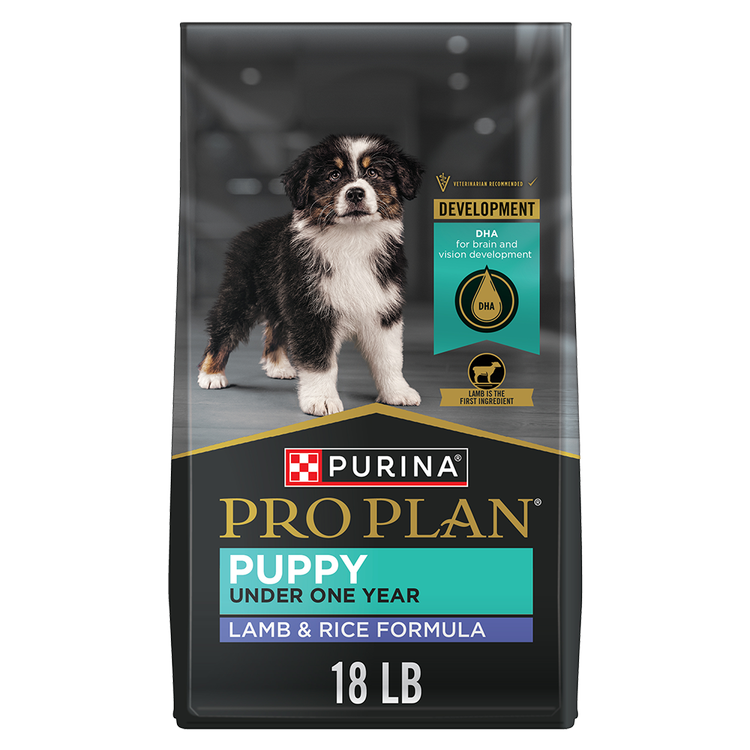
Choosing the right food for your adult dog is crucial for their health and happiness. Adult dogs have different nutritional needs than puppies. Feeding them the correct diet supports their energy, weight, and overall well-being. Selecting food that matches their life stage and activity level ensures they get the nutrients they need without extra calories.
Reading Pet Food Labels
Pet food labels provide important information about ingredients and nutrition. Look for the guaranteed analysis to check protein, fat, fiber, and moisture levels. The ingredient list shows what the food contains, starting with the main ingredient. Avoid foods with vague terms like “meat by-products” or “animal digest.”
Check for an AAFCO statement. It confirms the food meets basic nutritional standards for adult dogs. Compare calories per serving to match your dog’s activity and size. Reading labels helps you choose food that meets your dog’s needs.
Considering Life Stage And Activity
Adult dogs need food designed for their life stage, not puppy formulas. Puppy food has more calories and nutrients for growth, which can cause weight gain in adults. Consider your dog’s activity level. Active dogs may require more calories and protein. Less active dogs need fewer calories to avoid obesity.
Breed size matters too. Large breeds often benefit from formulas that support joint health. Tailoring food to your dog’s age, size, and activity helps maintain a healthy weight and energy level.
Quality Ingredients To Look For
High-quality dog food includes real meat or fish as the first ingredient. Whole grains, vegetables, and fruits add fiber and vitamins. Avoid artificial colors, flavors, and preservatives. Omega-3 and omega-6 fatty acids promote healthy skin and coat.
Look for added vitamins and minerals that support immune health. Foods with probiotics help digestion. Quality ingredients provide balanced nutrition that keeps your adult dog strong and happy.
Frequently Asked Questions
Can Adult Dogs Eat Puppy Dog Food Safely?
Adult dogs can eat puppy food occasionally, but it’s not ideal long-term. Puppy food has extra nutrients meant for growth, which may cause weight gain or digestive issues in adults if fed regularly.
What Are Risks Of Feeding Puppy Food To Adult Dogs?
Feeding puppy food to adult dogs long-term can cause obesity, nutrient imbalances, and digestive upset. Puppy formulas have more calories and fats, which adults don’t need daily, leading to health problems over time.
When Is It Okay To Feed Puppy Food To Adults?
It’s okay to feed puppy food to adults temporarily, such as during recovery or pregnancy. Short-term use provides extra nutrients, but switch back to adult food for balanced daily nutrition afterward.
How Does Puppy Food Differ From Adult Dog Food?
Puppy food contains higher protein, fat, and calories to support growth and energy needs. Adult dog food has balanced nutrients for maintenance, helping to avoid excess weight and nutrient overload in mature dogs.
Conclusion
Feeding puppy food to an adult dog is not ideal for long-term health. Puppy food has extra nutrients meant for growing dogs. Adult dogs need a balanced diet made for their age. Occasional feeding of puppy food is okay but not daily.
Choose the right food to keep your dog healthy and strong. Always watch your dog’s weight and energy levels. Consult a vet for the best diet advice. Good nutrition helps your dog live a happy, active life.