
Wondering how much dog food you should feed your adult Beagle? Getting the right amount can be tricky.
Feed too little, and your furry friend might feel hungry and lack energy. Feed too much, and you risk making your Beagle overweight and unhealthy. You’ll discover simple tips to find the perfect portion size that keeps your Beagle happy, healthy, and full of life.
Keep reading to learn exactly what your Beagle needs every day!
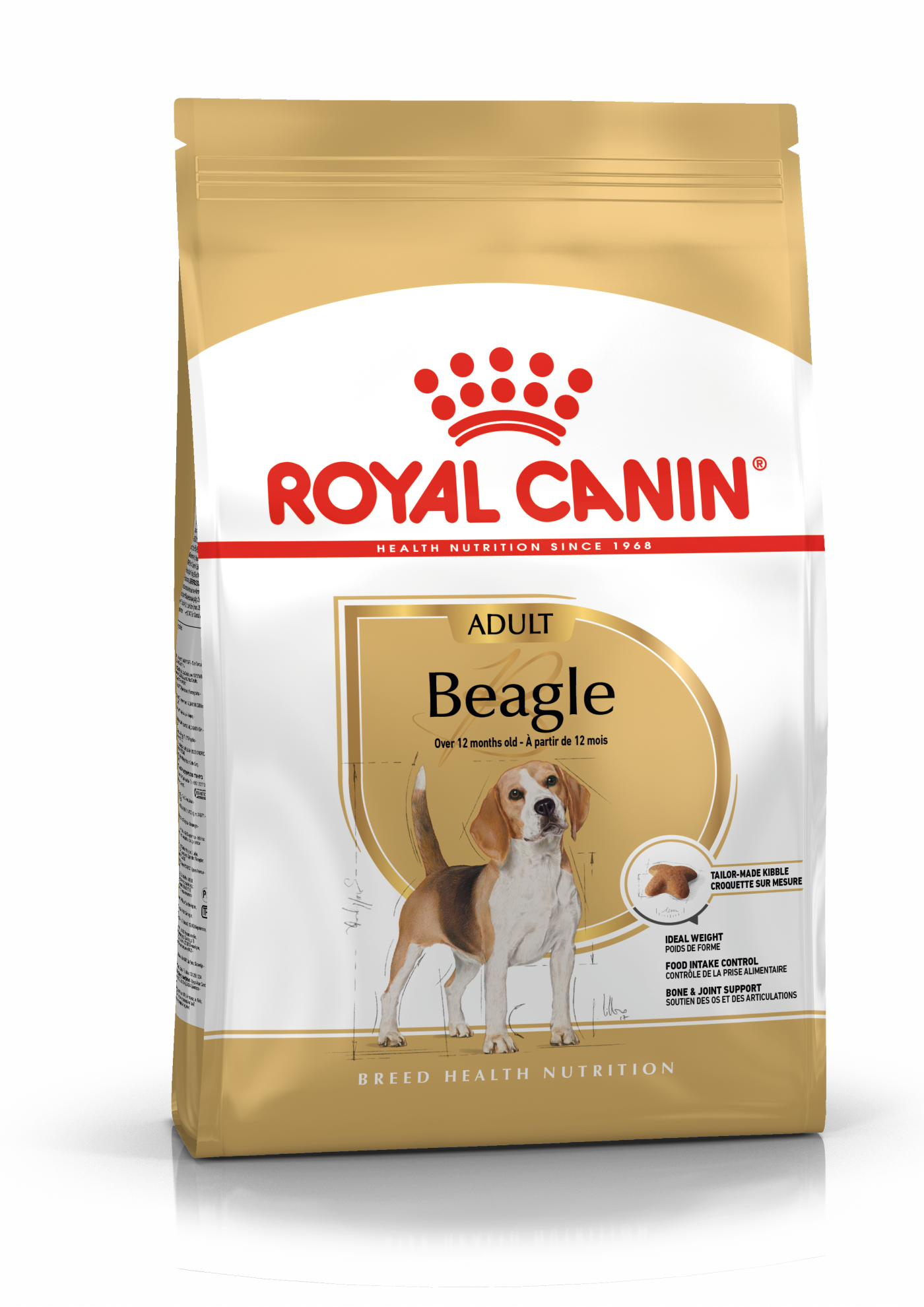
Credit: pet-supermarket.co.uk
Daily Feeding Needs
Feeding an adult Beagle the right amount daily keeps it healthy and happy. Their feeding needs depend on several factors. These include their calorie needs, weight, and how active they are. Understanding these helps provide balanced meals without overfeeding or underfeeding.
Calorie Requirements
An adult Beagle needs about 700 to 900 calories each day. This range varies by size and metabolism. Calories fuel their energy and body functions. Too many calories cause weight gain. Too few calories lead to energy loss and poor health.
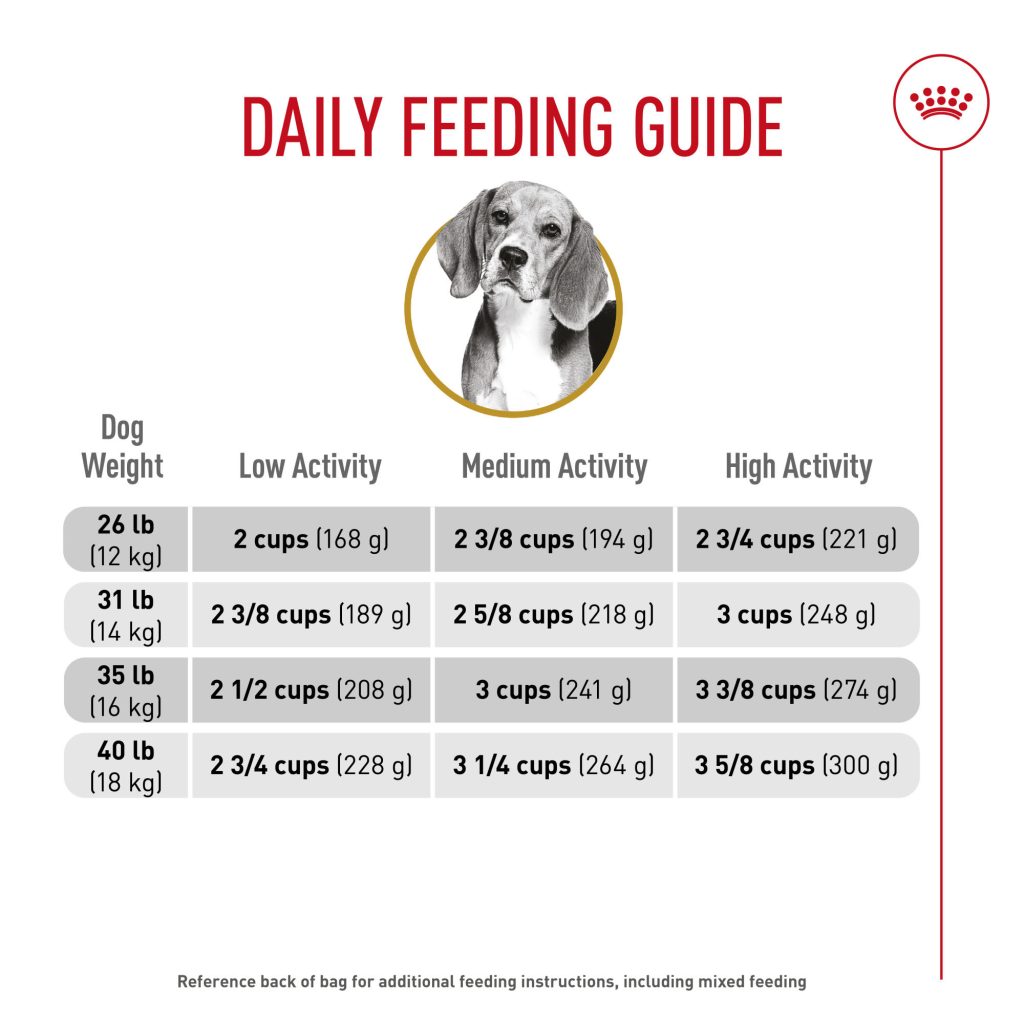
Portion Sizes By Weight
Portion sizes depend on your Beagle’s weight. Use this simple guide:
| Weight (lbs) | Daily Food Amount (cups) |
|---|---|
| 20-22 | 1 to 1.5 |
| 23-25 | 1.5 to 2 |
| 26-28 | 2 to 2.5 |
Feed your dog in two meals for better digestion. Adjust portions if your Beagle gains or loses weight.
Activity Level Impact
Active Beagles burn more calories. They need extra food to keep up energy. Less active Beagles need fewer calories to avoid weight gain.
- High activity: Add 10-20% more food
- Moderate activity: Stick to standard portions
- Low activity: Reduce food by 10-15%
Observe your dog’s energy and body condition to adjust portions properly.

Credit: www.rover.com
Choosing The Right Food
Choosing the right food for your adult Beagle is crucial for their health and happiness. The food you select affects their energy levels, coat condition, and overall well-being. Understanding the differences between types of food and your Beagle’s specific needs helps you make the best choice.
Dry Vs Wet Food
Dry food is convenient, easy to store, and helps keep your Beagle’s teeth clean by reducing plaque buildup. It’s usually more affordable and has a longer shelf life once opened.
Wet food, on the other hand, contains more moisture, which can help keep your dog hydrated, especially if they don’t drink enough water. It’s often more flavorful and can be more appealing to picky eaters.
Think about your dog’s preferences and lifestyle. If your Beagle is active and tends to snack, dry food might suit better. If they need encouragement to eat or have dental issues, wet food could be the way to go.
Nutritional Balance
Look for dog food that offers a balanced mix of proteins, fats, and carbohydrates tailored to an adult Beagle’s energy needs. Protein supports muscle maintenance, while fats provide essential fatty acids for a shiny coat and healthy skin.
Carbohydrates supply energy but should not dominate the diet. Avoid foods with excessive fillers like corn or wheat, which add little nutrition.
Check labels for AAFCO approval, which means the food meets established nutritional standards. Have you reviewed your Beagle’s food label recently to ensure it meets these guidelines?
Special Dietary Needs
Some Beagles may need food designed for allergies, sensitivities, or weight management. If your dog has a history of digestive upset, choose formulas with limited ingredients or added probiotics.
Older Beagles might benefit from diets enriched with joint-supporting nutrients like glucosamine and chondroitin. If your Beagle is overweight, foods lower in calories and fat can help control their weight.
Consult your vet if you notice changes in appetite, weight, or energy—these can signal a need for a special diet. How often do you reassess your dog’s dietary needs based on their health?
Feeding Schedule Tips
Setting the right feeding schedule is important for an adult Beagle’s health. A good routine helps control weight and improves digestion. It also creates a sense of security and reduces begging behavior. Here are some tips on managing your Beagle’s feeding times and amounts.
Meal Frequency
Feed your Beagle twice a day. Morning and evening meals work best. This keeps energy levels steady and prevents hunger. Avoid free feeding or leaving food out all day. Scheduled meals help monitor how much your dog eats. Puppies need more frequent meals, but adults do well with two.
Timing And Routine
Feed your Beagle at the same times daily. Dogs thrive on routine. Pick set times that fit your schedule. Allow about 30 minutes for each meal. Remove uneaten food after this time to avoid overeating. Consistent timing helps your dog’s digestion and behavior.
Avoiding Overfeeding
Measure food portions carefully. Use a measuring cup to control amounts. Follow feeding guidelines on the dog food package. Adjust portions based on your Beagle’s activity and weight. Avoid giving too many treats or table scraps. Overfeeding leads to weight gain and health issues.
Monitoring Your Beagle’s Health
Keeping a close eye on your adult Beagle’s health is key to ensuring the right amount of dog food meets their needs. Regular monitoring helps you spot changes early, so you can adjust their diet before any problems develop. It’s about more than just feeding; it’s about understanding what your Beagle’s body is telling you every day.
Weight Tracking
Weigh your Beagle once a week to notice any fluctuations. Use a consistent scale and weigh them at the same time of day for accuracy. A steady weight shows your feeding routine is on track, but sudden gains or losses demand a closer look.
Keep a simple chart or use an app to record their weight. This makes spotting trends easier and helps you share useful info with your vet. Have you noticed your Beagle’s weight creeping up or dropping without explanation?
Signs Of Underfeeding
Watch for signs like a dull coat, low energy, or visible ribs. These indicate your Beagle might not be getting enough food or the right nutrients. If your dog seems constantly hungry or starts losing weight, it’s time to adjust their portions.
Also, pay attention to behavior changes. A Beagle that suddenly becomes lethargic or less interested in play could be underfed. Are you seeing your dog’s appetite or mood shift unexpectedly?
Signs Of Overfeeding
An overweight Beagle often shows a rounder body shape and struggles to feel their ribs under the fat. Excess weight can lead to health problems like joint pain or diabetes. Notice if your dog is gaining weight even though their activity level hasn’t changed.
Other signs include increased panting, difficulty moving, or less interest in exercise. Overfeeding can sneak up slowly, so catching these signs early saves your Beagle from future issues. Could your portion sizes be larger than your dog actually needs?
Adjusting Food Amounts
Adjusting the amount of food for your adult Beagle is crucial. Proper feeding ensures they stay healthy and energetic. Food needs can change due to various factors. Let’s explore these factors to help you find the right balance.
Seasonal Changes
Beagles might need more food during colder months. Their bodies use extra energy to stay warm. In warmer months, they may require less food. Monitor their weight and energy levels. Adjust their diet accordingly.
Age And Health Factors
Older Beagles have different nutritional needs. They might need fewer calories. Health issues can also affect food requirements. Conditions like arthritis or dental problems might change their diet. Consider their activity level too. More active dogs need more calories.
Consulting A Vet
A vet can provide personalized advice for your Beagle. They can assess weight, age, and health. Vets offer guidance on portion sizes and food types. Regular check-ups help maintain your Beagle’s health.
Common Feeding Mistakes
Feeding an adult Beagle correctly is key to its health and happiness. Many dog owners make common feeding mistakes that can harm their pets. These errors can cause weight gain, digestive problems, or nutrient imbalances. Knowing what to avoid helps keep your Beagle fit and active.
Ignoring Portion Guidelines
Portion guidelines on dog food packages are not just suggestions. They help control your Beagle’s calorie intake. Overfeeding leads to obesity, which strains joints and organs. Underfeeding causes nutrient shortages and low energy. Measure food carefully and adjust portions based on your Beagle’s activity and weight.
Human Food Risks
Feeding your Beagle human food can be risky. Many human foods contain ingredients harmful to dogs. Chocolate, onions, grapes, and some spices can cause sickness or worse. Even small amounts of fatty or salty foods upset digestion. Stick to dog-approved treats to avoid health problems.
Inconsistent Feeding Times
Dogs thrive on routine, especially Beagles. Feeding at irregular times can confuse their digestion. It may cause overeating or begging for food. Set fixed feeding times twice a day. Consistency helps regulate appetite and energy levels throughout the day.
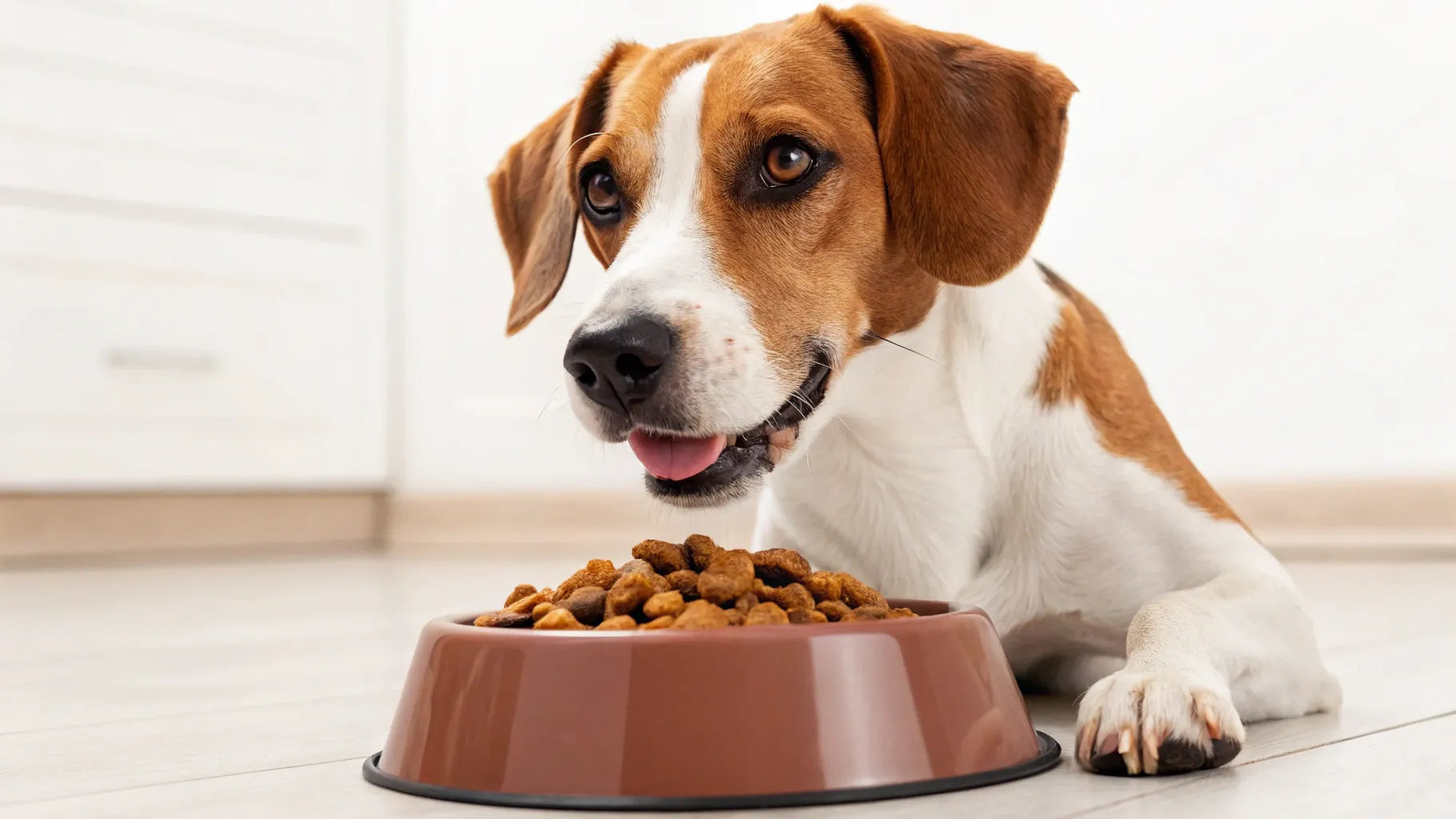
Credit: www.houndsy.com
Frequently Asked Questions
How Much Food Does An Adult Beagle Need Daily?
An adult Beagle typically requires 1 to 1. 5 cups of high-quality dog food per day. Divide this amount into two meals for proper digestion and energy maintenance.
What Factors Affect Beagle’s Daily Food Amount?
Age, weight, activity level, and metabolism impact a Beagle’s food needs. Adjust portions based on health and lifestyle for balanced nutrition.
Can I Feed My Beagle Only Dry Dog Food?
Yes, dry dog food alone can meet a Beagle’s nutritional needs if it is balanced and high-quality. Add occasional wet food or treats in moderation.
How Often Should I Feed My Adult Beagle?
Feed your adult Beagle twice daily: once in the morning and once in the evening. Consistent feeding times help regulate digestion and energy levels.
Conclusion
Feeding your adult Beagle the right amount keeps them healthy and happy. Watch their weight and adjust food as needed. Quality dog food with balanced nutrients supports their energy and growth. Regular feeding times help build good habits. Always provide fresh water alongside meals.
Consult your vet for specific advice on your Beagle’s needs. Small changes can make a big difference. Careful feeding shows your love and keeps your dog active. Remember, each Beagle is unique, so stay attentive and patient.