
Are you wondering if it’s okay to feed your puppy adult dog food? You want the best for your furry friend, but sometimes it’s confusing to know what’s right.
Feeding the wrong food can affect your puppy’s growth and health in ways you might not expect. Keep reading to discover why choosing the right food matters and how it can make a big difference in your puppy’s life. Don’t risk your puppy’s well-being—understand what you need to know before making this important decision.
Nutritional Needs Of Puppies
Puppies are not just small dogs; their bodies are growing rapidly and need special care. Feeding them the right food is crucial because their nutritional needs differ significantly from adult dogs. Understanding these needs helps you provide the best start for your puppy’s health and energy.
Growth And Development Requirements
Puppies go through intense physical changes in a short time. Their bones, muscles, and organs develop fast, which demands more calories and nutrients than adult dogs. Feeding them adult dog food might not support this rapid growth, potentially leading to weak bones or stunted development.
Have you noticed how your puppy seems to have endless energy? That’s because they need extra fuel for all that playing and learning. Puppy food is designed to meet these higher energy demands and promote healthy tissue growth.
Key Nutrients For Puppies
Your puppy needs specific nutrients in the right amounts for balanced growth. These include:
- Protein:Essential for building muscles and repairing tissues.
- Fat:Provides concentrated energy and supports brain development.
- Calcium and Phosphorus:Crucial for strong bones and teeth.
- DHA:A fatty acid important for brain and eye development.
- Vitamins and Minerals:Support immune function and overall health.
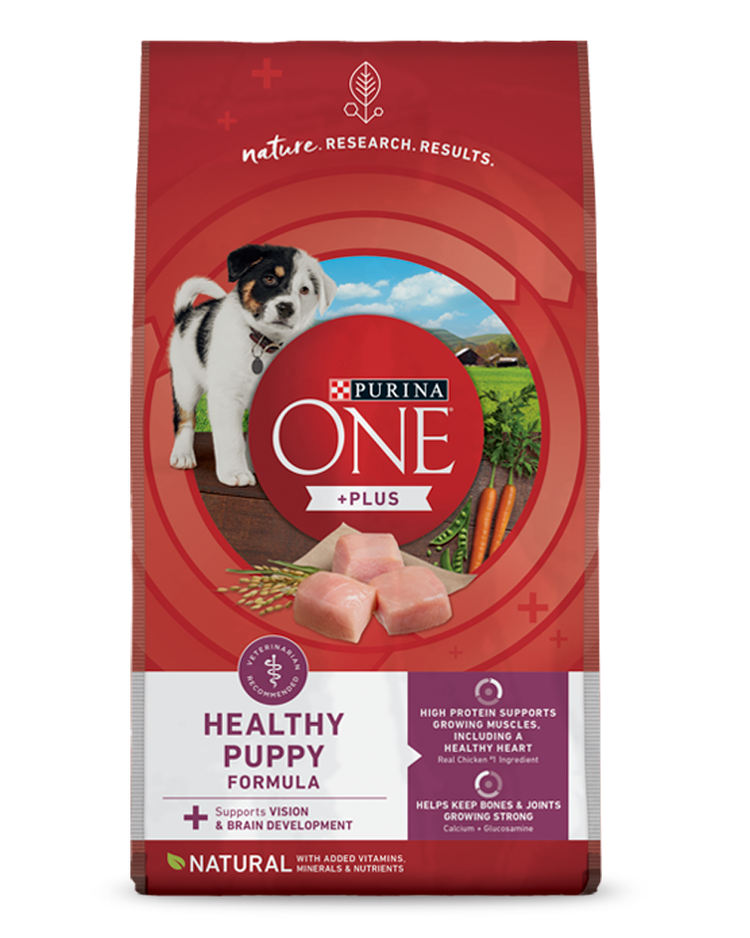
Adult dog food often lacks the right balance of these nutrients for puppies. If you want your puppy to grow into a strong, healthy dog, consider whether their diet truly supports their unique needs. What nutrients are you currently giving your puppy, and how do you know they’re enough?
Credit: www.purina.com
Differences Between Puppy And Adult Dog Food
Understanding the differences between puppy and adult dog food is key to making the right choice for your furry friend’s diet. Puppies are growing rapidly and need more than just calories—they require a balance of nutrients designed specifically for their development. Feeding adult dog food to puppies might seem convenient, but it can miss essential needs that affect their health and growth.
Calorie Content And Energy Levels
Puppies burn a lot more energy than adult dogs because they are constantly growing and exploring. Puppy food is packed with higher calorie content to support this extra energy demand. On the other hand, adult dog food has fewer calories since adult dogs are generally less active and don’t need as much fuel.
Feeding your puppy adult dog food might leave them feeling tired or hungry. Have you noticed your puppy begging for food more often? That could be a sign their energy needs aren’t being met.
Protein And Fat Ratios
Protein and fat are the building blocks for your puppy’s muscles and brain development. Puppy food contains higher levels of both to support this rapid growth phase. Adult dog food typically has lower protein and fat ratios because adult dogs require maintenance, not growth.
Using adult dog food for puppies may slow their muscle development or affect brain function. Imagine trying to build a house with fewer bricks; your puppy’s body needs enough protein and fat to build strong bones and muscles.
Vitamin And Mineral Composition
Puppy food is formulated with extra vitamins and minerals like calcium and phosphorus to support bone growth. These nutrients are balanced carefully because too much or too little can cause serious health problems. Adult dog food has a different nutrient mix tailored for mature dogs, not growing puppies.
Feeding adult food to a puppy could lead to nutritional imbalances, affecting their long-term health. Are you aware that even small changes in vitamin and mineral levels can impact your puppy’s development?
Potential Risks Of Feeding Adult Food To Puppies
Feeding puppies adult dog food can cause nutrient imbalances and digestive problems. Puppies need specific nutrients for growth that adult food may lack. This can lead to poor development and health issues.
Potential Risks of Feeding Adult Food to Puppies Feeding puppies adult dog food can cause several issues. Puppies have unique nutritional needs for proper growth and development. Adult dog food lacks certain nutrients essential for puppies. This mismatch can lead to health problems.Nutritional Deficiencies
Puppies need more protein and calories than adult dogs. Adult dog food usually contains less protein and fat. This can result in puppies not getting enough energy. They might also miss out on vital vitamins and minerals. These deficiencies can affect their growth and immune system.Digestive Issues
Puppies have sensitive digestive systems. Adult dog food can be too harsh for them. The larger kibble size might be difficult for puppies to chew. This can lead to choking hazards. Richer or denser foods can upset their stomachs. This might cause diarrhea or vomiting.Impact On Growth And Health
Proper nutrition is crucial for bone and muscle development. Adult dog food can hinder this development. Puppies might experience stunted growth. They could also develop long-term health issues. Joint and bone problems are common in such cases. This can impact their quality of life significantly. Puppies need a balanced diet for healthy growth. Adult dog food does not meet these specific needs.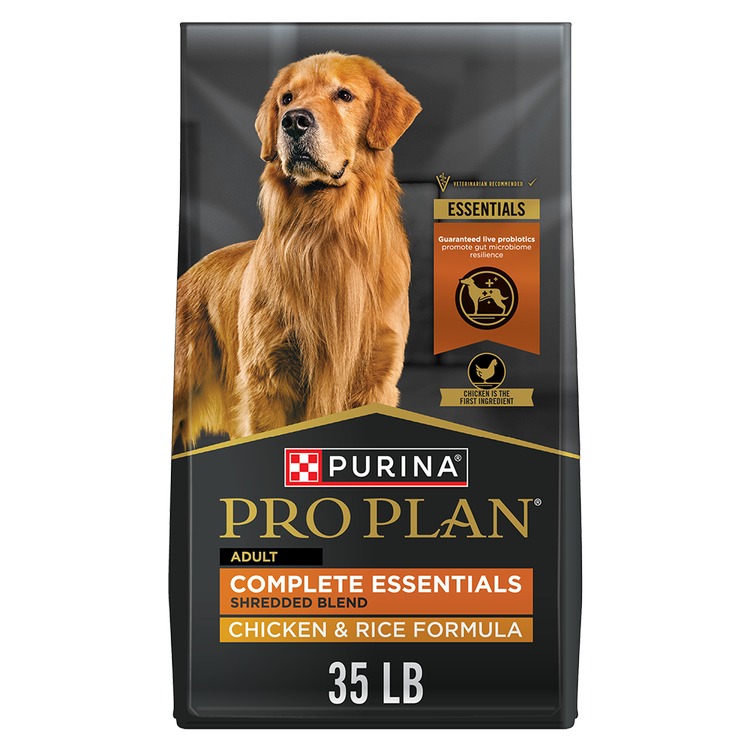
Credit: www.purina.com
When Adult Dog Food Might Be Suitable
Adult dog food is not usually the best choice for puppies due to their unique growth needs. Still, there are moments when feeding adult dog food can be appropriate. Understanding these situations helps avoid nutritional problems and supports healthy development.
Transitional Feeding Periods
Some puppies may need a short transition to adult food. This usually happens around 9 to 12 months old. During this time, their growth slows down. Their nutritional needs start to match those of adult dogs.
Transitioning gradually over 7 to 10 days prevents stomach upset. Mixing adult food with puppy food helps puppies adjust. Watch for any changes in appetite or digestion during this period.
Specific Health Conditions
Certain health issues might require feeding adult dog food to puppies. For example, puppies with obesity risks may benefit from adult formulas with fewer calories. Some medical diets designed for adult dogs may also help puppies with digestive problems.
Always consult a vet before changing your puppy’s diet for health reasons. The vet can recommend the right food type and timing. This ensures puppies get proper nutrition without harming their growth.
Choosing The Right Food For Your Puppy
Choosing the right food for your puppy is key to healthy growth and development. Puppies need more nutrients than adult dogs for energy, brain development, and strong bones. Feeding adult dog food to puppies can lead to nutrient shortages or imbalances. It is important to select food specially made for puppies to meet their unique needs.
Reading Pet Food Labels
Check the label for nutrient content and ingredient quality. Look for words like “complete and balanced” for puppies. The label should show that the food meets standards set by AAFCO (Association of American Feed Control Officials). Key nutrients to watch include protein, fat, calcium, and DHA.
Ingredients are listed by weight. The first few ingredients should be high-quality animal proteins. Avoid foods with fillers like corn or excessive by-products. Also, note the guaranteed analysis section for exact nutrient percentages.
Consulting Your Veterinarian
Your vet knows your puppy’s health history and breed needs. They can recommend the best food type and brand. Ask about portion sizes and feeding frequency too. Regular checkups help track growth and adjust diet if needed. Your vet may suggest supplements if the food lacks certain nutrients.
Veterinary advice is vital when switching foods or if your puppy has allergies. Trust professional guidance to ensure your puppy stays healthy and happy.

Credit: www.petscare.com
Tips For Feeding Puppies Properly
Feeding puppies properly is crucial for their growth, health, and overall happiness. You want to make sure your little furry friend gets the right nutrients in the right amounts. Paying attention to how often and how much you feed them can make a big difference in their development.
Meal Frequency And Portion Sizes
Puppies have smaller stomachs but high energy needs, so they require more frequent meals than adult dogs. Typically, feeding your puppy three to four times a day works well until they reach about six months old. After that, you can gradually reduce the number of meals to two per day.
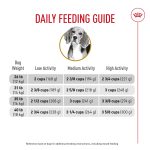
Portion size depends on your puppy’s breed, size, and activity level. Check the feeding guidelines on the puppy food packaging as a starting point, but be ready to adjust based on your puppy’s appetite and weight. Overfeeding can lead to obesity, while underfeeding can slow growth.
Monitoring Growth And Health
Keep a close eye on your puppy’s weight and body condition. You should be able to feel their ribs without pressing too hard, and they should have a visible waist when viewed from above. If you notice sudden weight changes or signs of discomfort, it’s time to consult your vet.
Regular vet visits are essential to track your puppy’s development and catch any nutritional deficiencies early. You might be surprised how small changes in diet can improve energy levels or coat shine. Have you noticed any changes in your puppy after adjusting their food?
Frequently Asked Questions
Is Adult Dog Food Harmful To Puppies?
Feeding puppies adult dog food can lack essential nutrients. Puppies need higher protein and fat for growth. Adult food may not support their development adequately. This can lead to nutritional deficiencies and poor health in puppies.
Can Puppies Digest Adult Dog Food Properly?
Puppies have different digestive needs than adult dogs. Adult dog food may be harder for puppies to digest. It can cause stomach upset or poor nutrient absorption. Puppy-specific food is formulated to support sensitive digestion and growth.
When Should I Switch My Puppy To Adult Food?
Switch to adult dog food after your puppy reaches maturity. This varies by breed, typically between 9 to 12 months. Consult your vet for the right time based on your puppy’s size and health.
What Nutrients Do Puppies Need More Than Adults?
Puppies require higher protein, fat, calcium, and phosphorus levels. These nutrients support rapid growth and bone development. Adult dog food often has lower amounts, making it unsuitable for puppies.
Conclusion
Feeding puppies adult dog food can cause health problems. Puppies need special nutrients to grow strong and healthy. Adult food lacks these important nutrients. This can lead to weak bones and poor development. Always choose food made for puppies. It supports their energy and growth needs well.
Proper nutrition helps puppies become healthy adult dogs. Taking care of their diet early makes a big difference. Keep your puppy happy and healthy with the right food.