
Traveling by air with your service dog can feel overwhelming. You might wonder about the rules, the paperwork, or how your dog will handle the busy airport.
What if something unexpected happens? This guide will walk you through everything you need to know to make your trip smooth and stress-free. By the end, you’ll feel confident and ready to fly with your loyal companion right by your side.
Keep reading to discover simple tips and important facts that can change your travel experience for the better.

Credit: bendbulletin.com
Preparing Your Service Dog
Preparing your service dog for air travel requires careful planning and practice. This preparation helps your dog stay calm and comfortable during the flight. It also ensures a smooth experience for both you and your dog. Start early to build confidence and reduce stress.
Training For Air Travel
Your service dog should be familiar with busy places and loud noises. Practice in crowded areas to mimic airport environments. Teach your dog to stay calm during security checks and long waits. Use positive reinforcement to encourage good behavior. Train your dog to sit quietly under the seat during the flight. This makes the journey easier for everyone.
Health And Vaccinations
Visit the vet before traveling to check your dog’s health. Make sure vaccinations are up to date and get a health certificate. This certificate is often required by airlines. Discuss any travel-related health concerns with your vet. Carry copies of medical records and vaccination papers. Healthy dogs handle travel stress better and avoid problems.
Essential Gear And Supplies
Pack all necessary items for your dog’s comfort and care. Include a well-fitted harness or vest that identifies your dog as a service animal. Bring a leash and a sturdy travel crate if needed. Carry water, collapsible bowls, and some favorite treats. Don’t forget waste bags and any medication your dog needs. Having the right gear keeps your dog safe and content.
Booking Your Flight
Booking a flight with a service dog requires some extra planning. This ensures a smooth experience from check-in to landing. Knowing the right steps helps avoid last-minute stress. Preparation starts with choosing the airline, notifying them, and picking the best seats for you and your dog.
Choosing The Right Airline
Different airlines have different rules for service dogs. Some allow dogs in the cabin, while others have size limits. Check the airline’s policy on service animals before booking. Look for airlines with clear guidelines and good customer support. This makes traveling easier and safer for your dog.
Notifying The Airline
Inform the airline about your service dog early. Airlines often require advance notice to prepare for your dog’s arrival. Provide any necessary documents, like service dog certification or health records. Confirm the details closer to your travel date to avoid surprises. This step helps prevent delays and confusion at the airport.
Selecting Seats For Comfort
Choose seats that give enough space for your dog. An aisle seat helps with quick bathroom breaks. Avoid seats near emergency exits where dogs are usually not allowed. Some airlines offer extra legroom seats, which can be more comfortable. Plan your seating to keep both you and your dog relaxed during the flight.
Airport Procedures
Travelers with service dogs must notify the airline before their flight. Prepare documents proving your dog’s status to ease airport security checks. Following these steps helps ensure a smooth and comfortable journey for both you and your service dog.
Navigating the airport with a service dog can be a unique experience that requires some preparation. Understanding the specific procedures can make your journey smoother and less stressful. From check-in to security screening, knowing what to expect can help you manage your time effectively and ensure your service dog is comfortable.Check-in Tips
Arriving early is key. It allows you and your service dog plenty of time to acclimate to the bustling airport environment. Inform the airline staff that you are traveling with a service dog. They can guide you through the process and make necessary arrangements, such as assigning a suitable seat. Keep your service dog’s documentation handy. While some airlines may not require it, having these documents can expedite the check-in process.Security Screening Process
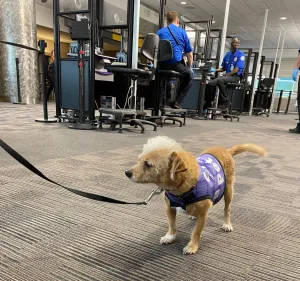
Security checkpoints can be overwhelming, but a little preparation goes a long way. It’s crucial to communicate with TSA officers about your service dog. You will likely be asked to lead your dog through the metal detector on a leash. If the alarm sounds, additional screening may be required for both you and your service dog. Ensure your dog wears a harness, as it helps signal to security staff and fellow travelers that your dog is a working service animal.Navigating The Airport
Airports are busy, noisy, and full of distractions. Familiarize yourself with the airport layout in advance to locate pet relief areas and quieter spaces. Practice commands with your service dog to ensure they remain focused amidst the commotion. This will help in maintaining control and ease during long waits. Engage with airport personnel; they can assist in finding elevators, navigating crowded areas, and ensuring your journey is as seamless as possible. Traveling with a service dog can be an enriching experience. What steps will you take to prepare for your next adventure?
Credit: www.flyflair.com
In-flight Comfort
Flying with a service dog requires thoughtful preparation for comfort in the air. Ensuring your dog feels calm and secure helps both of you have a smooth journey. Small steps before and during the flight can ease stress for your service dog.
Settling Your Dog
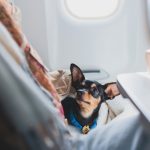
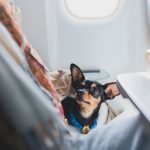
Choose a quiet spot near your seat for your dog to rest. Bring a familiar blanket or toy to create a sense of home. Gentle petting and soft voices soothe your dog. Offer water regularly to keep your dog hydrated. Avoid feeding large meals right before boarding to prevent discomfort.
Managing Behavior During Flight
Keep your dog close and under control at all times. Use a leash or harness for security and safety. Distract your dog with calm commands or light petting. Observe your dog’s signals to prevent anxiety or restlessness. Maintain a calm attitude to help your dog stay relaxed.
Handling Emergencies
Prepare for unexpected situations by knowing airline rules. Pack an emergency kit with basic supplies and paperwork. Have a plan for bathroom breaks during long flights. Contact flight attendants immediately if your dog shows distress. Stay calm and speak softly to reassure your dog.
Post-flight Care
After a long flight, your service dog needs special attention to recover and adjust. Post-flight care helps your dog stay healthy and comfortable in a new place. Paying attention to their needs right after travel can make a big difference in how quickly they bounce back.
Dealing With Jet Lag
Just like you, your service dog can feel tired and confused from crossing time zones. Watch for signs like excessive sleepiness, restlessness, or changes in appetite. Try to keep their routine consistent with local time by feeding and walking them at normal hours.
Have you noticed your dog acting out of sorts after travel? Adjusting their schedule gradually can ease jet lag. A calm environment helps them relax and reset their internal clock.
Rehydration And Exercise
Air travel can dehydrate your dog, so offer plenty of fresh water immediately after landing. Avoid giving them large amounts at once; small, frequent sips work best. Keeping your dog hydrated supports their energy and helps prevent fatigue.
Gentle exercise is important too. Short walks stretch their muscles and reduce stiffness. Pay attention to their pace—too much too soon can cause stress. Your dog’s body needs a balance of rest and movement to recover fully.
Settling Into A New Environment
Helping your service dog feel safe in a new place is key. Bring familiar items like their bed, toys, or blanket to create a comforting space. Your calm presence reassures them and reduces anxiety.
Spend quiet time together and maintain routines to build security. Have you tried setting up a specific area just for your dog? This little step can make a big difference in how quickly they adjust to unfamiliar surroundings.

Credit: www.reddit.com
Legal Rights And Documentation
Traveling with a service dog involves understanding your legal rights and the documentation required to ensure a smooth journey. Knowing the rules helps you avoid last-minute surprises and protects your access to necessary accommodations. Being prepared empowers you to focus on your trip, not paperwork or misunderstandings.
Service Dog Laws
Service dogs are protected under laws like the Americans with Disabilities Act (ADA), which guarantees access to public places, including airports and airplanes. These laws require airlines to allow service dogs to accompany their handlers without extra fees. However, the definition of a service dog is strict—it must be trained to perform specific tasks for a person with a disability.
Have you ever wondered why some airlines refuse emotional support animals but allow service dogs? It’s because laws distinguish between emotional support animals and service dogs, giving broader rights only to the latter. Understanding this difference is key to ensuring your dog travels with you without hassle.
Required Paperwork
Most airlines require certain documents before allowing your service dog on board. Typically, you’ll need:
- A letter from a licensed healthcare professional confirming your disability and need for a service dog
- Vaccination and health records for your dog
- Proof of training or certification, if requested by the airline
Keeping these documents handy—in both digital and printed formats—can save you time during check-in. Airlines may also ask for forms that confirm your dog’s behavior and health closer to the travel date. Are you ready with all these papers before your next flight?
Handling Airline Policies
Each airline has its own rules about service dogs, so checking their specific policies before booking is crucial. Some may require advance notice, others limit the number of service animals per passenger, and some may have size restrictions. Reading the fine print can prevent unexpected issues at the airport.
When I flew with my service dog, I called the airline a week ahead to confirm their requirements. This simple step helped me avoid confusion and ensured the staff was prepared. Do you take the time to communicate with your airline about your service dog needs before traveling?
In case of disagreements or misunderstandings, knowing your rights and staying calm can make a big difference. Always remain polite but firm, and ask to speak with a supervisor if needed. Your preparation and knowledge are your best tools for a stress-free flight with your service dog.
Frequently Asked Questions
What Documents Are Needed To Fly With A Service Dog?
You need a service dog letter, vaccination records, and ID tags. Airlines may require a recent health certificate. Check airline-specific rules before traveling. Carry all documents to avoid delays at security and boarding.
Can Service Dogs Sit On Your Lap During Flights?
Service dogs usually sit at your feet or on the floor. Airlines require dogs to be well-behaved and not block aisles. Some airlines allow small service dogs on laps. Confirm with the airline before your flight.
Are Service Dogs Allowed In Airplane Cabins?
Yes, service dogs are allowed in cabins. They must be under control and not disturb other passengers. Airlines follow ADA and DOT guidelines for service dog travel. Notify the airline in advance about traveling with your service dog.
How Early Should I Arrive At The Airport With A Service Dog?
Arrive at least 2 hours early for domestic flights. Early arrival helps with check-in and security screening. It allows extra time for paperwork and managing your service dog calmly.
Conclusion
Traveling with a service dog can feel easier with some planning. Know the airline’s rules before you fly. Carry all needed documents for your dog. Stay calm and patient during security checks. Your service dog helps make the trip smoother.
Both you and your dog can enjoy the journey. Keep your dog comfortable and safe on the plane. Remember, preparation is key to a good trip. Air travel with a service dog is doable and rewarding.