Are you wondering if it’s okay to feed your adult dog puppy food? You might think that since puppy food is packed with nutrients, it could be a healthy choice for your grown dog too.
But before you make that switch, it’s important to understand how your dog’s needs change as they grow. Feeding the wrong food could affect their health in ways you don’t expect. Keep reading to find out what’s best for your furry friend and how to keep them happy and healthy every day.

Credit: www.petscare.com
Differences Between Puppy And Adult Dog Food
Puppy food and adult dog food serve different purposes. They meet the changing needs of dogs as they grow. Knowing their differences helps in choosing the right diet. It supports health, energy, and overall well-being throughout life stages.
Nutritional Needs Of Puppies
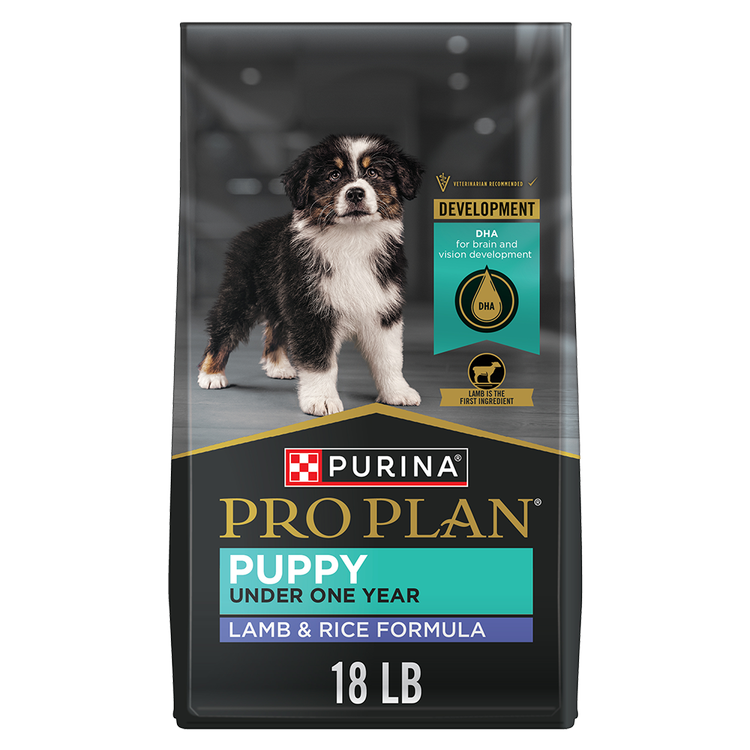
Puppies need more calories for growth and development. Their food contains higher protein levels. It supports strong muscles and bones. Puppies also require more fat for energy. Vitamins and minerals help build a strong immune system. Nutrients like DHA aid brain and eye development.
Nutritional Needs Of Adult Dogs
Adult dogs need balanced calories to maintain weight. Their protein levels are moderate to support muscle health. Fat content is lower to prevent excess weight gain. Fiber helps with digestion and bowel health. Adult formulas focus on joint health and vitality. They include antioxidants to support aging cells.
Key Ingredient Variations
- Protein:Higher in puppy food for growth; moderate in adult food for maintenance.
- Fat:More in puppy food for energy; less in adult food to avoid obesity.
- Calcium and Phosphorus:Elevated in puppy food to develop bones; controlled in adult food to protect joints.
- DHA:Present in puppy food to enhance brain development; minimal in adult food.
- Fiber:Increased in adult food for healthy digestion; lower in puppy food.
Credit: www.purina.com
Potential Risks Of Feeding Puppy Food To Adult Dogs
Feeding puppy food to adult dogs might seem harmless, but it can lead to several hidden risks that affect your dog’s health and well-being. Puppy food is specifically formulated to support rapid growth and higher energy needs, which differ significantly from an adult dog’s nutritional requirements. Ignoring these differences can cause problems that may not be obvious right away but can impact your dog’s quality of life over time.
Overnutrition And Weight Gain
Puppy food contains extra calories, proteins, and fats to support growth. If your adult dog eats this richer diet, they can quickly gain unwanted weight. Excess weight stresses joints and organs, leading to issues like arthritis and heart problems.
Have you noticed your dog gaining pounds without changes in exercise? It might be the food. Keeping an eye on portion sizes and switching to adult-appropriate food can help maintain a healthy weight.
Digestive Issues
The higher fat and nutrient content in puppy food can upset an adult dog’s stomach. You might see diarrhea, vomiting, or gas after meals. These symptoms occur because adult dogs digest food differently and may find puppy food too rich.
Sometimes, a simple diet change can reduce these digestive problems. If your dog shows signs of stomach upset, consider if the food might be the cause and consult your vet.
Long-term Health Concerns
Feeding puppy food over long periods can cause imbalances in essential nutrients. For example, too much calcium, common in puppy food, can harm adult dogs’ bones and kidneys. Over time, these imbalances may contribute to chronic conditions that reduce your dog’s lifespan.
Thinking about your dog’s future health is important when choosing food. Are you providing the right nutrition for every stage of their life to keep them healthy and happy?
Situations When Puppy Food May Be Suitable
Adult dogs may eat puppy food during illness or recovery to get extra nutrients and calories. Growth or pregnancy stages can also require richer food. Occasionally, vets suggest puppy food for older dogs needing more energy.
Situations When Puppy Food May Be Suitable Adult dogs usually have specific dietary needs. Yet, there are times when puppy food might fit their needs. Puppy food has high protein and calorie content. This makes it suitable for special cases. Let’s explore these scenarios below.Underweight Adult Dogs
An underweight dog may struggle with energy. Puppy food offers a nutrient boost. It contains more calories and essential nutrients. This helps in gaining weight effectively. It’s important to monitor your dog’s progress. A veterinarian’s guidance is also crucial. Regular check-ups ensure the diet is working well. Aim for a healthy weight and vitality.Pregnant Or Nursing Dogs
Pregnant dogs need extra nutrition. Their bodies work hard for their puppies. Nursing dogs also need more nutrients. Puppy food provides the necessary support. It fuels growth and milk production. Ensure the dog has enough energy. This keeps both mother and puppies healthy. Consult with a vet for precise feeding guidance.High-activity Or Working Dogs
Active dogs burn lots of energy daily. They may include working dogs or sports dogs. Puppy food can meet their high energy needs. It supplies essential proteins and fats. This supports their active lifestyle. Monitor their energy levels and adjust as needed. Always seek advice from a vet for dietary adjustments.How To Transition Between Puppy And Adult Food
Switching your dog from puppy food to adult food is a key moment in their life that needs careful handling. The transition impacts their digestion, energy levels, and overall health. Doing this correctly ensures your dog adapts smoothly without upsetting their stomach or losing interest in meals.
Gradual Food Change Steps
Start by mixing a small amount of adult food into your dog’s regular puppy food. Over a week or two, slowly increase the portion of adult food while decreasing the puppy food.
- Day 1-3: 25% adult food, 75% puppy food
- Day 4-7: 50% adult food, 50% puppy food
- Day 8-10: 75% adult food, 25% puppy food
- Day 11 onwards: 100% adult food
This slow change allows your dog’s digestive system to adjust and reduces the chance of upset stomach or diarrhea.
Monitoring Your Dog’s Response
Watch your dog closely during the transition. Check if they are eating well and maintaining their usual energy.
Keep an eye on their stool quality—firm and regular stools indicate good digestion. If your dog seems lethargic or loses appetite, it may be a sign to slow down the transition.
Signs To Watch For
Look for signs like vomiting, diarrhea, excessive gas, or changes in behavior. These could mean your dog isn’t tolerating the new food well.
Also, monitor their coat condition and weight. A dull coat or sudden weight loss might suggest nutritional issues.
Have you noticed your dog’s reaction when you switched foods before? Paying attention to these signs can save you from bigger health problems down the road.
Expert Recommendations For Choosing Dog Food
Choosing the right food for your dog affects their health and happiness. Experts suggest careful selection based on your dog’s age, size, and health needs. Understanding food labels and nutrient balance helps make the best choice for your dog’s diet.
Consulting Your Veterinarian
Your vet knows your dog’s health history and dietary needs best. They can recommend food that suits your dog’s age and lifestyle. Always ask before switching to puppy food or any new diet. Vets can spot allergies or special needs your dog might have.
Reading Dog Food Labels
Labels reveal important details about ingredients and nutrition. Look for foods with high-quality protein and balanced vitamins. Avoid foods with too many fillers or artificial additives. Check for the AAFCO statement, which shows the food meets nutritional standards.
Balancing Nutrients For Optimal Health
Dogs need a mix of protein, fats, and carbohydrates. Puppy food usually has more calories and nutrients for growth. Adult dogs need fewer calories to prevent weight gain. Ensure the diet supports energy, muscle, and coat health. Balance keeps your dog active and strong over time.

Credit: us.eukanuba.com
Frequently Asked Questions
Can Adult Dogs Eat Puppy Food Safely?
Adult dogs can eat puppy food occasionally, but it’s not ideal long-term. Puppy food is high in calories and nutrients meant for growth, which may cause weight gain or digestive issues in adults.
What Happens If An Adult Dog Eats Puppy Food Regularly?
Regular consumption of puppy food by adult dogs may lead to obesity, nutrient imbalances, and digestive problems. Adult dogs require a balanced diet tailored to their maintenance needs, which differ from growing puppies.
Is Puppy Food Nutritionally Suitable For Adult Dogs?
Puppy food contains higher protein and fat levels to support growth. Adult dogs need fewer calories and balanced nutrients, so puppy food is not optimal for their health and can cause excess weight gain.
Can Feeding Puppy Food Affect An Adult Dog’s Health?
Yes, feeding puppy food to adult dogs long-term can cause obesity, joint stress, and digestive upset. It may also disrupt nutrient balance, leading to health issues over time.
Conclusion
Adult dogs can eat puppy food, but it’s not ideal long-term. Puppy food has extra nutrients for growth. Adult dogs may gain weight or feel uncomfortable. Choose food made for their age and needs. Always check with a vet before changing diets.
A balanced diet keeps dogs healthy and happy. Feeding the right food helps avoid health problems. Remember, your dog’s well-being comes first. Simple, proper nutrition makes a big difference.