Are you wondering if it’s okay to give your dog adult food right now? You want to make sure your furry friend gets the right nutrition at every stage of life.
Feeding your dog the wrong food can affect their health and energy in ways you might not expect. Keep reading to discover the truth about adult dog food and how to make the best choice for your pet’s well-being. This simple guide will help you avoid common mistakes and keep your dog happy and healthy.
When To Switch To Adult Dog Food
Knowing when to switch your dog from puppy food to adult dog food is essential for their growth and health. Feeding the right diet at the right time supports their energy levels, digestion, and overall well-being. But how can you tell when your puppy is ready to make this change?
Signs Your Puppy Is Ready
Watch for clear signs that your puppy is growing out of their puppy stage. One major indicator is when their rapid growth slows down. Puppies usually have bursts of growth early on, but when these slow, it’s a good hint that adult food may be appropriate.
Also, notice your puppy’s energy and appetite. If they seem less hyperactive and their food intake stabilizes, it might mean their nutritional needs have shifted. Their body shape changes too—puppies start looking less round and more lean.
Sometimes, your vet can confirm readiness during routine visits. They might suggest switching based on your puppy’s weight, teeth development, and overall health. Have you noticed these changes in your dog yet?
Age Guidelines By Breed Size
| Breed Size | Typical Age to Switch |
|---|---|
| Small Breeds (e.g., Chihuahua, Dachshund) | 9 to 12 months |
| Medium Breeds (e.g., Beagle, Cocker Spaniel) | 12 months |
| Large Breeds (e.g., Golden Retriever, Labrador) | 12 to 18 months |
| Giant Breeds (e.g., Great Dane, Mastiff) | 18 to 24 months |
Breed size strongly influences when your dog should switch to adult food. Smaller breeds mature faster and can transition earlier. Giant breeds take longer to fully mature, requiring extended puppy nutrition to support their growth.
Have you matched your dog’s switch to their breed size? Timing the change right helps prevent nutritional gaps or excesses. Keep track of your dog’s milestones—it’s a practical way to ensure they get the best diet at every stage.
Credit: www.purina.com
Differences Between Puppy And Adult Food
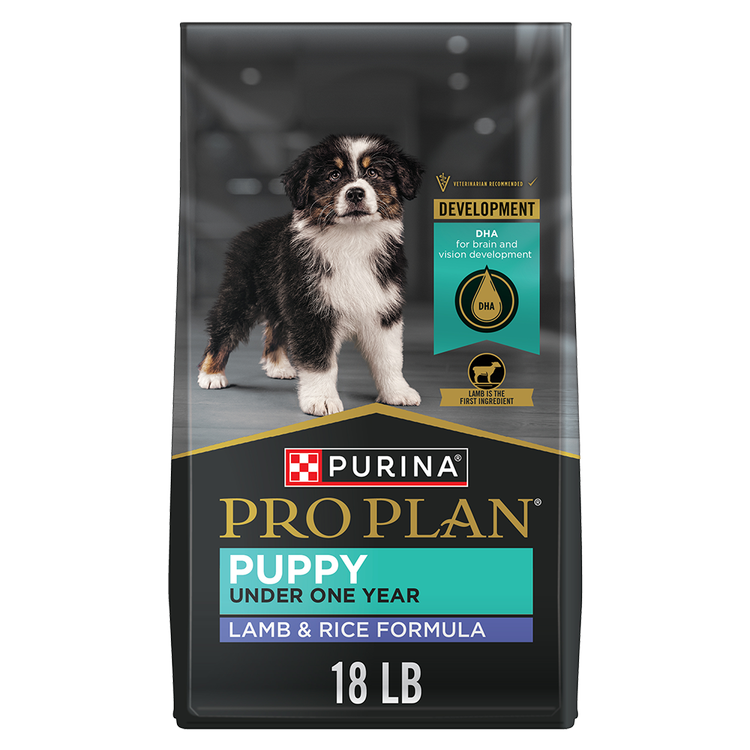
Puppy food and adult dog food look similar but serve different purposes. Puppies need specific nutrients to grow strong and healthy. Adult dogs require a balanced diet to maintain their health without extra calories. Feeding the right food type supports your dog’s life stage and energy needs. Understanding these differences helps you choose the best food for your dog.
Nutritional Needs
Puppies need more vitamins and minerals for bone growth and brain development. Their food contains extra calcium and DHA for healthy bones and sharp minds. Adult dogs need nutrients that support maintenance and overall health. Puppy food has higher levels of certain nutrients to support rapid growth. Adult food focuses on keeping weight steady and preventing health issues.
Calorie And Protein Content
Puppy food has more calories to fuel their high energy and growth. Protein content is higher to build strong muscles and tissues. Adult dog food has fewer calories to avoid weight gain. Protein levels are balanced to maintain muscle without overloading the body. Feeding adult food to puppies may slow their growth. Giving puppy food to adults can cause unnecessary weight gain.
Risks Of Feeding Adult Food Too Early
Feeding adult dog food to puppies too soon can cause problems. Puppies have different nutritional needs than adult dogs. Their bodies need special nutrients to grow strong and healthy. Using adult food early can lead to health risks and stunt their development.
Growth And Development Concerns
Puppies need more protein, fat, and calories than adult dogs. Adult food often lacks these essentials. This can slow bone growth and muscle development. The wrong nutrients can cause weak joints and fragile bones. Puppies may also miss key vitamins and minerals needed for brain and immune system growth.
Potential Health Issues
Adult food can upset a puppy’s sensitive stomach. Digestive problems like diarrhea and vomiting are common. Poor nutrition can weaken the immune system. This makes puppies more likely to get sick. Over time, feeding adult food too early may cause long-term health problems, including obesity or malnutrition.
Credit: www.thinkjinx.com
Choosing The Right Adult Dog Food
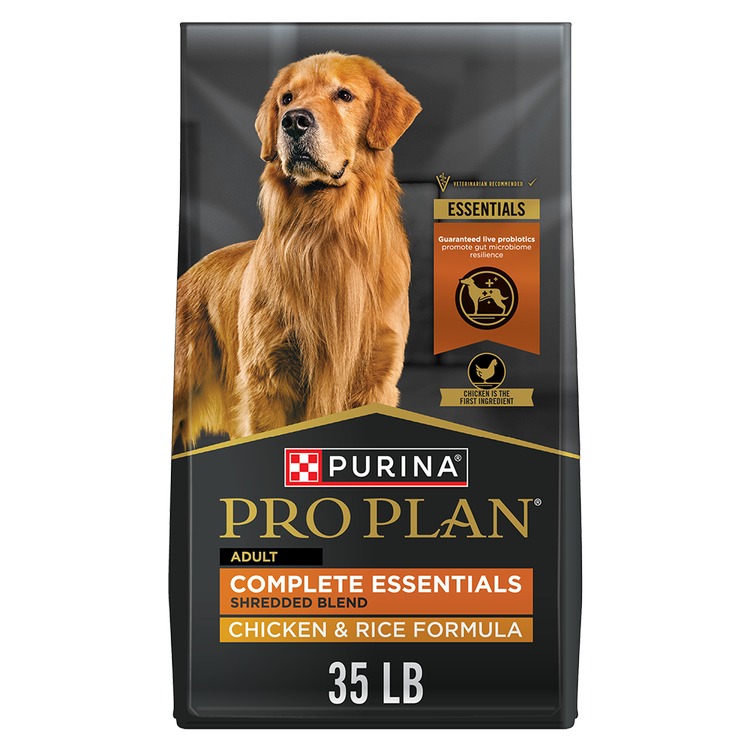
Choosing the right adult dog food depends on your dog’s age, size, and health needs. Adult food provides balanced nutrition for grown dogs. Always check labels to ensure it suits your dog’s specific requirements.
Choosing the right adult dog food for your furry friend is crucial for their health and happiness. Not all dog foods are created equal, and selecting the right one can make a significant difference in your dog’s energy levels, coat, and overall well-being. As your dog transitions from puppy to adult, it’s essential to provide nutrition that supports their changing needs.Ingredients To Look For
Selecting dog food with high-quality ingredients is a top priority. Look for proteins such as chicken, beef, or fish listed as the first ingredient. Whole grains like brown rice or barley provide a good source of energy. Fruits and vegetables are also beneficial, offering essential vitamins and minerals. Ingredients like sweet potatoes and spinach can contribute to a balanced diet.Avoiding Harmful Additives
Not all additives are harmless, so it’s important to read labels carefully. Avoid dog foods with artificial colors, flavors, and preservatives like BHA, BHT, and ethoxyquin. These can have adverse effects on your dog’s health. Consider whether the food includes fillers such as corn syrup and soy, which can lead to unnecessary weight gain. Opting for natural preservatives and wholesome ingredients ensures your dog gets the nutrition they need without harmful side effects. Choosing the right food requires diligence, but it’s worth the effort. How do you ensure you’re picking the best for your pet?Transitioning Your Dog’s Diet
Switching your dog from puppy food to adult food requires care and patience. Sudden changes can upset their stomach or cause refusal to eat. Taking time to transition helps your dog adjust comfortably to the new diet.
Step-by-step Switching Process
Start by mixing a small amount of adult food into your dog’s current puppy food. Gradually increase the proportion of adult food over about a week. This slow change helps avoid digestive issues.
- Begin with 25% adult food and 75% puppy food for the first two days.
- Next, shift to a 50/50 mix for the following two days.
- Then, move to 75% adult food and 25% puppy food for another two days.
- Finally, feed only adult food once your dog is comfortable.
Keep your dog’s feeding schedule consistent. Avoid giving too many treats during this time to not interfere with their appetite for the new food.
Monitoring Your Dog’s Reaction
Watch your dog closely as you switch their food. Are they eating well, or showing signs of stomach upset like vomiting or diarrhea? These reactions can signal your dog needs a slower transition.
Also, check for any changes in energy levels or coat condition. A healthy transition often results in a shiny coat and steady energy. If you notice negative changes, consider consulting your vet.
How does your dog respond to new foods? Paying attention to their behavior and digestion can save you from bigger problems later.
Special Considerations For Senior Dogs
As your dog ages, their dietary needs change significantly. Senior dogs often require a diet that supports aging joints, maintains a healthy weight, and promotes organ health. Feeding them adult dog food without adjustments might overlook these crucial needs.
Adjusting Nutritional Needs
Senior dogs generally need fewer calories because their activity levels tend to drop. However, their protein intake should stay high to help maintain muscle mass. Look for foods labeled for seniors that balance fewer calories with higher-quality protein sources.
Fat content is another key factor. Too much fat can lead to weight gain and stress on joints, but a little healthy fat supports brain function and coat health. You might want to switch to foods with moderate fat levels and added fiber to help digestion.
Supplement Recommendations
Supplements can make a big difference in your senior dog’s quality of life. Glucosamine and chondroitin are popular for supporting joint health and mobility. Omega-3 fatty acids from fish oil help reduce inflammation and keep the coat shiny.
Probiotics can aid digestion, especially if your dog struggles with stomach issues or has a sensitive tummy. Before adding supplements, talk to your vet to ensure they fit your dog’s specific health profile.
Common Myths About Dog Food
Many dog owners hear mixed advice about feeding their pets. Myths about dog food can confuse even the most careful caregivers. These false ideas often lead to poor nutrition choices. Separating fact from fiction is key to your dog’s health.
Adult Food Vs. Puppy Food Myths
Some believe adult dogs can eat puppy food without problems. Puppy food has extra nutrients for growth, which adults don’t need. Feeding adult dogs puppy food can cause weight gain. Others think adult food lacks enough nutrients for puppies. This is incorrect; puppy food is specially made for young dogs’ needs. Switching between the two without reason may harm your dog’s health.
Homemade Vs. Commercial Food
Many assume homemade food is always healthier than commercial dog food. Homemade meals can lack essential vitamins and minerals unless carefully balanced. Commercial dog food follows strict nutritional guidelines to meet all dog needs. Others believe commercial food contains harmful additives. Most brands use safe, tested ingredients. Choosing the right option depends on your dog’s health and your cooking skills.
Credit: www.purina.com
Consulting Your Veterinarian
Consulting your veterinarian is essential before changing your dog’s diet. Dogs have unique nutritional needs based on age, size, and health. A vet can guide you on whether adult dog food suits your pet.
Veterinarians can spot health issues that affect diet choices. They also recommend the right food type and feeding schedule. This ensures your dog stays healthy and happy.
When To Seek Professional Advice
Ask your vet if your dog is under one year old. Puppies need special food for growth and development. Also, consult if your dog has health problems like allergies or digestion issues. Changes in weight or appetite are signs to get advice.
Before switching from puppy to adult food, a vet checkup is wise. Pregnancy or illness also requires a tailored diet plan. Regular vet visits help track your dog’s nutritional needs.
Questions To Ask During The Visit
- Is adult dog food suitable for my dog’s breed and age?
- How should I transition from puppy to adult food safely?
- What ingredients should I avoid due to allergies or sensitivities?
- How much food should I give daily to keep my dog healthy?
- Are there any supplements my dog needs with adult food?
- How often should I schedule follow-up visits to monitor diet?
Frequently Asked Questions
Can Puppies Eat Adult Dog Food Safely?
Puppies should not eat adult dog food regularly. Adult formulas lack essential nutrients puppies need for growth. Feeding adult food to puppies may lead to nutritional deficiencies and health issues. Always choose puppy-specific food until your dog reaches adulthood for optimal health.
When Should I Switch My Dog To Adult Food?
Switch your dog to adult food around 12 months old. Large breeds may need to wait until 18-24 months. This timing ensures balanced nutrition for their development and energy needs. Consult your vet for the best transition plan.
Is Adult Dog Food Suitable For Senior Dogs?
Adult dog food can suit some senior dogs but may lack senior-specific nutrients. Older dogs often need food tailored to joint health and lower calories. Check with your vet to choose the best diet for your aging pet.
What Risks Come From Feeding Adult Food Too Early?
Feeding adult food too early can cause growth problems. Puppies may miss vital nutrients like calcium and protein, affecting bone and muscle development. Early adult food feeding might also reduce energy levels and immune support. Always follow age-appropriate feeding guidelines.
Conclusion
Choosing the right food keeps your dog healthy and happy. Adult dog food fits their needs better as they grow. Puppies need special nutrients that adult food lacks. Switching foods too soon can upset their stomach. Watch your dog’s health and energy for signs.
Talk to your vet for advice on feeding. Feeding the right food helps your dog live longer. Careful choices make a big difference in their life. Keep your furry friend strong with proper nutrition. Simple steps lead to a happy, healthy dog.