
Are you wondering if your 3-month-old puppy can eat adult dog food? It’s a common question because you want the best for your furry friend.
Feeding your puppy the right food is crucial for healthy growth and strong bones. Giving them adult dog food too soon might seem convenient, but it could affect their development. Keep reading to find out why your puppy’s diet matters so much and what you should really be feeding them at this important stage.
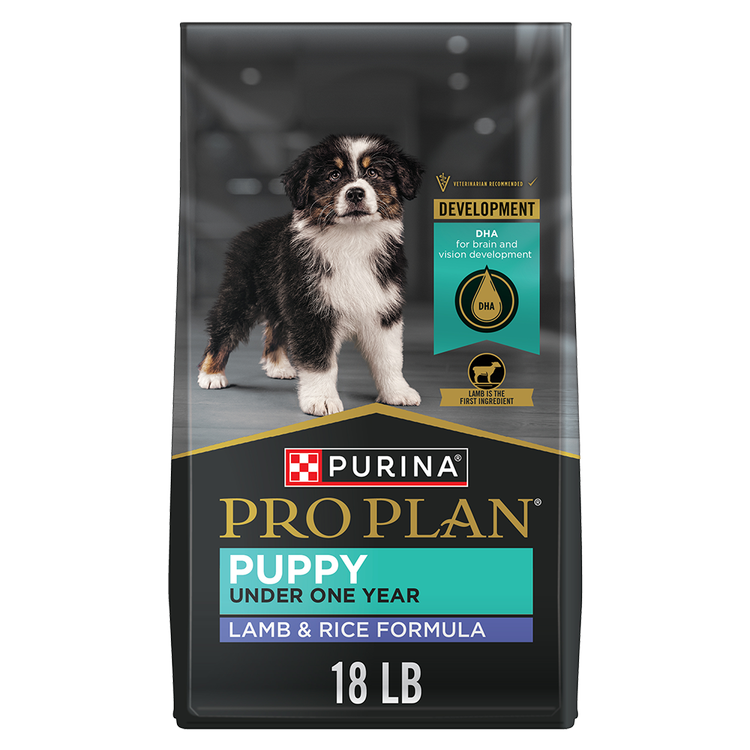
Credit: www.purina.com
Nutritional Needs Of Puppies
Puppies have different nutritional needs than adult dogs. Their bodies grow fast. Proper nutrition supports healthy bones, muscles, and organs. Choosing the right food helps puppies build strong immunity. It also sets the stage for a long, healthy life.
Growth And Development Requirements
Puppies require more calories than adult dogs to fuel rapid growth. Their energy needs are higher to support active play and learning. Balanced food helps maintain steady growth and prevents bone problems. Feeding adult dog food may not provide enough energy or nutrients for puppies.
Key Nutrients For Puppies
- Protein:Vital for muscle and tissue development.
- Fats:Provide energy and support brain growth.
- Calcium and Phosphorus:Essential for strong bones and teeth.
- DHA:Supports healthy brain and eye development.
- Vitamins and Minerals:Boost immune health and overall growth.
Differences Between Puppy And Adult Dog Food
Understanding the differences between puppy and adult dog food is essential when deciding what to feed your growing pup. Puppy food is specially designed to support rapid growth and development, while adult dog food focuses on maintaining overall health and energy levels. Feeding the wrong type can affect your puppy’s health, so it’s important to know what sets these foods apart.
Calorie Content Comparison
Puppies need more calories than adult dogs to fuel their growth and high energy levels. Puppy food typically contains a higher calorie count per serving to meet these demands. Feeding your 3-month-old puppy adult dog food might not provide enough energy, which could slow their development.
Protein And Fat Levels
Puppy food usually has higher protein and fat levels than adult dog food. Protein supports muscle growth and tissue repair, while fat provides essential energy. Adult dog food, on the other hand, contains lower amounts since adult dogs don’t grow as rapidly and need fewer calories.
Vitamin And Mineral Variations
Vitamins and minerals in puppy food are tailored to support bone growth, immune function, and brain development. You’ll often find extra calcium, DHA, and antioxidants in puppy formulas. Adult dog food focuses more on maintaining health rather than building it, so the nutrient balance reflects those needs.
Risks Of Feeding Adult Food To Puppies
Feeding adult dog food to your 3-month-old puppy might seem like a simple solution, especially if you already have adult dogs at home. However, this choice carries hidden risks that can affect your puppy’s health and development. Puppies have very specific nutritional needs that adult dog food simply does not meet.
Potential Nutritional Deficiencies
Adult dog food lacks the right balance of nutrients essential for a growing puppy. It usually contains less protein and fat, which are crucial for energy and muscle development at this stage.
Without enough protein and fat, your puppy might experience poor muscle growth and low energy levels. This can lead to a weak immune system, making your puppy more vulnerable to illnesses.
Think about your puppy’s rapid growth; isn’t it worth ensuring every meal supports their development fully?
Impact On Growth And Health
Puppies need higher calorie content to fuel their fast growth. Adult food often doesn’t provide enough calories, which can slow down your puppy’s growth rate.
Feeding adult food can also cause imbalances in calcium and phosphorus levels. These minerals are vital for healthy bone formation, and incorrect ratios might lead to skeletal problems later in life.
Many puppy owners notice that switching back to puppy food improves their pup’s energy and coat shine. Would you want to risk your puppy’s long-term health just to save a bit on food costs?

Credit: www.petsradar.com
When Can Puppies Transition To Adult Food
Puppies need special food to support their growth and energy needs. At some point, they switch to adult dog food. Knowing the right time to change is important for their health.
Age And Size Considerations
Small breed puppies usually move to adult food around 9 to 12 months old. Large breeds may need puppy food for up to 18 months. Their bones and joints develop slower. Age alone is not the only factor. Size plays a big role in timing the change.
Signs Your Puppy Is Ready
- Growth slows down or stops.
- Energy levels become steady, not hyperactive.
- Teeth are fully grown and healthy.
- Weight stays stable without sudden jumps.
Watch for these signs before switching food. Sudden changes can upset their stomach. Gradual transition helps them adjust easily.
Tips For Switching Puppy Food
A 3-month-old puppy needs special nutrition to grow healthy. Gradually mix adult dog food with puppy food to avoid stomach upset. Watch for any changes in digestion or energy during the switch.
Switching your puppy’s food is an important task that requires careful planning. It’s not just about dumping new kibble into their bowl and hoping for the best. Your puppy’s digestive system is still developing, and a sudden change in diet can cause tummy troubles. So, how can you make this transition as smooth as possible? Here are some tips to help you guide your furry friend through this change.Gradual Transition Methods
Begin by mixing a small amount of the new adult dog food with your puppy’s current food. Gradually increase the portion of the new food over a week, while decreasing the old food. This gives your puppy’s digestive system time to adjust. Try a simple 7-day plan: – Days 1-2: 25% new food, 75% old food – Days 3-4: 50% new food, 50% old food – Days 5-6: 75% new food, 25% old food – Day 7: 100% new food This method has worked well for many pet owners, preventing any sudden digestive issues.Monitoring Your Puppy’s Response
Observe your puppy closely during the transition. Look for any signs of discomfort or changes in behavior. Soft stools or diarrhea might indicate that the transition is too fast. If your puppy seems lethargic or refuses to eat, it might be worth slowing down the transition. A friend once noticed her puppy becoming less playful during a food switch, and after consulting her vet, she adjusted the pace. Remember, every puppy is different. What works for one might not work for another. Always be ready to tweak your approach based on your puppy’s unique needs. What other signs have you noticed when switching your puppy’s food? Share your experiences in the comments below!Veterinarian Recommendations
Veterinarian recommendations play a crucial role in deciding whether your 3-month-old puppy can eat adult dog food. Puppies have unique nutritional needs that differ from adult dogs, and vets can provide tailored advice to ensure your puppy’s growth stays on track. Ignoring professional guidance could lead to health issues or nutritional gaps.
Consulting For Personalized Advice
Every puppy is different, so consulting your vet is the best way to get advice specific to your dog’s breed, size, and health status. Your vet can assess if your puppy is ready for adult food or if a specialized puppy formula is still necessary. They also help you understand the right timing and how to transition foods without upsetting your puppy’s digestion.
Have you noticed any changes in your puppy’s energy or digestion after switching foods? Sharing these observations with your vet can fine-tune the feeding plan. This personalized approach prevents guesswork and supports your puppy’s overall well-being.
Recommended Brands And Formulations
Veterinarians often suggest trusted brands that offer balanced nutrition tailored for puppies or adult dogs. Look for formulas rich in protein, DHA, and essential vitamins that support brain development and strong bones. Some brands also offer transitional foods designed to gradually shift your puppy to adult nutrition.
- Royal Canin Puppy:Known for breed-specific formulas and balanced nutrients.
- Hill’s Science Diet Puppy:Focuses on digestive health and immune support.
- Blue Buffalo Life Protection Puppy:Includes natural ingredients and antioxidants.
Ask your vet if these brands fit your puppy’s needs or if there’s a better option based on their health profile. Choosing the right food brand can make a big difference in your puppy’s growth and happiness.

Credit: wefeedraw.com
Frequently Asked Questions
Can A 3-month-old Puppy Eat Adult Dog Food?
A 3-month-old puppy should not eat adult dog food. Puppy food has more nutrients vital for growth. Adult food lacks essential vitamins and minerals needed by puppies at this stage.
What Are Risks Of Feeding Adult Food To Puppies?
Feeding adult food to puppies can cause nutrient deficiencies. It may lead to poor growth, weak bones, and digestive issues. Puppies need higher protein and fat levels for healthy development.
When Can A Puppy Switch To Adult Dog Food?
Most puppies can switch to adult dog food around 12 months old. Large breeds may need longer, about 12-18 months. Always consult a vet for the best timing based on your puppy’s breed and health.
How Does Puppy Food Differ From Adult Dog Food?
Puppy food contains more protein, fat, and calories than adult food. It supports rapid growth and brain development. Adult dog food is formulated for maintenance, not growth or development needs.
Conclusion
A 3-month-old puppy needs special food for growth. Adult dog food may not have enough nutrients. Puppies require extra protein, vitamins, and calories. Feeding the right food helps strong bones and muscles. Always choose food made for puppies. Consult your vet for the best advice.
Healthy food means a happy, active puppy. Keep your puppy’s diet balanced and safe. This supports good health and proper development. Your puppy will thank you with a wagging tail.