Are you wondering if your puppy can eat adult dog food? It’s a common question many pet owners face.
Feeding your puppy the right food is crucial for their growth and health. Giving them adult dog food might seem like an easy choice, but could it affect their development? Keep reading to discover the truth and make sure your furry friend gets the best nutrition from day one.
Your puppy’s health depends on it!

Credit: us.eukanuba.com
Puppy Vs Adult Dog Food
Puppy food and adult dog food serve different roles in a dog’s growth and health. Puppies need food that supports rapid growth and development. Adult dogs require food that helps maintain their health and energy. Understanding the differences helps ensure your puppy gets the right nutrition at every stage.
Nutritional Differences
Puppy food has higher protein and fat levels. These nutrients support muscle growth and brain development. Adult dog food has balanced nutrients for maintenance. It usually contains less fat and protein than puppy food. Puppies need more calcium and phosphorus for strong bones. Adult dog food has these minerals but in lower amounts.
Caloric Needs
Puppies burn more energy during growth. Their food has more calories per serving. This helps fuel their active lifestyle. Adult dogs need fewer calories to avoid weight gain. Their food is designed to keep their weight stable. Feeding adult food to puppies can lead to nutritional gaps. It might not provide enough calories for healthy growth.
Ingredient Variations
Puppy food often includes added DHA. DHA helps with brain and eye development. It also has ingredients that support immune health. Adult dog food focuses on maintaining muscle and joint health. It may include antioxidants for overall wellness. Ingredients in puppy food are softer and easier to digest. Adult food textures are firmer, matching mature teeth.
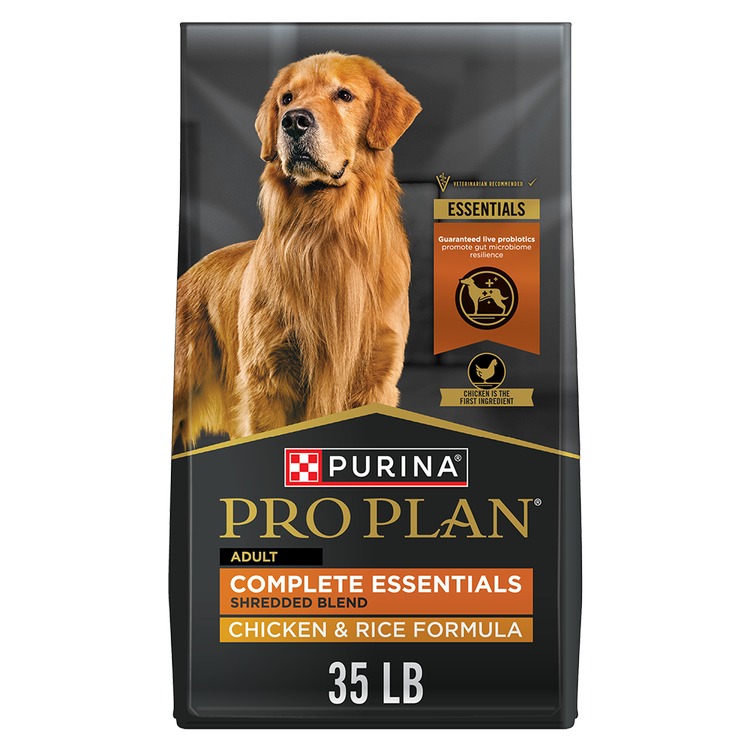
Credit: www.purina.com
Risks Of Feeding Adult Food To Puppies
Feeding adult dog food to puppies can cause several risks. Puppies need special nutrition for their fast growth. Adult food often lacks the right balance of nutrients for young dogs. This can lead to health problems and poor development. Understanding these risks helps keep puppies healthy and strong.
Nutrient Deficiencies
Adult dog food may not have enough protein and fat for puppies. These nutrients are essential for muscle growth and energy. Puppies also need higher levels of calcium and phosphorus. Without these, bones may not develop properly. Lack of vitamins and minerals can weaken the immune system. This makes puppies more prone to illness and infections.
Growth And Development Issues
Puppies grow quickly and need food that supports this growth. Adult food is designed for maintenance, not rapid development. Feeding adult food can slow growth or cause uneven bone development. It may also affect brain and organ development. Poor growth can lead to lifelong health problems. Proper puppy food ensures strong bones and healthy organs.
Digestive Problems
Puppies have sensitive stomachs that need gentle food. Adult dog food may be too rich or hard to digest. This can cause diarrhea, vomiting, or constipation. Digestive upset affects nutrient absorption and overall health. Puppy food contains ingredients made for easy digestion. Feeding the wrong food can upset their delicate digestive system.
When Is It Safe To Switch
Switching your puppy to adult dog food is a crucial step. It’s important to ensure the transition is safe and appropriate. Timing plays a significant role in this process. Each puppy is unique, and readiness can vary.
Recommended Age For Transition
Most puppies are ready to switch between 12 to 18 months. Smaller breeds may transition sooner, around 9 months. Larger breeds might need up to 24 months. Always consult a vet for personalized advice.
Signs Puppy Is Ready
Puppies show signs when ready for adult food. One sign is slowing growth rate. Watch for energy levels stabilizing. Adult teeth are another indicator. Behavioral maturity also suggests readiness.
Gradual Switching Process
The transition should be gradual. Sudden changes can upset their stomach. Start by mixing a small amount of adult food with their puppy food. Gradually increase the adult food over 7 to 10 days. Monitor your puppy’s reaction to the new food. Ensure they have no digestive issues.
Choosing The Right Food
Choosing the right food for your puppy is crucial for healthy growth. Puppies have different nutritional needs than adult dogs. Feeding them adult dog food can miss essential nutrients. Careful selection helps support bones, muscles, and brain development. Understanding food labels, ingredients, and expert advice guides you to the best choice.
Puppy Food Labels To Look For
Check the label for words like “complete and balanced.” This means the food meets nutritional standards. Look for formulas made specifically for puppies or growth. Labels should mention AAFCO approval, ensuring quality nutrition. Avoid foods without clear age or growth stage labeling.
Quality Ingredients
High-quality ingredients matter most. Proteins should come from real meat or fish. Avoid foods with too many fillers like corn or wheat. Healthy fats support energy and brain growth. Natural sources of vitamins and minerals are better than artificial ones. Fresh, whole ingredients give puppies the best start.
Consulting Your Veterinarian
Your vet knows your puppy’s health needs best. They can recommend the right food type and brand. Vets can also help with allergies or sensitivities. Regular check-ups help adjust diet as your puppy grows. Following vet advice ensures balanced nutrition and good health.
Tips For Feeding Puppies
Feeding your puppy properly sets the foundation for a healthy adult dog. Puppies have different nutritional needs than grown dogs, so understanding how to feed them well is crucial. Here are some practical tips to help you manage your puppy’s diet effectively and keep them thriving.
Meal Frequency
Puppies need to eat more often than adult dogs because of their fast growth and high energy levels. Typically, feeding your puppy three to four small meals a day works best. This helps maintain their blood sugar levels and prevents overeating in a single sitting.
As your puppy grows, you can gradually reduce meal frequency to two times a day. Have you noticed your puppy getting hungry between meals? Adding a small, healthy snack can help without disrupting their main meals.
Portion Control
Knowing the right portion size for your puppy is essential. Overfeeding can lead to obesity, while underfeeding may stunt their growth. Check the feeding guidelines on your puppy food packaging, but remember to adjust based on your puppy’s breed, age, and activity level.
Use a measuring cup to avoid guessing portions. If your puppy finishes meals too quickly or leaves food behind, these are clues to adjust serving sizes. Have you tracked your puppy’s eating habits closely? Small changes in portion sizes can make a big difference.
Monitoring Weight And Health
Regularly monitoring your puppy’s weight helps catch any nutrition problems early. Weigh your puppy weekly and keep an eye on their body condition — ribs should be felt but not seen. If you’re unsure, ask your vet to show you how to assess your puppy’s ideal weight.
Look for signs like lethargy, excessive hunger, or digestive issues. These can indicate that your puppy’s diet isn’t quite right. How often do you check your puppy’s health beyond just feeding? Staying proactive can prevent long-term problems.
Credit: greensafaris.com
Frequently Asked Questions
Can Puppies Eat Adult Dog Food Safely?
Puppies should not eat adult dog food regularly. Adult formulas lack essential nutrients needed for puppy growth. Feeding puppy-specific food ensures balanced nutrition for healthy development and strong immunity during early life stages.
What Happens If A Puppy Eats Only Adult Dog Food?
If puppies eat only adult dog food, they may miss vital nutrients. This can lead to poor growth, weak bones, and low energy. Puppy food contains extra protein and calories to support their rapid growth and development.
When Should Puppies Switch To Adult Dog Food?
Puppies can transition to adult dog food around 12 months old. Larger breeds might switch later, around 18-24 months. Consult your vet for the best timing based on your puppy’s breed and health status.
Is Adult Dog Food Nutritionally Adequate For Puppies?
Adult dog food is not nutritionally adequate for puppies. It lacks higher protein, fat, and vitamins needed for growth. Puppy food formulas are specially designed to meet these increased nutritional demands for proper development.
Conclusion
Puppies need special food to grow strong and healthy. Adult dog food lacks some nutrients puppies require. Feeding adult food too early can cause health problems. Always choose food made for puppies during their first year. Gradually switch to adult food as your dog matures.
Consult your vet for the best feeding plan. Healthy food means a happy, energetic puppy. Choose wisely to give your puppy the best start.