

Have you ever wondered if you can bring your dog along on a sleeper train? Traveling overnight can be exciting, but the thought of leaving your furry friend behind might worry you.
You want to make sure your dog is comfortable and allowed on board without any hassle. You’ll discover everything you need to know about taking your dog on a sleeper train. From rules and tips to making the trip smooth and stress-free for both you and your pet, we’ve got you covered.
Keep reading to find out how to make your next sleeper train journey a perfect experience for you and your dog.

Credit: www.news18.com
Sleeper Train Pet Policies
Traveling on a sleeper train with a dog requires understanding the pet policies. Each train service has rules about pets onboard. These rules protect all passengers and ensure pets are safe and comfortable. Knowing these policies helps you plan better for your trip.
Airline Vs Train Pet Rules
Airlines often have strict weight limits for pets. Pets usually travel in carriers under the seat. Trains can offer more space, but rules vary by company. Some trains allow larger dogs in cabins. Others only accept small pets in carriers. Always check the specific policy before booking.
Common Restrictions For Dogs
- Maximum size or weight limits.
- Pets must stay in carriers or designated areas.
- Health and vaccination certificates may be required.
- Noise control to avoid disturbing other passengers.
- Leash and behavior rules during boarding and travel.
These rules keep the journey safe for everyone. Non-compliance can lead to denied boarding or fines.
Booking With Pets
Reserve your ticket early when traveling with a dog. Many trains limit the number of pets per sleeper car. Inform the train company about your pet during booking. Some require a pet fee or deposit. Confirm the pet policy details before finalizing your reservation. Proper planning reduces travel stress for you and your dog.

Credit: www.youtube.com
Preparing Your Dog For The Journey
Preparing your dog for a sleeper train journey requires thoughtful planning to ensure comfort and safety. Dogs can sense your mood, so staying calm and organized helps them relax. The right preparation can turn a potentially stressful trip into an enjoyable adventure for both of you.
Health Checks And Vaccinations
Before you travel, schedule a visit to the vet for a full health check. Ensure your dog’s vaccinations are up to date, especially rabies and any region-specific requirements. This step protects your dog and helps avoid travel disruptions due to health issues.
Ask your vet about motion sickness remedies or calming aids if your dog gets anxious during travel. Also, request a health certificate if the train company requires it. This document often needs to be issued within a certain time before departure.
Choosing The Right Carrier
Select a carrier that fits your dog comfortably and meets the train’s size regulations. It should have enough ventilation and be sturdy enough to protect your pet. Soft-sided carriers with mesh panels often work well for sleeper trains, allowing your dog to see out while feeling secure.
Test the carrier at home with short practice sessions. Let your dog explore it voluntarily to build a positive association. This practice reduces stress and makes the actual journey smoother.
Packing Essentials For Your Dog
Pack a travel bag dedicated to your dog’s needs, including:
- Food and treats for the duration of the trip
- Fresh water and a collapsible bowl
- Leash, harness, and waste bags
- Favorite toys or a blanket with familiar scents
- Any medications your dog requires
Think about unexpected delays and pack a bit extra food and water. Your dog’s comfort depends on having their essentials close by. What small item could make your dog feel more at home on the train?
Onboard Etiquette With Dogs
Taking a dog on a sleeper train is possible with proper preparation. Keep your dog calm and clean to respect other passengers. Always check the train’s pet policy before booking your trip.
Taking your beloved dog on a sleeper train can be an exciting adventure, but it’s essential to understand the importance of onboard etiquette to ensure a pleasant journey for everyone. Dogs, just like humans, have their own set of needs and comfort levels, especially in the confined space of a train compartment. By preparing properly and being considerate of fellow passengers, you can make the experience enjoyable for your furry friend and yourself.Keeping Your Dog Comfortable
Bringing along your dog’s favorite blanket or bed can help create a familiar and soothing environment. Ensure your pet has access to fresh water and a light meal before the journey to keep them relaxed. A chew toy can be a great distraction during the trip, helping them to stay calm and occupied.Managing Noise And Behavior
Dogs might react to unfamiliar noises on a train, so calming them with a gentle voice is crucial. If your dog tends to bark, practice using commands to quiet them before embarking on the trip. Consider using a harness to keep them secure, minimizing anxiety and unexpected behavior.Using Designated Pet Areas
Many sleeper trains have designated pet areas, which can be a lifesaver for necessary breaks. Be sure to clean up after your pet, maintaining a tidy space for all passengers. Familiarize yourself with the train’s pet policies to make the most out of these facilities, ensuring a smooth ride. Are you ready to take your dog on a sleeper train journey? With the right preparations, you can enjoy a memorable and harmonious travel experience together.Safety Measures During The Trip
Traveling on a sleeper train with your dog requires careful safety planning. The journey can be long, and your pet’s comfort and security matter a lot. Taking the right safety steps helps prevent stress and accidents. It also makes the trip smoother for both you and your dog.
Securing Your Dog In The Cabin
Keep your dog safe by securing them inside the cabin. Use a comfortable travel crate or carrier. Make sure it has good ventilation and enough space to move. Always keep the crate closed during the trip. This stops your dog from wandering into the aisle or other cabins.
Bring a leash and collar with an ID tag. This helps control your dog during stops or emergencies. Avoid letting your dog roam freely inside the train. It can cause trouble or stress for other passengers.
Emergency Procedures
Prepare for emergencies by knowing the train’s safety rules. Learn where emergency exits and first aid kits are located. Carry a small pet first aid kit with bandages and any medicines your dog needs. Keep important phone numbers handy, like the train staff and a nearby vet.
Stay calm if an emergency happens. Secure your dog quickly and follow instructions from the train crew. Keeping your dog close reduces risks during sudden stops or evacuations.
Hydration And Feeding Tips
Keep your dog hydrated throughout the journey. Bring a water bottle and a portable bowl. Offer water regularly, especially if the train is warm. Avoid giving too much food before or during the trip to prevent nausea.
Pack light, healthy snacks for your dog. Feed small amounts at regular times to keep their energy steady. Avoid unfamiliar treats that might upset your dog’s stomach. Proper hydration and feeding reduce discomfort and keep your dog happy on board.
Costs And Fees
Traveling with your dog on a sleeper train involves several costs. Knowing these fees helps you plan your trip better. These charges vary depending on the train company and the amenities you choose.
Some fees are fixed, while others depend on the size or number of pets. Understanding refund policies also protects your budget in case plans change.
Pet Ticket Charges
Most sleeper trains require a ticket for your dog. This fee is often lower than a regular passenger ticket. Some trains charge a flat fee, while others base it on your pet’s weight or size.
Small pets may travel for free or at a discounted rate. Large dogs usually need a reserved space or a special carrier ticket.
Extra Fees For Amenities
Additional services like pet bedding or food bowls may cost extra. Some sleeper trains offer pet-friendly cabins at a higher price. These cabins provide more space and comfort for your dog.
Other amenities might include walking areas or pet-sitting services. Check if these services have extra fees before booking.
Refund And Cancellation Policies
Refund rules vary by train company and ticket type. Some pet tickets are non-refundable, while others allow partial refunds. Cancellation fees might apply if you change plans last minute.
Always read the fine print before buying a pet ticket. This helps avoid losing money if your trip is canceled.
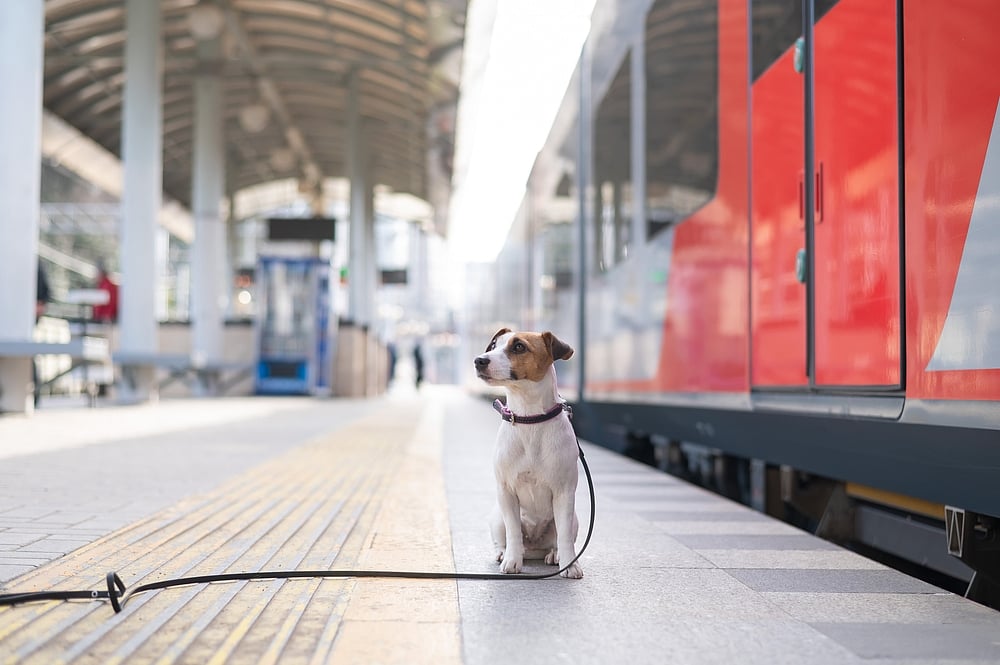
Credit: www.outlooktraveller.com
Alternatives To Sleeper Trains
If sleeper trains aren’t an option for traveling with your dog, don’t worry—there are several alternatives that can still make your journey comfortable and enjoyable for both of you. These choices vary depending on your route, schedule, and your pet’s needs. Understanding these alternatives helps you plan better and keeps your dog safe and happy during travel.
Day Trains Allowing Pets
Many day trains welcome dogs onboard, often with fewer restrictions than sleeper trains. You might need to keep your dog in a carrier or on a leash, but this can be less stressful than overnight travel. Check the train company’s pet policy in advance—some trains allow small dogs in carriers for free, while others charge a small fee.
Traveling on a day train means shorter trips, which can be easier for your dog to handle. You can also take breaks at stops to give your dog some exercise. Have you noticed how a quick walk between stops can refresh your pet—and you?
Pet-friendly Travel Options
Besides trains, consider other modes of travel that accommodate pets well. Buses, ferries, and even some airlines offer pet-friendly services. Some buses allow dogs in carriers or on leashes, especially on shorter routes.
Car travel remains one of the most flexible options, giving you control over stops and comfort. When you drive, you can pack your dog’s favorite toys and snacks, making the trip more pleasant. What’s your dog’s favorite travel comfort item?
Using Pet Transport Services
If you want to avoid the hassle of traveling with your dog, pet transport services can be a great alternative. These services specialize in safely moving pets from one location to another, whether by air, road, or rail. They provide professional care and reduce stress for both pet and owner.
Research the reputation and certifications of pet transport providers before choosing one. Some companies offer door-to-door service and real-time updates, which can ease your mind. Would having a professional handle the travel make your next trip less stressful?
Frequently Asked Questions
Can I Bring My Dog On A Sleeper Train?
Yes, some sleeper trains allow dogs, but policies vary by company. Always check specific rules and fees before booking.
Are There Size Limits For Dogs On Sleeper Trains?
Many sleeper trains have size restrictions for pets. Small to medium dogs are usually accepted; large dogs may require special arrangements.
What Documents Are Needed For Traveling With A Dog?
You typically need a pet passport, vaccination records, and sometimes a health certificate. Requirements depend on the train operator and travel route.
Are Dogs Allowed In Sleeper Train Cabins?
Some trains permit dogs in cabins, but usually only small pets in carriers. Confirm pet-friendly accommodations when reserving your sleeper berth.
Conclusion
Traveling with a dog on a sleeper train can be a smooth experience. Many trains allow small dogs with advance notice. Always check the train’s pet policy before booking your ticket. Bring necessary items like a leash, water, and your dog’s favorite toy.
Keep your dog calm and comfortable during the trip. Train staff are usually helpful if you ask for assistance. Planning ahead makes the journey pleasant for both you and your pet. Enjoy your trip together, making great memories on the rails.

