
Planning a car trip with your dog? You want the ride to be safe, smooth, and fun for both of you.
But traveling with a furry friend comes with its own set of challenges. How do you keep your dog comfortable? What should you pack? And how can you avoid stress on the road? This guide will give you simple, practical tips to make your car travel with your dog enjoyable from start to finish.
Keep reading to discover everything you need to know for a happy journey together.
Credit: www.pethonesty.com
Preparing Your Dog For Car Travel
Preparing your dog for car travel helps ensure a safe and calm journey. Dogs may feel nervous or restless in cars. Getting them used to the car before a trip can reduce stress. Preparation also keeps your pet secure and comfortable throughout the ride.
Choosing The Right Carrier Or Restraint
Pick a carrier or restraint that fits your dog’s size. It should be sturdy and well-ventilated. A snug fit prevents your dog from moving too much. Use seat belts designed for pets or secured crates. These keep your dog safe in case of sudden stops.
Familiarizing Your Dog With The Car
Start by letting your dog explore the car while it is parked. Open doors and let them sniff around. Take short trips at first to build comfort. Praise and reward calm behavior during rides. Gradually increase trip length as your dog gets used to the car.
Packing Essentials For Your Pet
Bring important items to keep your dog comfortable and happy. Pack:
- Water and a bowl
- Favorite toys or blankets
- Treats for rewards
- Waste bags for cleaning
- Leash and collar with ID tags
- Any medication your dog needs
Having these items ready helps your dog feel secure and cared for.
Safety Measures On The Road
Keeping your dog safe on the road is more than just a good idea—it’s essential. Every journey presents unique challenges, and being prepared can make all the difference. Paying close attention to safety measures not only protects your furry friend but also gives you peace of mind while driving.
Securing Your Dog Properly
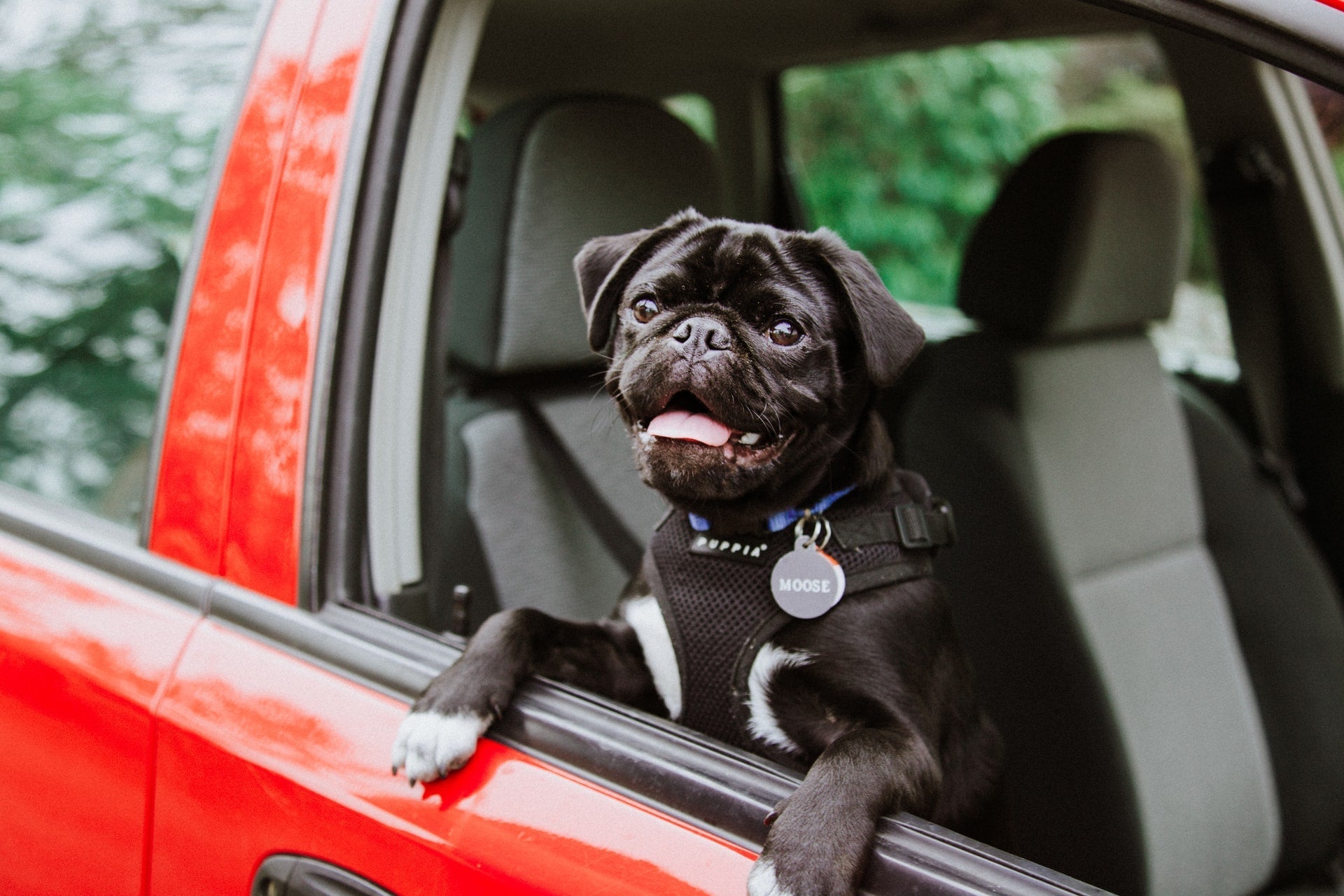
Loose dogs in a car can cause distractions that lead to accidents. Use a well-fitted harness attached to the seatbelt or a sturdy crate to keep your dog secure. I once underestimated this and ended up swerving to avoid my dog jumping into the front seat—definitely not something you want to experience.
Ensure the harness or crate is comfortable and sized correctly. Your dog should have enough room to sit or lie down but not so much space that they slide around. Remember, safety gear is only effective if your dog accepts it, so practice at home before hitting the road.
Avoiding Common Travel Hazards
Travel hazards go beyond traffic. Hot car temperatures can be dangerous, even with windows cracked. Never leave your dog alone in a parked car, especially during warm weather.
Loose objects can become projectiles during sudden stops. Store items securely and keep the floor clear to avoid injury. Also, be mindful of your dog’s head—windows down too far can cause eye injuries from debris.
Handling Emergencies While Traveling
Emergencies can happen anywhere, so have a plan ready. Carry a pet first aid kit with essentials like bandages, antiseptic wipes, and tweezers. Know the location of nearby vet clinics along your route—you can use apps or online maps to find them quickly.
Stay calm if your dog becomes anxious or injured. Speak softly and offer comfort, which can help reduce stress for both of you. Have emergency contact numbers handy and a copy of your dog’s medical records in your glove compartment for quick reference.
Keeping Your Dog Comfortable
Traveling by car with your dog can be a delightful experience. Ensuring your dog’s comfort is essential for a successful journey. Dogs, like humans, need specific conditions to stay comfortable during travel. This section focuses on key aspects of keeping your furry friend comfortable on the road.
Managing Temperature And Ventilation
Keep the car at a comfortable temperature for your dog. Too hot or too cold can stress your pet. Use the air conditioner or heater as needed. Ensure good airflow by cracking windows or using vents. Avoid direct drafts on your dog. This helps maintain a balanced temperature inside the car.
Providing Food And Water
Pack enough food and water for the journey. Use spill-proof bowls to avoid messes. Offer small meals to prevent motion sickness. Frequent hydration is vital, especially during long trips. Keep a water bottle handy and offer sips during breaks.
Scheduling Breaks And Exercise
Plan regular stops for your dog to stretch and relieve themselves. Aim for breaks every two hours. Short walks help reduce stress and release pent-up energy. Exercise keeps your dog calm and happy during the drive. Find pet-friendly rest areas to ensure a safe environment.
Behavior Tips For Stress-free Trips
Traveling with your dog can be a wonderful experience, but it often brings challenges related to their behavior. Stress and anxiety can make your trip uncomfortable for both of you. Understanding how to manage your dog’s reactions during car rides helps create calm and enjoyable journeys.
Calming Techniques During Travel
Keeping your dog calm starts before the trip. Try a short walk to release excess energy and reduce nervousness. Bringing along a favorite blanket or toy can provide comfort and familiarity in an unfamiliar environment.
During the drive, speak softly to reassure your dog. Gentle petting or a soothing voice can lower their stress levels. Playing soft music or white noise might also help drown out unsettling outside sounds.
Dealing With Motion Sickness
Dogs can get motion sickness just like people do. Watch for signs like excessive drooling, whining, or vomiting. To reduce nausea, avoid feeding your dog a large meal right before the trip.
Try opening a window slightly for fresh air or take breaks to let your dog get some fresh air and stretch. If your dog has severe motion sickness, consult your vet about possible medication or natural remedies.
Encouraging Positive Travel Behavior
Reward your dog for calm behavior with treats or praise. Positive reinforcement encourages them to stay relaxed during future trips. Setting up a consistent travel routine helps your dog know what to expect and feel more secure.
Consider crate training your dog for car rides—it can create a safe space and reduce anxiety. How could your travel routine change if your dog actually looked forward to car rides?
Planning Your Route And Stops
Planning your route and stops is key for a smooth car trip with your dog. It helps avoid stress for both of you. Mapping out where to stop and when to rest makes the journey more enjoyable. Careful planning keeps your dog happy and healthy during the drive.
Selecting Dog-friendly Stops
Choose stops that welcome dogs. Look for parks, rest areas, or pet-friendly cafes. A good stop lets your dog stretch and relieve itself. Check online for reviews or websites that list dog-friendly places. Safe spots with water and shade work best. Avoid busy or noisy areas that might scare your dog.
Timing Your Travel For Comfort
Travel during your dog’s calmest times. Early morning or late afternoon often works well. Avoid the hottest hours to prevent overheating. Plan breaks every two to three hours for walking and bathroom needs. Short trips between stops help keep your dog relaxed. Watch for signs of tiredness or stress and adjust your schedule.
Using Technology To Enhance The Trip
Use apps to find dog-friendly locations quickly. GPS devices help track your route and stops easily. Some apps show pet services like vets or pet stores nearby. Set reminders for breaks and feeding times. Keep your phone charged and ready for emergencies. Technology adds convenience and safety to your journey.
Credit: www.vevor.com
Post-trip Care For Your Dog
After a long car trip, your dog needs special attention to recover and feel comfortable again. Post-trip care helps you spot any problems early and ensures your furry friend stays happy and healthy. Taking a few moments to check on your dog can make all the difference in their well-being.
Checking For Signs Of Stress Or Injury
Look closely at your dog’s behavior and body. Are they limping, scratching more than usual, or hiding? These could be signs of injury or discomfort from the trip.
Also watch for stress signals like excessive panting, whining, or restlessness. Dogs can get anxious during travel, and the stress might not disappear immediately when you stop moving.
If you notice anything unusual, don’t wait. Contact your vet or an emergency animal hospital for advice. Early action can prevent minor issues from becoming serious problems.
Rehydration And Rest
Your dog likely lost fluids and energy during the journey. Offer fresh water right away to help rehydrate them. Avoid giving too much at once to prevent stomach upset.
Find a quiet, comfortable spot where your dog can rest undisturbed. Rest is crucial for recovery, especially after a long trip with many stops and starts.
Have you noticed how your dog’s energy levels change after travel? Paying attention to these patterns helps you plan better breaks next time.
Rewarding Good Travel Behavior
Positive reinforcement encourages your dog to behave well on future trips. Give treats, praise, or playtime when your dog stays calm and follows your travel rules.
Try to make the end of the journey a happy moment. This helps your dog associate car travel with good experiences rather than stress.
Think about what rewards your dog loves most. Tailoring rewards can motivate your dog more effectively than generic treats.
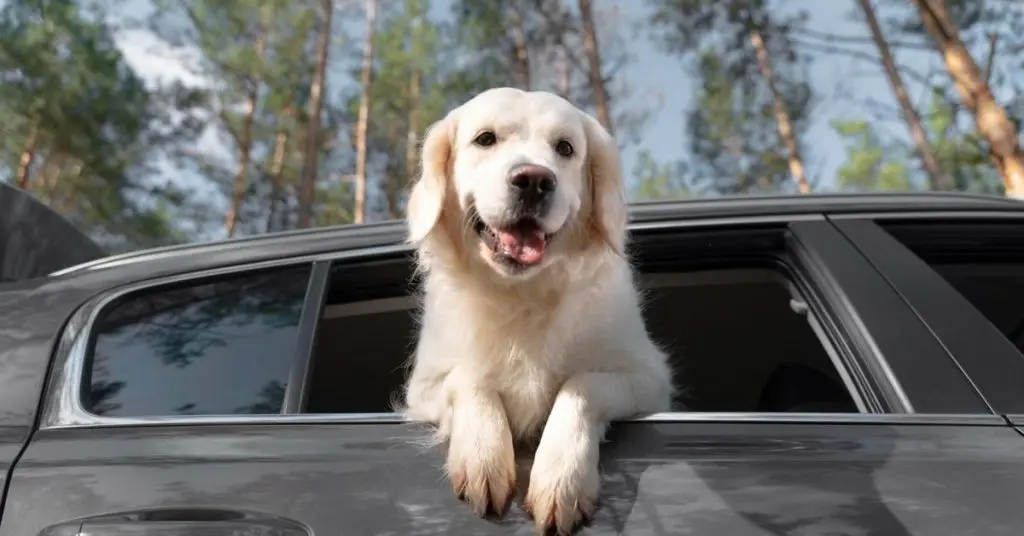
Credit: www.vevor.com
Frequently Asked Questions
How To Prepare My Dog For Car Travel?
Start with short trips to acclimate your dog. Bring their favorite toys and blankets. Ensure they are well-exercised before travel to reduce anxiety.
What Safety Measures Should I Take For Dog Car Travel?
Use a sturdy harness or a secured crate. Never let your dog ride with their head outside the window. Keep them in the back seat for safety.
How Often Should I Stop During Long Trips With My Dog?
Stop every 2-3 hours for bathroom breaks and exercise. Offer water and let your dog stretch to avoid discomfort.
What Are Signs Of Car Sickness In Dogs?
Look for drooling, whining, pacing, or vomiting. If your dog shows these, consult a vet for possible remedies or medications.
Conclusion
Traveling with your dog can be fun and safe with some planning. Keep your pet comfortable and secure during the trip. Bring water, snacks, and breaks for exercise. A calm dog makes the journey better for everyone. Enjoy the road and create happy memories together.
Safe travels and happy tails!