
Are you wondering if it’s time to switch your two-year-old dog to adult food? You want to make sure your furry friend gets the right nutrition to stay healthy and happy.
Feeding the wrong food could affect your dog’s energy, weight, and overall well-being. You’ll discover exactly when and why to change your dog’s diet, so you can feel confident about every meal you serve. Keep reading to learn the simple steps that will keep your dog thriving for years to come.
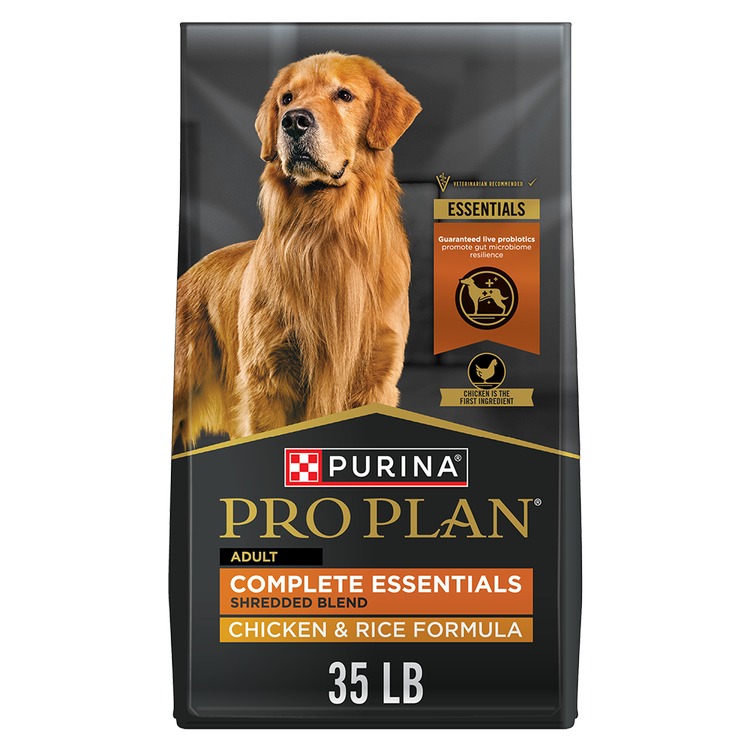
Credit: www.purina.com
When To Switch Dog Food
Deciding when to switch your dog from puppy food to adult food can feel tricky. The right timing helps support your dog’s health and energy levels without causing digestive upset. Understanding the nutritional needs and watching for key signs will guide you in making the best choice for your furry friend.
Puppy Vs Adult Nutritional Needs
Puppy food is packed with extra calories and nutrients to support rapid growth and brain development. It usually contains higher levels of protein, fat, and certain vitamins compared to adult food.
Adult dog food focuses on maintaining health rather than growth. It has balanced nutrients to support steady energy and prevent weight gain as activity levels change.
If your dog keeps eating puppy food past their growth phase, they might gain excess weight or experience digestive issues. On the other hand, switching too early can leave them without enough nutrients to develop properly.
Signs Your Dog Is Ready For Adult Food
One clear sign is your dog’s size and breed reaching maturity. For many medium-sized breeds, this happens around 12 to 18 months, but larger breeds might take up to 24 months.
Observe your dog’s energy and weight. If they seem less hyper and their growth has slowed, they might be ready for adult food.
- Your vet gives a green light after a health check.
- Your dog’s stool is firm and regular, indicating good digestion.
- Your dog shows no signs of nutrient deficiency like dull coat or low energy.
Have you noticed changes in your dog’s activity or appetite? These clues can help you decide if it’s time to switch their food and keep them thriving.
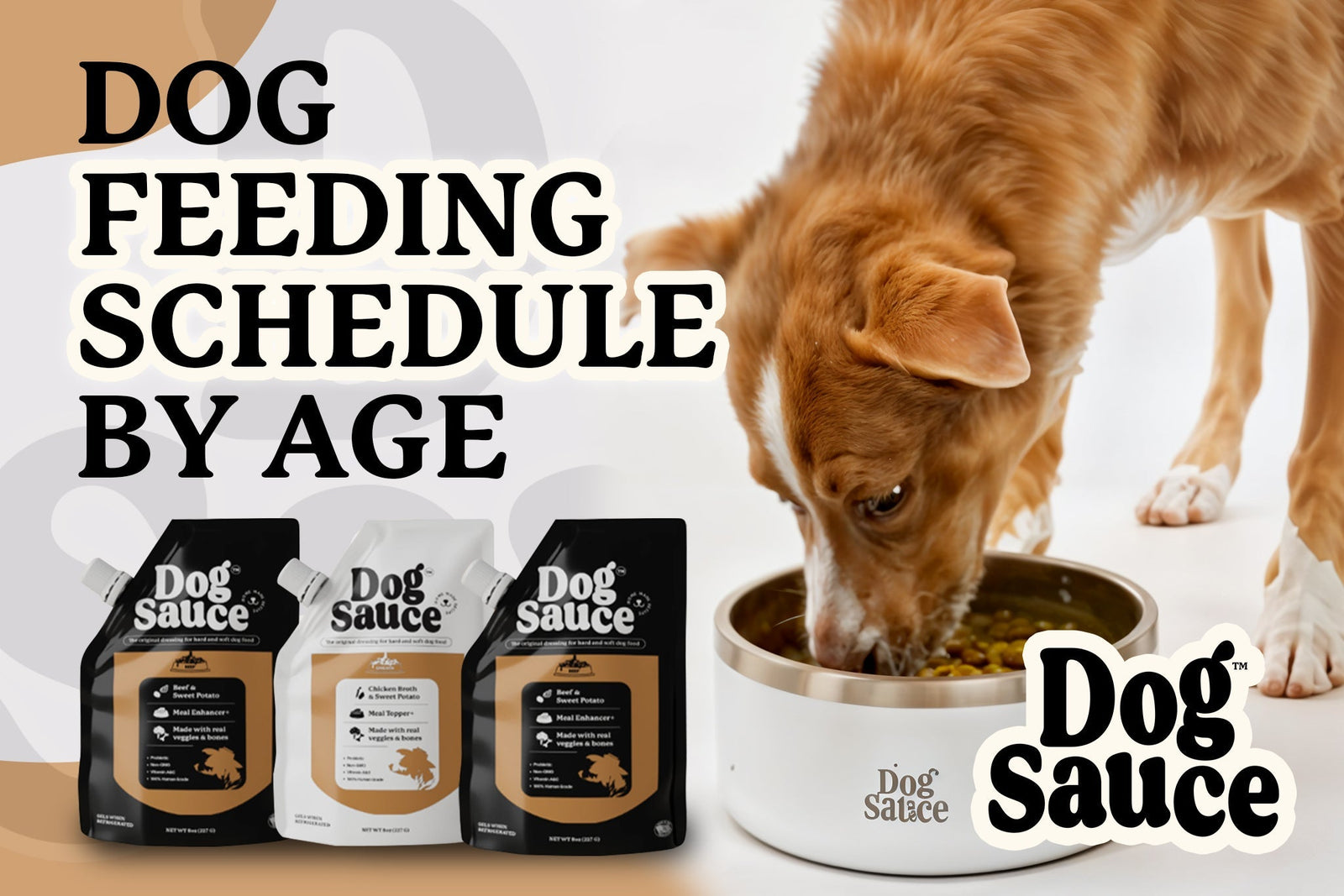
Credit: dogsauce.co
Benefits Of Adult Dog Food
Feeding a two-year-old dog adult food brings many benefits. Adult dog food supports their changing needs as they grow. It helps keep dogs healthy and active. Choosing the right food ensures they get the nutrients needed for their stage of life.
Balanced Nutrients For Mature Dogs
Adult dog food contains the right mix of proteins, fats, and carbohydrates. These nutrients support muscle health and brain function. It also includes essential vitamins and minerals. These help maintain strong bones and a healthy immune system. The formula suits dogs that are no longer puppies but not yet seniors.
Maintaining Healthy Weight And Energy
Adult dog food helps control calorie intake. This prevents weight gain and obesity. It also keeps energy levels steady throughout the day. Proper weight reduces stress on joints and organs. This food supports a lively and happy dog with balanced energy.
Risks Of Premature Food Transition
Switching a two-year-old dog to adult food too soon can cause digestive upset. Nutrient imbalances may affect growth and energy levels. Gradual changes help avoid stomach problems and support healthy development.
Transitioning your two-year-old dog to adult food may seem like a natural step in their growth. However, rushing this process can lead to several risks. Understanding these risks can help you make better choices for your furry friend’s diet.Potential Digestive Issues
Switching your dog’s food too early can cause digestive problems. Adult dog food is often richer and denser, which can be tough on a young dog’s stomach. You might notice symptoms like diarrhea, vomiting, or decreased appetite. Imagine planning a dinner party and serving spicy dishes without considering your guests’ preferences. The outcome might be the same for your dog if their system isn’t ready for a new diet.Impact On Growth And Development
Feeding your young dog adult food too soon can impact their development. Puppies and young dogs need specific nutrients for proper growth. Adult food may not provide the right balance of calcium, protein, and other nutrients. Think about how a toddler’s diet differs from a teenager’s. Each stage of growth has unique nutritional needs that, if unmet, could lead to health issues down the line. Is your dog showing signs of premature aging or lethargy? It could be due to an inadequate diet. Consider consulting with your vet to ensure your dog’s food matches their developmental stage. This careful consideration will help you support your dog’s health and happiness, setting them up for a long, active life.Choosing The Right Adult Food
Choosing the right adult food for your two-year-old dog ensures health and happiness. Adult dog food supports energy, muscle, and overall wellness. Not all adult foods are the same. Selecting the best one depends on your dog’s needs and lifestyle.
Key Ingredients To Look For
- High-quality protein like chicken, beef, or fish
- Healthy fats from sources such as fish oil or flaxseed
- Carbohydrates like brown rice or sweet potatoes for energy
- Essential vitamins and minerals for immune support
- Fiber for good digestion and gut health
- Omega fatty acids to maintain a shiny coat and healthy skin
Choose foods without artificial colors, flavors, or preservatives. Natural ingredients help keep your dog safe and healthy.
Special Considerations For Breed And Size
Different breeds have different needs. Small breeds may need smaller kibble and more calories per pound. Large breeds often require joint support and controlled calorie intake.
Consider your dog’s activity level. Active dogs need more energy and protein. Less active dogs may benefit from lower calorie food to avoid weight gain.
Consult your vet to tailor the diet to your dog’s breed and size. This ensures balanced nutrition and promotes long-term health.
Expert Feeding Tips
Feeding a two-year-old dog adult food can feel like a big change for both you and your furry friend. Getting it right matters because it affects your dog’s health, energy, and happiness. Here are expert tips to help you make this transition smooth and stress-free.
Gradual Food Transition Method
Switch your dog’s food slowly over 7 to 10 days. Start by mixing 25% of the new adult food with 75% of the current diet. Each few days, increase the new food and decrease the old until your dog eats only the adult formula.
This slow change helps avoid upset stomachs or picky eating. I once rushed this process with my dog, and it led to diarrhea and discomfort. Taking your time avoids these common issues and keeps your dog happy during the switch.
Monitoring Your Dog’s Response
Watch how your dog reacts to the new food every day. Look for signs like changes in appetite, stool quality, energy levels, or skin condition. If you notice any problems, slow down the transition or consult your vet.
Ask yourself: Is your dog as active as before? Is their coat still shiny? Monitoring these details helps you catch problems early and make feeding adjustments that suit your dog’s unique needs.
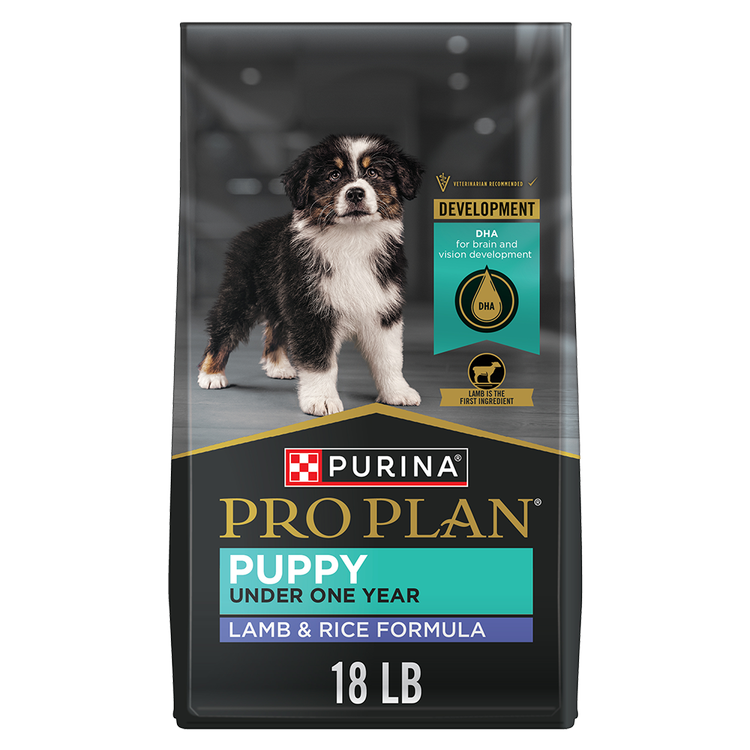
Credit: www.purina.com
When To Consult A Veterinarian
Knowing when to consult a veterinarian about your two-year-old dog’s diet is crucial. Your dog’s health can change quickly, and diet plays a big role in their well-being. If you notice unusual behavior or health issues, professional advice can help you adjust their food properly.
Health Concerns Affecting Diet
Some health problems require special diets. Conditions like allergies, digestive issues, or kidney problems often mean your dog can’t eat standard adult dog food. If your dog has symptoms like vomiting, diarrhea, or skin irritation, it’s time to talk to your vet.
Even subtle signs like changes in appetite or energy levels can indicate dietary needs. Don’t wait for a crisis; catching problems early can prevent bigger health issues. Your vet can identify if these signs relate to diet or other medical concerns.
Custom Nutrition Plans
Every dog is unique. Your vet can create a nutrition plan tailored specifically to your dog’s age, breed, activity level, and health status. This plan ensures your dog gets the right balance of nutrients for optimal health.
Custom plans might include special foods or supplements. For example, a dog with joint problems might benefit from added glucosamine. Have you ever wondered if your dog’s food really fits their lifestyle? A vet’s guidance can clear up that uncertainty and improve your dog’s quality of life.
Frequently Asked Questions
When Should I Switch My Dog To Adult Food?
You should switch your dog to adult food around their first or second birthday. This transition supports their changing nutritional needs as they mature.
Is Adult Dog Food Suitable For A Two-year-old?
Yes, adult dog food is suitable for a two-year-old dog. It provides balanced nutrients for maintenance rather than growth.
Can Feeding Puppy Food To Adults Cause Problems?
Feeding puppy food to adult dogs can lead to weight gain. Puppy food is richer and higher in calories, which may cause health issues.
How To Transition A Two-year-old Dog To Adult Food?
Gradually mix adult food with puppy food over 7-10 days. This helps avoid digestive upset and makes the change smoother for your dog.
Conclusion
Feeding a two-year-old dog adult food is usually the right choice. Dogs grow fast but slow down after puppy stage. Adult food meets their needs without extra calories. Watch your dog’s weight and energy for clues. Talk to your vet if unsure about diet changes.
Healthy food helps dogs stay active and happy. Changing food slowly avoids stomach problems. Trust your dog’s signals and keep meals balanced. Good nutrition supports a long, joyful life.