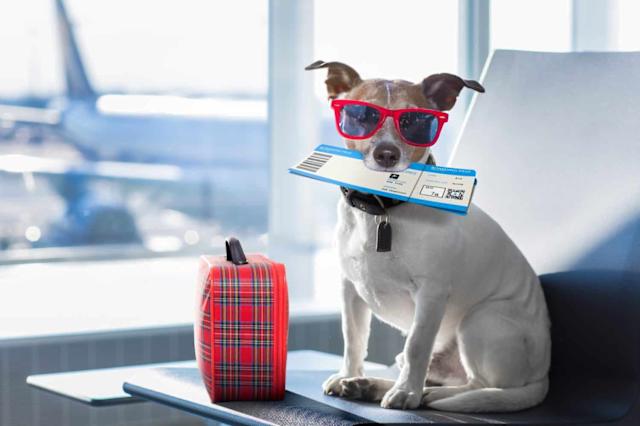

Are you planning to fly with your dog but feel unsure about the process? Traveling by plane with your furry friend can seem complicated, but it doesn’t have to be stressful.
Imagine the joy of having your loyal companion right by your side during your trip. In this guide, you’ll discover simple steps and insider tips to make flying with your dog smooth and worry-free. Keep reading, and soon you’ll be ready to take off together with confidence.
Preparing Your Dog For Air Travel
Preparing your dog for air travel is essential to ensure a smooth and stress-free journey for both of you. Proper preparation helps your dog feel comfortable and safe, reducing anxiety during the flight. Taking the right steps ahead of time can make all the difference in how your dog handles the experience.
Vet Checkup And Vaccinations
Before booking your flight, schedule a vet visit to make sure your dog is healthy enough to travel. Ask your vet about any required vaccinations or health certificates needed by the airline. This visit is also a good time to discuss calming options if your dog tends to get nervous.
Keeping your dog’s vaccinations up to date protects them from illnesses, especially if you’re flying internationally. Have your vet provide a health certificate dated within the airline’s required timeframe, usually 10 days before travel. This paperwork is crucial and often checked before boarding.
Choosing The Right Carrier
Selecting the correct carrier is key to your dog’s comfort and safety during the flight. Make sure the carrier meets the airline’s size and ventilation requirements. It should be large enough for your dog to stand, turn around, and lie down comfortably.
Look for carriers with secure locks and sturdy construction. Soft-sided carriers work well for cabin travel, while hard-sided ones may be better for cargo. Think about your dog’s personality too—some prefer more enclosed spaces, while others like to see outside.
Familiarizing Your Dog With The Carrier
Start introducing the carrier to your dog well before the flight. Leave it open in your living space and place treats or toys inside to create a positive association. Let your dog explore it at their own pace without forcing them inside.
Practice short trips using the carrier to build comfort and confidence. This helps your dog get used to the confined space and reduces stress on travel day. Ask yourself: how can you make the carrier feel like a safe, cozy spot rather than a cage?
Booking Your Flight
Booking your flight when traveling with your dog requires careful planning. Every airline has different rules, and your choice between direct flights or layovers can impact your pet’s comfort. Deciding whether your dog will fly in-cabin or cargo affects both the booking process and your dog’s experience.
Airline Pet Policies
Each airline sets its own pet policies, so start by checking these carefully. Some airlines limit the number of pets per flight, so booking early is important. You’ll also find differences in size and breed restrictions, carrier requirements, and health documentation.
For example, I once had to switch flights because the airline didn’t allow my dog’s breed on board. Double-check weight limits too—some airlines only allow small dogs in the cabin. Always read the fine print to avoid surprises at the airport.
Direct Flights Vs. Layovers
Choosing direct flights over layovers can make a big difference for your dog’s stress levels. Layovers mean longer travel time and additional security checks, which can be unsettling for your pet. If you can, pick nonstop flights to keep things simple and reduce your dog’s exposure to busy airports.
If a layover is unavoidable, look for airports with pet relief areas. Use layover time to let your dog stretch and hydrate. Have you thought about how your dog handles waiting in unfamiliar spaces?
Booking In-cabin Or Cargo
Decide early if your dog will fly in-cabin or in the cargo hold, as this affects the booking process. In-cabin travel requires an airline-approved carrier that fits under the seat, while cargo travel means your dog will be in a temperature-controlled area in the plane’s hold.
Booking your dog in-cabin usually means less stress for both of you, especially on shorter flights. Cargo might be necessary for larger dogs, but requires extra preparation like sturdy crates and health checks. Ask the airline about their specific requirements before booking to avoid last-minute issues.
Packing Essentials For Your Dog
Traveling with your dog on a plane needs careful packing. Bring a comfortable carrier, favorite toys, and enough food and water. Don’t forget important documents like vaccination records and ID tags for a smooth journey.
Traveling with your dog on a plane needs careful preparation. Packing the right essentials ensures a smooth journey for your furry friend. Below, we explore key items to pack for your dog’s travel comfort and safety.Food And Water Supplies
Bring enough food for the entire trip. Pack it in airtight containers to keep it fresh. Don’t forget to include treats for rewards and comfort. A portable water bottle with a built-in bowl is a great choice. It makes it easy to keep your dog hydrated during the journey.Comfort Items
Familiar items can help reduce your dog’s stress. Pack a favorite blanket or toy to provide comfort. Consider a soft, small pillow for extra coziness. These items remind your dog of home and can ease anxiety.Health And Safety Documents
Keep all necessary health documents ready. Include vaccination records and any required travel certificates. A tag with your contact information is essential. You may need a health certificate from your vet, depending on airline rules. Always check the latest airline policies before traveling.
Credit: www.aol.com
Airport Procedures With Your Dog
Traveling through an airport with your dog requires careful attention to specific procedures designed to keep both you and your pet safe and comfortable. Knowing what to expect can ease your nerves and help your dog feel more secure during the hectic airport environment. Let’s break down key steps to smoothly navigate airport procedures with your furry companion.
Check-in Process
Arrive early to allow plenty of time for check-in, especially since airlines may require extra paperwork or health certificates for your dog. Have your dog’s vaccination records and any required permits ready to present.
During check-in, inform the airline staff that you are traveling with a dog. They may ask about your dog’s size, breed, and how it will be traveling—either in-cabin or as checked baggage.
Some airlines limit the number of pets per flight, so booking your dog’s spot ahead of time is crucial. What if you could call ahead to confirm pet policies? It saves surprises and stress.
Security Screening Tips
At security, you’ll need to take your dog out of its carrier and carry or leash it through the metal detector. The carrier itself goes on the conveyor belt for X-ray screening.
Keep a firm but calm grip on your dog. If your dog is nervous or excitable, a familiar toy or treat can help keep it focused and calm during the process.
Security officers are usually helpful with pets, but don’t hesitate to ask for assistance if you feel overwhelmed. How does your dog usually react to busy, noisy places? Preparing for this can make a big difference.
Pre-flight Exercise
Before heading to the gate, give your dog some time for a brisk walk or play session. This helps burn off nervous energy and reduces restlessness during the flight.
Many airports have designated pet relief areas—locate these spots early so you can use them before boarding. It’s a small break that keeps your dog comfortable and clean.
Think about your dog’s normal routine. If your dog usually exercises before naps, mimicking that routine can help it settle more easily on the plane.
During The Flight
Flying with your dog can be a smooth experience if you focus on what happens during the flight itself. This part of the journey is crucial for your pet’s comfort and safety. Paying attention to your dog’s needs while in the air helps reduce stress and keeps the trip enjoyable for both of you.
In-cabin Pet Care
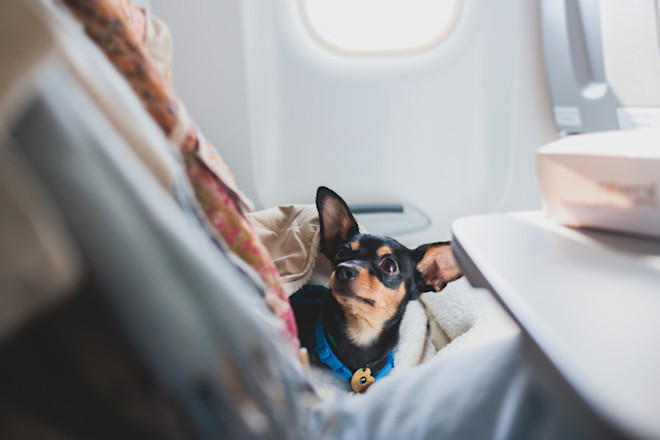
Keeping your dog comfortable in the cabin means setting up a cozy space inside their carrier. Use a soft blanket or favorite toy to make the environment familiar. Make sure the carrier fits under the seat and allows your dog to stand, turn, and lie down comfortably.
Offer small sips of water throughout the flight to keep your dog hydrated. Avoid feeding large meals right before the flight to prevent nausea. Check on your dog regularly, but don’t disturb them too much, as they might want to rest.
Managing Anxiety And Stress
Your dog can pick up on your emotions, so staying calm helps them feel secure. Try gentle petting or soft talking to soothe your dog if they get nervous. You might also bring a calming spray or a pheromone collar designed to ease anxiety during travel.
If your dog is prone to panic, consider training them with short car rides or visits to pet-friendly places before the flight. This builds positive associations with travel. Have you noticed how your calm behavior directly affects your dog’s mood during trips?
Handling Unexpected Situations
Prepare for surprises like sudden turbulence or delays by keeping essential items handy. Pack extra waste bags, a small towel, and some treats in your carry-on. If your dog shows signs of distress, try redirecting their attention with a favorite toy or a quick walk during layovers.
In case of an emergency, knowing your airline’s pet policies and contact information can save time and stress. Always have your dog’s health records and identification tags within reach. What’s your plan if your dog needs immediate help mid-flight?

Credit: www.aol.com
After Arrival
Arriving at your destination marks the start of a new adventure for both you and your dog. The transition from travel to settling in requires care to keep your dog comfortable and healthy. Taking the right steps after landing helps your dog adjust smoothly to the new place and reduces stress.
Settling Your Dog In A New Environment
Give your dog time to explore the new surroundings slowly. Set up a quiet, safe space with familiar items like their bed and toys. Keep routines steady—feeding, walking, and sleeping times should stay the same. Avoid loud noises or sudden changes that might scare your dog. Patience is key; your dog needs to feel secure and calm.
Post-flight Health Check
Watch your dog closely for signs of stress or illness after the flight. Look for changes in appetite, energy, or bathroom habits. Offer water to keep your dog hydrated. If your dog shows unusual symptoms like vomiting or lethargy, contact a local vet quickly. A quick health check ensures your dog stays well during the trip.
Local Pet Regulations
Research pet rules at your destination before travel. Some places require pet registration or specific vaccinations. Leash laws and designated pet areas may apply. Follow all local laws to avoid fines or problems. Knowing the rules helps you care for your dog safely and responsibly in the new place.
Tips For International Dog Travel
Traveling internationally with your dog requires more preparation than domestic flights. Each country has unique rules to protect its native animals and ecosystem. Understanding these rules early can save you time, stress, and unexpected costs during your journey.
Import Requirements And Quarantine
Every country sets specific import requirements for dogs. These often include microchipping, vaccinations, and sometimes blood tests. Some countries demand a quarantine period upon arrival to ensure your dog poses no health risks.
Check the destination country’s official government website or contact their embassy for the latest rules. Quarantine durations can range from a few days to several weeks, so plan your travel dates accordingly. Have you considered how a quarantine might affect your travel itinerary or accommodations?
Health Certificates And Documentation
Your dog will need a health certificate issued by a licensed veterinarian shortly before your trip. This certificate confirms your pet is free from contagious diseases and up to date on vaccinations.
Keep all documents organized and easily accessible during your trip. Besides the health certificate, you may need proof of rabies vaccination, microchip details, and import permits. Missing or outdated paperwork can cause denied boarding or delays at customs.
Planning For Time Zone Changes
Time zone shifts can disrupt your dog’s eating and sleeping patterns. Gradually adjusting meal times a few days before departure helps your dog adapt more smoothly.
During the flight, keep your dog hydrated and calm with familiar toys or blankets. Upon arrival, maintain consistent routines to reduce stress. Have you noticed how your pet reacts to changes in routine? Preparing for time zone changes can make the transition easier for both of you.
Credit: www.discovermagazine.com
Frequently Asked Questions
What Documents Do I Need To Fly With My Dog?
You need a health certificate and updated vaccination records. Some airlines require a pet passport. Check airline-specific rules before travel.
Can My Dog Travel In The Cabin With Me?
Small dogs under a specific weight usually travel in the cabin. Airlines have size and carrier requirements. Reserve your pet’s spot early.
How Should I Prepare My Dog For A Flight?
Familiarize your dog with the carrier before the trip. Avoid feeding them right before flying. Exercise them to reduce anxiety.
Are There Breed Restrictions For Flying With Dogs?
Yes, some airlines restrict brachycephalic breeds due to breathing issues. Check the airline’s pet policy for breed limitations before booking.
Conclusion
Traveling with your dog on a plane can be simple and safe. Plan ahead and know the airline’s pet rules. Keep your dog calm and comfortable during the trip. Bring all needed documents and supplies for your pet. A little preparation makes the journey easier for both of you.
Enjoy your trip and make great memories with your furry friend. Safe travels!