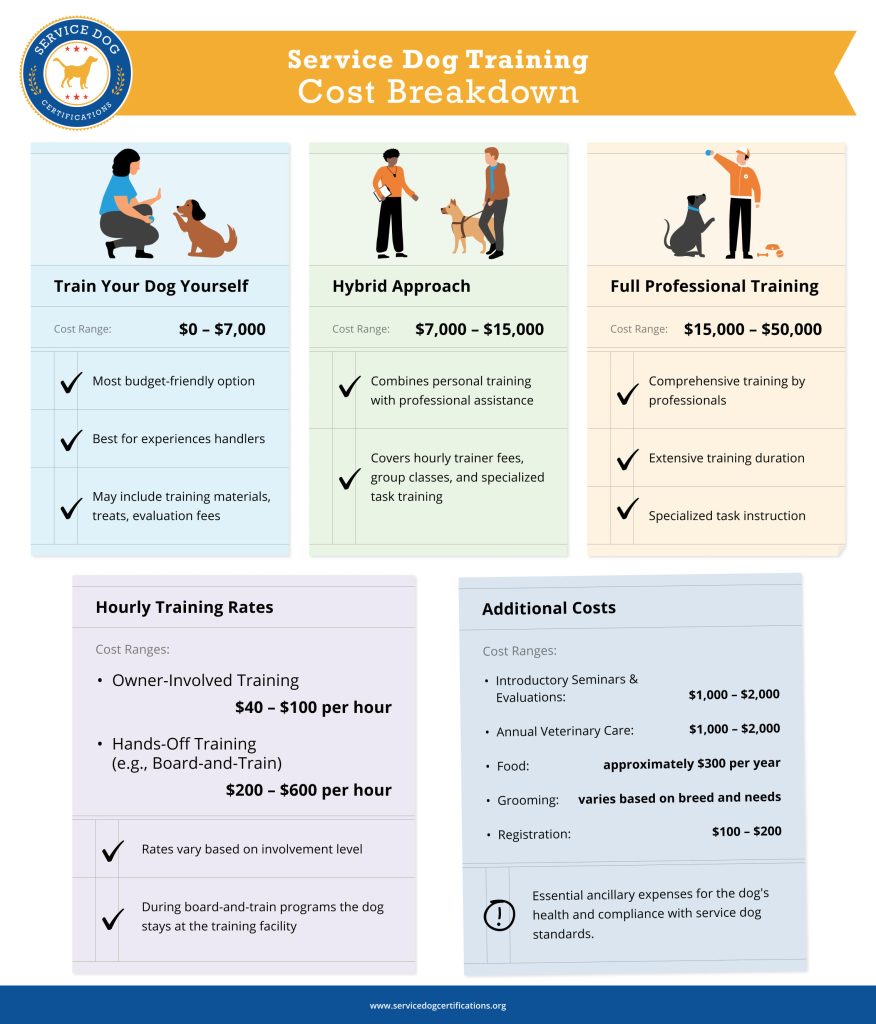

Are you thinking about getting a trained service dog but wondering how much it will cost? Knowing the price upfront can help you plan better and avoid surprises.
A service dog can change your life, offering support and independence. But before you make this important decision, understanding the costs involved is key. You’ll discover everything you need to know about the price of trained service dogs—and how to make the best choice for you and your needs.
Keep reading to find out more!
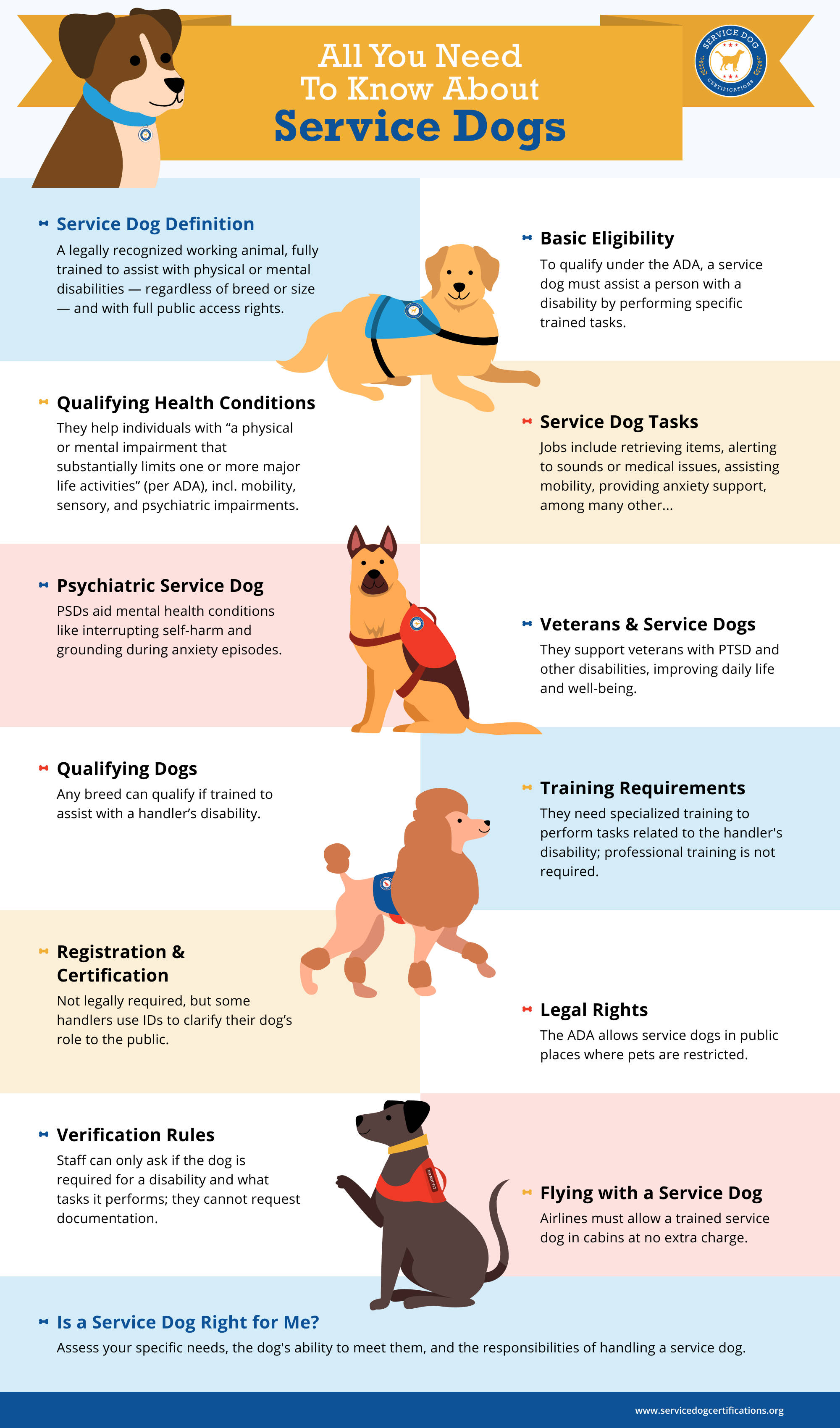
Credit: www.servicedogcertifications.org
Factors Influencing Service Dog Costs
Understanding the cost of a trained service dog means looking beyond the price tag. Several factors shape the overall expense, reflecting the time, effort, and resources invested in these life-changing animals. Knowing what influences these costs can help you plan better and make informed choices.
Training Levels And Methods
The depth and type of training a service dog undergoes play a huge role in its cost. Basic obedience training costs less, while advanced training for specific disabilities or tasks demands more time and expertise, thus increasing the price.
Training methods also vary. Some trainers use positive reinforcement exclusively, which can take longer but often results in a stronger bond and better behavior. Others might combine different techniques, affecting the timeline and cost.
Breed And Acquisition Expenses
Not all breeds are equally suited to become service dogs. Popular breeds like Labrador Retrievers or Golden Retrievers often cost more due to their proven temperament and health.
Acquiring a puppy from a reputable breeder who ensures good health and lineage adds to the initial expense. Rescue dogs might be less costly upfront but could require extra training or health care, which can add to the total cost.
Specialized Skills And Certifications
Service dogs trained in specialized tasks, such as detecting seizures or providing mobility assistance, come with higher price tags. These skills require extra training time and highly skilled trainers.
Certification and ongoing evaluations also add to the cost. Accredited organizations often charge for these processes, ensuring your dog meets legal standards and performs reliably.
Geographic Location And Availability
Where you live influences service dog costs significantly. In areas with few trainers or high demand, prices can soar.
Access to quality trainers and facilities varies widely. If you need to travel or wait for a spot in a training program, expect additional expenses and delays.
Have you checked your local resources thoroughly? Sometimes, smaller organizations nearby offer competitive pricing and personalized service.

Credit: clubk9lasvegas.com
Typical Price Range For Service Dogs
Understanding the typical price range for service dogs helps you plan your investment wisely. Costs vary depending on the dog’s training complexity and the specific tasks it can perform for you. Knowing these differences ensures you choose a dog that fits both your needs and budget.
Basic Service Dogs
Basic service dogs usually assist with general tasks such as guiding, alerting to sounds, or providing simple mobility support.
The cost for these dogs generally ranges from $15,000 to $25,000. This price covers basic obedience training, socialization, and the foundational skills the dog needs to support daily life.
You might wonder if a basic service dog can handle your specific needs—sometimes, they can, but always check the exact tasks they are trained to perform.
Advanced Service Dogs
Advanced service dogs have specialized training for more complex tasks like medical alert, seizure response, or assistance with psychiatric conditions.
Their price range usually falls between $25,000 and $40,000. This reflects the longer training period and the higher skill level required.
Think about whether your situation requires this level of support, as an advanced dog can significantly improve your quality of life but demands a bigger investment.
Custom-trained Dogs For Specific Needs
Custom-trained dogs are tailored specifically to your unique medical or physical requirements, such as detecting rare conditions or providing niche mobility assistance.
These dogs can cost anywhere from $40,000 to $60,000 or more. The extensive, personalized training and ongoing support contribute to the higher price.
Have you considered how much specialized training your dog might need? Custom training ensures your service dog truly fits your lifestyle and health demands.
Additional Expenses Beyond The Purchase Price
Training a service dog involves costs beyond the initial price, such as veterinary care, equipment, and ongoing training. These extra expenses can add up and should be considered before making a commitment. Budgeting for these helps ensure your dog stays healthy and well-trained.
Purchasing a trained service dog is just the beginning of your financial journey. Beyond the initial cost, there are several ongoing expenses that can add up quickly. Understanding these additional costs will help you budget more effectively and ensure your service dog remains healthy and well-equipped for their duties.Veterinary Care And Health Maintenance
Regular veterinary visits are crucial to keep your service dog in top condition. Routine check-ups, vaccinations, and potential emergency care can become significant expenses. Consider getting pet insurance to help manage unexpected medical costs.Equipment And Supplies
Your service dog will need specific equipment to perform their tasks efficiently. Items such as harnesses, leashes, and identification vests are essential. Don’t forget about basic supplies like food, treats, and grooming tools, which are ongoing necessities.Ongoing Training And Support
Even after initial training, your service dog may require further education. Regular training sessions can help maintain their skills and adapt to any changes in your lifestyle. Some trainers offer support packages, which can be a wise investment in your dog’s capabilities. Are you prepared to handle these additional expenses? Understanding these costs ensures that your service dog remains a reliable companion without financial stress.Options To Reduce Service Dog Costs
Service dogs can be a significant financial investment, but there are practical ways to reduce these costs without compromising the support you receive. Understanding your options can open doors to affordable solutions and make the journey smoother. Here are some effective strategies to help manage expenses.
Nonprofit Organizations And Grants
Many nonprofit organizations specialize in providing trained service dogs at reduced prices or even for free. These groups often rely on donations and grants to fund their programs. You can apply for grants specifically designed to help cover the cost of acquiring a service dog.
Take time to research local and national nonprofits. Some organizations focus on specific disabilities or needs, increasing your chances of receiving assistance. Have you checked if there are programs available in your area that match your unique situation?
Fundraising And Sponsorships
Raising funds through community support can significantly offset the cost of a service dog. Hosting events, creating online campaigns, or reaching out to local businesses for sponsorships are all viable options. People often want to help when they understand the impact a service dog can have on your life.
Be transparent about your needs and share your story to engage potential donors. Small contributions can add up quickly and ease your financial burden. Would you consider involving friends and family in a fundraising effort to reach your goal?
Training Your Own Service Dog
Training your own service dog can save money but requires a strong commitment of time and effort. Many people successfully train their dogs using online resources, local trainers, or support groups. This option gives you control over the training pace and methods.
However, it’s important to understand the legal and skill requirements needed for a dog to qualify as a service animal. Are you ready to take on the responsibility and dedication required to train your own dog? Consider starting with basic obedience and gradually introducing specialized tasks.
Financial Assistance And Insurance
Paying for a trained service dog can be costly. Financial help and insurance might reduce these expenses. Various options exist to ease the financial burden. Understanding available support can make service dogs more affordable.
Government Programs
Many governments offer programs to assist with service dog costs. These programs may cover training or veterinary care expenses. Eligibility often depends on disability status or income level. Veterans and people with specific disabilities may receive priority. Checking local and national programs is essential for potential aid.
Insurance Coverage Possibilities
Some health insurance plans include partial coverage for service dogs. Coverage varies by provider and policy. It may cover training, equipment, or medical needs related to the dog. Contacting your insurance company can clarify what is covered. Documentation from a healthcare provider often helps with claims.
Tax Deductions And Credits
Tax laws allow deductions for service dog expenses in many regions. Costs like training, food, and veterinary care might qualify. Keeping detailed records and receipts is important for tax filing. Consulting a tax professional ensures you claim all possible credits. This reduces the overall financial impact of owning a service dog.

Credit: www.petscare.com
Choosing The Right Service Dog Within Your Budget
Choosing the right service dog within your budget takes careful thought. Service dogs vary in training, breed, and cost. Some dogs need specific skills, while others have basic tasks. Balancing your needs with costs helps find a good match. Understanding expenses beyond purchase is also important. This section helps guide you through making smart choices.
Assessing Your Needs And Priorities
Start by listing your daily challenges and tasks you want help with. Consider:
- Mobility support
- Medical alert
- Psychiatric assistance
- Hearing or vision aid
Identify which tasks are most urgent. Prioritize skills that improve your independence. Think about your lifestyle and living space. A large dog might not fit well in a small apartment. Matching the dog’s abilities with your daily life saves money and effort.
Comparing Providers And Trainers
Service dogs come from many sources. Some trainers specialize in specific tasks. Others offer general service dog training. Compare:
- Training methods and duration
- Costs and payment plans
- Follow-up support and guarantees
- Reviews from past clients
A reputable trainer ensures the dog meets your needs. Avoid providers with unclear pricing or no support. Ask about additional fees for travel, health checks, or equipment. Transparent providers help you plan your budget better.
Evaluating Long-term Costs And Benefits
Service dogs need ongoing care. Consider:
- Food and grooming expenses
- Veterinary visits and vaccinations
- Training refreshers or behavior support
- Equipment like harnesses or vests
Calculate yearly costs along with initial price. A higher upfront cost may mean better training and fewer problems later. A well-trained dog can reduce medical or emergency costs. Think about the dog’s lifespan and your ability to care for it over time.
Frequently Asked Questions
How Much Does A Trained Service Dog Typically Cost?
A trained service dog usually costs between $15,000 and $30,000. This price includes training, veterinary care, and matching the dog to the owner’s needs. Costs vary based on the dog’s specialty and training duration.
What Factors Influence The Price Of A Service Dog?
Factors include the dog’s breed, training level, and the organization providing the dog. Specialized training for medical alerts or mobility assistance raises the cost. Location and ongoing support services also affect pricing.
Are There Financial Aid Options For Service Dog Costs?
Yes, some nonprofits and charities offer grants or financial assistance. Veterans and people with disabilities may qualify for funding programs. Crowdfunding and fundraising can also help cover expenses.
How Long Does Training A Service Dog Take?
Training typically takes 6 months to 2 years. Time varies based on the dog’s role and the individual’s specific needs. Proper training ensures the dog performs tasks reliably and safely.
Conclusion
A trained service dog costs a significant amount. The price reflects many months of careful training. These dogs provide vital help and support daily. They improve quality of life in many ways. Choosing to invest in a service dog is a big decision.
It is important to consider both cost and benefits. Remember, service dogs are lifelong partners, not just pets. Their value goes beyond the price tag. Understanding the cost helps prepare for this important journey.